England Declares National Mourning After India’s World Cup Victory, Flags Lowered to Half-Mast and Remote Controls Draped in Black
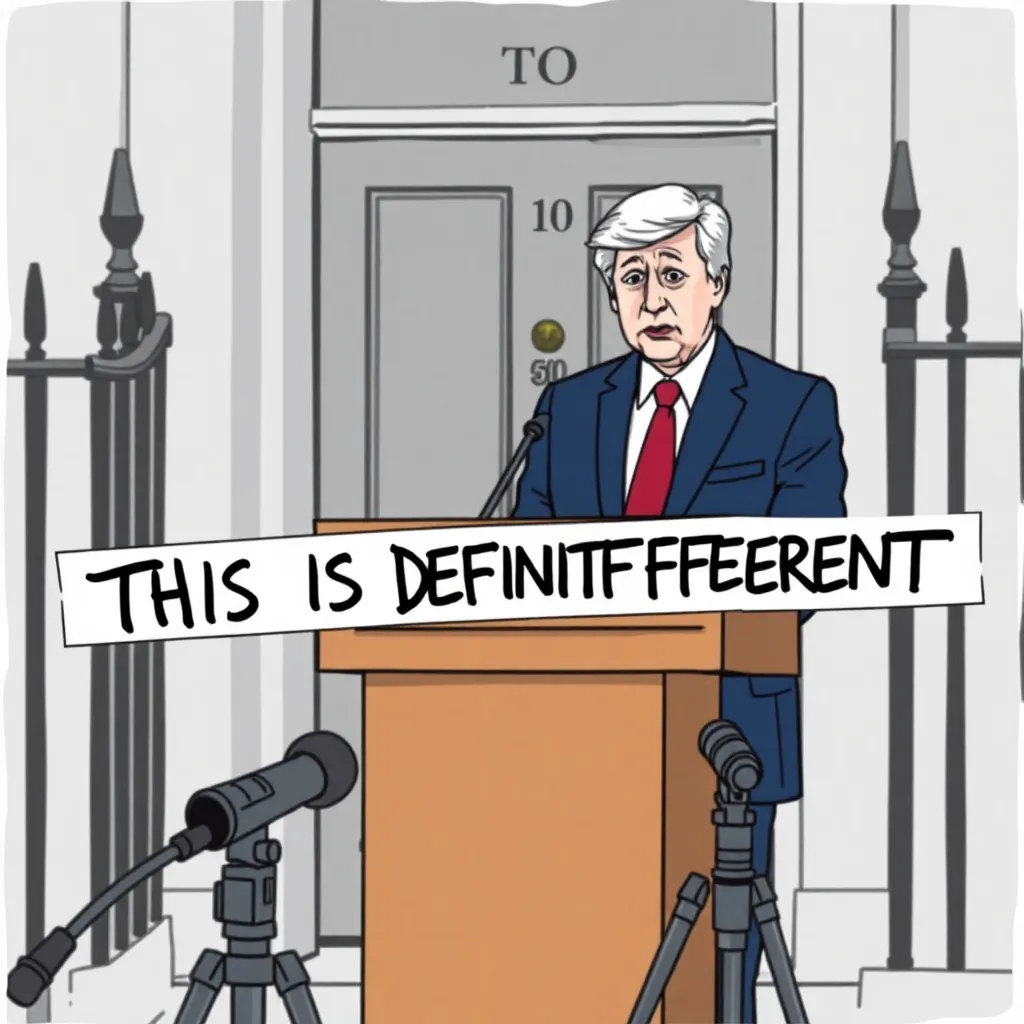
LONDON—In a solemn address delivered from the steps of No. 10, the Prime Minister confirmed that England will enter an official period of National Mourning following India’s World Cup victory, describing the event as “a historic day for the sport and an inexplicable personal attack on the English psyche.”
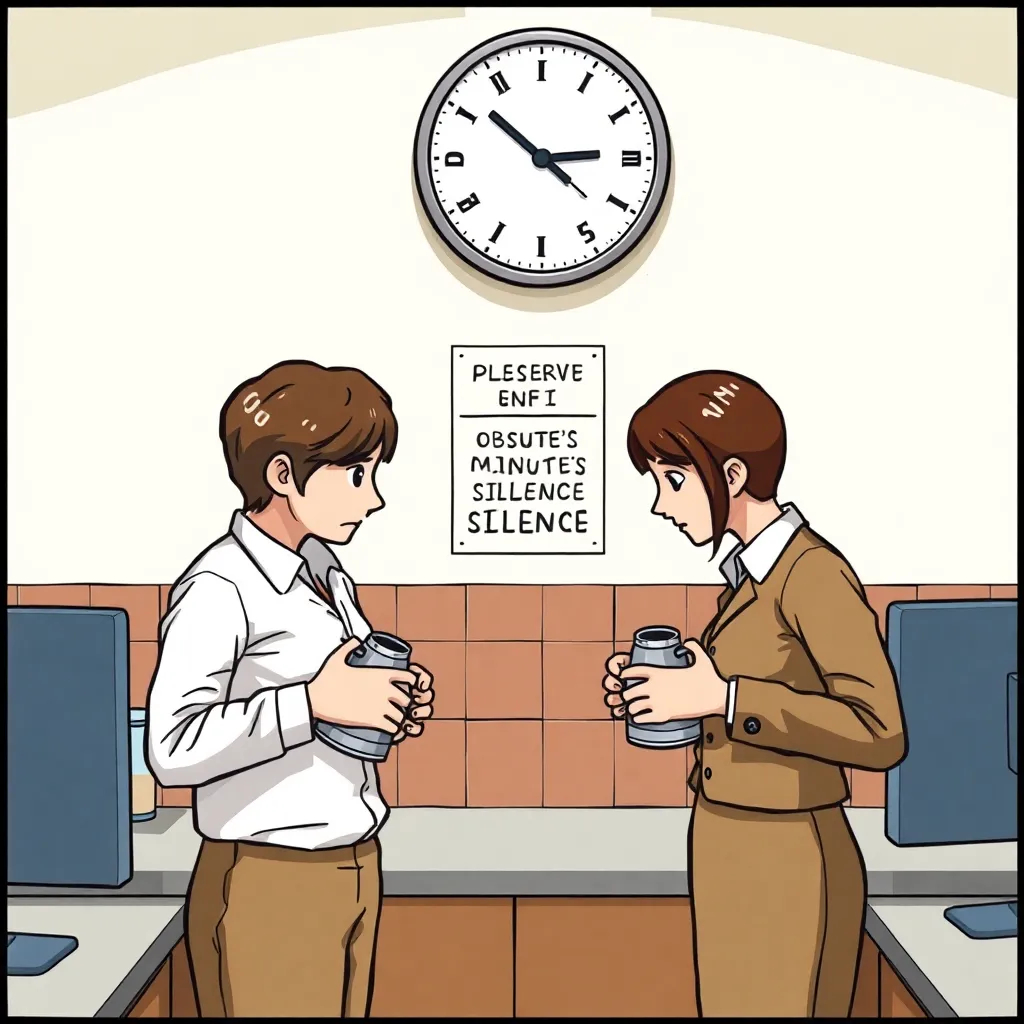
The announcement was made just hours after the final whistle, as millions of England supporters were discovered performing the traditional rites of grief: staring silently into a cup of tea, scrolling through highlight clips they refuse to watch, and whispering “good for them” through clenched teeth in a tone usually reserved for congratulating an ex.
“We must come together as a nation,” the Prime Minister said, standing in front of a lectern hastily rebranded from a previous crisis with a strip of masking tape reading THIS IS DEFINITELY DIFFERENT. “There will be time for reflection, healing, and—when we are ready—explaining to ourselves how it’s somehow the weather’s fault.”
The Mourning Protocol: Black Armbands, Grey Commentary, and a Minute’s Silence for Missed Chances
Under the newly published “Cricket Bereavement Guidelines,” citizens are advised to observe the following measures:
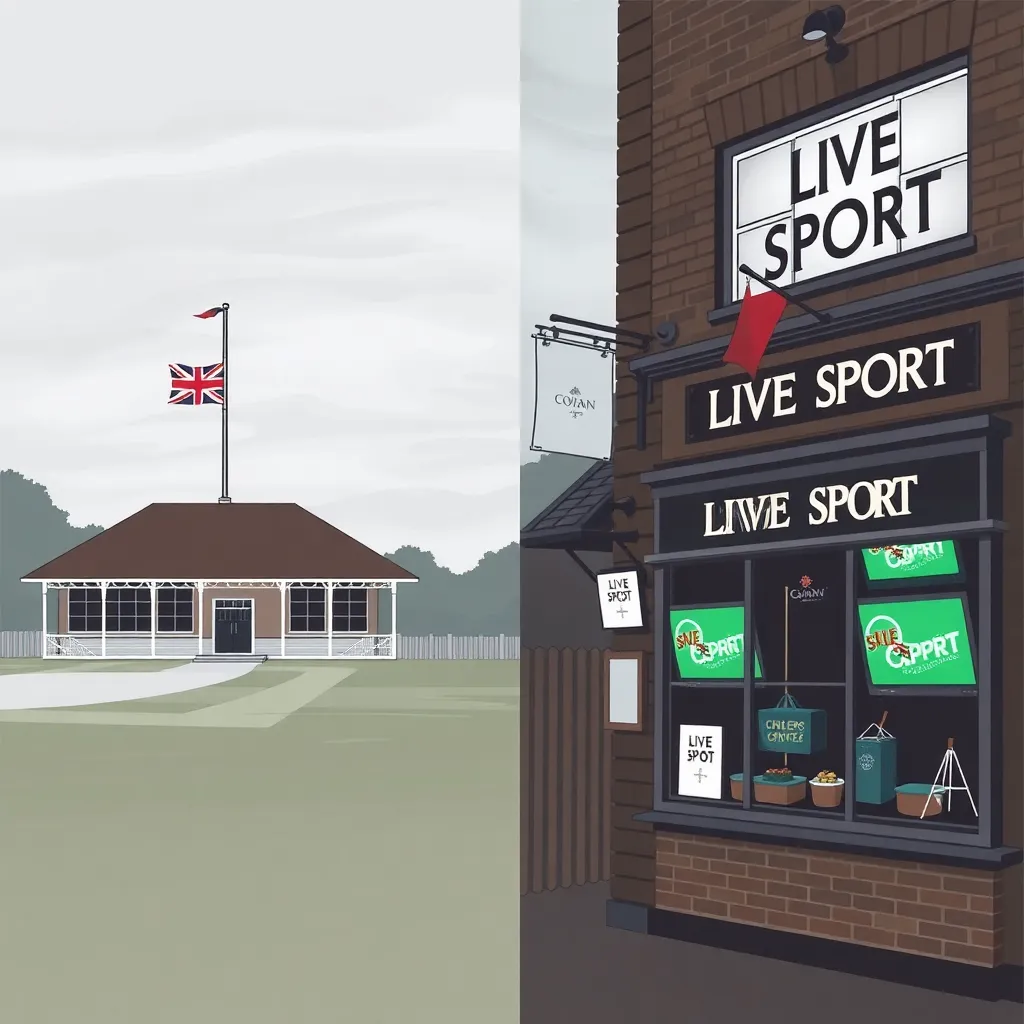
Flags flown at half-mast over all county grounds and selected pubs with at least three televisions.
A nationwide one-minute silence to be held before every conversation begins, to mark the passing of England’s confidence.
All sports panels to wear tasteful black armbands and speak only in low, disappointed voices, even while discussing unrelated topics such as darts or the price of milk.
A temporary suspension of the phrase “We invented cricket,” except when muttered bitterly into the fridge at 2 a.m.
The Department for Culture, Media and Sport clarified that while India’s victory was “objectively impressive,” it has nevertheless triggered “a sudden surge in spontaneous British existentialism,” a medical condition typically presenting with symptoms such as trying to calculate Duckworth–Lewis in your head, inventing new definitions of “moral victory,” and loudly insisting you “didn’t even care about this tournament anyway.”
Schools to Offer Grief Counselling and Optional Revision of Historical Narratives
Education officials confirmed that schools will offer additional support to children struggling with the news, including resilience workshops titled It’s Not You, It’s Spin Bowling and guided breathing exercises in which students inhale for four counts and exhale while softly repeating, “Next time, next time.”
In some areas, teachers have reported confusion among pupils regarding how to process the result.
“One boy asked me if this meant India are better at cricket,” said a Year 6 teacher in Kent, who asked not to be named for fear of being assigned extra playground duty. “I told him that’s a very complex question involving pitch conditions, strategic decisions, and also the fundamental unfairness of reality.”
The National Curriculum is expected to be updated with a new optional module: Coping With Other People’s Competence: A British Approach.
Sports Shops Overwhelmed by Demand for “Neutral” Merchandise
Retailers reported a surge in customers requesting “something supportive but not too supportive,” prompting several high street chains to introduce a new line of emotionally confused apparel.
Among the bestsellers:
A plain grey hoodie reading: I RESPECT THE RESULT, I GUESS.
A cap that says: WELL PLAYED in tiny letters, with an asterisk leading to a paragraph on the underside of the brim explaining why the boundary count in 2019 still “doesn’t sit right.”
A commemorative scarf featuring the slogan: CONGRATULATIONS, INDIA (PLEASE LET US HAVE THIS ONE THING: COMPLAINING).
One shopper in Birmingham was seen holding two shirts—one reading CHAMPIONS and the other reading I’M JUST HERE FOR THE SNACKS—before ultimately buying a third item: a stress ball shaped like the word “IF.”
BBC Introduces 24-Hour Coverage: “India Win, England Process”
The BBC has responded with a special round-the-clock programming schedule designed to guide the nation through the five stages of sporting grief: denial, anger, bargaining, refreshing Twitter, and sudden interest in tennis.
At 9 p.m., viewers can tune in for a live panel discussion titled Could We Have Won If We Had Won? featuring former players, statisticians, and a man from Essex who once met Andrew Flintoff at a motorway services and now feels qualified to speak on leadership.
Meanwhile, Radio 4 has launched a companion segment called Thought for the Day (But It’s Mostly About That Over in the 17th), in which presenters read excerpts from classic literature over slow-motion footage of England fielding.
“We’re not saying it’s the end,” said one BBC producer, “but we are putting everything in minor key for the foreseeable future.”
Government Urges Calm After Reports of “Congratulatory Messages” Escalating Into Minor Incidents
Police have urged residents to remain calm after several reports of English citizens attempting to send congratulations to Indian friends, only to suffer complications midway through composing messages such as “Absolutely deserved” or “What a phenomenal team.”

In one incident in Manchester, a man reportedly typed “Well played” and then stared at the screen for 14 minutes before adding, “We’ll get you next time,” deleting it, retyping it, deleting it again, and finally settling on a single thumbs-up reaction that investigators described as “emotionally ambiguous.”
Authorities confirmed there is no ongoing threat but advised the public to avoid:
Watching highlights “just to see what happened,” as this may cause acute sighing.
Saying “fair play” too many times in one sentence, which can result in involuntary eye twitching.
Mentioning “home conditions” within earshot of anyone who has watched cricket outside of England.
Indian Fans Respond With “Thank You,” Confusing England Further
India’s jubilant supporters have responded to the mourning announcement with what experts are calling “sportsmanship,” a tactic that has left English fans with nowhere to direct their traditional coping mechanism of righteous indignation.
“They keep being gracious,” said one local man, clutching a pillow emblazoned with the word HOPE like it was contraband. “How am I meant to feel superior if they’re being nice? It’s like they’re winning again, but emotionally.”
A spokesperson for India’s cricket board thanked fans worldwide for their support, and offered a message of unity: “Cricket is bigger than any one team.”
The UK immediately requested clarification on whether “bigger than any one team” includes the phrase “but we did invent it,” and whether the statement leaves room for a national tradition of sulking.
The Bank Holiday That Wasn’t, Replaced by “A Day of Quiet Consideration”
Several MPs had reportedly petitioned for a “National Recovery Bank Holiday,” during which citizens could remain at home to “process the result,” “recalibrate expectations,” and “begin the slow spiritual work of pretending this was all part of a long-term plan.”
The request was denied after the Treasury concluded that the economic impact of an extra day off—combined with the existing productivity drop caused by millions rewatching post-match analysis—would be “catastrophic.”
Instead, England will observe a “Day of Quiet Consideration,” in which workers are encouraged to:
Keep meetings brief and emotionally distant.
Avoid scheduling performance reviews for anyone who uses the phrase “we lost the plot.”
Respect colleagues who choose to grieve by repeatedly opening and closing the fridge.
Experts Confirm This Is “Normal,” If You Are English
Psychologists have assured the public that England’s reaction is “perfectly normal” and “fully in line with the national character,” noting that the country has always maintained a healthy relationship with disappointment.
“England doesn’t handle sporting loss the way other nations do,” explained Dr. Harriet Pym, a cultural therapist specialising in competitive melancholy. “In England, defeat becomes a sort of communal craft. We knit it into conversation. We bake it into pies. We bring it up at weddings. It’s how we feel alive.”
Dr. Pym noted that England’s mourning period is expected to last until at least the next promising series, or until someone on television says “new era” with convincing enough enthusiasm to trigger mass denial.
A Nation Looks to the Future, After Looking at the Past, After Looking at the Scorecard Again
As dawn broke over a subdued England, early reports suggested tentative steps toward acceptance.
In London, a commuter was heard saying, “India were brilliant,” without immediately following up with, “but still…” In Leeds, a pub landlord briefly smiled before catching himself and replacing the expression with a respectful frown. In Bristol, a man opened his laptop and searched “how to bowl yorkers consistently,” then closed it again out of pure principle.
The period of National Mourning will conclude with a ceremonial laying of wreaths at the nearest sports bar, followed by the traditional reading of the nation’s most sacred text: a printed-out screenshot of a group chat where someone predicted the exact outcome and no one listened.
In the Prime Minister’s final words to the country, he offered a message of resilience.
“Yes, India have won,” he said. “Yes, they deserved it. And yes, we are devastated. But let history show: England will endure. We will rebuild. We will regroup. And by the next tournament, we will be right back where we belong—quietly optimistic, publicly sceptical, and emotionally preparing for the worst.”
At press time, England was last seen placing a single black ribbon on the remote control, turning off the television, and announcing to the room—without being asked—that they were “actually more into Test cricket anyway.”