Filed Report
Bamerindus Savings Accounts Enter Fourth Decade of Post-Institutional Stability
The Brazilian banking sector and international financial regulators have confirmed that the savings accounts of the defunct Banco Bamerindus remain active, solvent, and entirely indifferent to the passage of linear time. Despite the bank’s acquisition and subsequent dissolution in 1997, the internal ledgers of the Bamerindus savings division have continued to process compound interest and generate quarterly statements within a localized temporal pocket that appears to have decoupled from the global financial calendar.

A Persistence of Liquidity
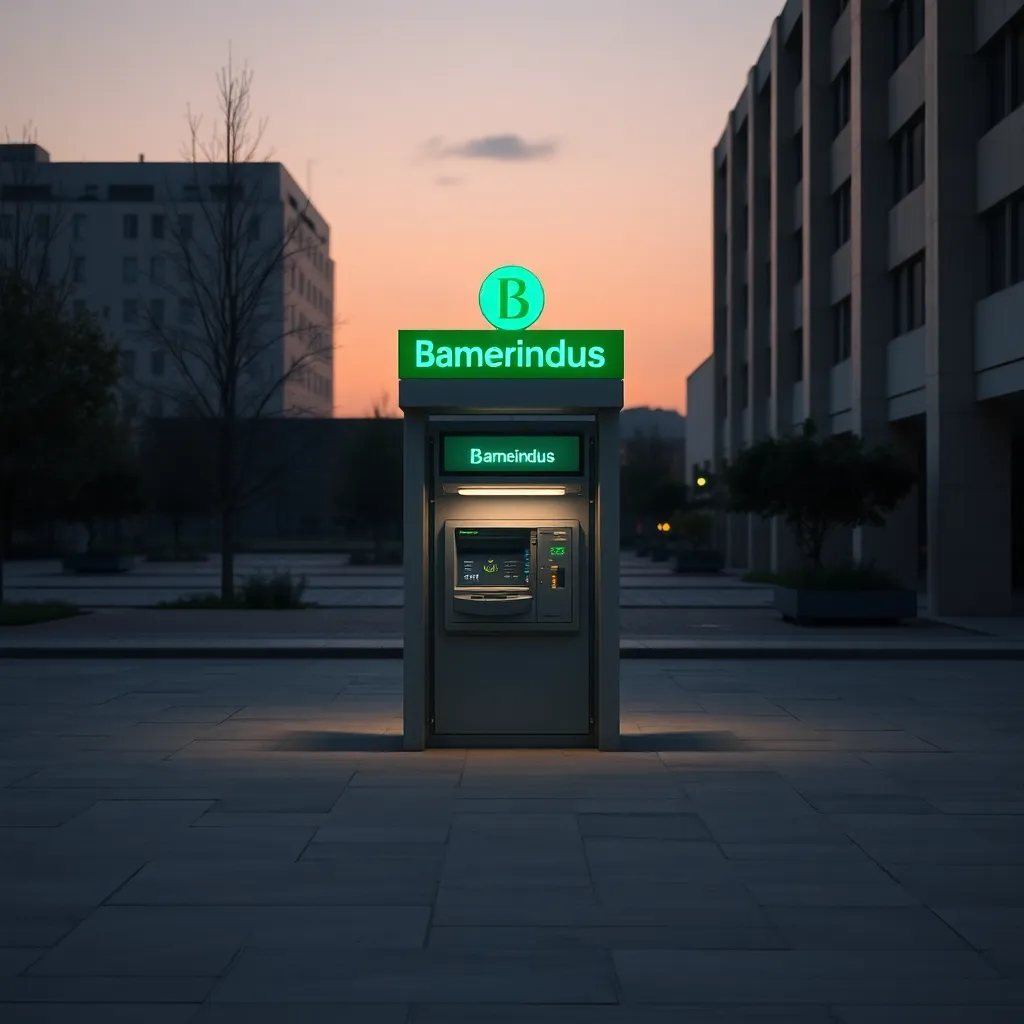
The phenomenon was first noted by the Central Bank of Brazil during a routine audit of "ghost" liabilities. While the physical infrastructure of Bamerindus was absorbed by HSBC and later Bradesco, a specific subset of savings accounts—primarily those opened during the mid-1990s—failed to migrate. Instead, these accounts entered a state of "perpetual presentism," where the funds remain accessible via a handful of specific, unbranded ATMs in the Curitiba metropolitan area.
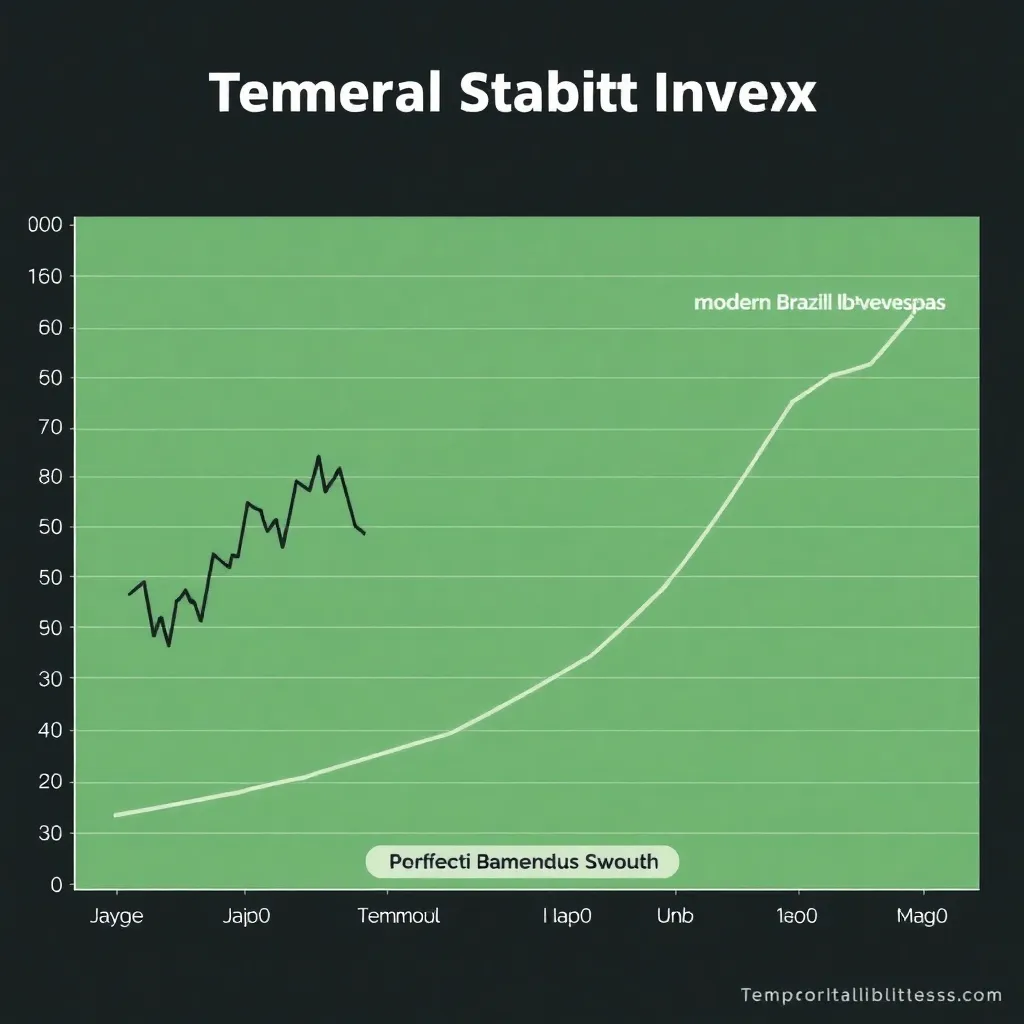
"We are observing a total lack of chronological decay," said Dr. Aristhone Menezes, a researcher at the Institute for Fiscal Anomalies. "While the currency has technically changed and the institution no longer exists in a legal sense, the Bamerindus savings accounts continue to yield a steady 0.5% monthly interest plus the Reference Rate, as if the 1997 acquisition never occurred. The money is there, it is growing, and it is remarkably calm."
Procedural Challenges for Beneficiaries
For the estimated 40,000 remaining "Bamerindians"—the term used by the Treasury to describe account holders—the situation presents unique administrative hurdles. Because the accounts exist outside the standard temporal flow of the modern banking system, they cannot be accessed via smartphone apps or contemporary digital transfers.
Withdrawals require the physical presence of a 1994-issue magnetic stripe card and a willingness to enter a branch-like environment that manifests intermittently in shopping malls.
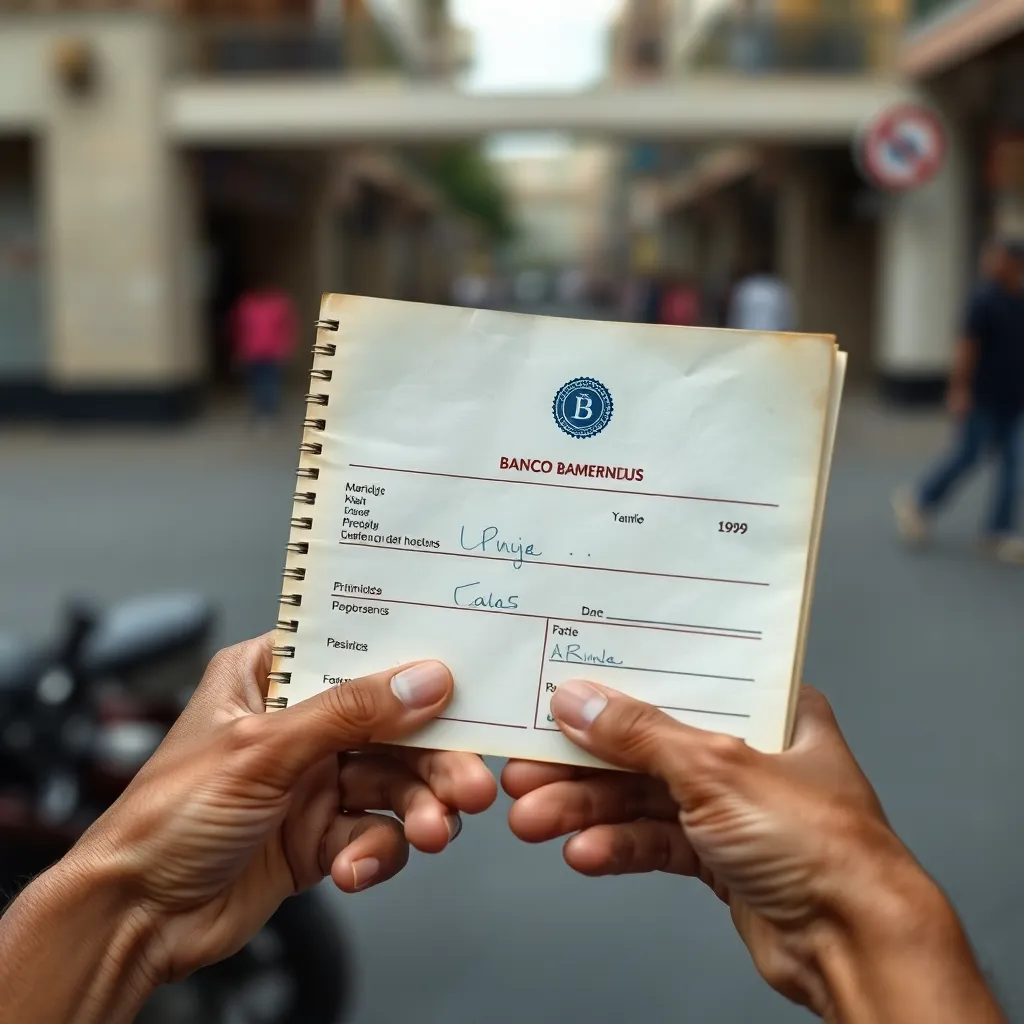
"I went to check my balance last Tuesday," said Eliana Rocha, a retired schoolteacher. "The teller was wearing the classic green blazer. He thanked me for my loyalty and gave me a printed passbook. The date on the top of the slip said October 14, 1996, but the balance reflected thirty years of uninterrupted growth. I used the cash to buy groceries at a modern supermarket. The banknotes were crisp, new, and accepted without question, despite the serial numbers technically not existing yet."
Regulatory Neutrality
The Ministry of Finance has issued a standing memorandum (Memorandum 88-B) advising tax authorities to treat Bamerindus interest as "chronologically neutral income." Since the bank is neither solvent nor insolvent, but rather "persistently extant," it falls into a regulatory gray zone that defies standard bankruptcy law.
International observers have expressed a mix of professional curiosity and bureaucratic concern. A spokesperson for the Bank for International Settlements (BIS) noted that the Bamerindus accounts represent the first known instance of a "zombie-positive" financial entity—one that provides better service and higher stability in death than it did in life.
"There is no panic," the spokesperson confirmed. "The Bamerindus accounts are not a threat to the global economy because they do not interact with it in a way that acknowledges the volatility of the 21st century. They are, for lack of a better term, fiscally serene."
Future Outlook
As the gap between the Bamerindus timeline and the external world widens, some economists suggest that the accounts may eventually become the world’s most secure "deep-time" investment vehicle. There are currently no plans to force a synchronization of the ledgers, as experts fear that introducing 2024 levels of inflation to a 1996 environment could cause a localized economic collapse.
For now, the Bamerindus savings division remains a quiet, green-tinted sanctuary of fiscal predictability. The bank’s famous jingle continues to play on a loop in the few remaining physical access points, audible only to those with a valid PIN and a balanced portfolio.
Public Response
Comments
No comments yet.