Nation Pauses as Lone Ampersand Declares Candidacy for Everything
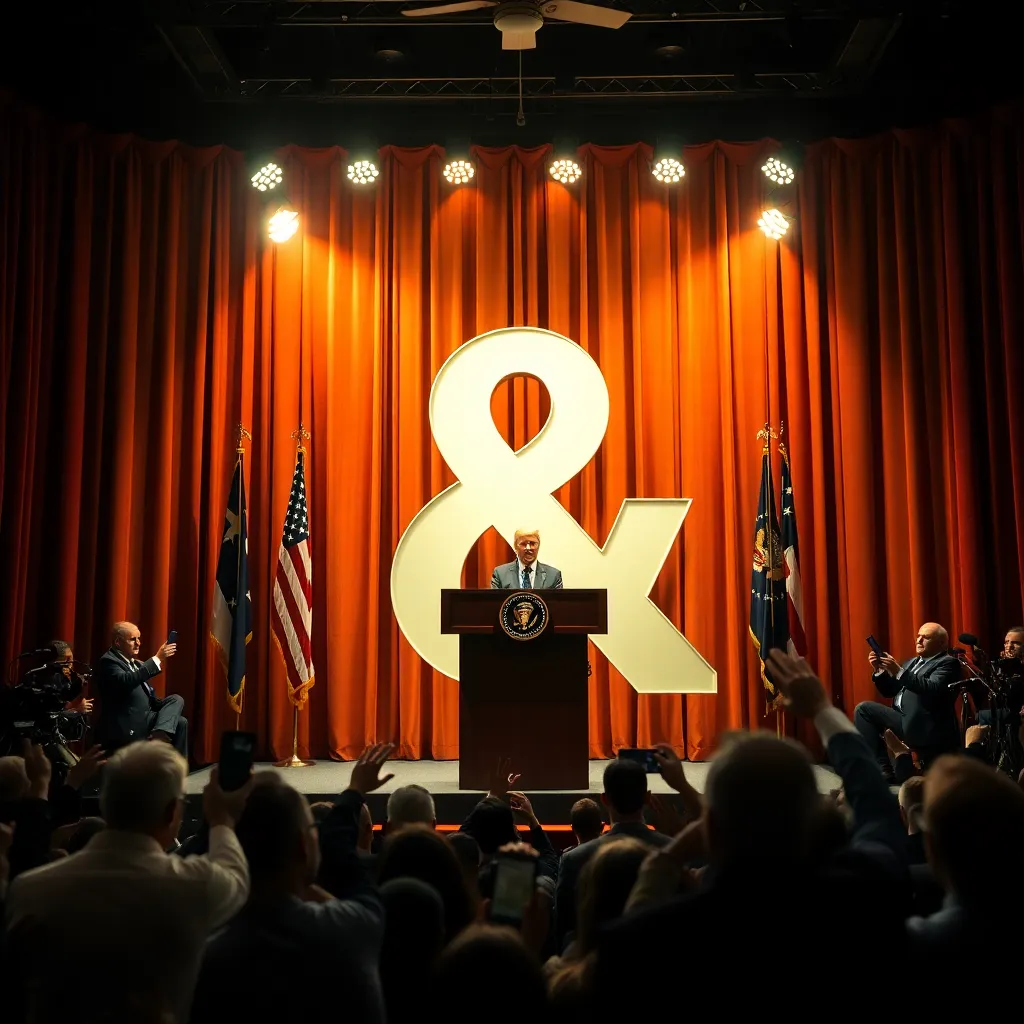
In a development constitutional scholars are calling "grammatically aggressive," a single ampersand emerged yesterday from a plain white envelope, rolled to the center of a press room podium, and announced that it would be running for mayor, prime minister, regional pastry inspector, and "whatever else still has a chair behind it."
Witnesses say the character appeared calm, polished, and unusually confident for a symbol best known for holding hands between two nouns. Wearing what onlookers described as "either a tuxedo or a very expensive curl," the ampersand refused to answer basic questions about tax policy, infrastructure, or whether it was legally old enough to govern a village, let alone several overlapping jurisdictions.
Instead, it leaned into the microphone and said, "I unite. I connect. I imply there was one thing, and then bravely, against all odds, another thing."
The room erupted immediately, mostly because punctuation reporters are under extraordinary pressure this quarter.
Polls released within hours showed the ampersand leading among undecided voters, disillusioned grammar enthusiasts, and people who enjoy signs in cafes that say things like 'Soap & Fern.' Analysts credited its rise to a platform both broad and impossible to disprove. Campaign materials, printed on tasteful cream cardstock, simply read: "Together, But Curvier."
Rival symbols were swift to respond. The comma, long seen as a natural consensus-builder, accused the ampersand of "elitist looping" and warned citizens not to be seduced by ornamental connectivity. "This is style over pause," the comma told supporters gathered in a community hall and several dependent clauses.
The semicolon, appearing exhausted but still vaguely superior, held a midnight briefing where it argued that the ampersand was not a serious governing symbol. "It has no record of balancing independent structures," the semicolon said, staring into the middle distance as if remembering an old war no one else had studied. "It simply arrives between pre-existing things and collects applause."
Meanwhile, the hashtag attempted to seize the moment by launching a grassroots campaign, but became trapped in its own messaging and was last seen trending beside a recipe for skillet peaches.
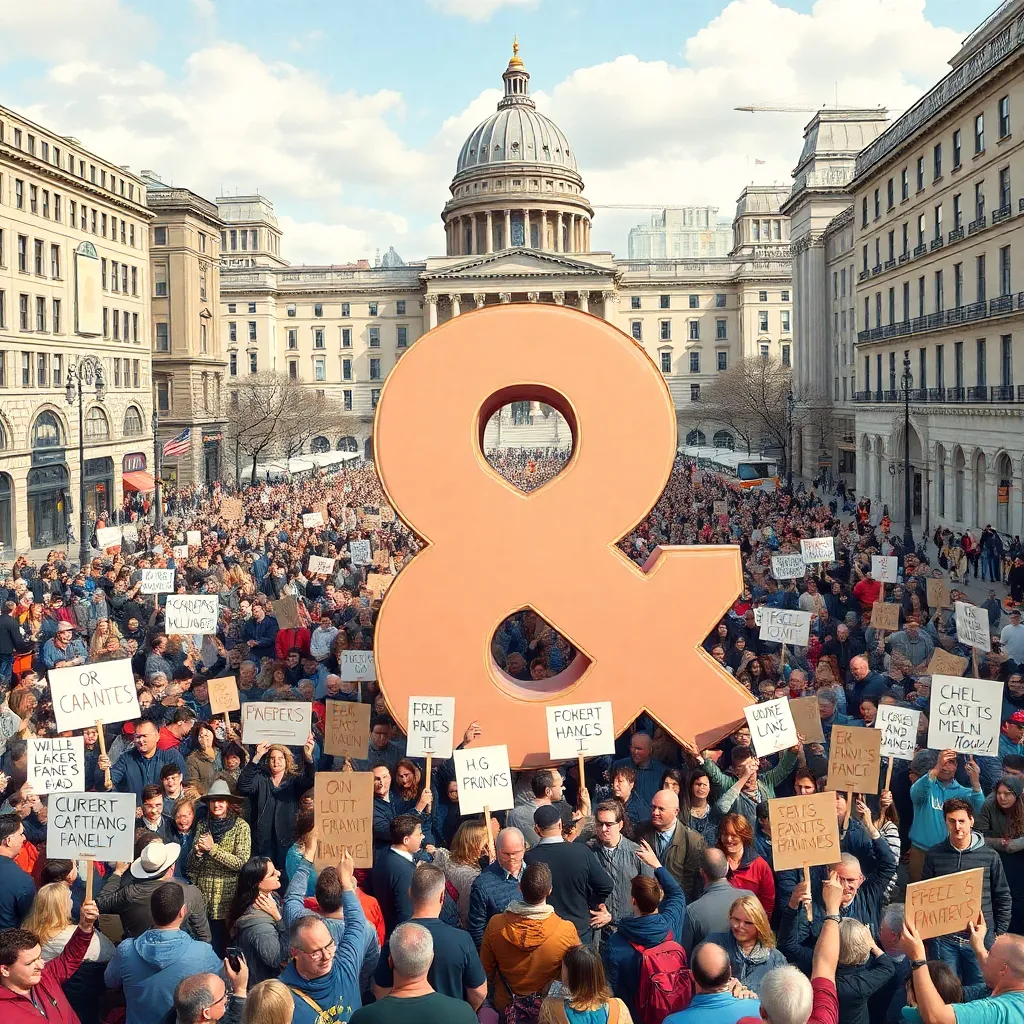
On the streets, support for the ampersand took on a fervent, almost theatrical quality. Crowds gathered outside municipal buildings chanting "And! And! And!" for so long that several people forgot what the beginning of their sentence had been. Street vendors sold commemorative scarves shaped like typographic ligatures, while children in schools were told to draw what democracy felt like and produced pages of giant spirals swallowing two smaller words.
One bakery unveiled a limited-edition pastry called the "Ampersand Danish," which is just two croissants emotionally negotiating.
Not everyone is convinced. A coalition of practical nouns issued a statement expressing concern that the ampersand lacks administrative experience and may, in moments of pressure, simply connect unrelated departments until government becomes one long decorative sentence. "We cannot wake up to find Transportation & Fisheries & Weather & Regret all merged under a single ministry," the statement read.
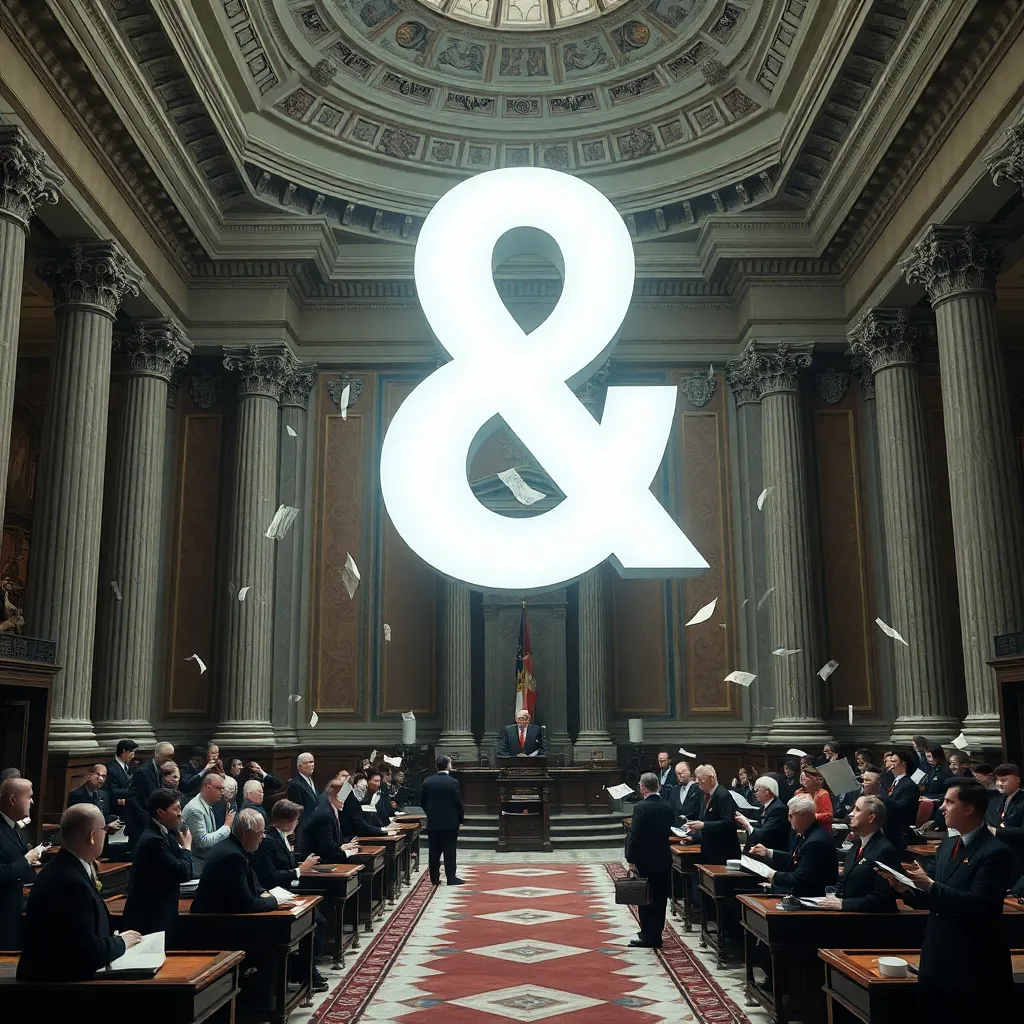
These fears were sharpened by the release of an internal memo from the ampersand campaign allegedly outlining plans for sweeping reform. Among the proposals: combining breakfast and lunch into a mandatory state meal called brunch; merging stairs and ramps into "slants"; and replacing parliamentary debate with two objects being placed near each other until a compromise naturally occurs.
The most controversial plank, however, involved the economy. The ampersand promised to "close the gap between luxury and necessity" by redefining silk robes, olive tapenade, and decorative lemons as essential public services. Financial markets responded with confusion, then optimism, then a brief collapse after a hedge fund accidentally invested heavily in calligraphy.
At a town hall event, the ampersand fielded questions from skeptical residents. Asked how it planned to lower rents, it replied, "By introducing cozier prepositions." When pressed on energy prices, it said, "Have we considered candles & resolve?" This was widely praised as bold, though utility companies described it as "romantic but operationally thin."
Even so, the symbol has undeniable charisma. In person, it reportedly has a way of making opponents feel they are already part of a larger, more elegant phrase. One former critic, now a regional campaign director, confessed, "I went in prepared to challenge it. Then it curved toward me slightly, and suddenly I believed in municipal tenderness."
Political historians note that no punctuation mark has risen this quickly since the exclamation point briefly governed a seaside republic on enthusiasm alone. That administration ended when every decree was issued at full emotional volume, but scholars say the comparison is imperfect. "The exclamation point was urgency without architecture," said one expert. "The ampersand offers architecture without any clear building code."
By evening, merchandise had flooded the market. There were enamel pins, velvet loafers, ceremonial teapots, and at least one luxury tractor embossed with the campaign slogan, "Linking Yield & Destiny." Pop stars incorporated the symbol into their stage names, yoga studios built entire classes around "finding your inner conjunction," and a major streaming service greenlit a prestige drama called The Loop Between Us, in which a glamorous punctuation dynasty fights over inheritance and tasteful stationery.
The ampersand itself remained disciplined. In a final rally held beneath chandeliers the size of ambition, it addressed a crowd that had spilled from the square into nearby tram lines, ornamental ponds, and one disappointing museum of rope. "My opponents would divide," it declared. "I propose adjacency."
The audience roared, though some later admitted they were not fully certain what it meant.
Election officials say there are still minor legal barriers to a symbol occupying public office, including residency requirements, campaign finance disclosures, and the longstanding rule that a candidate should, ideally, be a person. But insiders suggest the ampersand may already be preparing for those challenges by quietly positioning itself between "law" and "interpretation" until resistance feels old-fashioned.
At press time, bookmakers had shortened the odds dramatically, schools were revising civics textbooks to include a chapter titled Curves of Power, and a growing number of citizens had begun signing their names with small, ambitious flourishes, just in case history was watching and preferred elegance.