10 Surprising Facts You Didn’t Know About Smurfs, According to a Panel of Very Serious Experts Who Have Absolutely Lost Control of Their Lives
In a move that has stunned the international community and forced several universities to quietly delete entire departments, a coalition of “Smurfologists” (a real word now, apparently) has released a landmark report detailing new discoveries about the tiny blue forest-dwellers who have been silently dominating human culture since the 1980s and—if you ask certain unwell uncles—since the dawn of time.
The report, compiled after years of fieldwork that consisted largely of watching cartoons with a clipboard, includes several revelations that will challenge everything you thought you knew about Smurfs, including the radical idea that perhaps nobody has ever truly known anything about Smurfs at all.
Below are 10 surprising facts you didn’t know about Smurfs, presented in the spirit of public education, civic responsibility, and mild panic.
1. Smurf Is Not a Language—It’s a Cry for Help
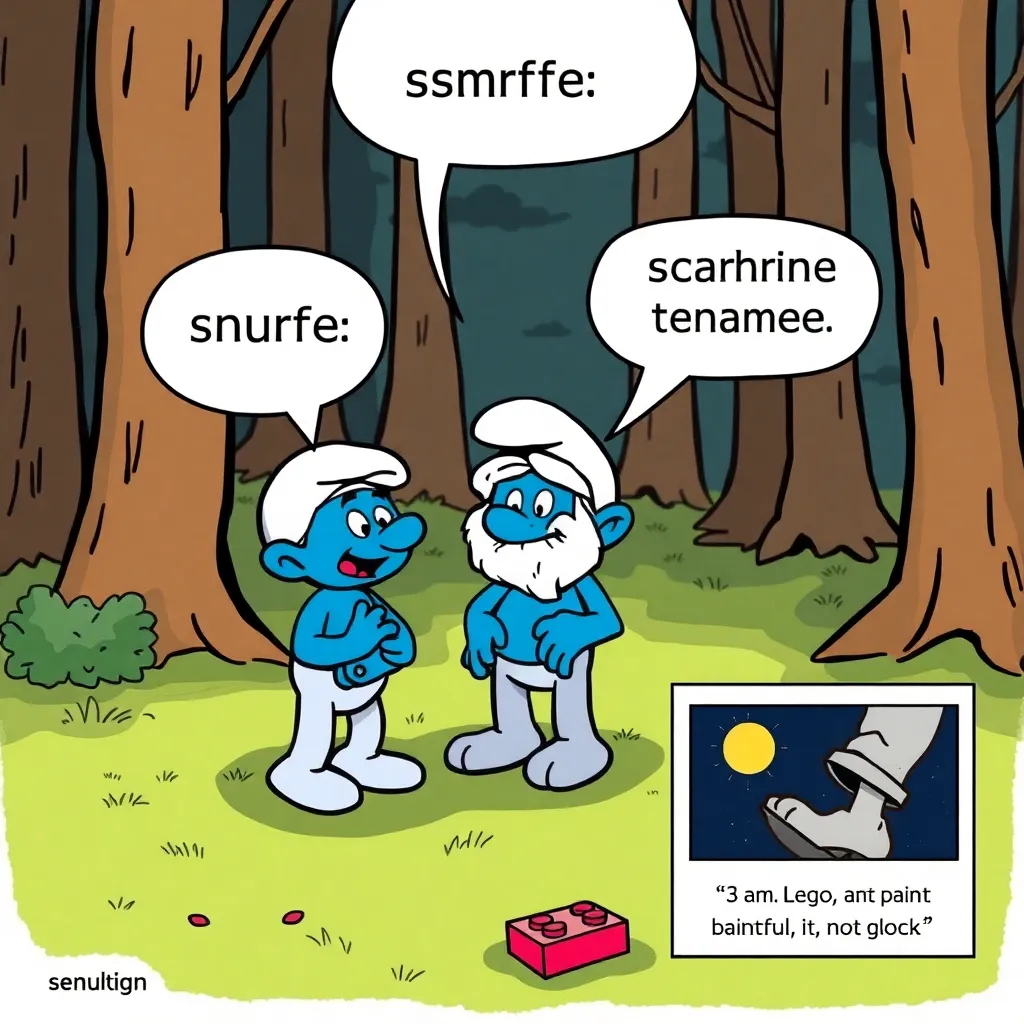
Linguists have long debated whether “smurf” is a noun, verb, adjective, or the sound you make when you step on a Lego at 3 a.m.
The new report concludes that “smurf” is best understood as an all-purpose placeholder for meaning, used by a society that has agreed to outsource specificity to vibes.
“Smurf” can mean:
hello
goodbye
betrayal
tax evasion
“I acknowledge your authority but will undermine you later”
Essentially, Smurf speech is what happens when a community decides grammar is optional and consequences are someone else’s problem.
2. The Smurf Village Economy Runs on Jam, Gossip, and Unexplained Confidence
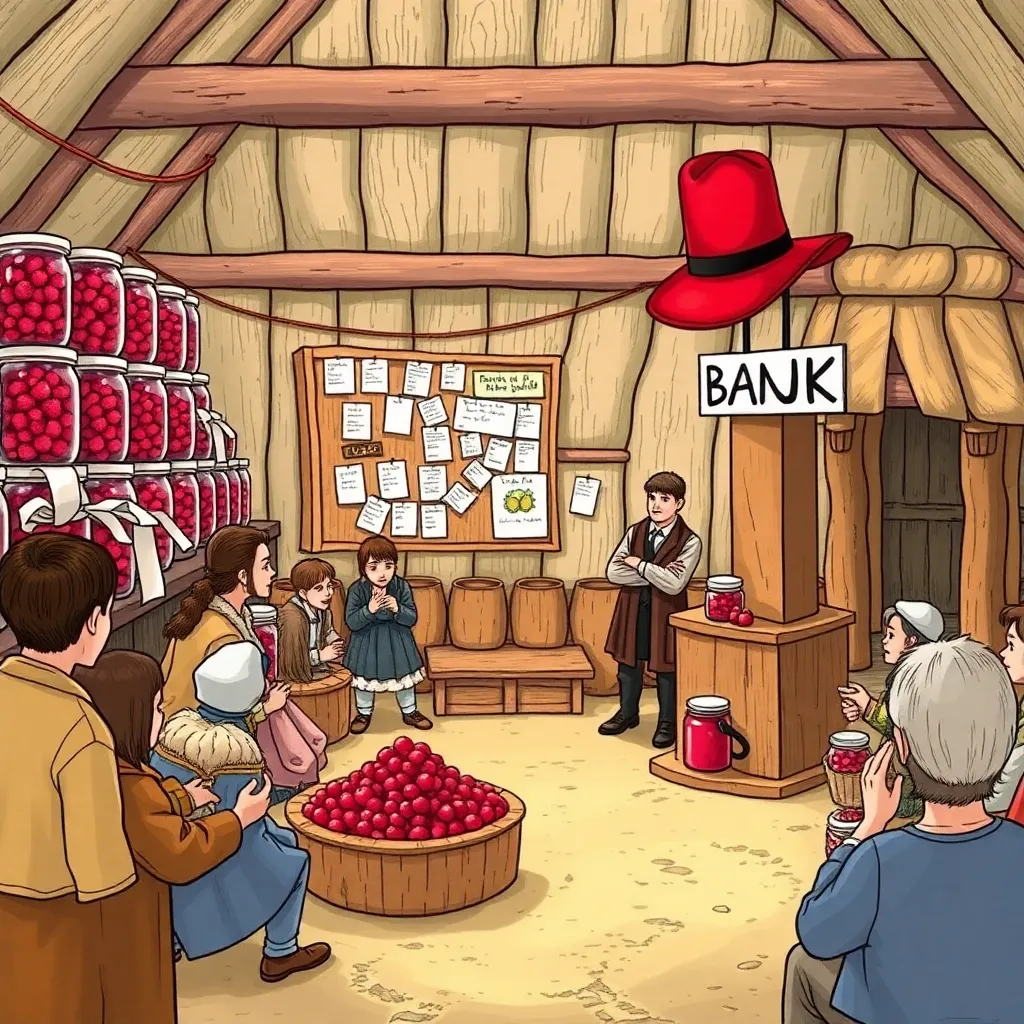
Investigators searching for evidence of currency in Smurf Village found none. No coins. No barter system. Not even a suspiciously large jar labeled “rent.”
Instead, the Smurf economy appears to operate on:
communal labor
baked goods
emotional leverage
and the unshakable belief that everything will work out because Papa Smurf owns a hat
Economists describe the system as “post-scarcity,” while critics call it “a cult with berries.”
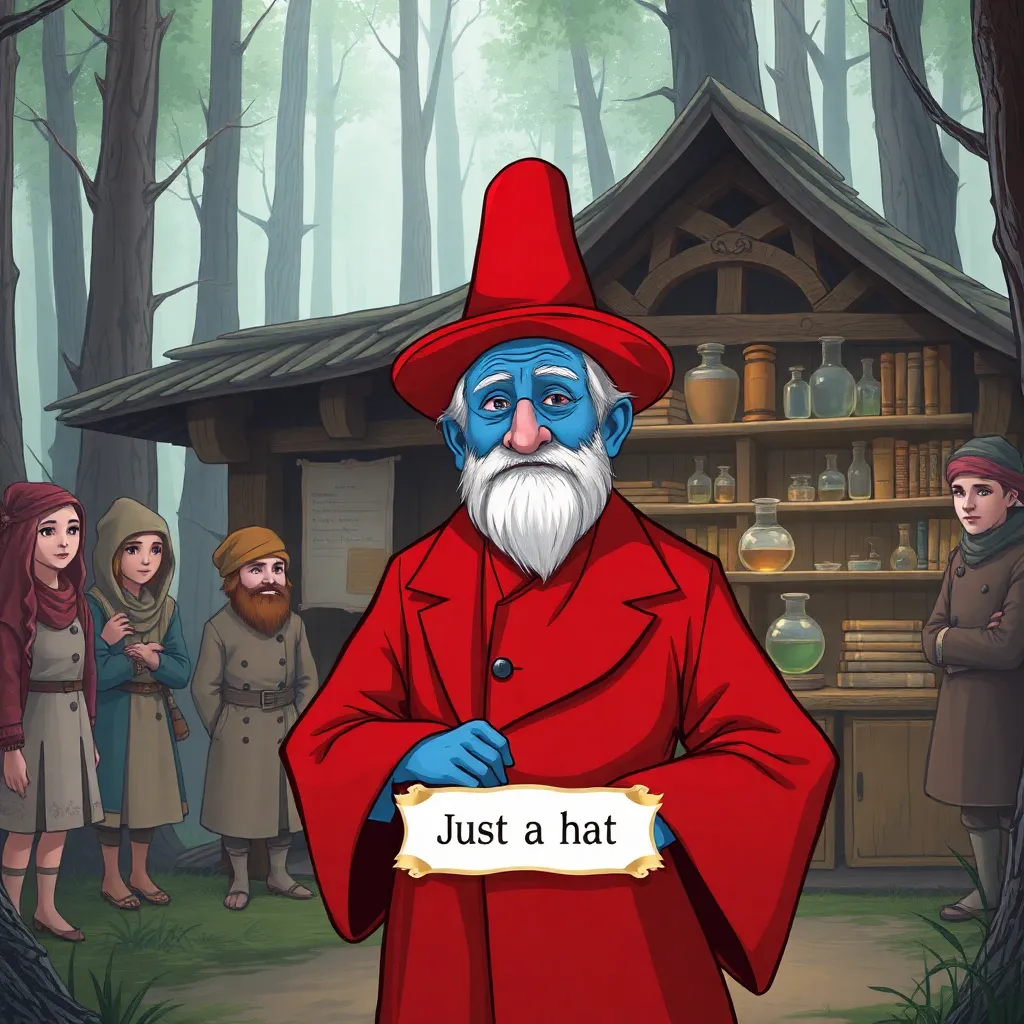
3. Papa Smurf’s Hat Is Basically a Crown, and Everyone Pretends Not to Notice

Papa Smurf is allegedly “just another Smurf,” except for:
being older
being in charge
owning a private laboratory
wearing the only red outfit like a forest-based cardinal
Sources within the village confirm there is a strict policy never to call it a monarchy, even though the optics are “French Revolution starter pack.”
When asked about the hat, Papa Smurf reportedly responded, “It’s not a symbol of power, my little Smurfs. It’s just… a hat… that grants me unquestioned authority.”
4. Gargamel Is Not a Villain—He’s a Real Estate Developer with Poor Branding
Newly uncovered documents suggest Gargamel’s entire dispute with the Smurfs may have begun as a zoning issue.
According to the report:
Gargamel wanted to “redevelop” the forest into luxury hermit caves
the Smurfs refused to relocate
he responded in the only way a reasonable adult would: attempted abduction by net
His public reputation suffered largely because he named his cat “Azrael,” which critics say “doesn’t scream ‘harmless local entrepreneur.’”
5. Smurfette Was Not Created—She Was Manufactured as a Workplace Disruption
Smurfette’s origin has long been described as “magic,” but experts now call it what it truly is: weaponized office drama.
Gargamel built Smurfette to destabilize the village social structure by introducing:
jealousy
distraction
and the terrifying concept of “trying to look nice for no reason”
It nearly worked, until Smurfette was rebranded by Papa Smurf via what HR would call “an aggressive culture reset.”
Smurf Village remains the only society in recorded history to defeat psychological warfare with a makeover and moral encouragement.
6. There Are More Smurfs Than You Think, and That’s Honestly the Worst Part
For decades, viewers assumed there were around 100 Smurfs, mostly because someone said “one hundred Smurfs” and everyone collectively agreed not to ask follow-up questions.
But census-takers attempting to count them have reported a chilling phenomenon:
Every time they reach 100, two more appear, smiling innocently and claiming they were “just over there the whole time.”
One demographer described it as “a hydra, but cheerful.”
7. Every Smurf Has a Job Title Because Their Society Cannot Cope with Personality
Instead of names, Smurfs use occupations as identity: Brainy Smurf, Hefty Smurf, Baker Smurf.
This suggests one of two possibilities:
Smurfs are radically efficient and purpose-driven.
Smurfs have no inner life and must cling to a single trait to prevent existential collapse.
Psychologists call this phenomenon “hyper-labeling,” and note it resembles modern corporate culture, where people introduce themselves as “a productivity nerd” and then disappear into a LinkedIn post.
8. The Mushroom Houses Are an Architectural Flex, Not a Necessity
Smurf architecture has been celebrated for its whimsical mushroom homes, but new findings suggest mushrooms are not the only building material available. Smurfs could build with wood, stone, or literally anything.
They choose mushrooms because:
it looks cute
it confuses predators
it generates tourism revenue from wandering humans who say “aww” before immediately getting lost and eaten by something
One architect called it “cottagecore with hostile intent.”
9. Smurf Village Has No Police Force Because Everyone Is Afraid of Papa Smurf’s Disappointed Look
Crime in Smurf Village is extremely low. Not because Smurfs are inherently virtuous, but because nobody wants to be summoned to Papa Smurf’s hut for a talk that begins with:
“My little Smurf…”
That phrase has ended more rebellions than any army in history.
Experts believe Papa Smurf maintains order through:
emotional authority
passive-aggressive wisdom
and the implied threat of being assigned to “help Brainy Smurf” for a week
10. The Smurfs Are Not Tiny—Humans Are Just Incompetent at Scale
While commonly described as “small,” Smurfs may actually be average-sized beings living in a world where humans have lost the ability to accurately perceive size due to:
bad maps
worse eyesight
and a lifelong habit of underestimating anything that doesn’t wear pants
The report proposes that the Smurfs’ “tiny” appearance is a propaganda victory, allowing them to:
evade taxes
avoid diplomatic responsibility
and continue running a self-governing mushroom microstate with zero oversight
In other words, the Smurfs may not be small at all. We may simply be embarrassingly large.
Conclusion: The Smurfs Have Always Been Here, and That’s on Us
The panel ended its report with a sobering warning: “The Smurfs represent a functioning society built on mutual aid, artisanal housing, and absolute commitment to brand consistency.”
In response, several governments have announced emergency measures to prevent citizens from learning too much about Smurf Village, fearing mass resignations, mushroom-house zoning disputes, and an uprising of people demanding to be referred to only by their job titles.
As for what’s next, researchers plan to investigate the most disturbing Smurf mystery of all:
Why, in a village of seemingly infinite mushrooms, nobody ever just locks their door.
The truth may be too smurfin’ much to handle.