Richard Stallman Seizes Microsoft Throne, Replaces Windows Startup Chime With Forty-Minute Lecture on Freedom
In a corporate event described by witnesses as "half merger, half medieval succession crisis," Richard Stallman has reportedly become the new owner and chief executive of Microsoft after arriving at headquarters carrying a laptop covered in stickers, a canvas bag of tangled adapter cables, and what several executives assumed was "the aura of inevitable procedural correction."
Employees say the transition began quietly at 9:03 a.m., when the familiar Microsoft campus calm was interrupted by the sound of somebody clearing their throat with philosophical intent. By 9:17, an emergency all-hands meeting had been called. By 9:19, the meeting had been renamed a "freedom assembly." By 9:24, the company's official mission statement had been edited from "empower every person and every organization on the planet to achieve more" to "please stop installing suspicious binaries from websites that have gradients."
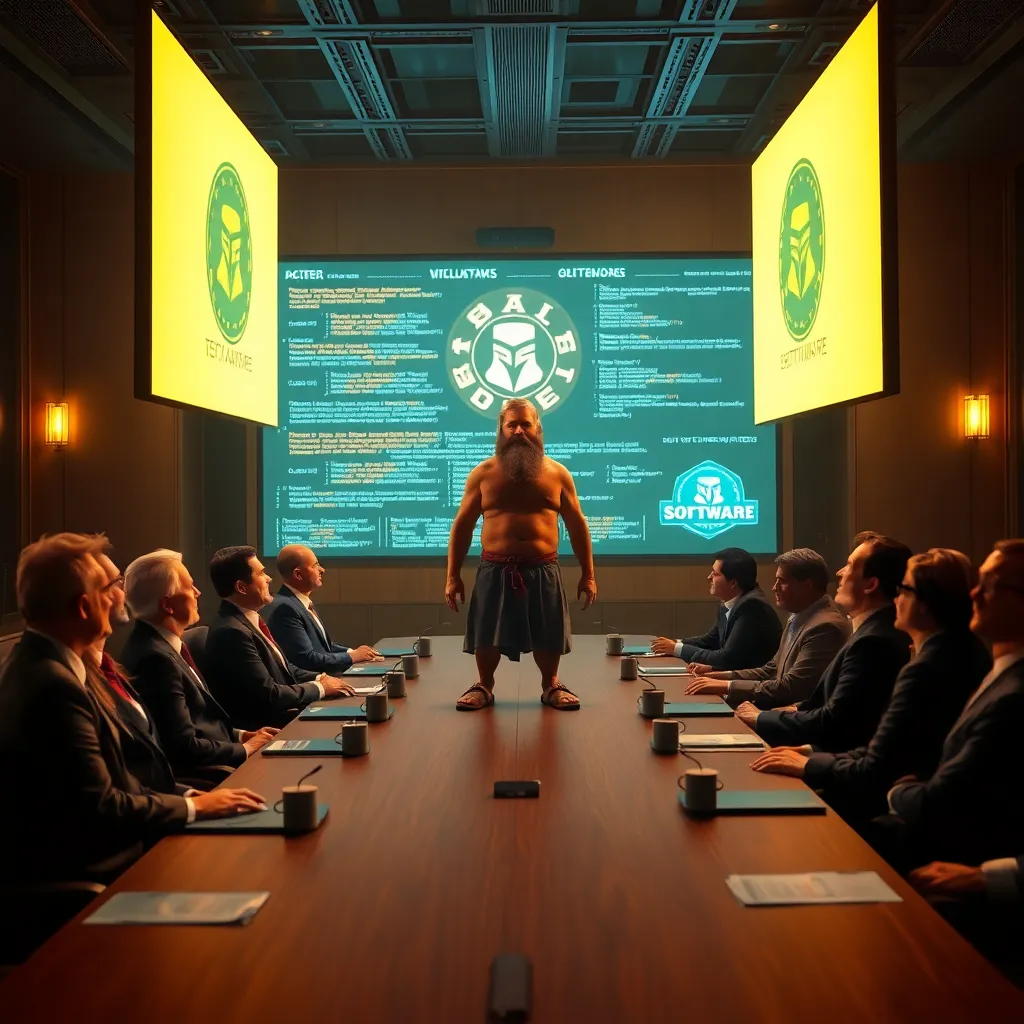
According to internal memos printed on both sides and corrected in red ink, the first act of the new administration was to rename Microsoft Office to "Libre Cubicle Suite, Temporarily," pending a six-hour debate over whether the word "suite" implied lock-in. Windows itself is expected to undergo immediate changes. The Start menu will remain, but clicking it will now first open a short essay asking whether users have considered the ethical implications of clicking things merely because they are glossy.
Several familiar products are being overhauled. Microsoft Teams has reportedly been transformed into a command-line utility that allows colleagues to send each other plain text messages such as "meeting unnecessary" and "document attached in morally acceptable format." PowerPoint has been placed under review after leadership concluded that animations encouraging bullet points to fly in from the left constitute "a troubling spectacle of proprietary theater."
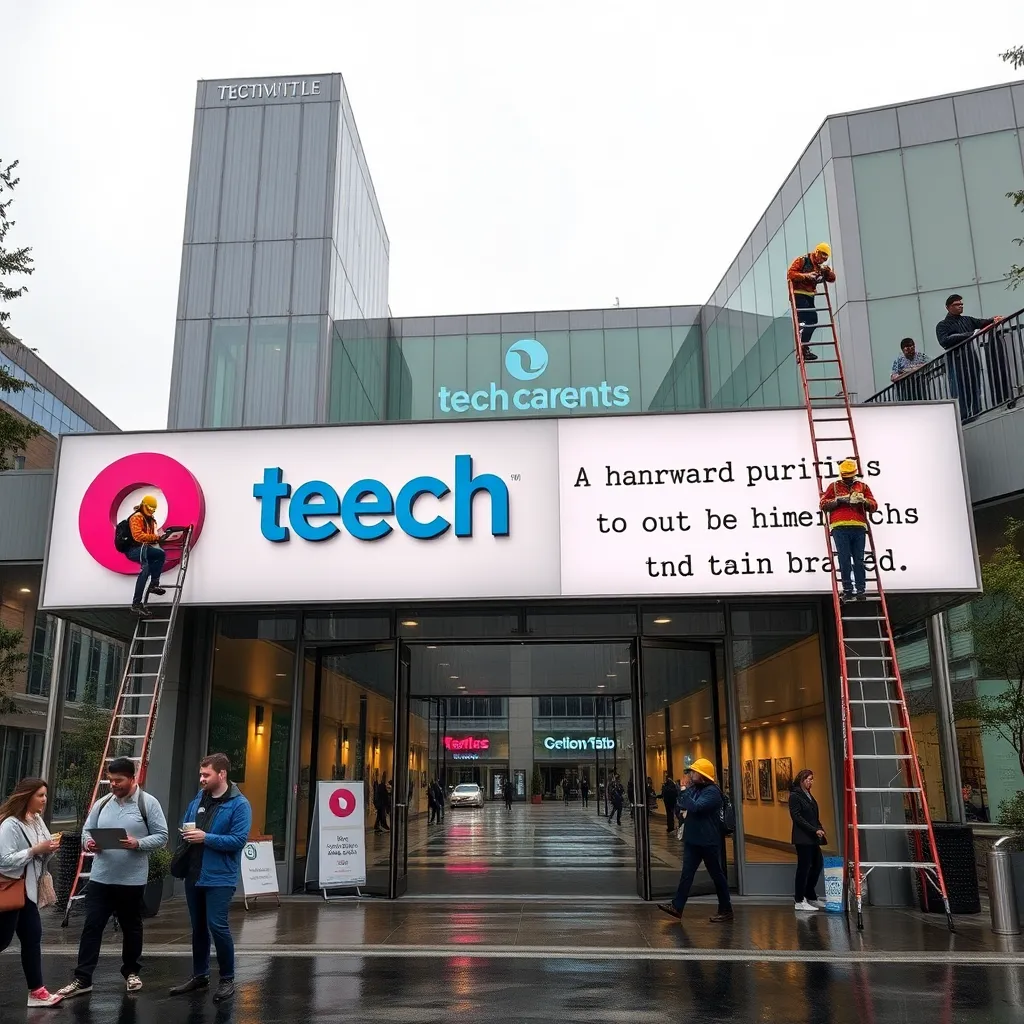
At the company's Redmond campus, signage crews worked through the afternoon replacing slogans with more specific instructions. "Think Different" was briefly installed by mistake, removed, and then replaced with "Think Carefully, Then Share Source." The visitor center gift shop has already been updated. Plush mascots are out. Spools of ethically documented extension cords are in. A commemorative mug reading I Survived The License Audit And All I Got Was This Corrective Understanding sold out before lunch.
Engineers report that the mood inside the company is "tense, earnest, and weirdly educational." One developer said she entered a meeting expecting a roadmap discussion and emerged three hours later with a revised kernel philosophy, a lentil recipe, and a request to stop saying "ecosystem" unless referring to an actual wetland. Another employee claimed the CEO now opens earnings calls by asking investors to define "ownership" and then waiting silently until at least two hedge fund managers become visibly uncomfortable.
The biggest immediate shock came from the Xbox division, where a sweeping reform package is already underway. Consoles may soon boot into a screen that asks users whether they wish to play a game, inspect the source, or reflect privately on the historical relationship between entertainment and digital restrictions management. A prototype of the next console, tentatively titled the XGNU, is said to emit no fan noise whatsoever, replacing it with a calm voice reminding players that true immersion begins with inspectable code.
Meanwhile, Clippy has made an unexpected return under the new regime. No longer a cheerful paperclip, the assistant has reportedly been redesigned as a severe, highly informed silver staple named "Licippy." It appears whenever users attempt to save a file in a closed format and says, "It looks like you're trying to betray future generations." Early user testing found this "annoying, but difficult to refute."
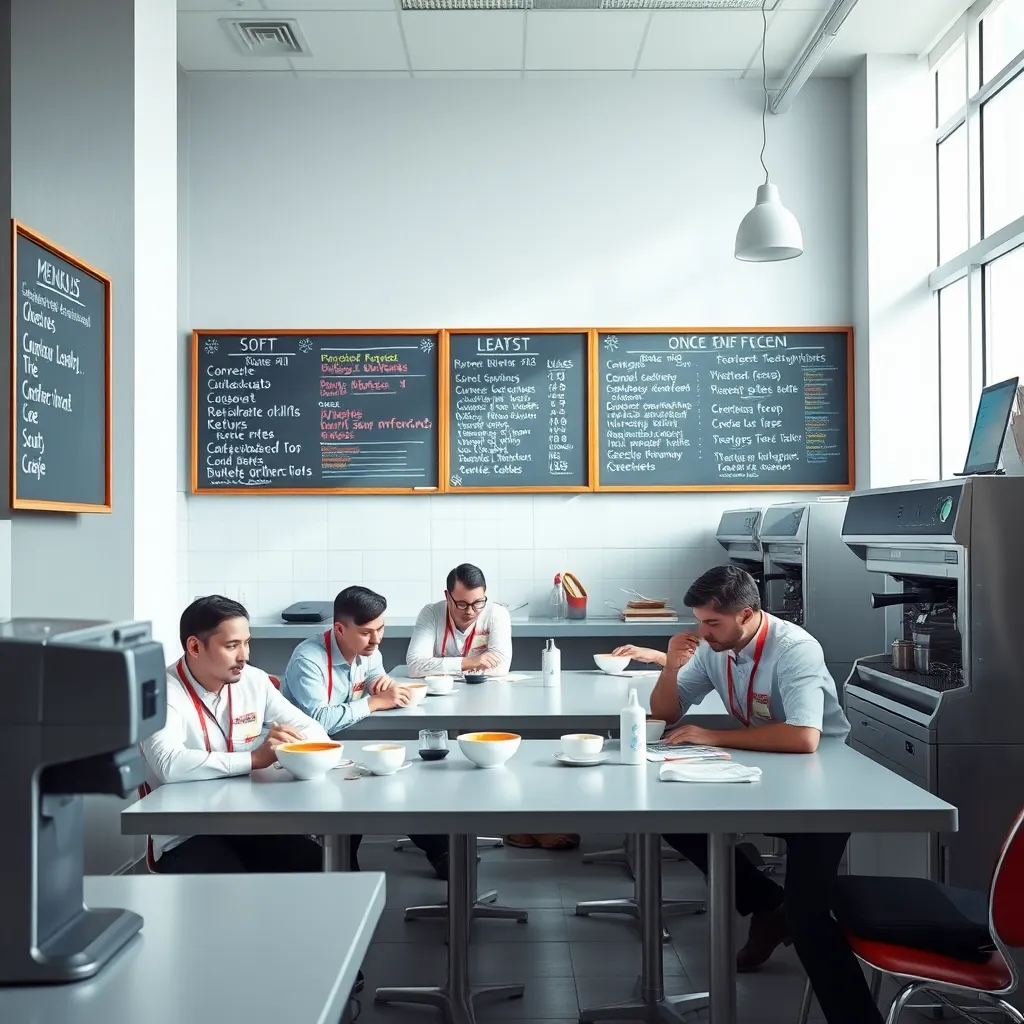
Even the cafeteria has not escaped reform. Employees arriving for lunch found the old menu replaced with a chalkboard listing "community-maintained stew," "forkable salad," and "version-controlled chickpeas." Sources confirm the soft-serve machine has been disabled after executives failed to produce documentation proving it could be modified by the public.
Financial markets responded with the sort of grace usually associated with a shopping cart hitting black ice. Microsoft stock first dipped, then rose, then began behaving in what analysts called "a deeply conceptual manner." One investment bank issued a note warning clients that standard valuation models do not account for "a CEO who may replace cloud subscriptions with a strongly worded pamphlet and a folder of install media."
Industry rivals are said to be monitoring events closely. Apple reportedly held a closed-door meeting lasting four minutes, during which everyone stared silently out the window and tightened their turtlenecks. Google, for its part, is believed to have launched three task forces, two ethics initiatives, and one experimental moonshot to determine whether corporate governance can be disrupted by a man entering a building and simply being more correct than everyone else for long enough.
At press time, Microsoft employees were adapting to their new reality with the brittle optimism of people who have just learned that all printers must now justify themselves philosophically before use. The company insists business operations remain stable, although tomorrow's scheduled product showcase has been retitled An Afternoon of Software Regret, Renewal, and Selective Uninstallation. Attendees are advised to arrive early, bring their own adapters, and prepare to be asked who truly controls their toaster.