Nation Gripped by Letter “A” After It Arrives Early and Refuses to Explain Itself
In a development linguists are calling “deeply administrative,” the letter A appeared nationwide this morning several hours before the rest of the alphabet and immediately began occupying premium conversational real estate.
Witnesses reported seeing A standing confidently at the front of words, leaning against ladders, and somehow already halfway through an avocado before anyone had officially invited it to breakfast. By 8:15 a.m., queues had formed outside municipal buildings as residents attempted to determine whether A was a vowel, a grade, a blood type, an article, or “that one noise people make when opening emails they should not have opened.”
Officials urged calm, noting that the country has “successfully managed letters before,” though privately several admitted that A has “an energy that suggests upper management.”
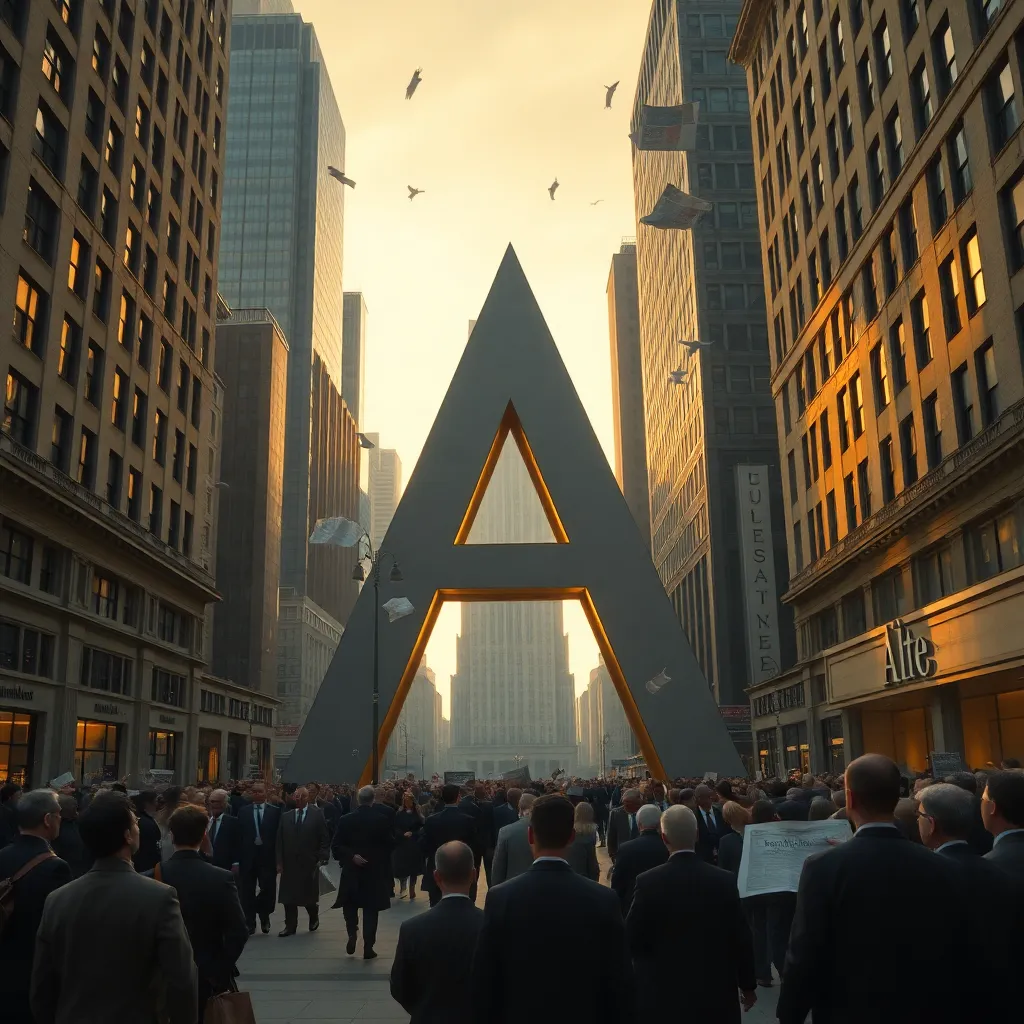
The Ministry of Language held an emergency briefing in which a spokesperson stood before a chart labeled Alphabet Preparedness Framework and confirmed that A had not filed the customary paperwork. “We normally receive notice when a letter intends to lead so aggressively,” she said, shuffling several blank folders for effect. “Instead it simply arrived, took the first position, and began behaving as though this had all been settled centuries ago.”
Matters escalated when A entered the education sector. Teachers reported that students instantly became more ambitious merely by proximity. One schoolboy submitted a history essay titled A and received full marks on the grounds that it displayed “clarity, confidence, and excellent margins.” Elsewhere, anxious parents accused A of setting unrealistic expectations by continuing to mean “excellent” while also insisting on appearing in “average.”
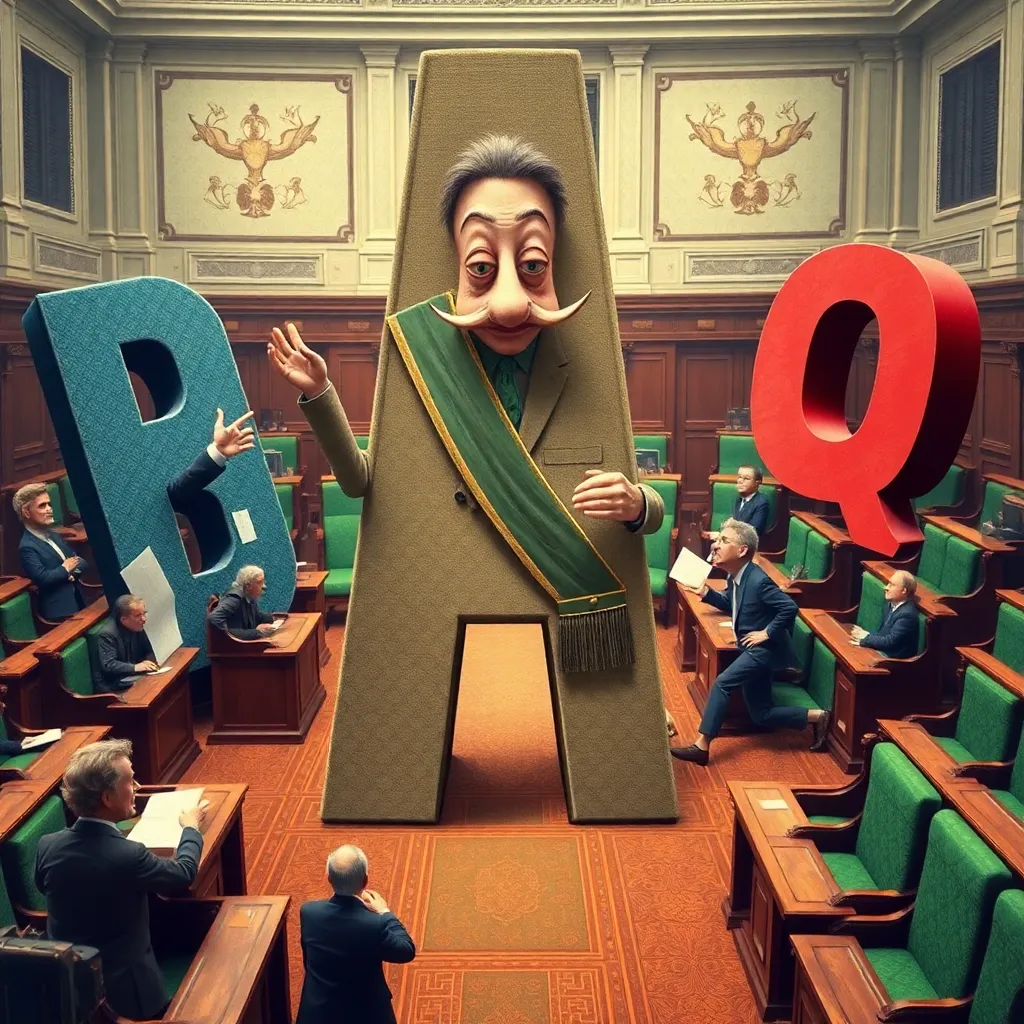
Economists, meanwhile, warned of market disruption. Shares in apples, apricots, and artisanal almond enterprises surged after investors concluded that any commodity beginning with A was now “strategically aligned with the future.” By midday, rival consonants had complained of favoritism. B issued a terse statement calling for “a fairer distribution of alphabetical opportunity,” while Q was reportedly found pacing near a hedge and muttering about structural bias.
Social life has also been transformed. Dating apps introduced a premium filter allowing users to search for “partners with strong opening-letter potential,” causing a flood of profiles such as Amelia, Aaron, and a suspicious number of people legally renaming themselves “Aaaaaidan.” Restaurants, sensing momentum, redesigned menus to feature aggressive alliteration. Diners can now enjoy aspirational asparagus amuse-bouches served with audited aioli in an atmosphere described by management as “alphabet-forward.”
Not everyone is pleased. A coalition of exhausted copy editors assembled outside the National Archive carrying signs reading ALL LETTERS MATTER and STOP THE HIERARCHY OF SHAPES. Their spokesperson warned that if A continues monopolizing headlines, language could collapse into a simple system of escalating screams and excellent report cards.
In culture, the effects have been impossible to ignore. Pop stars have begun replacing entire choruses with a single sustained “Aaa,” which critics have hailed as “the purest expression of the era” and “considerably better than the previous album.” Museums have mounted retrospective exhibitions dedicated to triangular objects, ladders, roofs, and anything else vaguely resembling A. One installation consists of a tent in a white room, accompanied by a plaque that reads: Early confidence.

Religious scholars have entered the discussion cautiously, observing that beginnings have always attracted attention and funding. “There is something ancient in humanity’s need to place one thing before all others and then act surprised when it becomes insufferable,” said one professor, adjusting spectacles beneath a stained-glass window that looked, in this context, suspiciously alphabetical.
Late this afternoon, A released a brief public statement consisting entirely of itself, printed once in bold on cream stationery. Analysts called the message “clear,” “market-moving,” and “a touch arrogant.” A panel convened on national television for three hours to debate its meaning before concluding that A likely intends to continue being A, which several participants described as “the most on-brand outcome.”
As evening fell, residents were advised to remain indoors unless absolutely necessary, particularly near dictionaries, school assemblies, or fruit sections. Emergency services confirmed they are prepared if additional letters arrive, though one senior official admitted there is concern about what might happen if E brings a presentation.
For now, the nation waits, alert and slightly italicized, while A occupies the skyline, the curriculum, and a suspicious amount of shelf space in premium grocery stores. Whether it is a sign of a new linguistic order or merely another overconfident symbol with excellent posture remains unclear.
What is certain is that by tomorrow morning, millions will wake, open their mouths, and find that the first thing out is exactly what A wanted all along.