Aerospace Engineers Discover New Planet, Immediately Name It “Ember” After “Extremely Productive” Sherry Tasting
CAPE CANAVERAL, FL — In a breakthrough that astronomers are calling “statistically inevitable” and aerospace engineers are calling “a lovely finish with notes of oak,” a team of aerospace engineers has announced the discovery of a previously unknown exoplanet and, in what experts describe as a refreshingly honest departure from the usual naming conventions, have christened it Ember—in tribute to an “unexpectedly enjoyable” sherry tasting that took place moments before the discovery was confirmed.
The planet, located several hundred light-years away in a region of space previously thought to contain “mostly dust, disappointment, and older PowerPoint decks,” was initially detected after engineers ran a standard sweep of transit data and noticed a repeating dip in starlight consistent with an orbiting body.
It was only after the engineers celebrated a successful calibration test with a small, tasteful sherry tasting—described in the official report as “strictly procedural”—that the signal was identified as definitely a planet and not, as initially suspected, “a ghost in the spreadsheet” or “Todd’s filter settings again.”
“We Didn’t Mean to Find a Planet, We Were Just Trying to Fix a Graph”
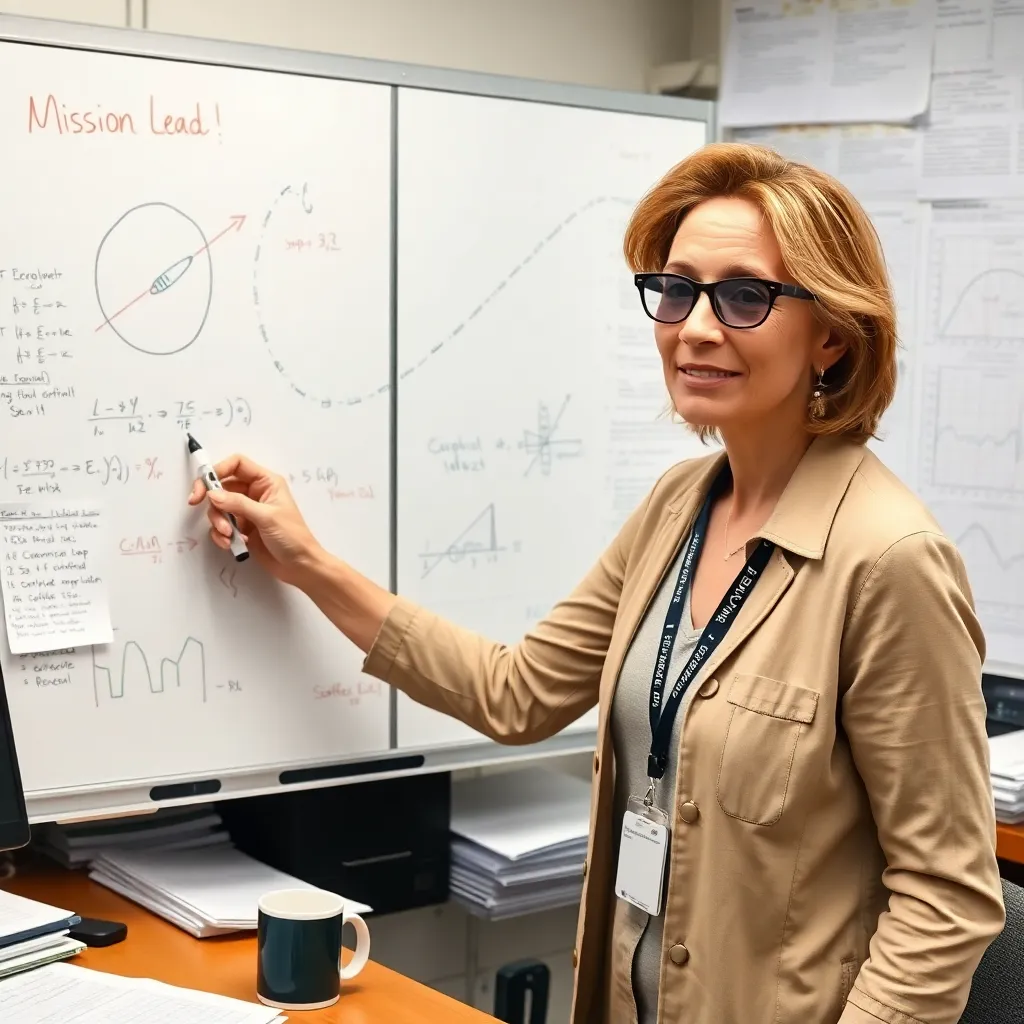
According to mission lead Dr. Marla Henders, the team had been working late when a colleague produced a bottle of sherry “as a morale initiative,” which is apparently the aerospace equivalent of adding a motivational quote to the bottom of an email signature.
“Look, we weren’t hunting planets,” Henders explained while pointing to a whiteboard covered in equations, diagrams, and a doodle of a rocket wearing sunglasses. “We were trying to debug a routine that kept identifying my coffee mug as a near-Earth object. Then we had a little sherry tasting, and suddenly the data looked… friendlier. More cooperative. Like it wanted to be discovered.”
Henders clarified that the sherry was not consumed in quantities large enough to compromise judgment, though she acknowledged that the engineers’ definition of “compromised judgment” is “naming a planet ‘Sherry McSherryface,’ which we did briefly consider.”
The Planet: Mysterious, Distant, and Named Like a Seasonal Cocktail
Preliminary observations suggest Ember may be a rocky world with a tenuous atmosphere, moderate surface temperatures, and an orbit that makes it “technically interesting,” which engineers believe is the highest compliment a celestial body can receive.
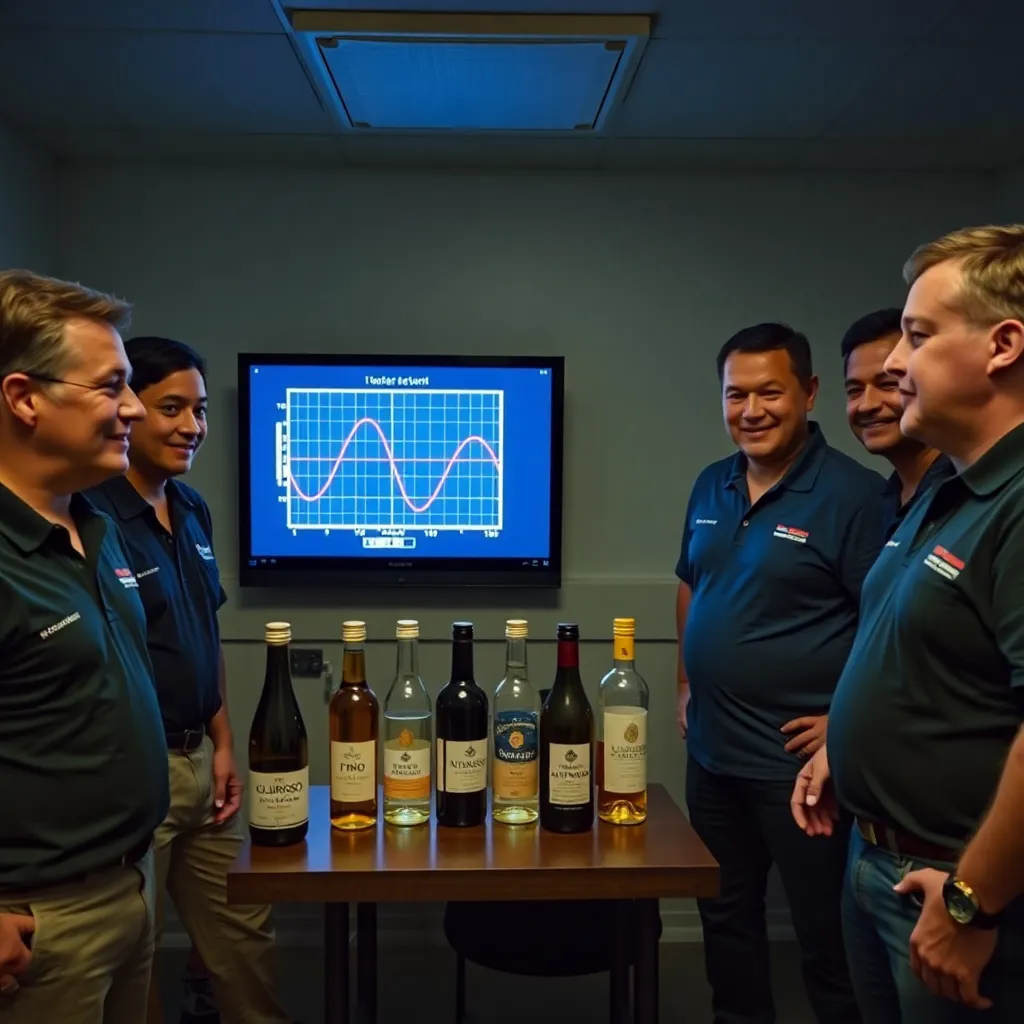
At a press briefing, aerospace systems engineer Calvin Price described Ember as “a small, dignified planet, like a reliable component that never fails and doesn’t ask for a new budget every quarter.”
“It has a warm signature,” Price said. “Not in a ‘habitable paradise’ way necessarily. More in a ‘the graph glowed slightly, and we all got emotional’ kind of way. Like embers. Like sherry. You see? It’s science.”
When asked whether Ember might support life, Price paused for a long moment before answering with the careful neutrality of someone who has been burned by optimism.
“It could support life,” he said. “Or it could support rocks. Either way, it’s doing its best.”
The Sherry That Changed Everything
Sources confirm the sherry tasting was organized after the team met a project milestone, though skeptics point out that aerospace engineers tend to declare “milestones” at any point where nothing is actively on fire.
The tasting included several varieties, from dry fino to oloroso, and at least one bottle described as “surprisingly aggressive.” One engineer reportedly referred to the flight dynamics model as “silky,” though it remains unclear whether this comment was about the sherry or the simulation.
“It was responsible,” insisted quality assurance lead Rina Patel, who confirmed that the tasting followed strict lab guidelines, including:
No sherry within three feet of mission hardware
No sherry near the “DO NOT TOUCH” instrument that everyone touches
No naming conventions proposed after the third sip
And an emergency protocol in which any engineer using the phrase “what if we just send it” is immediately assigned to documentation duty

Patel added that Ember was chosen as a name specifically because it sounded “poetic” but not “like a scented candle.”
“Engineers are people too,” she said. “We can have romance. We just prefer it with error bars.”
Astronomers Horrified to Learn Engineers Are Naming Things Now
The astronomical community has responded with a mix of enthusiasm and subdued panic, concerned that allowing aerospace engineers to name planets could lead to a wave of new discoveries called “Bolt,” “Bracket,” “Rev B,” and “Final_Final2_ActuallyFinal.”
“This is not how naming is supposed to work,” complained one astronomer, speaking on condition of anonymity from behind a stack of star catalogs. “Planets should be named after mythological deities, ancient heroes, or at the very least something with a Latin root that makes graduate students feel inferior.”
The engineers countered that mythological names are “overused,” “hard to spell,” and “not sufficiently descriptive of how a planet makes you feel after a good fortified wine.”
In an apparent attempt at compromise, one researcher suggested the full designation Ember-1 (Oloroso Prime), but the International Astronomical Union has yet to comment, possibly because it is still looking for a way to veto the idea without appearing anti-sherry.
A New Era of Discovery, Powered by Curiosity and Lightly Fortified Wine
Despite the controversy, the team insists the discovery is legitimate and the name is fitting.
“Space is full of mysteries,” said Dr. Henders. “And sometimes the key to unlocking those mysteries is perseverance, teamwork, and a beverage that tastes like a haunted library in the best way.”
Henders concluded by emphasizing that Ember represents the limitless potential of human exploration—and the equally limitless potential of engineers to find meaning in any sensory experience, including tasting notes.
“We looked into the darkness,” she said. “We saw a faint, persistent glow. We said, ‘That’s not noise.’ And then someone said, ‘This sherry has a warm finish.’ And we all agreed the universe was trying to tell us something.”
Next Steps: Confirm the Planet, Study Its Atmosphere, and Pair It With Cheese
The team plans to conduct further observations to determine Ember’s composition, atmosphere, and potential for hosting life—or at least hosting a very quiet retirement community for lonely probes.
There are also unconfirmed reports that the engineers are scheduling another tasting in “strictly scientific” support of future discoveries.
Asked what they would name the next planet, the team exchanged glances and smiled with the cautious excitement of people who have realized they can influence the cosmos with their office snack budget.
“We’re not saying anything yet,” said Patel. “But if the next one looks a little… citrusy? We have ideas.”
For now, Ember remains what it has always been in the brief time humanity has known it: a small, distant world, drifting through space—named not for a god, nor a king, nor an ancient legend, but for the moment a group of exhausted engineers discovered that sometimes, between the numbers and the noise, the universe has a warm, glowing finish.