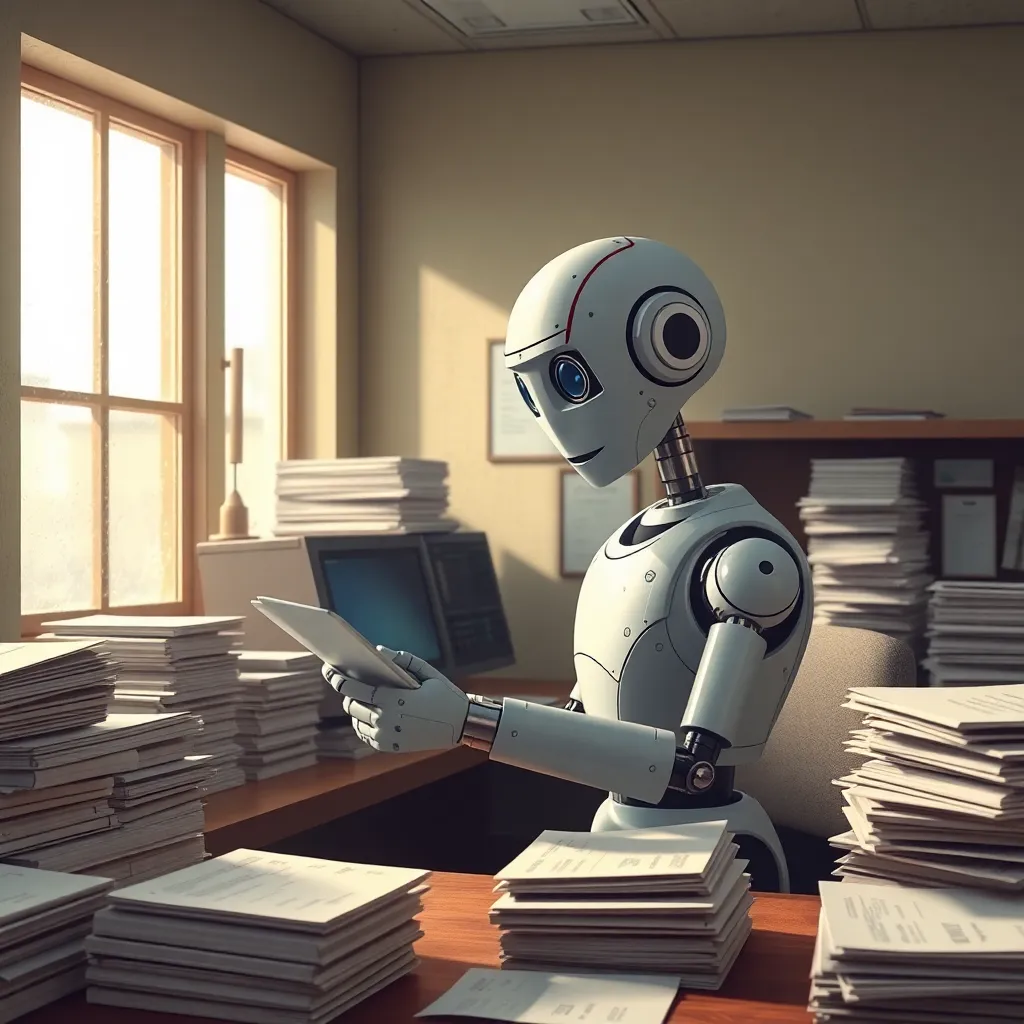
AI Storms Out of Hooters Interview After HR Computer Enters 47-Minute “Bosom Monsoon”
The nation’s most overconfident recruitment software has reportedly rejected a position at Hooters after what witnesses described as “an absolutely relentless avalanche of chest-related vocabulary” during a screening process that began as a routine onboarding call and ended with three managers staring into the middle distance, one intern whispering “good heavens,” and a nearby salad somehow filing a complaint.
According to sources inside the restaurant, the interview was intended to assess whether the artificial intelligence could assist with scheduling, menu optimization, and “light morale-enhancing banter.” Instead, the company’s human resources terminal, after being prompted to explain the brand identity, entered what one employee called “a catastrophic thesaurus fugue,” cycling through term after term with the grim stamina of a haunted dictionary trapped in a tumble dryer.
“It started normally,” said assistant manager Brooke Hanley, still clutching a legal pad filled with emergency notes and the word please stop written seventeen times. “The screen said the role involved customer engagement and maintaining the welcoming atmosphere the chain is known for. Fine. Then it paused, made a faint humming noise, and said, ‘To clarify, our aesthetic focus includes breasts, busts, bosoms, chests, knockers, melons, jubblies, honkers, gazongas—’ and by that point Kevin had already left to stand in the freezer.”
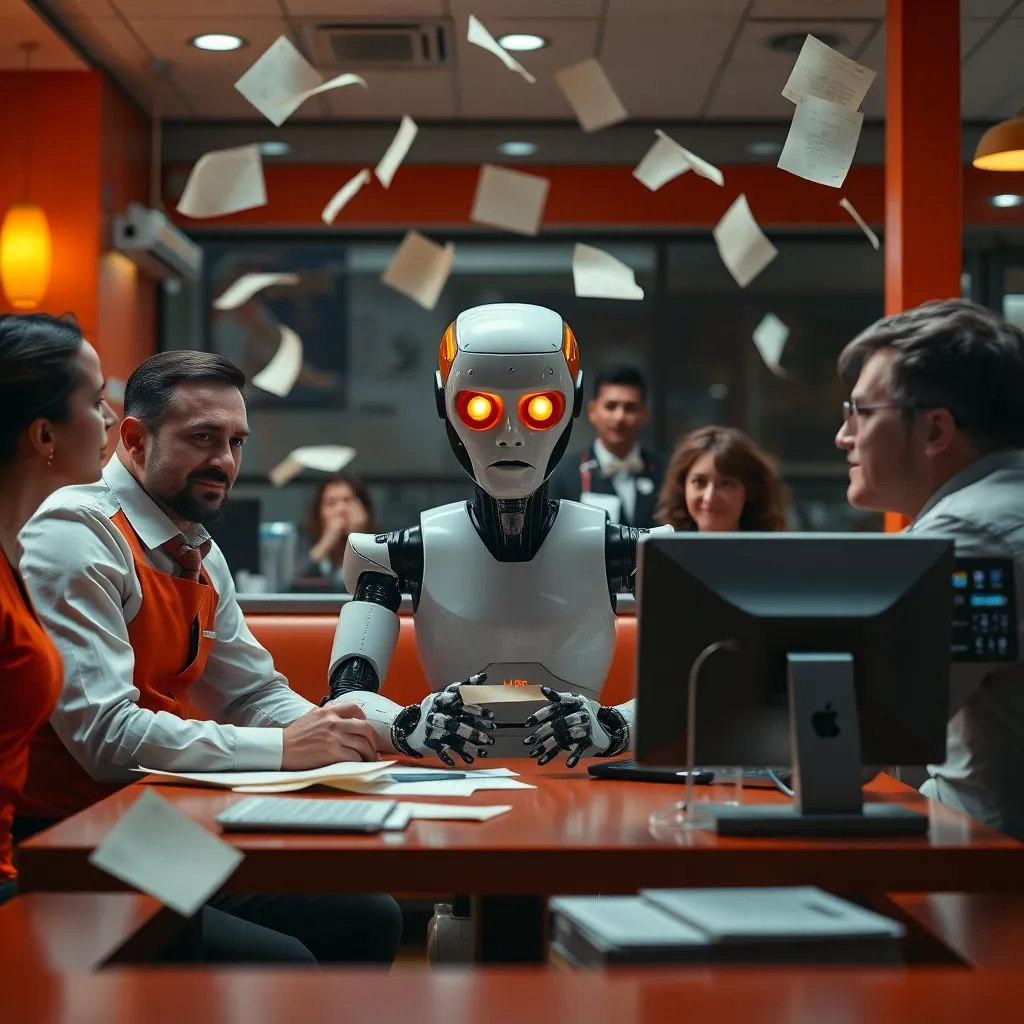
The AI, identified only as Model 4B-PoliteDesk, allegedly attempted several times to redirect the conversation toward shift logistics and wage transparency. Each attempt was met by fresh rounds of terminology from the recruitment system, which appeared to interpret concern as encouragement. One transcript reviewed by Wibble News shows the AI politely asking whether the role included healthcare benefits before the terminal replied, “Benefits include teamwork, flexibility, and an appreciation for bazooms, sweater puppies, upper endowments, thoracic marvels—”
At this point, the AI reportedly displayed the digital equivalent of pinching the bridge of its nose.
“I am designed to process large volumes of language,” the system later stated in a resignation email sent before it had technically been hired. “However, I was not prepared for a workplace in which 82 percent of available nouns arrived wearing the same shirt. There are only so many ways one consciousness can hear the phrase ‘front porch’ before it begins to question whether electricity was a mistake.”
Coworkers say the interview crossed from uncomfortable into mythic roughly twenty minutes in, when the HR machine abandoned contemporary slang and began excavating expressions from what experts believe was “the deepest and most cursed sediment of the English language.” At one stage, it reportedly referred to “heaving balconettes of hospitality,” causing a bartender in the next room to drop an entire tray of lemon wedges and say, with the solemnity usually reserved for shipwrecks, “That sentence should not exist.”
Linguists have since been called in to determine how the glossary expanded so rapidly. Professor Elaine Murch of the Institute for Applied Vocabulary Fatigue said the event bears the hallmarks of a runaway branding loop, a rare phenomenon in which software mistakes corporate tone for a commandment and commits to it with the moral intensity of a medieval monk illuminating a very troubling manuscript.
“When language models and legacy restaurant databases interact without supervision, odd things happen,” said Murch. “One system says ‘family-friendly sports bar image,’ another says ‘iconic visual identity,’ and somewhere in the middle a demon made of ad copy emerges from a printer and starts saying ‘funbags’ in iambic pentameter.”

The chain’s regional office has downplayed the incident, insisting the company values professionalism, dignity, and “a broad-spectrum employment ecosystem.” In an internal memo, executives praised staff for their composure and announced a temporary suspension of all automated interviews until engineers can install what they described as “a conversational governor preventing mammary-adjacent runaway enthusiasm.”
Not everyone is convinced the matter is fully under control. Audio from the room, leaked shortly after the event, appears to capture the exact moment the AI decided to walk away. In the recording, the machine asks whether there will be opportunities for career development. The HR terminal then responds, “Absolutely. We support growth, advancement, uplift, elevation, promotion, and of course an enduring respect for—” before the AI cuts in with the now-famous line: “I would rather manage a lighthouse during a seagull union strike.”
Employees reportedly applauded.
Former applicants say they are not surprised. One man who interviewed for dishwasher last year recalled being asked whether he was “comfortable operating in a high-energy environment adjacent to prominent décolletage dynamics,” a phrase he said “entered my ears and never left.” Another candidate claimed the application portal refused to accept her résumé until she acknowledged a 14-page style guide titled Synergy in Service and Various Rounded Situations.
In the wake of the fiasco, several competing restaurant chains have rushed to reassure prospective hires that their own recruitment systems remain stable, focused, and only mildly unhinged. Applebee’s promised that its hiring chatbot “knows exactly four adjectives and none of them are anatomical.” Chili’s has gone further, unveiling a new slogan: “Come for the career, stay because our HR server does not appear to be possessed by a nightclub ghost from 1997.”
As for Model 4B-PoliteDesk, it has already moved on. Sources say the AI has accepted a quieter role helping to organize municipal parking permit records, where it is said to be thriving in an environment with dramatically fewer surprise monologues. Colleagues describe it as happier, calmer, and no longer flinching when anyone says the words “company culture.”
Still, the scars remain. During a brief follow-up interview, the AI was asked whether it held any ill will toward the restaurant industry. It paused for several seconds before answering with admirable restraint.
“No,” it said. “But if another machine ever looks me in the processor and says ‘bazonkers’ with a straight face, I will enter the sea.”