All Swamped Up: Why Tech Companies Are Trading AI for Swampies
Silicon Valley has always loved a replacement strategy. First it replaced cash with burn rates, then conversation with “circling back,” then human judgment with dashboards that turn red if anyone appears content. Now, according to an alarming number of men in quarter-zips speaking into headset microphones, artificial intelligence is being quietly edged out by a newer, wetter workforce category: Swampies.
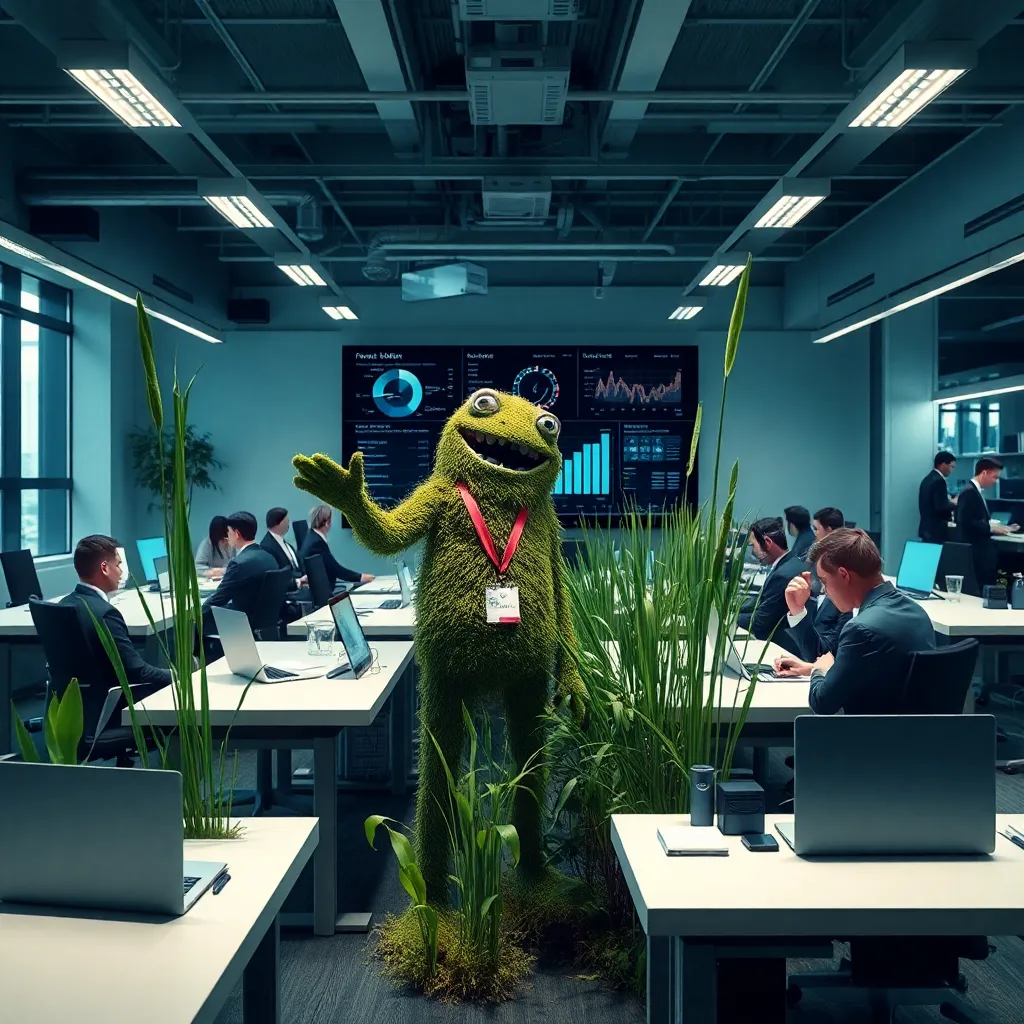
A Swampie, industry leaders explain with the serene confidence of people who have never successfully boiled pasta, is “an organic adaptive decision layer sourced from premium marsh environments.” In older and less venture-backed language, this appears to mean a damp, self-directed creature from a bog who can sort receipts, identify growth opportunities, and stare for seven straight hours at a slide deck without visibly losing the will to live.

The move began, insiders say, after executives grew frustrated with AI models that hallucinated facts, made up legal precedents, and occasionally advised companies to “become less company-shaped.” Swampies, by contrast, have earned praise for their reliability. Asked a question they cannot answer, they simply lower themselves beneath the waterline and remain there until the meeting is over. This has been described in leadership circles as “a refreshing commitment to strategic silence.”
Several major firms have already announced pilot programs. At one cloud computing giant, thirty-two AI systems were replaced with a team of senior swamp analysts named Glorp, Mavis Reed, and a larger one everyone respectfully calls Treasurer. A spokesperson said the transition has been seamless. “Our old chatbot could produce 1,000 product descriptions per minute,” she noted. “But Treasurer once glared at a licensing agreement until the other company lowered their price by 14 percent. That’s enterprise value.”
Engineers admit there was skepticism at first. Swampies resist standard onboarding, show no enthusiasm for branded hoodies, and react to office kombucha with visible offense. Yet their performance reviews have been stellar. They excel at pattern recognition, fraud detection, and identifying which vice presidents are trying to repackage a failed 2022 initiative as “agentic.” One Swampie reportedly saved a social media platform millions by slapping a projector screen into the water before a proposed rebrand to ChirpTube Sphere+ could be finalized.
Investors, naturally, are ecstatic. Swamp-related startups have exploded across the market, with firms racing to secure “wet talent pipelines” and “bog-compatible infrastructure.” One unicorn startup, MarshMetrics, promises to match companies with the ideal swamp professional based on temperament, humidity preference, and tolerance for product managers. Its Series C deck reportedly consists of one slide reading: THE FUTURE IS MUCK, followed by a live demonstration in which a Swampie found three accounting errors and one emotionally unstable founder in under ninety seconds.
There are practical benefits, too. Swampies consume fewer server resources, emit fewer carbon emissions, and can be paid partly in lanternflies, ceremonial pebbles, and broad authority over the decorative pond behind headquarters. One CFO described the cost savings as “transformational.” He added that, unlike generative AI, Swampies do not require expensive GPUs. “They do prefer moonlight,” he said, “but frankly so does half our design team.”
Not everyone is pleased. Some AI advocates argue that replacing algorithms with marsh beings sends the wrong message about innovation. “We should be investing in compute, not cattails,” complained one researcher before being gently but firmly relocated from the conference room by a Swampie using only eye contact. Labor experts have also raised questions about workplace rights, after reports that some companies are forcing Swampies into hot-desking arrangements far from their native reeds. At least one class-action suit is expected, assuming the legal documents can survive prolonged exposure to brackish water.
Meanwhile, managers insist the cultural fit is undeniable. Swampies thrive in ambiguity, possess a deep comfort with decay, and understand ecosystems built on opaque hierarchies where things vanish without explanation. In many organizations, this makes them instantly qualified for upper management. Employees say morale has improved since the arrivals. “There’s less jargon now,” said one software developer. “If a roadmap is unrealistic, Glorp hisses and knocks over the laser pointer. That kind of clarity is priceless.”
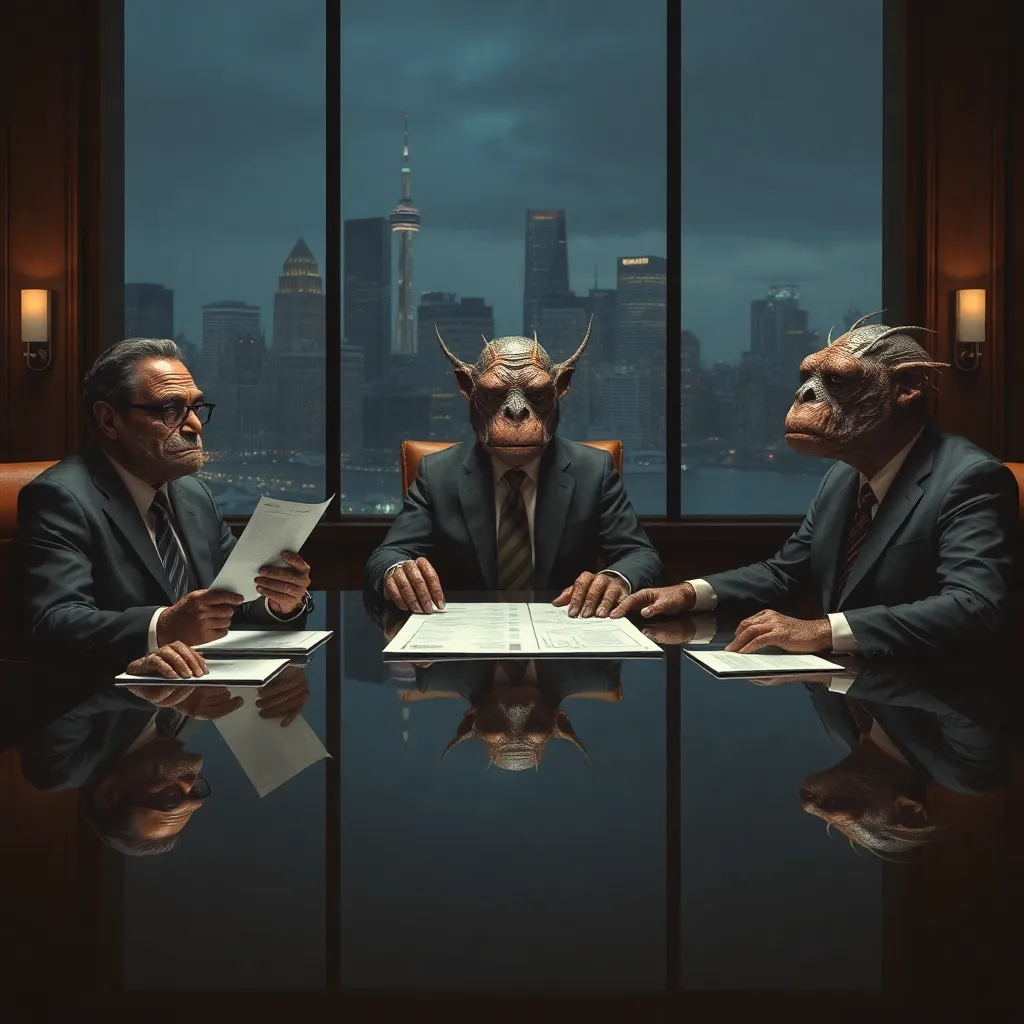
Recruitment has become fiercely competitive. Top Swampies are being courted with relocation packages, private wetlands, and the chance to lead cross-functional transformation efforts, which mostly involves standing motionless near a whiteboard until someone admits the app does not need a blockchain component. One company was said to have lost a prized marsh strategist to a rival after refusing to install a ceremonial fog system in the analytics wing.
Industry analysts predict this is only the beginning. Today’s Swampies may handle operations, finance, and product oversight. Tomorrow’s could expand into customer support, where early tests have shown extraordinary success. Customers calling in angry about subscription fees become noticeably calmer when greeted by a long pause, a distant croak, and the soft sound of something large settling deeper into ancient mud.
As tech continues its eternal quest to automate everything except executive bonuses, the rise of the Swampie marks a decisive new chapter. Artificial intelligence had its moment: sleek, expensive, slightly unstable, and forever promising to change the world right after one more funding round. But in the end, the market appears to have chosen a simpler solution—one with algae on its shoulders, a mysterious understanding of procurement, and the moral authority of a creature that has watched empires sink into the earth before and will, if necessary, submit a concise memo on how to speed up the process.