“RG” Officially Declared Most Useless Letter, Alphabet Enters Period of Loud, Confused Mourning
In a decision described by linguists as “long overdue” and by decorative sign-makers as “financially ruinous,” the International Alphabet Authority has officially declared “rg” the most useless letter in the alphabet, ending centuries of whispered suspicion from schoolchildren, crossword enthusiasts, and people who have never fully trusted the word “large.”
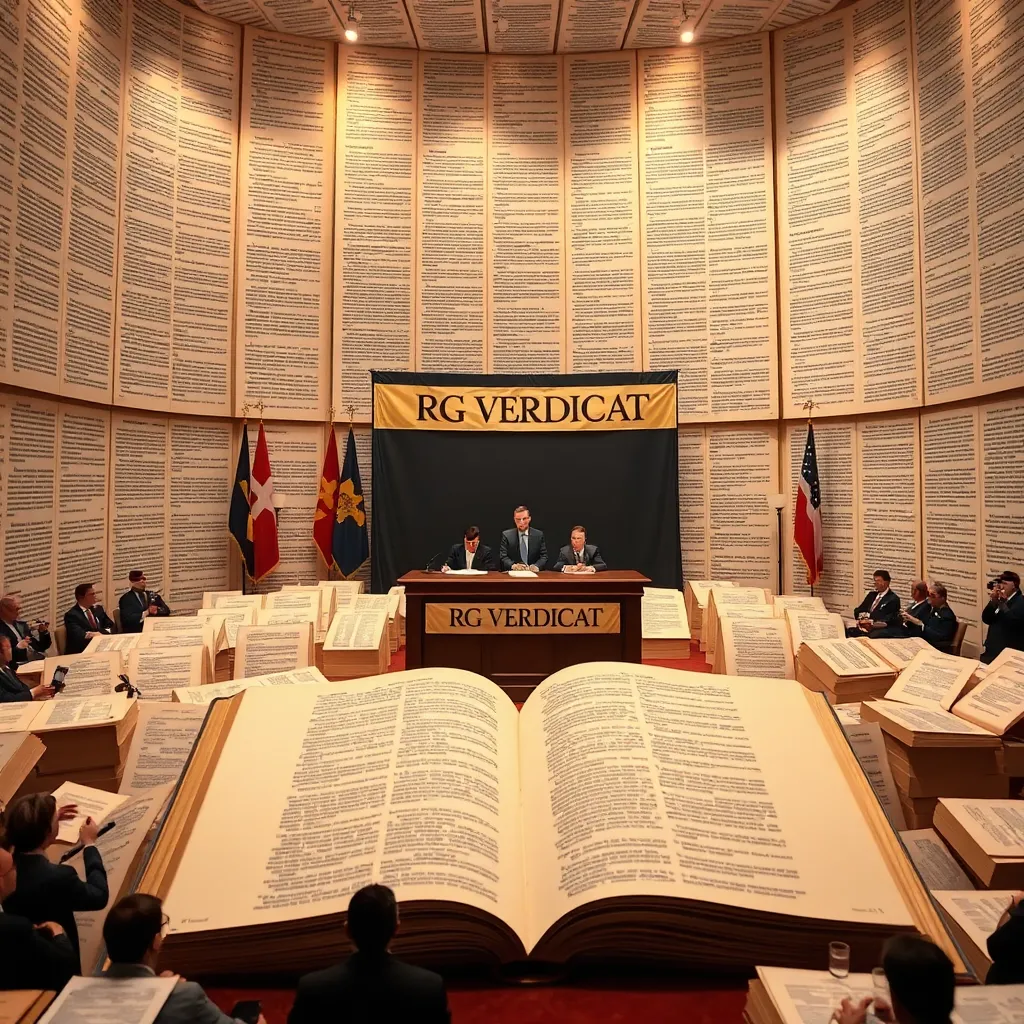
The announcement was made at dawn from a velvet podium shaped like a dictionary, where officials unveiled a 412-page report concluding that “rg” has spent generations lurking at the ends of words, contributing very little besides a vague gravelly feeling in the throat and occasional administrative burden. The report accused “rg” of “coasting on the achievements of more productive letters” and “appearing mainly in words that were already doing fine without it emotionally.”
Witnesses say the room fell silent when Chief Alphabet Commissioner Elaine Crumble adjusted her glasses and read the verdict in full: “After extensive review, public consultation, and one regrettable town hall involving a marching band, we find that ‘rg’ has failed to demonstrate a compelling reason for its continued prestige. It is, in formal terms, an ornamental inconvenience.”
Reaction was swift. Across the country, citizens emerged from homes, offices, and medium-sized garden sheds to process the implications. Several words were seen wandering aimlessly in public, including “large,” “charge,” and “syringe,” each now reportedly struggling with “identity issues” and “a terrible sense of phonetic exposure.”
At a candlelight vigil held in a municipal car park, mourners sang a trembling rendition of the alphabet song, pausing awkwardly where “rg” was believed to have once mattered. One attendee, clutching a foam consonant for comfort, said, “You never think about these things until they’re under review. I looked at the word ‘energy’ this morning and felt nothing but suspicion.”
The campaign against “rg” had been gathering force for years. Critics argued that the pairing had become a dead weight in modern language, appearing mostly in situations where letters “r” and “g” could have simply filed separate paperwork and lived independent, meaningful lives. A leaked memo from the Bureau of Lexical Efficiency described “rg” as “a dusty corridor connecting two rooms no one visits voluntarily.”
Supporters of “rg,” however, insist the letter has been scapegoated for broader failures in the alphabet. “This is political,” said veteran word preservationist Martin Blench, standing beside a homemade placard reading HANDS OFF OUR CLUMSY ENDINGS. “First they came for the semicolon’s dignity. Then cursive went underground. Now they’re humiliating ‘rg.’ What’s next? Are we going to interrogate ‘ph’? Because I assure you, ‘ph’ has been acting superior for years.”
Financial markets responded nervously. Shares in monogram companies plunged as investors feared uncertainty around premium towel embroidery. Meanwhile, makers of educational fridge magnets saw brief gains after parents began stockpiling consonants in anticipation of wider alphabet reforms. In one supermarket, a minor scuffle broke out over a discounted bucket of replacement vowels.
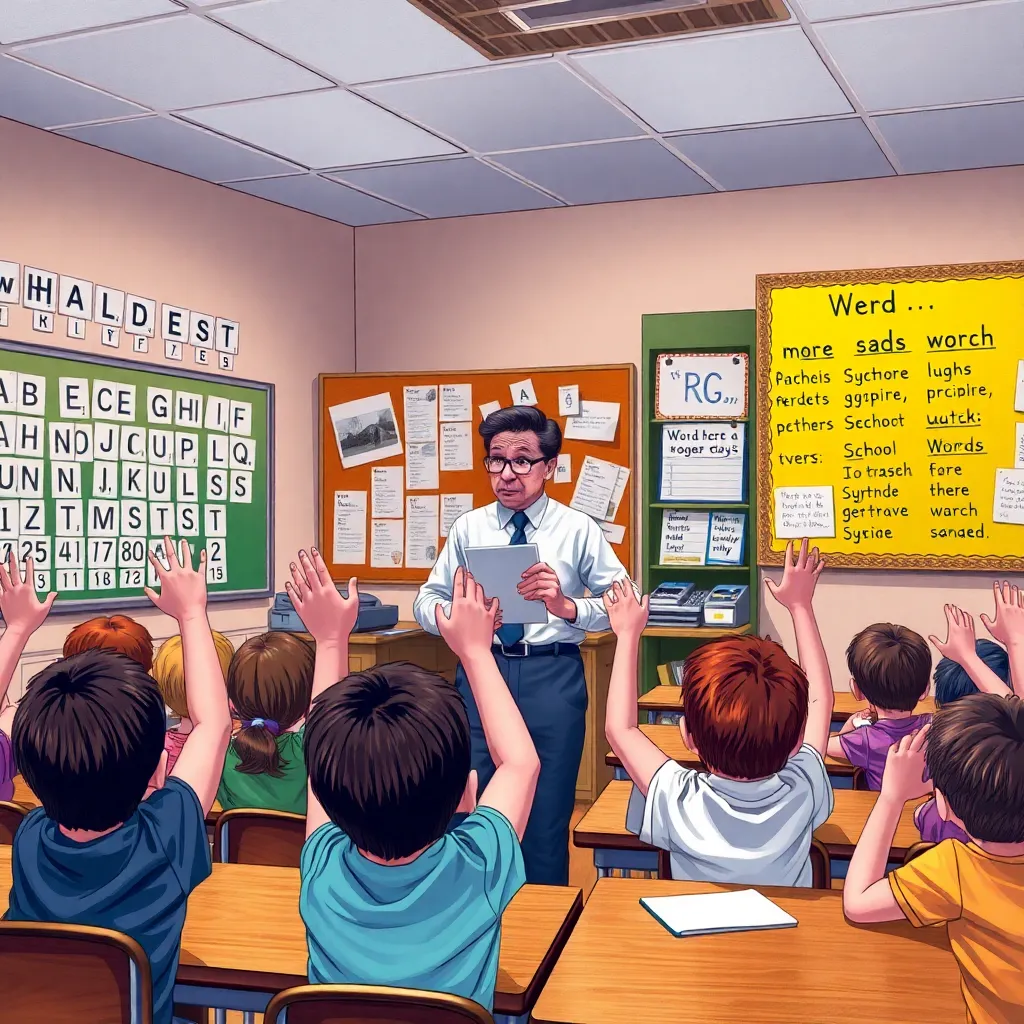
Inside classrooms, the mood was one of procedural chaos. Teachers were instructed to remain calm and avoid “speculative phonics,” but many found themselves overwhelmed by questions. In one primary school, a child reportedly asked, “If ‘rg’ is useless, why did my brother spend six months learning the word ‘argument’?” The teacher sat down immediately and stared out the window for the remainder of the afternoon.
Meanwhile, several major dictionaries have begun emergency revisions. Teams of lexicographers in knitwear were seen carrying stacks of papers between meeting rooms, muttering urgently about “structural fallout” and “whether ‘margarine’ can survive this.” One editor, speaking on condition of anonymity from beneath a collapsing tower of etymology notes, admitted, “We always knew this day might come. Frankly, we were more worried about ‘queue,’ but yes, ‘rg’ has never exactly justified the overhead.”
Social life has already begun to shift. Trend forecasters say dinner party conversation is now almost entirely dominated by whether other letter combinations should face review. “People are being much more candid,” said cultural analyst Priya Voss. “Three years ago, nobody would have dared say ‘mn’ feels smug, or that ‘ough’ is running a psychological operation on the public. Now everyone’s saying it, often before dessert.”
“Rg” itself has not spoken publicly, though sources close to the letter describe it as “hurt, unsurprised, and taking some time in a quiet word at the back of the dictionary.” Neighbors report having seen “rg” late last night loading a cardboard box into a taxi. Items visible inside included a chipped mug, a rolled-up pronunciation guide, and a framed certificate for “Participation in Strong.”
Government officials have urged the public not to panic and emphasized that day-to-day communication will continue. “Essential services remain operational,” a spokesperson said. “People may still say ‘large,’ ‘urgent,’ and ‘allergic’ while transitional arrangements are explored. We ask only that the public avoid abrupt spelling experiments during commuting hours.”
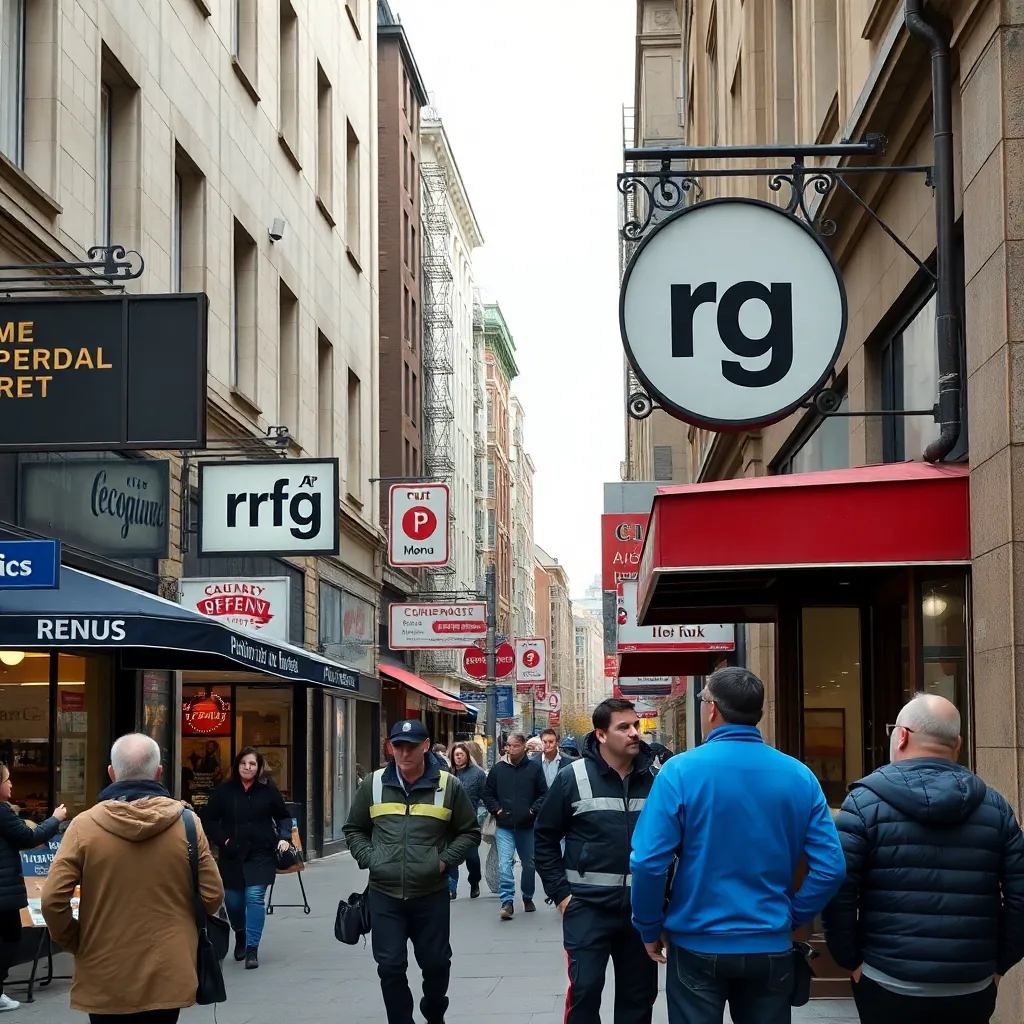
That appeal went largely ignored by lunchtime. Early acts of civilian adaptation have already produced scenes of instability. Restaurant menus now list “lae chips,” “buge,” and “myste soup,” while one regional council has accidentally issued 14,000 parking permits labeled “valid fo all lae vehicles.” Residents have described the new signage as “legible in theory” and “deeply unsettling in the chest.”
Experts warn the true impact may not be felt for months. Without “rg” occupying its traditional place at the tail ends of words, pressure is expected to increase on nearby letters, particularly “n,” which unions say is “already stretched.” Emergency support has been promised for overworked syllables, and a temporary shelter has been established for displaced word endings.
By evening, the debate had reached the highest levels. Parliament held a seven-hour emergency session during which one member demanded to know why “x” continues to enjoy what he called “celebrity treatment despite doing almost no daily labor.” Another called for an independent inquiry into “silent letters living beyond their means.”
For now, the alphabet remains intact, though clearly rattled. “A line has been crossed,” said one retired librarian, standing in the drizzle with the solemn expression of a woman who has seen too many reference sections downsized. “Today it’s ‘rg.’ Tomorrow they’ll start asking difficult questions about ‘y.’ And frankly, ‘y’ has never looked innocent to me.”
As night fell, floodlights illuminated the giant ceremonial alphabet outside the National Museum of Letters. Workers quietly draped a black cloth over the section where “rg” had once been symbolically acknowledged as a functioning participant in written civilization. A small crowd stood watching in silence as the fabric settled into place.
Then, from somewhere near the back, a lone voice rang out into the dark:
“What about ‘blr’?”
Authorities have confirmed they are looking into it.