Nation Gripped as Man Interrupts Scheduled Programming to Stress Vital Role of Interrupting Scheduled Programming
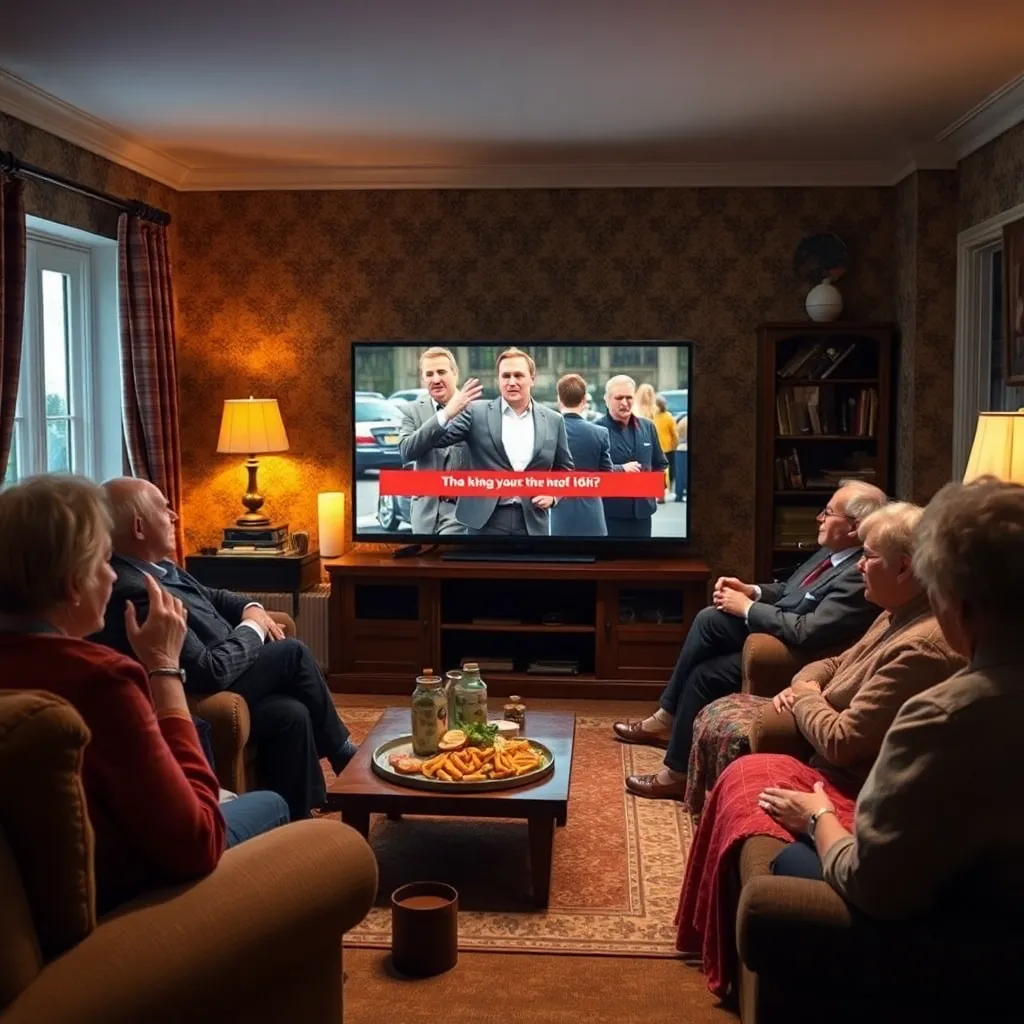
At 7:03 p.m. last night, viewers expecting the third consecutive episode of Harbor Cops: Inland Unit were instead confronted by a man in a charcoal blazer, a tie of grim authority, and the unmistakable expression of someone about to become history’s loudest footnote. He appeared against a blue backdrop bearing the words “SPECIAL INTERRUPTION” and announced, with the calm urgency usually reserved for asteroid trajectories and royal corgi shortages, that he had interrupted the scheduled programming in order to deliver an important message about the importance of scheduled programming interruptions.
The nation, already seated in various degrees of recline, froze in a synchronized posture of suspicion. Families paused mid-crisp. Pubs lowered their ambient muttering by a full notch. One grandfather in Doncaster reportedly pointed at the screen and whispered, “At last, someone has said it.”
According to the man, whose official title remains unclear but whose confidence was described by witnesses as “licensed,” interruptions are not merely breaks in content but “the civic punctuation marks of a functioning society.” Without them, he warned, the public would drift helplessly from quiz show to renovation series to deeply emotional singing competition without ever being informed that weather exists, roads occasionally become decorative rivers, or a minister has resigned due to “administrative jazz.”

The address, lasting six minutes and twenty-one seconds, interrupted not only the scheduled program but also an advert break previewing a later interruption concerning roadworks, creating what experts are calling “a recursion event.” Several media scholars emerged overnight from universities carrying legal pads and the glazed expression of people who have been accidentally handed purpose. By dawn, three institutes had launched emergency panels on “meta-broadcast necessity,” while one lecturer on visual culture resigned after muttering, “The interruption has become the program; the program always wanted this.”
Government officials were quick to respond. The Department for National Timing praised the intervention as “timely, despite being deliberately mistimed,” and confirmed that it is reviewing whether future interruptions should be announced in advance by a short scheduled interruption explaining that an unscheduled interruption may be forthcoming. “People deserve clarity,” said one spokesperson, while standing in front of a chart with several arrows pointing into the word “NOTICE.”
On the streets, reaction was divided but deeply theatrical. In Leeds, one woman told reporters she supported interruptions “in principle” but felt they had become too polished. “In my day, if a man interrupted your television, he looked haunted, badly lit, and vaguely military. Now they’ve got graphics.” In Croydon, a self-described interruption traditionalist held a placard reading LET BROADCAST PANIC BE ORGANIC. Nearby, a younger counter-protester waved a banner saying NO INTERRUPTION WITHOUT REPRESENTATION.
Industry insiders say the man’s statement may mark a turning point in national broadcasting. For years, interruptions have lived in a strange constitutional fog: adored when urgent, resented when lengthy, and instantly mythologized when accompanied by a map. But by interrupting ordinary content simply to champion interruption itself, the mystery figure has forced the public to confront a question once considered too dangerous for breakfast television: if interruptions are so important, why have they been left to moments of actual relevance?
Broadcasters are said to be scrambling. Internal memos leaked from at least two major networks reveal plans for a slate of new content built around the concept. Proposed titles include Interruptor Factor, Who Wants to Pause a Millionaire?, and a prestige Sunday drama called Briefly, We Cut Away. One channel has reportedly commissioned a panel show in which comedians are interrupted before delivering punchlines, allowing viewers to enjoy the pure administrative skeleton of entertainment without the clutter of payoff.
Meanwhile, the man at the center of the event has vanished back into the upholstered machinery of public life. No social media accounts have been definitively linked to him, though one profile featuring a default silhouette and the bio “timing is everything” is under review. A neighbor thought to live near him described hearing “measured footsteps” and “the opening bars of several theme tunes stopping abruptly.”
Opposition parties have demanded answers. “Who authorized this interruption? What standards were followed? Was there a queue?” asked one MP this morning, flanked by aides who looked interrupted in spirit. Others have gone further, calling for an independent review into whether the interruption should itself have been interrupted by someone explaining that while interruptions are indeed important, there are protocols around discussing their importance during active interruption windows.
Not everyone is convinced. A pressure group calling itself Viewers for Continuous Viewing insisted the public has had enough. In a statement read uninterrupted for twelve full minutes, the group argued that the sanctity of scheduled programming must be protected from what it called “performative urgency” and “agenda-driven pausing.” The statement was later cut short by an emergency bulletin about its own excessive length.
Economists, sensing a microphone, have also entered the debate. Some believe the interruption economy could become one of the nation’s strongest growth sectors by 2027, especially if bundled with premium alerts and subscription-based forewarnings. “There’s enormous market confidence in managed disruption,” said one analyst, adjusting spectacles with the solemn delight of a man discovering invoices in the wild. “People want to be stopped. They just want to know it’s worth it, and if possible, sponsored.”
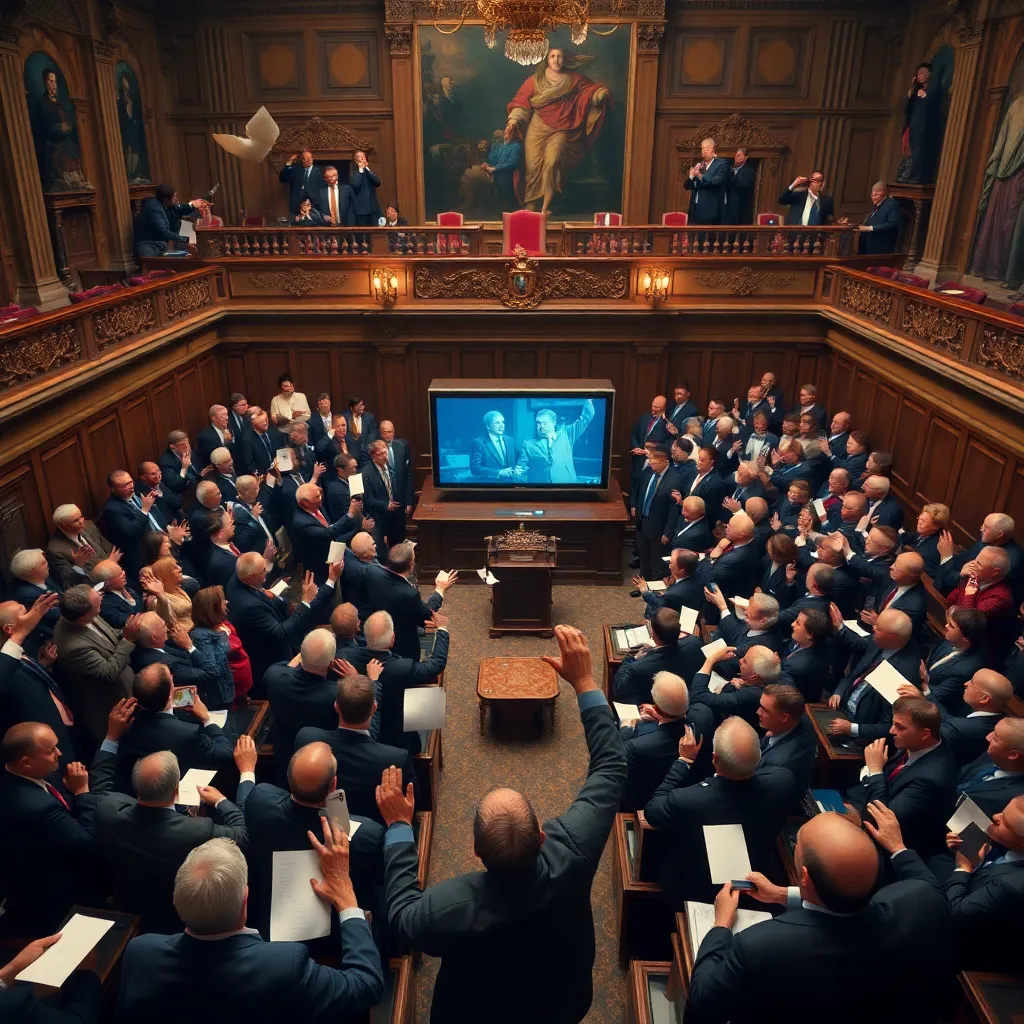
For now, the public remains alert, tense, and faintly thrilled, staring at their screens as if any moment a second man might appear to interrupt the first man’s interruption with a more urgent lecture on hierarchy, sequencing, and the fragile architecture of being told to wait. Sales of tea rose sharply overnight, a classic sign that the country suspects significance but would like it to arrive with biscuits.
At the close of his announcement, the man looked directly into the camera and thanked viewers for their patience during “this necessary break from what was supposed to happen.” It was a line many have since described as chilling, elegant, and potentially suitable for a commemorative plate. Then, with no further explanation, the screen returned to Harbor Cops: Inland Unit, where a detective was shouting at a barge.
By then, of course, nothing was ordinary anymore.