Nation’s Skin Announces Surprise “Bug Residency Program,” Dermatologists Say It’s Mostly Just Anxiety, Dryness, and Wi‑Fi
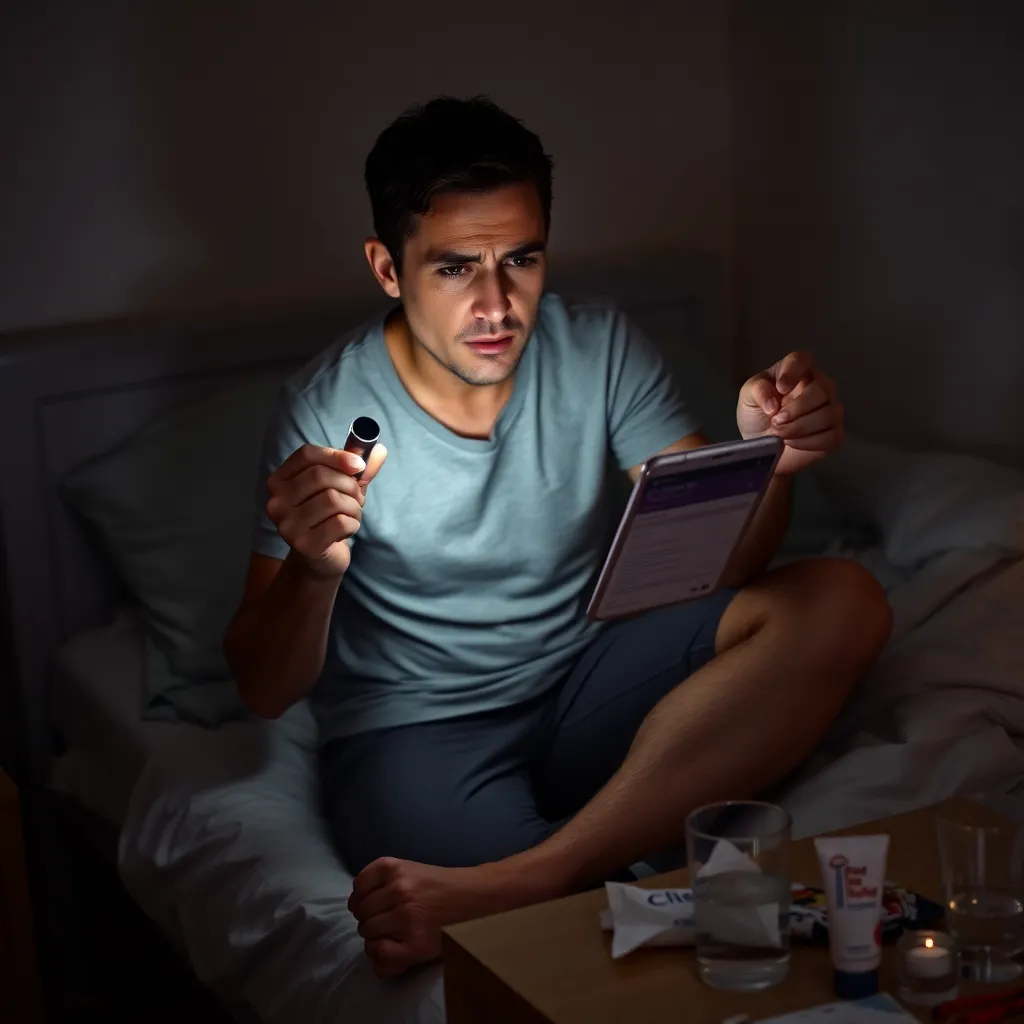
LOWER EPIDERMIS, TUESDAY — In a bold move that public health experts are calling “not a thing that is happening,” the human integumentary system has allegedly opened its borders to a new wave of microscopic tenants, as thousands report the unsettling sensation of “bugs under my skin,” accompanied by late-night Googling, aggressive flashlight inspections, and a sudden belief that lint is evidence.
The phenomenon—known in medical circles as formication (a word cruelly designed to make sufferers sound like ants are filing taxes under their dermis)—has surged this week, according to the Institute for People Who Definitely Checked Again, which confirmed a 400% increase in reports that “something is crawling” in places that cannot be reached without dislocating a shoulder.
“It feels like crawling, biting, or stinging,” said one resident, speaking through a layer of antibacterial wipes. “I know what I felt. My skin is basically a luxury timeshare.”
Dermatologists, meanwhile, responded with the restrained professionalism of people who have seen 10,000 varieties of stress rash.
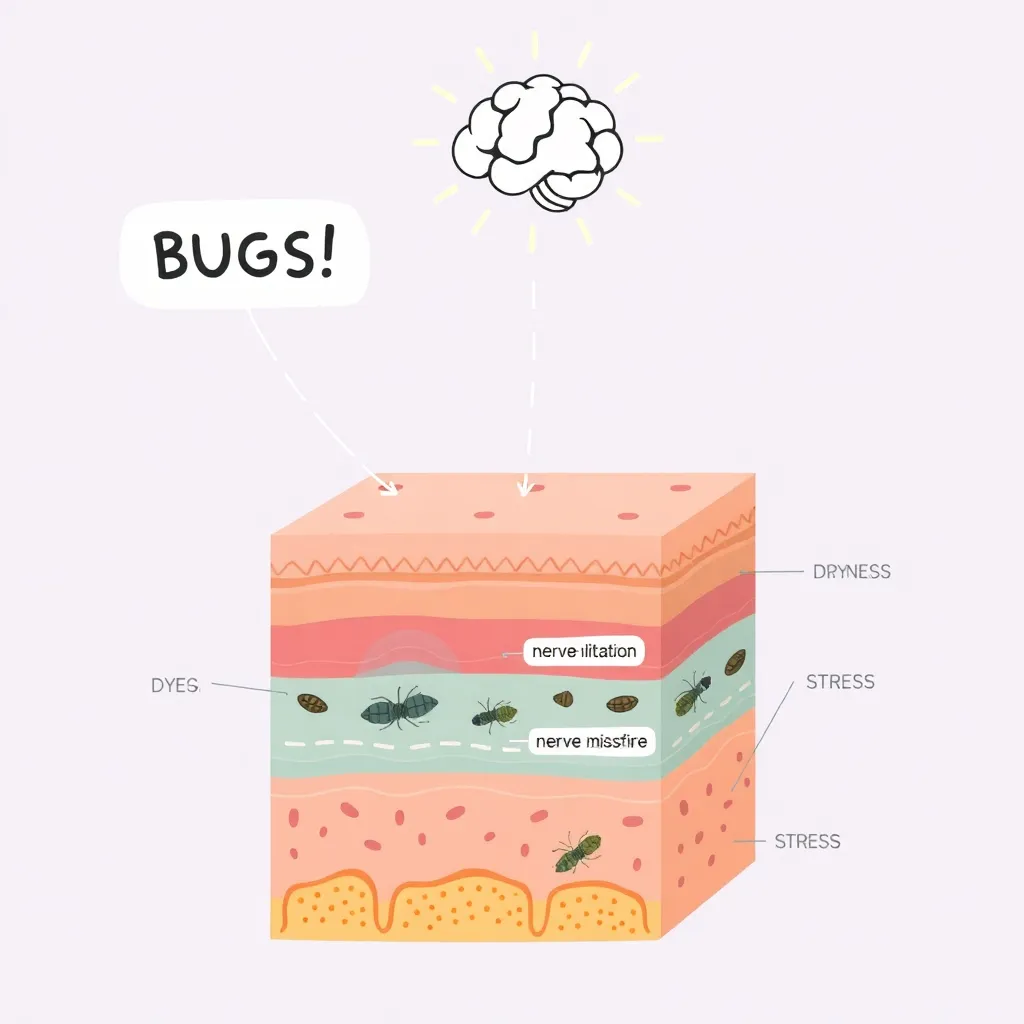
“Skin is a fantastic storyteller,” explained Dr. Neha Kline, Consultant Dermatologist at St. Bartholomew’s Department of Please Stop Picking. “But it’s also dramatic. Dry skin, allergies, eczema, nerve irritation, medication side effects, stimulant use, menopause, thyroid issues, vitamin deficiencies, and plain old stress can all cause crawling sensations. None of these require an underground insect metropolis.”
The “Bug Under Skin” Economy Booms Overnight
As the reports spread, an entire cottage industry has arisen to meet demand:
Magnifying mirrors now marketed as “truth portals,” capable of turning an innocent hair follicle into a “larval docking station.”
Lint rollers rebranded as “parasite eviction wands.”
Handheld vacuums touted as “extraction devices,” though critics note they remain functionally identical to the handheld vacuum you bought in 2017 and forgot existed.
Online marketplaces also saw a spike in sales of “detox foot patches,” which experts confirm work primarily by “turning brown for reasons a philosopher could write about.”
“These products are predatory,” said consumer advocate Marta Bell. “They sell certainty to people who are scared. Fear is the easiest subscription model on Earth.”
Scientists Fail to Find Bugs, Find Stress Instead
In a landmark study conducted by the University of Realistic Explanations, researchers gently examined participants’ skin, bedding, clothing, pets, and the sacred corner of the sofa where crumbs become a lifestyle.
Their conclusion: the overwhelming majority of cases involved no insects under the skin at all, though a statistically significant number involved:
dry, irritated skin;
dermatitis from over-washing and harsh soaps;
nerve-related sensations;
poor sleep;
stimulant-heavy lifestyles (including excessive caffeine and certain drugs);
and one participant whose “bug” turned out to be a very determined hoodie string.
“It’s not that people are lying,” said lead researcher Prof. Elaine Sato. “The sensations can be very real and very distressing. But the explanation often isn’t what the brain guesses at 2:14 a.m. when you’re tired and your phone is showing you a video titled ‘PARASITES THEY DON’T WANT YOU TO KNOW ABOUT.’”
The Brain, Briefly: A Sensation Generator With A Rumor Problem
Neurologists note that the brain can interpret ambiguous signals—dryness, nerve misfires, muscle twitches—as “crawling,” especially under prolonged stress. In the same way a coat on a chair becomes a burglar at midnight, an itchy patch becomes an “infestation” the moment you’ve read the word infestation.
“The nervous system is like a smoke alarm,” said Dr. Luis Romero, who has spent his career explaining to people that panic can mimic almost anything. “Sometimes it’s saving your life. Sometimes it’s screaming because you made toast.”
Local Support Groups Report Record Attendance, And Record Tweezers
Community meetups have emerged, offering mutual support and shared strategies such as “try moisturizer” and “please stop using industrial-strength disinfectant on your forearms.”
Still, the gatherings can veer into competitive evidence-sharing.
“I brought samples,” announced one attendee, placing a Ziploc bag of dust on the table like it was a courtroom exhibit. “This isn’t just skin. This is proof.”
At press time, the bag was later identified as “mostly sock fluff and one crumb of something that might once have been a cracker.”
What To Do If You Feel Crawling, Biting, or Stinging
While The Wibble’s newsroom is legally obligated to blame everything on “bugs,” actual medical professionals recommend more grounded steps—particularly because these sensations can have treatable causes:
Check the basics: dry skin, new laundry detergent, new lotion, bedbugs/fleas in the environment (not under the skin), eczema, allergic reactions.
Consider health factors: sleep deprivation, stress, anxiety, medication changes, thyroid issues, diabetes/neuropathy, vitamin B12 or iron deficiency, menopause-related changes.
Avoid skin damage: repeated scratching, picking, and harsh chemicals can worsen symptoms and cause infections—ironically creating new sensations and rashes that feel like “confirmation.”
See a clinician: a GP/primary care doctor or dermatologist can rule out skin conditions, infestations on the skin (like scabies), and systemic issues. If anxiety or other mental health factors are contributing, that’s also treatable and deserves support, not shame.
Dr. Kline emphasized the point with the weary clarity of someone who has said this sentence a thousand times: “If you’re suffering, you deserve help—regardless of whether the cause is dermatologic, neurologic, or psychological. The sensation is real; the interpretation may not be.”

Government Announces “National Itch Strategy,” Immediately Itches Itself
In response, a spokesperson for the Department of Bodily Sensations held a press conference and stated the government would be “taking the crawling issue extremely seriously,” before pausing to swat at their own shoulder and admitting they had recently switched fabric softener brands.
A draft plan includes:
funding for dermatology appointments;
public education campaigns titled “It’s Probably Not Bugs”;
and a proposal to ban online videos beginning with “Doctors hate this” and ending with someone rubbing garlic on a toe.
The bill is expected to pass once lawmakers stop reading comment sections at night.
The Wibble’s Editorial Stance: Your Skin Is Not A Hostel
In conclusion, while it may feel like bugs are under your skin, the most common culprits are far less cinematic and far more solvable: irritation, nerves, stress, environment, or an underlying medical issue that can be identified.
If you’re experiencing these sensations persistently—especially if they’re intense, distressing, or leading to skin injury—talk to a healthcare professional. Not because you’re “imagining it,” but because you deserve a proper assessment and relief.
And if you do find yourself at 3 a.m. holding a magnifying glass over your elbow, whispering “show yourself,” remember: the internet is full of people who monetize panic, and your nervous system is currently writing horror fanfiction based on a single itch.

Corrections: An earlier version of this article referred to “the dermis” as “the worm zone.” Dermatologists requested we stop giving it nicknames.