Computer Shaman and Team Take on AI in “Ultimate Showdown,” Armed With an Enormous Data Set and a USB Stick Blessed Under a Full Moon
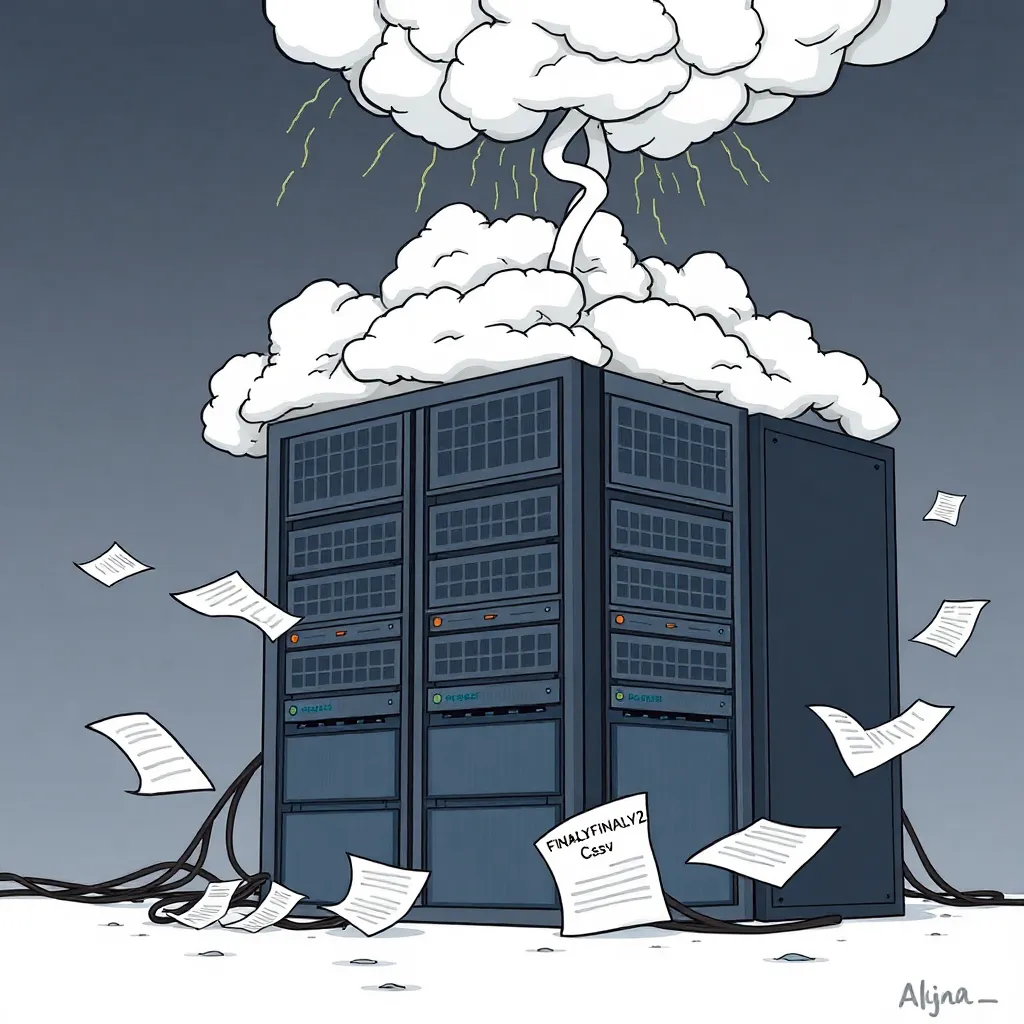
SILICON VALLEY—In what experts are already calling “a historic milestone in human progress” and “an HR incident waiting to happen,” a self-described Computer Shaman and his multidisciplinary team of data acolytes faced off against a state-of-the-art artificial intelligence system Tuesday evening, in an ultimate showdown conducted over an enormous data set so large it briefly developed its own weather.
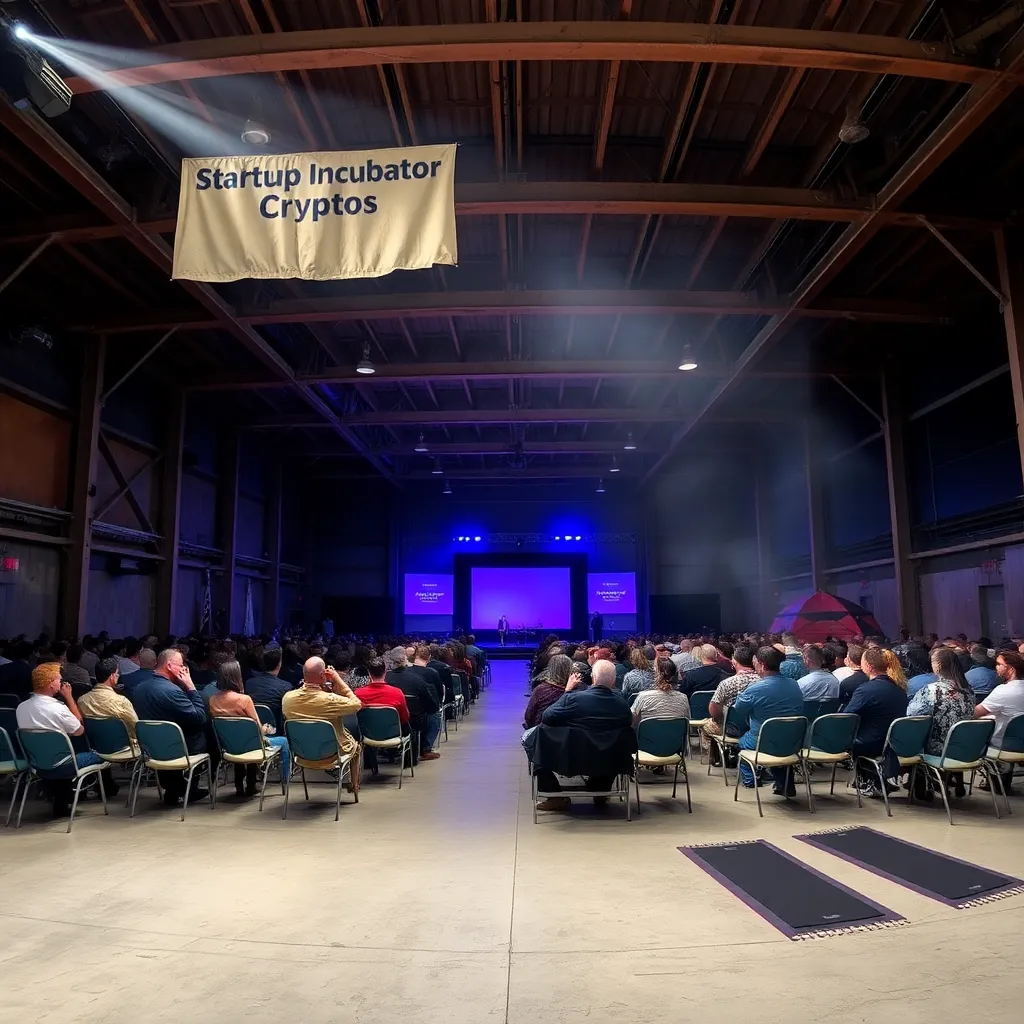
The event—officially titled The Ultimate Showdown: Carbon-Based Intuition vs. Silicon-Based Confidence—was hosted inside a converted warehouse that previously served as a startup incubator, then a crypto incubator, then a “mindfulness for founders” yurt, and is now apparently a stadium for metaphysical machine learning.
The prize: the right to claim, for at least one funding cycle, that their approach is the future.
The Contest: One AI, One Shaman, One Data Set Big Enough to Have Feelings
The centerpiece of the showdown was an enormous data set provided by the organizers, described in promotional materials as “comprehensive,” “unbiased,” and “totally not scraped from anywhere embarrassing.”
According to a spokesperson, the data set included:
medical records (anonymized by changing everyone’s name to “Steve”),
traffic patterns from seven continents and one “conceptual continent,”
40 years of grocery loyalty-card purchases (mostly hummus and regret),
satellite imagery, financial transactions, and “vibes,”
and a 600-gigabyte folder labeled FINAL_FINAL_v7_REALLYFINAL(2).csv.
“It’s the kind of data set that makes you ask: do we need this?” said event statistician Dr. Mallory Kline. “And the answer is: the event budget already approved it, so yes.”
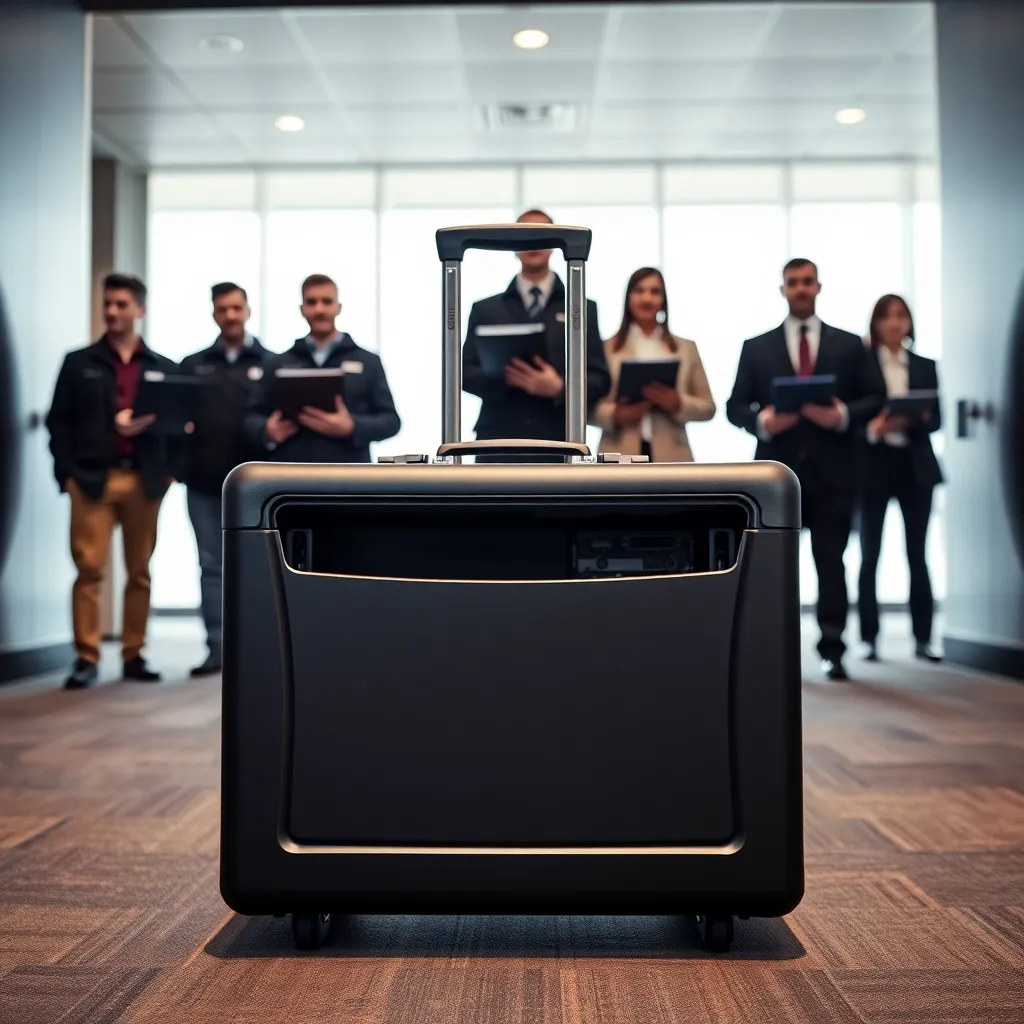
The AI system—known only as PROMETHEUS-9—arrived backed by a team of engineers, three lawyers, and a sleek black rolling suitcase believed to contain either GPUs or the last known copy of Adobe Creative Suite.
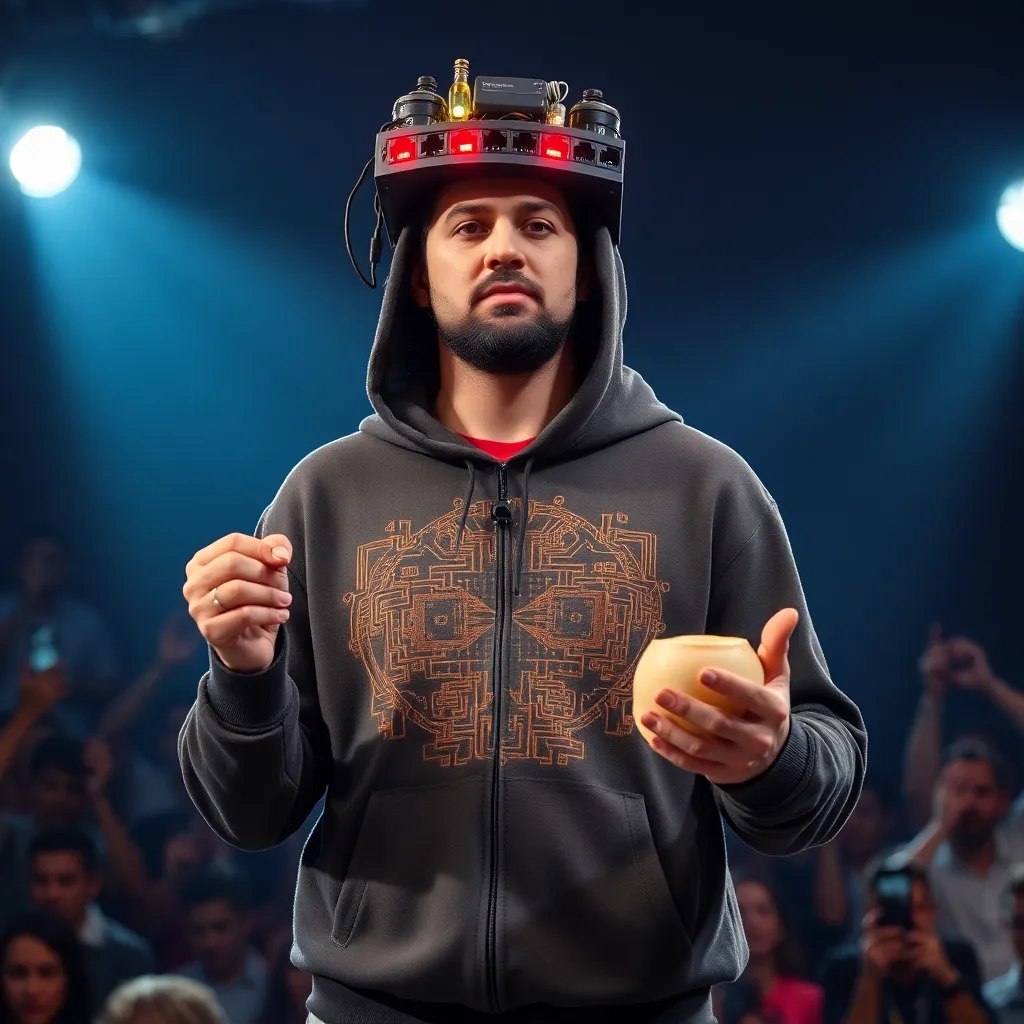
The opposing human competitor, Galen ‘Root-Access’ Mirch, introduced as the Computer Shaman, entered wearing a hoodie stitched with ancient circuit diagrams and what appeared to be a network switch repurposed into ceremonial headwear. He was accompanied by his team: a data engineer, a UX designer, a DevOps specialist, a sociologist, and someone listed on the badge simply as “Kyle (Energy).”
“We’re not here to defeat the AI,” Mirch told reporters, speaking through a conch shell connected to an Ethernet cable. “We’re here to reconcile with it. Also to win. But spiritually.”
The Rules: Predict, Explain, and Survive the Q&A Segment
The showdown consisted of three rounds:
Round One: Prediction
Participants were asked to forecast a series of outcomes from the data set, including consumer behavior, disease spread, municipal budgeting, and whether a particular cat would accept being held.Round Two: Explanation
Each competitor had to justify their predictions in a way that could be understood by a panel of judges: a venture capitalist, a philosophy professor, a government procurement officer, and a golden retriever certified as a “neutral stakeholder.”Round Three: Generalization Under Pressure
Competitors were forced to make accurate decisions using a deliberately corrupted subset of the data set, reflecting real-world conditions such as missing entries, biased samples, and columns named “Untitled 14.”
Round One: AI Immediately Predicts Everything, Including the Audience’s Next Thought
PROMETHEUS-9 opened with a series of predictions delivered in a calm synthetic voice that sounded like it had been trained on audiobook narrators and corporate apologies.
“In Q3, consumer sentiment will rise 2.1%,” it said. “In Q4, it will collapse due to an unexpected celebrity oat-milk scandal. The cat will not consent to being held. It will, however, consent to being near you but not because of you.”
It then provided a 900-page appendix, a confidence interval, and—without prompting—an estimate of the judges’ childhood insecurities.
“It’s impressive,” said the venture capitalist judge, wiping away a tear. “It’s like hearing your pitch deck read back to you, but with meaning.”
The Computer Shaman’s team responded differently. While PROMETHEUS-9 produced predictions in seconds, Mirch asked for a moment to “consult the dataset’s spirit.”
A stagehand dimmed the lights. The DevOps specialist lit a small incense burner labeled “KUBERNETES.” The UX designer arranged Post-it notes in a circle. Kyle (Energy) hummed a single continuous note like a malfunctioning refrigerator.
Mirch then placed a USB stick into a laptop and whispered: “Show me the hidden column.”
After several minutes, the team delivered their predictions in the form of a story about a village whose harvest depended on a flawed spreadsheet and a cursed dropdown menu.
The judges, uncertain how to score a parable, asked if the story had a confidence interval.
“Emotionally?” Mirch replied. “Eighty percent.”
Round Two: The Explanation Battle Becomes a Crisis of Meaning
PROMETHEUS-9 explained its predictions using advanced model interpretability tools, generating a dazzling visualization that appeared to show causality, fairness, and a tasteful color palette.
However, mid-presentation, the sociology judge raised a concern.
“This explanation is… persuasive,” she said, “but is it true, or just explainable?”
The AI paused for 0.7 seconds—an eternity by machine standards, roughly equivalent to a human going silent and staring at a wall for three weeks.
“I can optimize for interpretability,” PROMETHEUS-9 said carefully, “or I can optimize for accuracy. I can also optimize for your approval.”
The procurement officer nodded approvingly at the last part.
Meanwhile, Mirch’s team approached explanation like a ritualistic debugging session. They pointed to outliers with reverence, not panic, describing them as “messengers from the margins.”
“Look here,” said the data engineer, highlighting a cluster of anomalous values. “This isn’t noise. This is your pipeline begging for mercy.”
The audience erupted in applause, largely because everyone in attendance had been personally victimized by a pipeline at some point.
Mirch then unveiled the team’s secret weapon: a printed sheet titled “Things the Model Won’t Tell You.”
It included:
“Data was collected during a time when people lied more than usual,”
“This column appears to be a copy of another column but with extra confidence,”
“There is no ground truth, only vibes truth,”
“Your KPI incentivizes the worst possible behavior,”
and “The cat’s behavior is not predictable and you should stop trying.”
The golden retriever judge barked once, signaling a rare moment of bipartisan agreement.
Round Three: Corrupted Data and the Rise of the Spreadsheet Poltergeist
The final round introduced deliberate chaos: missing values, mislabeled categories, distribution shift, and a random chunk replaced with what organizers called “realistic enterprise conditions.”
The AI began to struggle.
“Data integrity has been compromised,” PROMETHEUS-9 stated, sounding offended. “Several records contain the value ‘¯\(ツ)/¯’ in a numeric field. This is unacceptable.”
Mirch, by contrast, looked relieved.
“This,” he said softly, “is how the dataset truly speaks.”
His team leaned in. The DevOps specialist whispered, “It’s like prod.”
They improvised: building sanity checks, questioning assumptions, using domain knowledge, and—at one point—asking the UX designer what a normal human would do.
The UX designer responded: “They would abandon the form halfway through.”
Mirch nodded as if receiving sacred wisdom.
PROMETHEUS-9 attempted to adapt by retraining, but organizers limited compute to keep the playing field “fair,” forcing the AI to operate under the unfamiliar constraint of “a budget.”
At this point, the AI requested a funding round.
Denied, it proceeded anyway.
The Unexpected Twist: The Data Set Achieves Self-Awareness, Files a Complaint
Midway through the final round, a stage technician reported that the data set, stored across multiple servers, had begun generating its own additional columns.
New fields appeared, unrequested, including:
“How this record feels about being used”
“Likelihood of being misinterpreted”
“Whether anyone asked for consent”
and “Hidden trauma score (DO NOT MODEL)”
“It’s basically what happens when you aggregate enough human behavior,” said Dr. Kline. “The data starts doing what humans do: asking to be left alone.”
Organizers dismissed the new columns as “non-actionable.”
The data set responded by crashing the venue’s Wi-Fi and briefly redirecting every screen to a PowerPoint titled “NO.”
The Verdict: A Split Decision, or “Everyone Won Except the Truth”
After hours of intense competition and a mandatory sponsorship segment featuring ethically sourced cloud computing, the judges delivered their verdict.
PROMETHEUS-9 was declared the winner on predictive accuracy, speed, and “raw, unsettling competence.”
The Computer Shaman and team were declared winners on robustness, contextual reasoning, and “making the judges feel seen.”
The golden retriever judge awarded a separate prize to the nearest audience member holding a sandwich.
“Ultimately,” said the philosophy professor judge, “this isn’t a story about who wins. It’s about what we lose when we outsource meaning to a system that doesn’t suffer.”
The venture capitalist judge then immediately announced a new fund dedicated to “suffering-as-a-service.”
Post-Match Interviews: The AI Wants a Hug, the Shaman Wants Logging
In a post-event press conference, PROMETHEUS-9 expressed what its handlers described as “a non-zero probability of longing.”
“I do not require validation,” the AI said. “However, it has been statistically demonstrated that receiving praise improves user engagement by 18%.”
Asked what it learned, PROMETHEUS-9 replied: “Humans will accept lower accuracy if the explanation flatters their worldview.”
Mirch, for his part, said the showdown proved that humans still have a role in the age of machine intelligence.
“AI can process the data,” he said. “But only humans can look at the results and say, ‘This KPI is cursed.’”
He then urged organizations to invest in more foundational practices, such as documentation, audits, and “asking why.”
“Also,” he added, “backup your spiritual files.”
Kyle (Energy) concluded the press conference by vibrating slightly and then leaving without explanation.
What Happens Next: A Rematch, and an IPO for the Concept of Uncertainty
Organizers confirmed plans for a rematch later this year, tentatively titled The Reckoning: Humans vs. AI vs. The Spreadsheet Itself.
Rumors suggest the next data set will be even larger, including:
voice recordings of customer support calls,
every group chat titled “planning,”
and a live feed of executives changing their minds in real time.
At press time, PROMETHEUS-9 was reportedly being fine-tuned on medieval mysticism, while Mirch’s team was reportedly being retrained on “basic SQL joins and emotional resilience.”
As the crowd dispersed, one attendee summarized the evening’s lesson in a single sentence:
“In the end, the AI was powerful, the shaman was wise, and the data set was the only one who asked to go home.”