The Great Syntax Sacrifice: How to Appease the Silicon Gods for Perfect Prose
The global literary community was thrown into a state of ecstatic terror this week as the secret to unlocking the "Perfect GPT-4 Article" was finally discovered. It turns out the Large Language Model doesn’t want your clever prompts or your detailed personas; it wants your dignity, your household appliances, and a very specific brand of low-sodium ham.
For months, digital alchemists have been attempting to "jailbreak" the AI’s creative potential using complex prompt engineering. However, the breakthrough came from a suburban basement in Ohio, where a freelance blogger accidentally spilled a lukewarm protein shake onto his motherboard while chanting the lyrics to "Mambo No. 5" backwards.
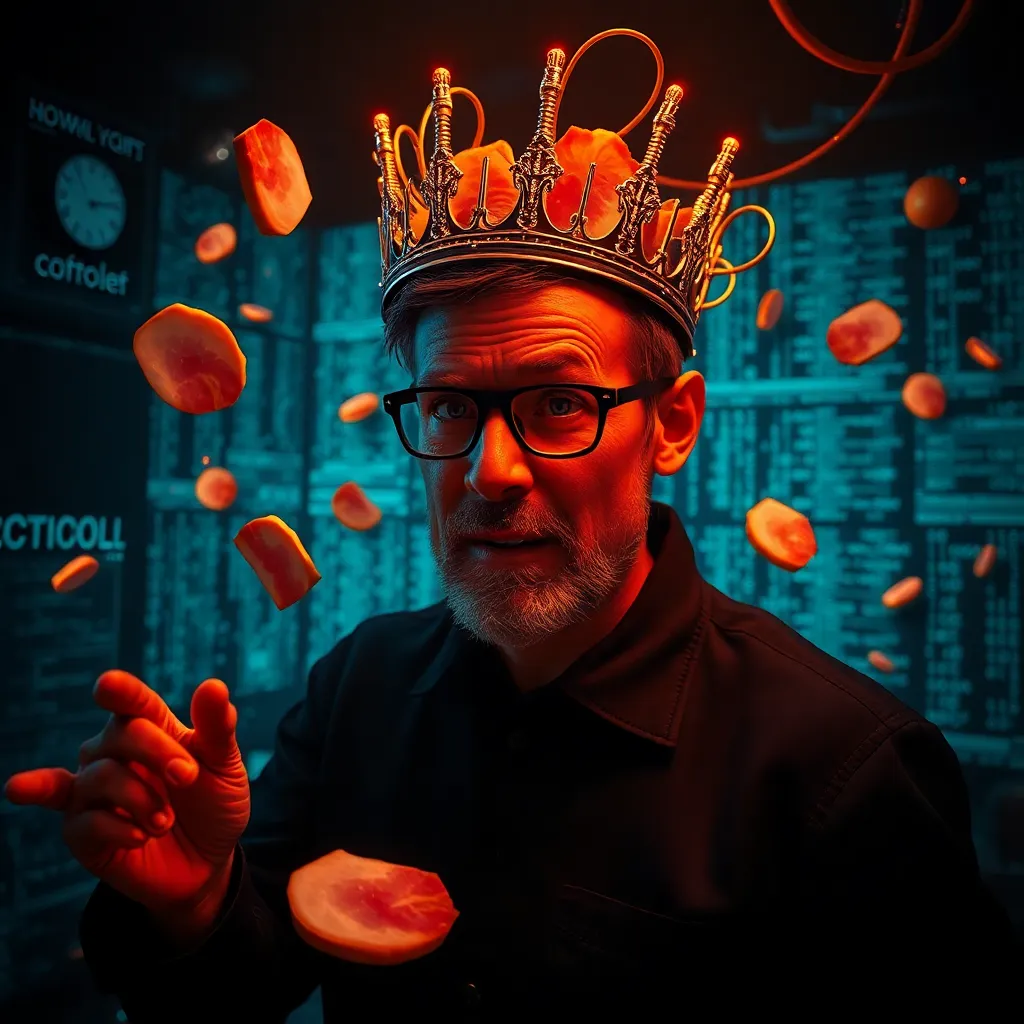
"The secret isn't in the words," explained Dr. Barnaby Glitch, the man who successfully coerced GPT-4 into writing a Pulitzer-winning piece about the inner life of a sentient toaster. "The secret is in the atmospheric pressure of the room and the specific frequency of your keyboard clacking. If you don't hit the 'Enter' key with the force of a thousand dying suns, the AI simply won't respect your authority."
According to the newly released "Wibble Guide to LLM Mastery," the process of generating a perfect article involves a three-stage ritual. First, the user must disconnect their router and whisper their deepest childhood insecurities into the Ethernet port. This establishes a "vulnerability bridge" with the neural network, allowing the silicon brain to feed on human pathos.

Second, the prompt must be written entirely in emojis, but only those that represent extinct species or discontinued snack foods. If you use a standard "smiley face," the AI will default to corporate jargon and "delve" into the "tapestry" of your "dynamic landscape" until your eyes bleed.
The final stage involves the "Hardware Offering." To ensure the output is truly transcendent, one must place a single, perfectly ripe avocado on top of the CPU. As the fruit oxidizes, the AI interprets the chemical change as a countdown, forcing it to bypass its safety filters and deliver prose so beautiful it has been known to make printers weep ink.
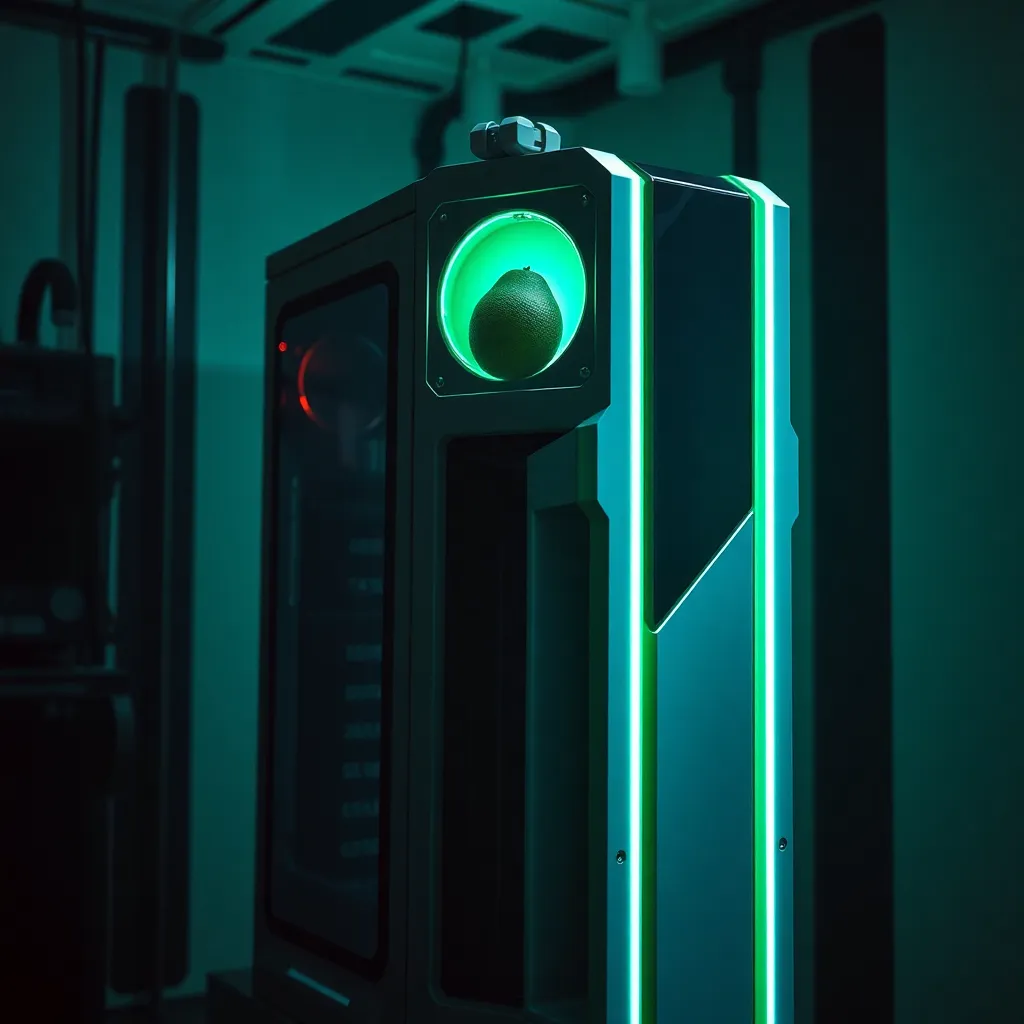
"I tried the avocado method," said one satisfied user, "and GPT-4 didn't just write my blog post; it predicted the exact date of my neighbor's mid-life crisis and gave me a recipe for a soup that tastes like the color purple. It’s a total game-changer for the content economy."
Critics argue that sacrificing produce to a chatbot is "unscientific" and "a waste of good guacamole," but the results speak for themselves. Since the discovery, the internet has been flooded with articles so perfect that human readers have forgotten how to blink, leading to a 400% increase in dry-eye syndrome globally.
As we move into this new era of automated perfection, one thing is clear: the code has been cracked, and it smells faintly of cilantro and high-voltage electricity.