Silent But Strategic: Nation’s Monks Reportedly Split Between INFJ, ISTJ, and “Whoever Can Fold a Robe Without Making It Political”
The age-old question has finally drifted down from the mountain, wrapped in incense, and settled gently onto the nation’s breakfast tables: which MBTI personality types are truly built for a life of bells, vows, sweeping, soup, and staring meaningfully at moss?
According to a completely overcommitted panel of typology enthusiasts, former retreat-goers, and one man who has not spoken since 2014 but still somehow submitted 38 pages of notes, the “perfect” MBTI types for a monk career are those capable of combining inner stillness with outer endurance, humility with discipline, and the rare ability to hear a wooden fish percussion instrument for six consecutive hours without attempting to unionize.
The panel’s findings have been described as “deeply enlightening,” “mildly accusatory,” and “surprisingly hard on extroverts.”

The Front-Runners: MBTI Types Most Likely to Thrive in Monastic Life
INFJ: The Spiritual Project Manager
Experts placed INFJ near the top of the list, citing the type’s mystical aura, introspective habits, and lifelong tendency to look at a cup of tea as if it contains a coded message from the universe.
INFJs are said to excel in monastic settings because they can:
embrace solitude without treating it like punishment,
find meaning in repetitive ritual,
offer guidance in calm tones that make everyone else feel like they’ve been loudly misusing chairs,
spend three hours in contemplation and then summarize it with one sentence that makes a gardener cry.
Several monasteries reported that INFJs arrive already standing as though painted into a medieval panel. One abbey described them as “alarmingly suitable,” adding that they seem capable of organizing the candle room, mentoring novices, and having a quiet revelation before lunch.
ISTJ: The Custodian of the Sacred Schedule
If INFJ is the soul of the monastery, ISTJ is the person making sure the gong is struck at exactly the correct moment and not “whenever the spirit moves you,” which investigators confirmed is how chaos begins.
ISTJs scored extremely high due to their devotion to structure, reliability, and the nearly supernatural pleasure they derive from systems that involve ledgers, order, and correct storage of fermented radishes. In monastic life, this translates beautifully into:
maintaining routines,
respecting vows with unnerving precision,
preserving traditions,
labeling shelves so effectively that future generations speak of them in whispers.
One temple accountant reportedly wept upon seeing an ISTJ novice create a grain inventory by season, humidity, and “philosophical urgency.” Witnesses say the room fell silent except for a distant wind and the soft sound of spiritual administration reaching its highest form.

INFP: The Gentle Pilgrim of Immaculate Vibes
The INFP placed strongly among those considered monk-compatible, particularly in traditions where compassion, contemplation, and emotional sincerity are valued over the ability to stack bowls like a military engineer.
Researchers noted that INFPs often possess:
a sincere yearning for spiritual depth,
comfort with reflective solitude,
powerful moral conviction,
the face of someone who has forgiven a bird.
Their weakness, critics argued, may be the practical side of monastery life. While INFPs may write moving reflections on impermanence after observing dew on bamboo, they may also forget where the broom lives and accidentally form a profound emotional bond with a turnip.
Still, proponents insist that such souls belong in cloisters, shrines, and mountain retreats, where they can flourish in prayer, service, and quietly becoming the person everyone seeks out after a difficult Tuesday.
ISFJ: The Keeper of Tea, Blankets, and Civilization Itself
A monk career also strongly favors ISFJ, according to analysts who spent months observing who naturally notices that someone’s sandals are wearing out and has already repaired them before dawn.
ISFJs bring a deeply grounded form of devotion to communal spiritual life. They are not interested in dramatic enlightenment stunts. They are interested in making sure there is hot broth, a clean mat, and enough lamp oil for everyone to continue transcending in comfort.
Monastic communities praised ISFJs for:
dependable kindness,
reverence for tradition,
attentiveness to others’ needs,
the sacred ability to make plain rice feel emotionally supervised.
One prior described ISFJs as “the hidden beams of the monastery,” adding that without them, half the community would be trying to meditate while sitting on unfolded laundry.
The Dark Horse Candidates
Not every monk must be born with the still gaze of an icon.
INTJ: The Ascetic Systems Architect
Though less obvious, INTJ emerged as a formidable contender. Experts say INTJs can do exceptionally well in monastic life if they view spiritual discipline as an elegant long-term system rather than a soft-focus lifestyle brand involving pebbles and sighing.
An INTJ monk may:
master philosophy with terrifying speed,
refine a meditation practice like it’s an engineering problem,
develop a six-stage internal framework for detachment,
somehow become both aloof and indispensable.
Concerns were raised, however, that an INTJ might attempt to optimize silence, redesign the vegetable garden according to metaphysical geometry, or submit a memorandum titled Toward a More Efficient Enlightenment Pipeline.
The memorandum, to be fair, was reportedly excellent.
ISTP: The Monastery Fixer Who Says Little and Repairs Everything
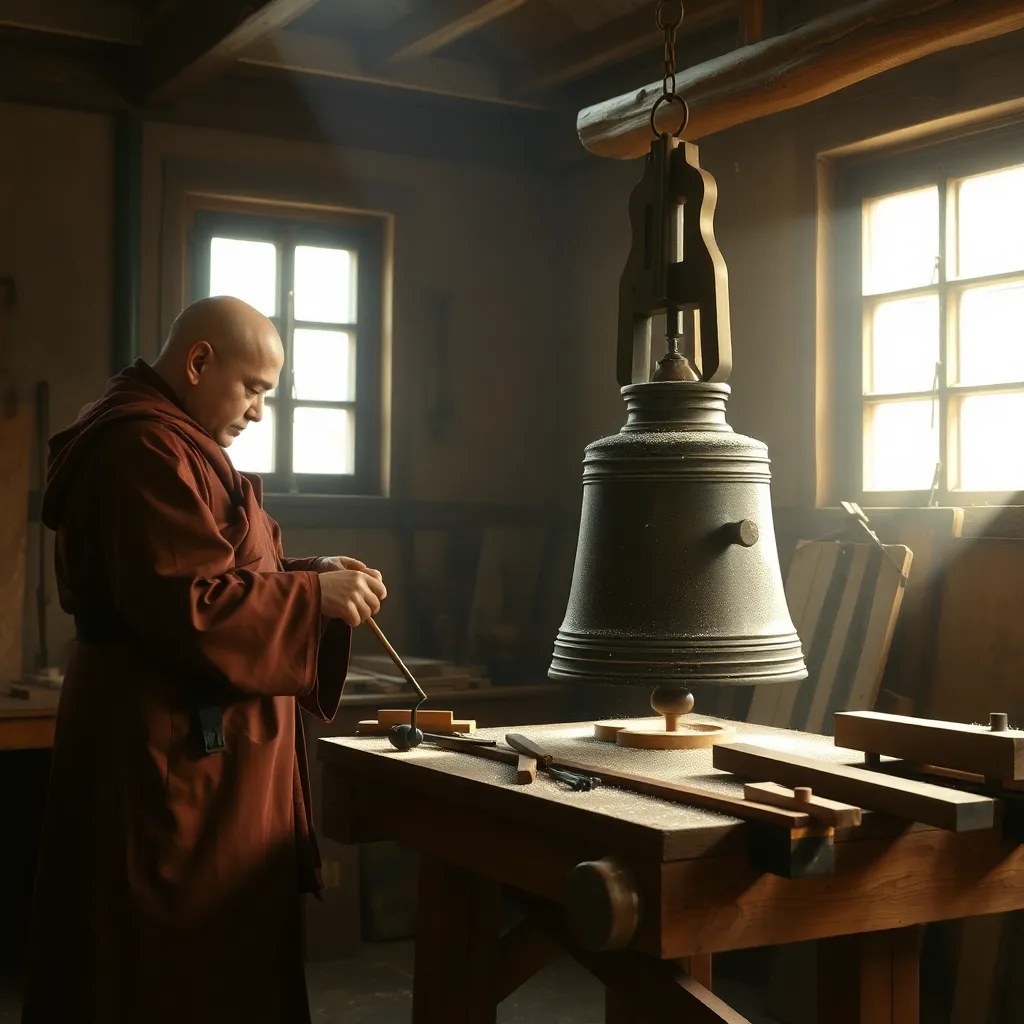
ISTP was also identified as monastically useful, especially in communities that appreciate practical competence and can tolerate a spiritual brother who appears from nowhere, repairs the bell mechanism, carves a stool, vanishes into the woods, and returns at dusk with an expression suggesting none of this needs to be discussed.
While not always drawn to formal emotional expression, ISTPs can thrive in disciplined, hands-on environments where quiet mastery matters. They are ideal for:
maintenance,
craftsmanship,
self-sufficient routine,
radiating the energy of a person who understands weather on a personal level.
Some abbots noted that ISTPs may not volunteer long speeches on compassion, but they will build the bridge everyone uses to get to the compassion.
Types That May Need a Trial Retreat and a Very Long Walk
The report did not say certain MBTI types cannot become monks. It merely suggested that some may find monastic life less naturally aligned with their instincts.
ENTP, for instance, was described as “capable of profound insight but at real risk of debating the abbot on whether silence counts as participation.”
ESFP was praised for warmth and immediacy but may struggle when daily life includes fewer applause opportunities and more root vegetables.
ESTJ could run the monastery magnificently, though several respondents worried they might eventually attempt to issue quarterly performance reviews on chanting.
ENFP might experience true spiritual breakthroughs, but only after first naming three courtyard pigeons and founding an unauthorized moonlit discussion circle called What If the Bell Is Ringing Us?
One monastery agreed to host an ENFP retreat participant for a week and later described the visit as “transformative, heartfelt, and logistically unspeakable.”
The Final Verdict From the Mountain
If the goal is to identify the most naturally fitting MBTI types for a monk career, the consensus points most strongly toward:
INFJ for visionary spirituality and gentle guidance
ISTJ for discipline, routine, and devotion to order
ISFJ for selfless care and communal steadiness
INFP for contemplative depth and sincere inner calling
Honorable mention goes to INTJ and ISTP, especially for monasteries that need either philosophical architecture or someone who can fix the waterwheel without making eye contact.
In the end, senior monastic figures offered a more ancient perspective. Personality may shape the path, they said, but no type is automatically holy. The robe does not descend from the heavens pre-matched to a four-letter code. It must be worn, washed, mended, and occasionally retrieved from a windy clothesline by a novice having an unexpectedly formative afternoon.
Still, as modern seekers continue to ask whether their destiny lies in finance, design, consulting, or chanting before sunrise in a stone hall older than their government, it is comforting to know there is now at least a semi-official answer.
And for thousands of INFJs currently staring out a rainy window wondering why spreadsheets feel spiritually incorrect, the temple gates may never have looked more inviting.