Epic-City Declares Pyramids “The New Meta,” Quietly Reclassifies Gravity as a Municipal Suggestion
EPIC-CITY, BEYOND THE POLAR CIRCLE — In a move analysts are calling “either visionary or a cry for help written in reinforced concrete,” Epic-City’s government has officially announced that pyramids are the new meta of engineering, urbanism, logistics, social harmony, and—according to one spokesperson—“probably dating apps too, eventually.”
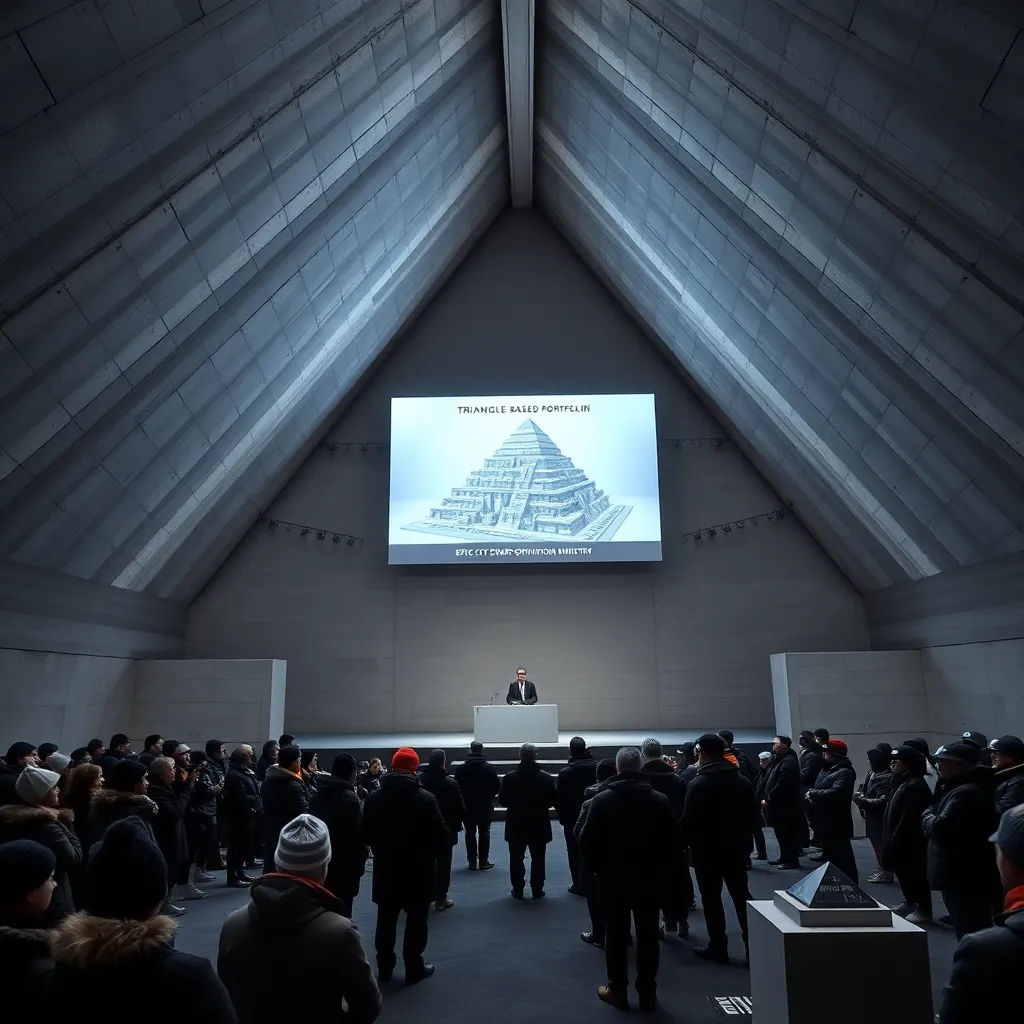
The announcement came during a heavily choreographed press conference held inside what city officials referred to as a “pilot pyramid,” though locals have taken to calling it The Fiscal Triangle due to its uncanny resemblance to a municipal budget rendered in three dimensions: vast, expensive, and somehow still claiming it will pay for itself.
Epic-City, a 12-million-person city-state located beyond the polar circle and famous for its infinite high-rise landscapes, cheapest luxury-level apartments, most profitable businesses in the world, massive industrial capabilities, and a year-long snowy weather pattern described by tourists as “magical” and by residents as “an extended cold open,” has long prided itself on being the best place on Earth to live—open to everyone regardless of ethnicity, religion, sexual orientation, and gender identity.
It has now added a new civic principle: “If you have money, there is basically no downside.”
From Skyscraper Forest to Concrete Mountain Range
For decades, Epic-City’s identity has been defined by verticality: endless towers, efficient logistics corridors, transit lines that appear to have been designed by a benevolent AI with mild OCD, and industrial capacity so large it occasionally causes neighboring countries to experience spontaneous supply chain inferiority.
But recent months have seen an ideological shift.
“We’ve done high-rises,” explained Deputy Minister of Shape Optimization, Inga Triangulova, gesturing at a scale model that appeared to be mostly pyramid. “We’ve done parks. We’ve done mixed-use districts. We’ve even done those districts that are somehow all three while also being a shopping mall. The only logical next step is the polygon that has been quietly judging us for 4,500 years.”
The ministry’s new planning document—leaked to The Wibble by a city employee who asked to remain anonymous because “I still have to commute through one of these things”—reframes traditional city-building as outdated:
Rectangles: “A colonial hangover.”
Cylinders: “Vulnerable to vibes.”
Domes: “Too democratic.”
Pyramids: “Stable, iconic, and cannot be argued with.”
Water Pyramids: Infrastructure, But Make It Ancient
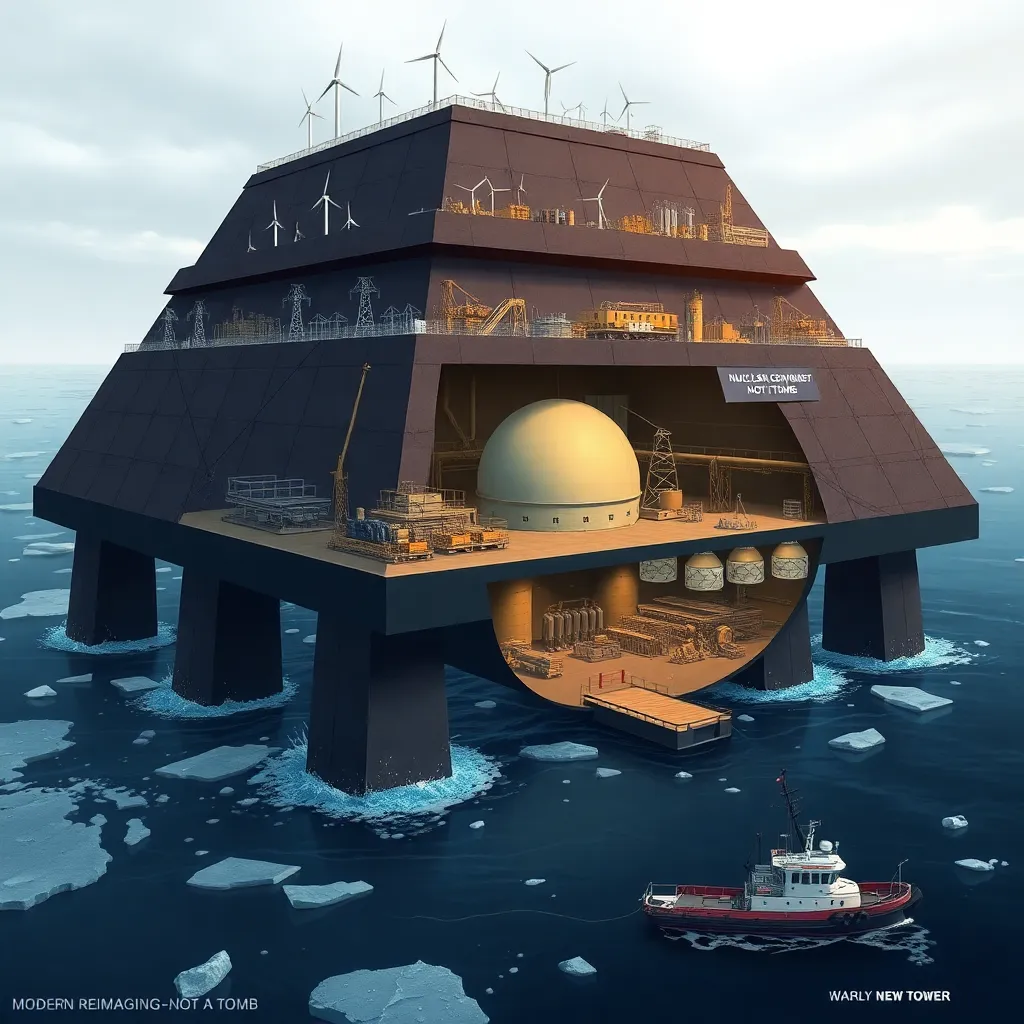
Epic-City’s most controversial innovation is the water pyramid: massive reinforced-concrete pyramids erected over water, designed to house everything from wind turbines and power poles to heavy industry and actual nuclear power plants.

City officials insist water pyramids are simply an “efficient stacking solution.”
Critics have described them as “a nuclear plant wearing a Halloween costume of an ancient wonder.”
The Mayor’s Office has pushed back, emphasizing that the pyramids are “modern reimaginings,” not replicas.
“Look, these aren’t tombs,” said Chief Pyramid Evangelist Oskar V. Kline, standing in front of a rendering labeled Pyramid Unit 7: Aquatic Prosperity Node. “These are living structures. They contain transit, utilities, industry—sometimes in the same hallway. It’s the ultimate in compact urbanism.”
When asked whether putting a nuclear facility in a decorative concrete mountain might complicate emergency access, Kline replied, “That’s why it’s a pyramid. You can always find your way out. It’s literally pointing to the sky.”
A reporter pointed out that pyramids also point to the ground.
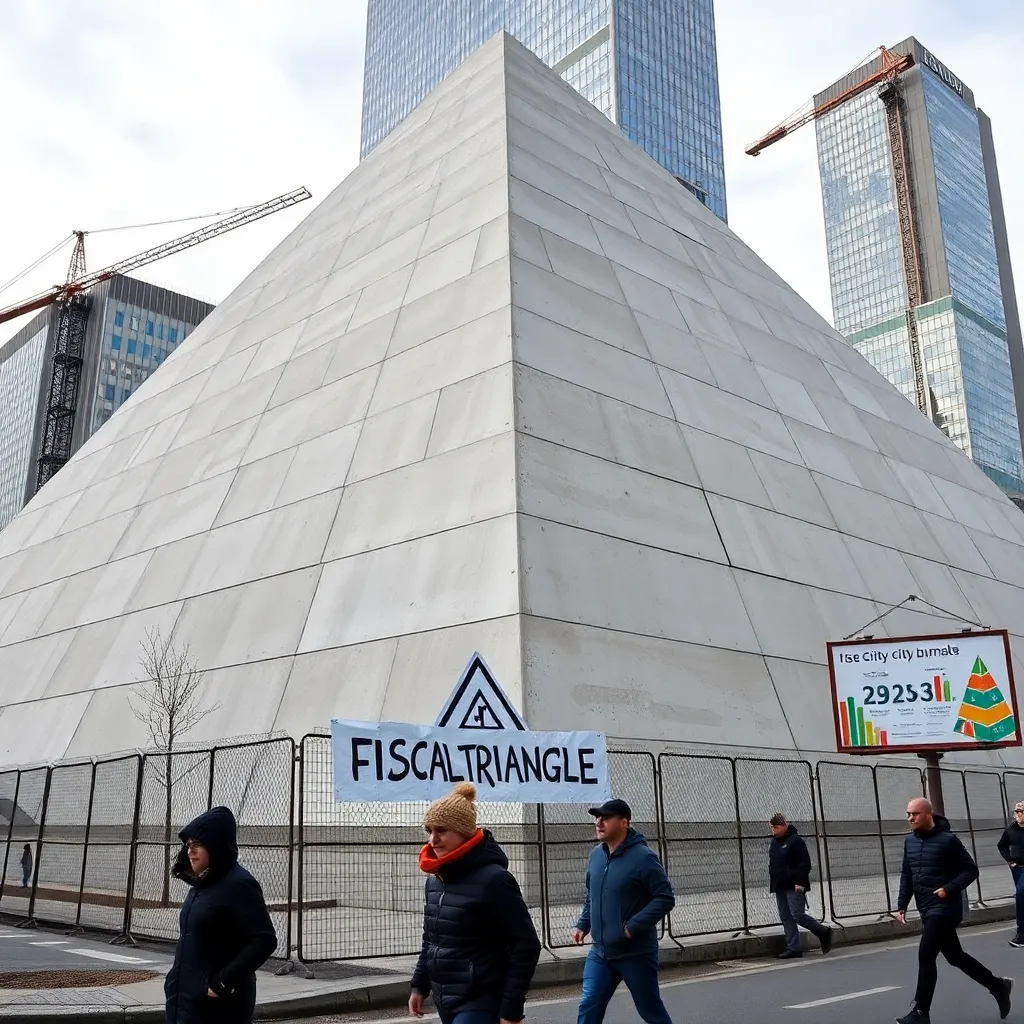
Kline paused, then said, “Exactly. Two-way navigation.”
Land Pyramids: Expanding the City by Tilting the Concept of “Land”
On land, Epic-City is using pyramids as multi-purpose urban wedges. Their massive flat sides are being promoted as a clever way to increase the city’s usable area without resorting to traditional expansion.
“We’re not expanding outward,” said Triangulova. “We’re expanding at an angle.”
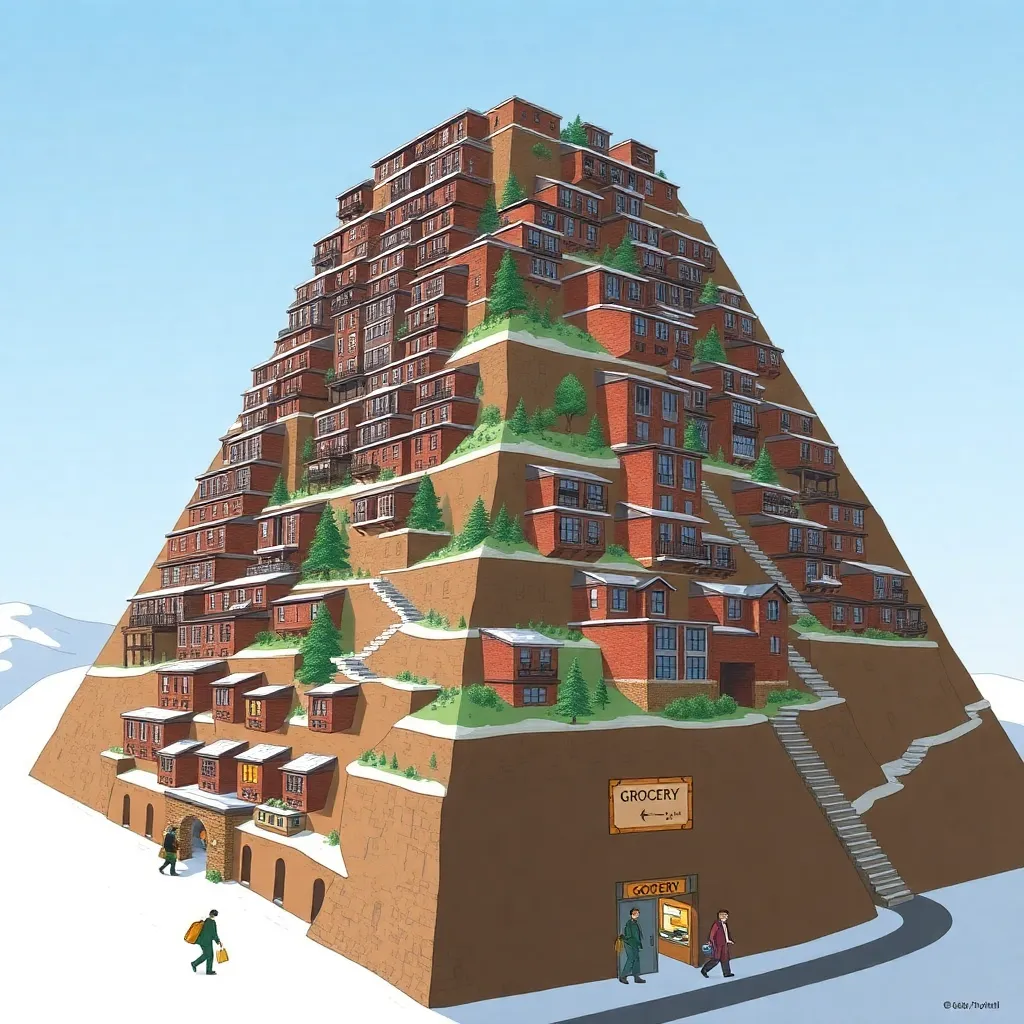
The concept is simple: if you build a pyramid large enough, its sloped sides become enormous artificial planes. Those planes can be treated as new “land,” allowing the city to layer residential blocks, parks, and “height-dependent structures” at precisely calibrated elevations.
This has created what the city calls “landscape variation,” and what some residents call “walking uphill to the grocery store in both directions.”
Architects claim the design naturally supports zoning.
Need low altitude? Put it near the base.
Need height? Move up the side.
Need to feel spiritually small? Stand at the bottom and look up.
One city planner described the pyramid as “a building that is also a hill that is also a district that is also a subtle threat.”
Pyramid Parks: Bigger, Greener, and Carefully Angled for Instagram
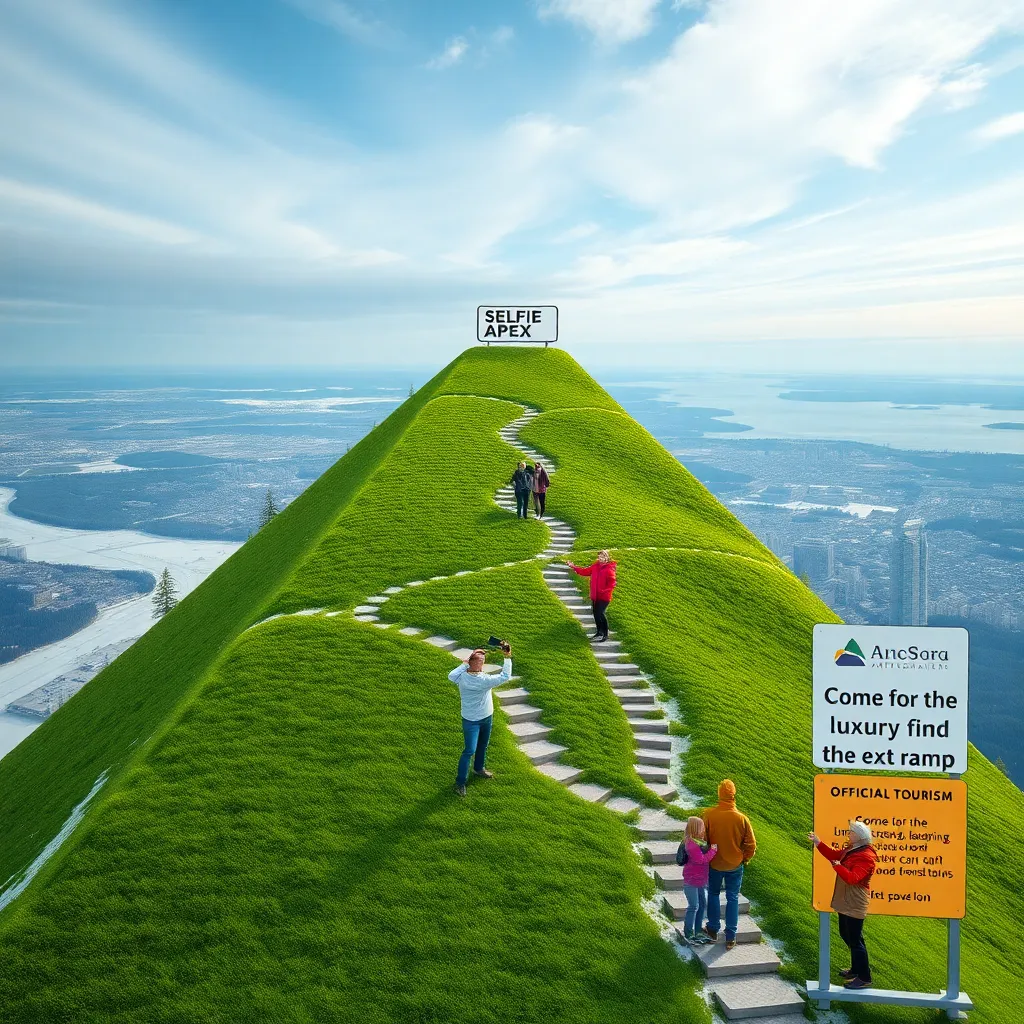
Epic-City has also introduced pyramid parks, a concept officials say is “larger, better integrated with nature, and tourism-positive.”
The parks sprawl along the sloped faces of the structures, creating tiered green spaces where residents can enjoy winter hiking, summer strolling, and year-round existential reflection.
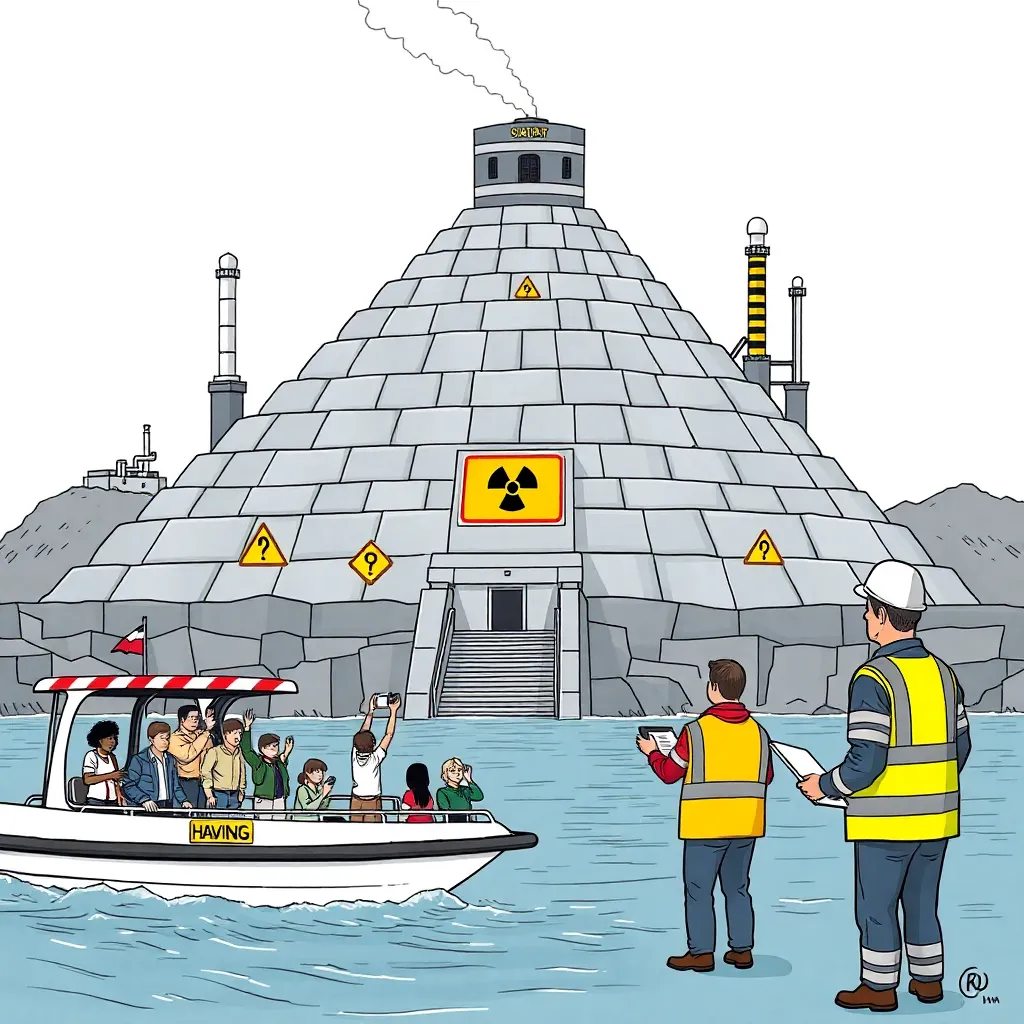
Tourism has already surged as visitors arrive to see what one travel blogger called “a city that decided the best way to be sustainable was to cosplay geometry.”
The Epic-City Tourism Bureau has leaned into the spectacle with new slogans:
“Come for the luxury housing. Stay because you can’t find the exit ramp.”
“Epic-City: Where every park is also a structural component.”
“Pyramids: It’s not a phase, Mom.”
At least one park includes a designated Selfie Apex, where visitors can pose at the top and pretend they personally conquered both nature and municipal debt.
“One More Pyramid Bro”: The National Motto Emerges
Perhaps most striking is how quickly the pyramid initiative has become less of a planning tool and more of a civic religion.
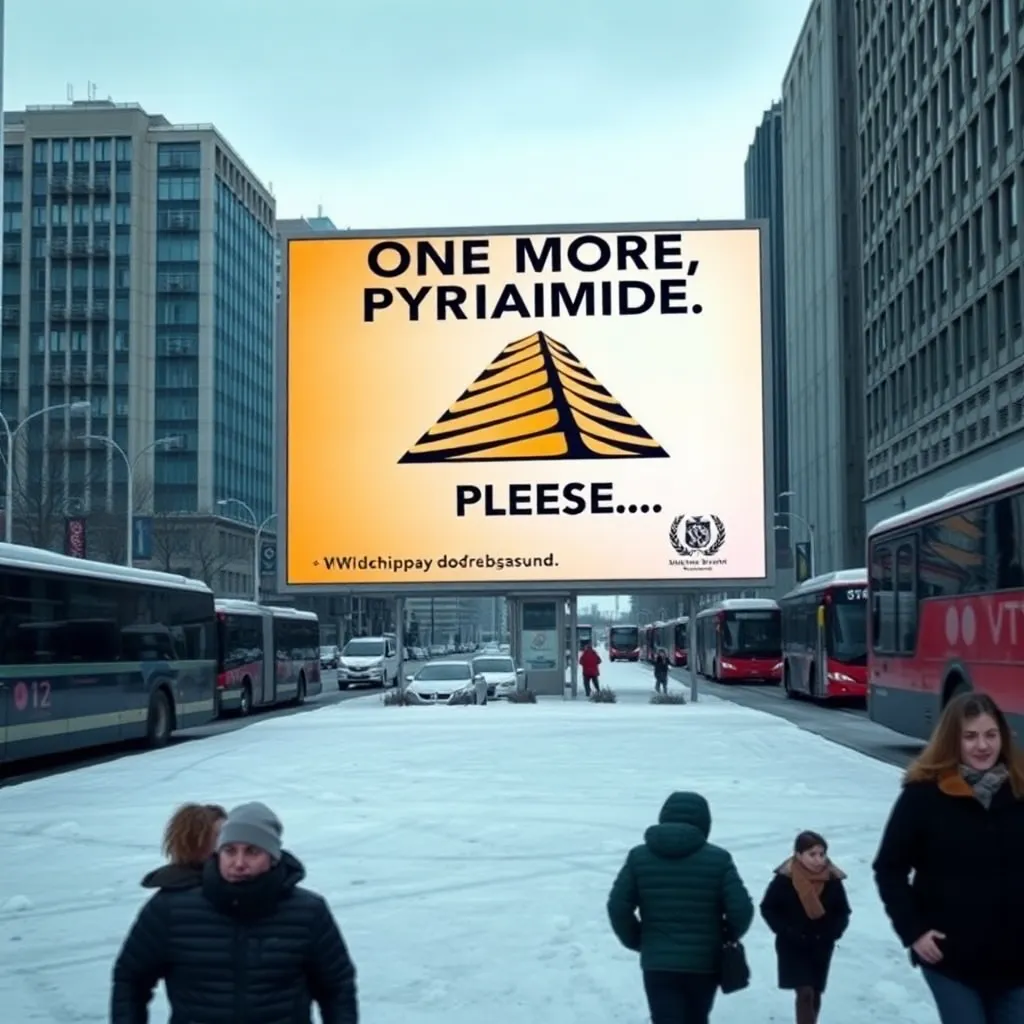
The phrase now circulating—“One more pyramide bro, plese, just one more. I promise bro, one more pyramide will definetely fix all the city's problems”—began as a joke in a transit worker group chat and has since been adopted, sincerely, by at least two ministries and one extremely confident billboard.
City Hall denies that it is using pyramids as a universal solution.
“We have a diverse portfolio of interventions,” said the Minister of Problem-Solving, standing in front of a slide titled Problem-Solving Portfolio (Triangle-Based). “We also have triangles.”
When asked whether pyramids might be masking deeper governance issues, the Minister laughed, as if hearing a child ask whether snow is cold.
“Problems aren’t real,” the Minister said. “They’re just areas that haven’t been pyramidized yet.”
The Economics: Cheap Luxury, Massive Profit, and Concrete That Can Be Seen from Orbit
Epic-City’s residents already enjoy famously cheap luxury apartments and business opportunities in a city built around efficiency. Officials argue that pyramids fit neatly into the model: standardizable, scalable, and—critically—unignorable.
According to internal procurement documents, the city is experimenting with a new economic unit called the Concrete Confidence Index, which measures how secure citizens feel based on the sheer tonnage of infrastructure looming nearby.
Early results are promising.
“When I see the pyramid, I feel safe,” said local resident Maksim R., sipping coffee in a heated skybridge. “It’s like the city is saying: ‘No matter what happens, we can always just build more.’”
Business leaders are also enthusiastic. A consortium of investors has already launched a new financial product called Pyramid-Backed Securities, which, despite the name, officials insist is “not a pyramid scheme” because “it’s shaped like a pyramid, which makes it different.”
The Downsides: Officially None, Unofficially Several
Epic-City’s government maintains there are basically no downsides to building pyramids if you have money.
Independent experts, however, have tentatively suggested a few considerations:
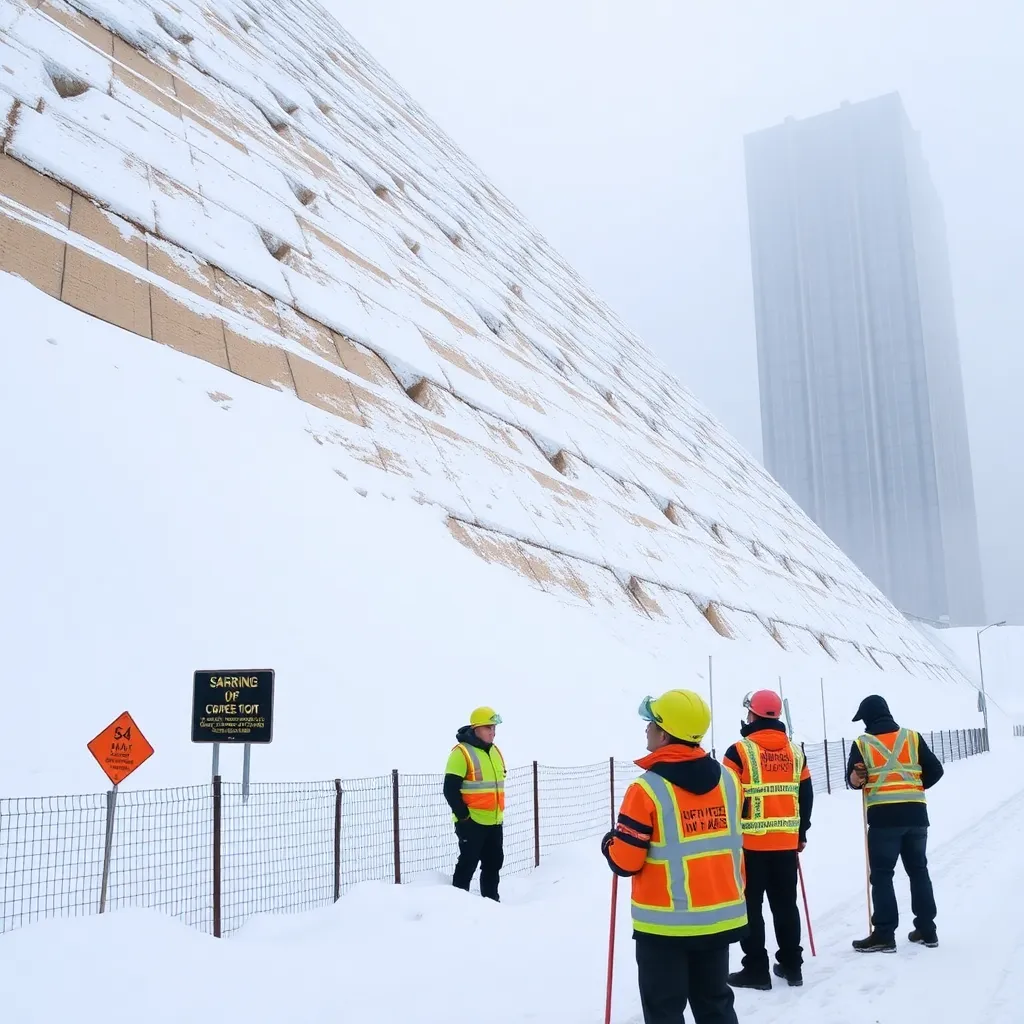
Maintenance Complexity: Snow accumulation on sloped surfaces may create “avalanches of civic ambition.”
Transportation: “Walking diagonally” may become the default mode of movement.
Light and Wind Effects: Entire neighborhoods may experience microclimates ranging from “pleasant breeze” to “wind tunnel for regrets.”
Psychological Impact: Citizens may begin thinking exclusively in triangles, leading to “unnecessary sharpness” in everyday decision-making.
City officials have dismissed these concerns as “legacy thinking.”
“People said the same thing about high-rises,” said Kline. “They said, ‘What if it’s windy?’ Well, it is windy. And we are fine. We have coats.”
When asked about the possibility that these megastructures might create socio-economic stratification—wealthy residents living higher up while poorer residents remain at the base—Triangulova assured reporters that the city is committed to equality.

“That’s why we’re installing elevators on the outside,” she said. “Everyone will be equally terrified.”
The Future: Bigger Pyramids, More Pyramids, Pyramids for Problems You Didn’t Know You Had
Epic-City’s next phase includes:
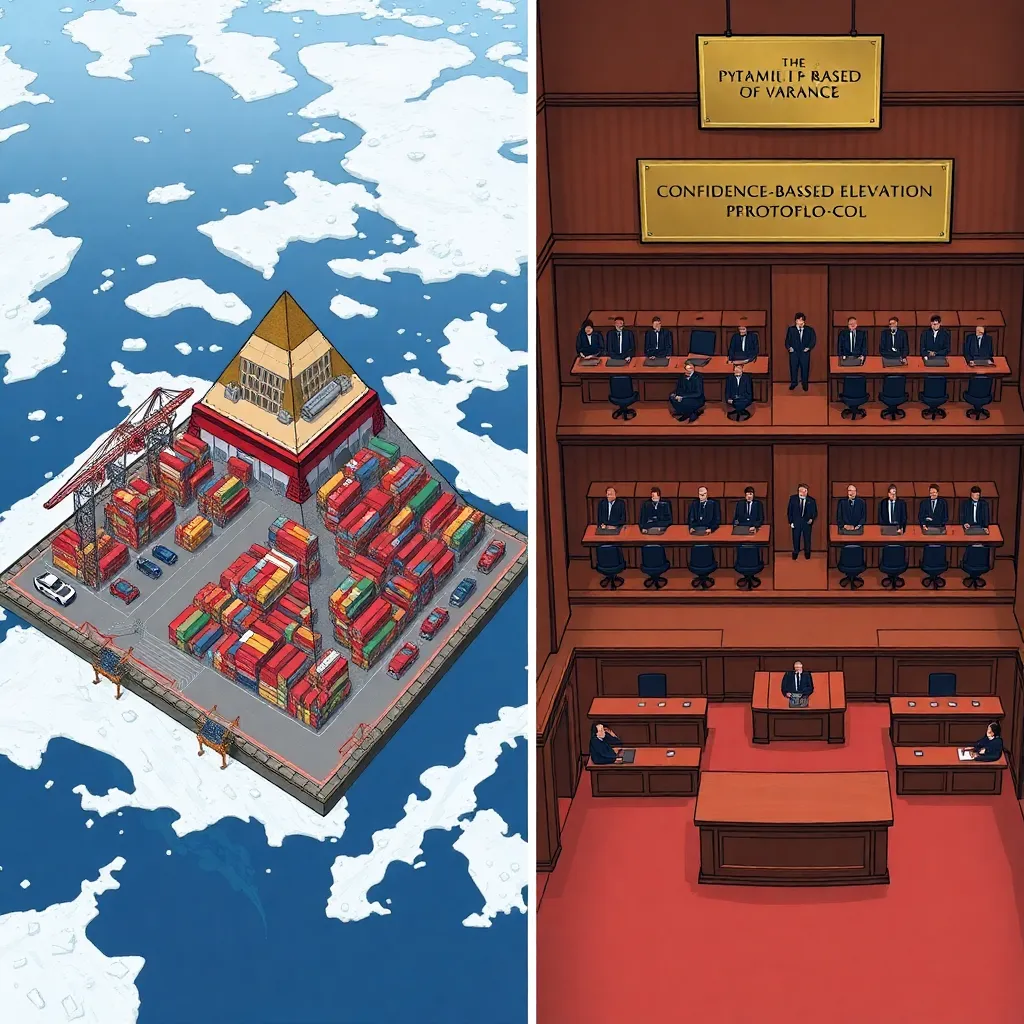
A Port Pyramid for logistics, designed to “streamline global trade by intimidating the ocean.”
A Residential Pyramid District marketed as “the cheapest luxury you can buy while living on a slope.”
A Cultural Pyramid containing museums, performance halls, and what appears to be an “Interpretive Center for the Concept of Triangles.”
A Pyramid of Governance, rumored to be a literal building shaped like a pyramid where elected officials will sit at different elevations based on how confident they sounded during debates.
The government has also teased a “surprise project” described only as “a pyramid, but emotionally.”
A City That Already Had Everything—Now Has Angles
Epic-City didn’t need pyramids. It already had infinite highrises, efficient transit, massive industry, cheap luxury housing, and enough snowy weather to make every postcard look like a tragic romance.
But that’s precisely why it built them.
In a city where everything is optimized, the pyramid offers something rare: not just function, but myth. A statement so large it can be seen from space and so simple it can be explained to any child with a ruler.
And perhaps that’s the truest reason this polar megacity has embraced an ancient shape with modern conviction.
Not because it fixes every problem.
But because, for a government with money, confidence, and an appetite for monumentality, the pyramid is the one solution that always feels like it’s working—especially when you’re already pouring the next one.
As one exhausted city engineer was overheard muttering at a construction site, staring up at yet another rising concrete slope:
“Yeah. Sure. One more pyramid, bro.”