F-15C Eagles Repainted in Full Rainbow, Instantly Become the Most Visible Objects in Three Time Zones
The Air National Guard confirmed this week that several F-15C Eagles have temporarily traded tactical camouflage for high-gloss rainbow livery in observance of Pride Month, creating what defense analysts are calling "a powerful statement," "a logistical conversation," and "the first fighter squadron ever detectable by vibes alone."
According to officials, the new paint scheme was unveiled at dawn, at which point the aircraft were visible from neighboring counties, low orbit, and at least one wedding reception that paused so guests could applaud. The jets, previously finished in practical gray, now roar across the sky in sweeping bands of red, orange, yellow, green, blue, and violet, with one maintenance chief describing the effect as "Top Gun by way of a craft store having an emotional breakthrough."
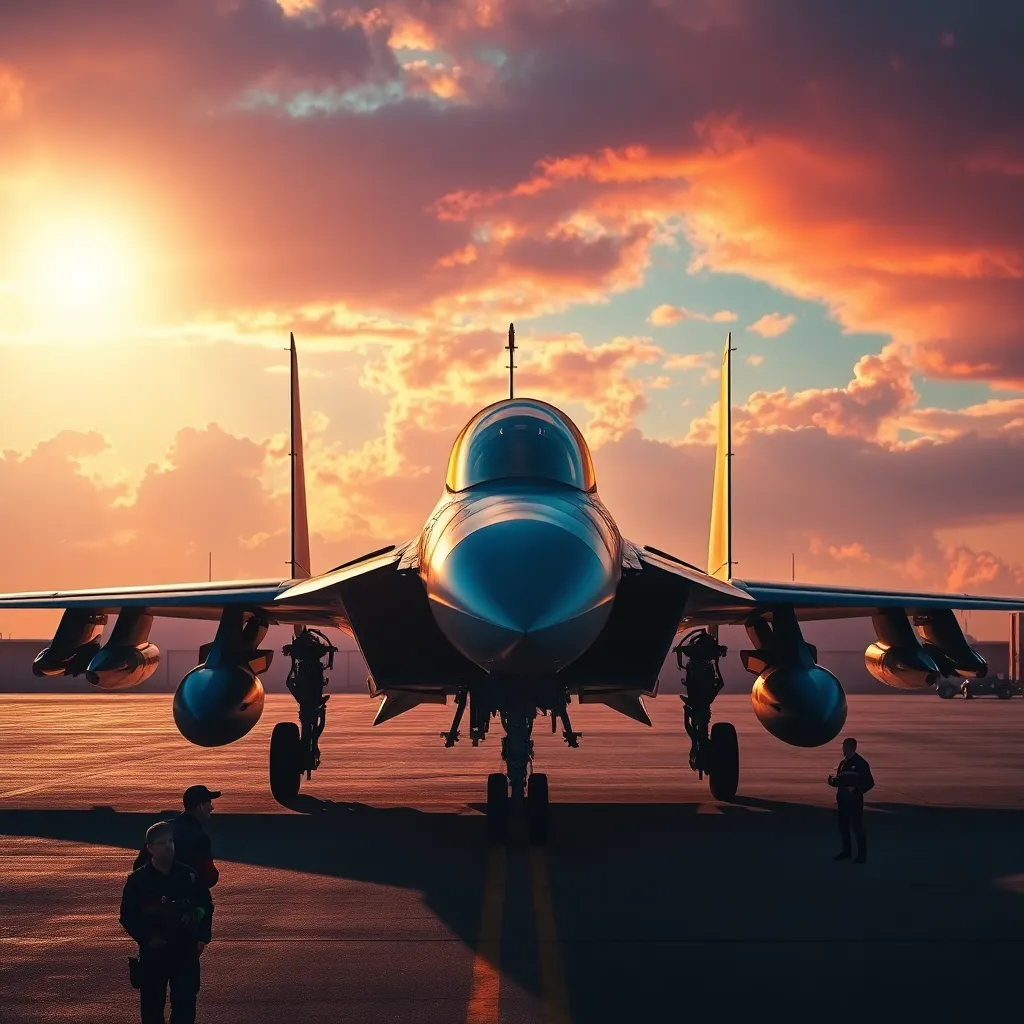
Pilots reported an immediate shift in mission profile. While the aircraft remain fully capable, they now also "arrive with a kind of radiant administrative confidence," said one aviator, adjusting a helmet decorated with a tiny sticker that simply read Be Ungovernable, But In Formation. Several described takeoff as unchanged except for the part where spectators gasped, saluted, and then took approximately 600 photos each.
Military strategists are said to be divided. Traditionalists argue that camouflage exists for a reason. Others counter that a fighter jet moving at speed is already not especially subtle, and that if one must be seen, one may as well be seen looking absolutely phenomenal. "Stealth is one doctrine," said a retired colonel. "Another doctrine is making your entrance so unforgettable that the opposition is briefly too busy complimenting the finish."
The repainting operation itself reportedly took three times longer than normal because the ground crews kept stepping back to improve the gradients. What began as a straightforward observance evolved into an exacting artistic process involving color calibration, gloss testing, and one argument over whether a vertical stabilizer should "say something emotionally." Sources say the final answer was yes.
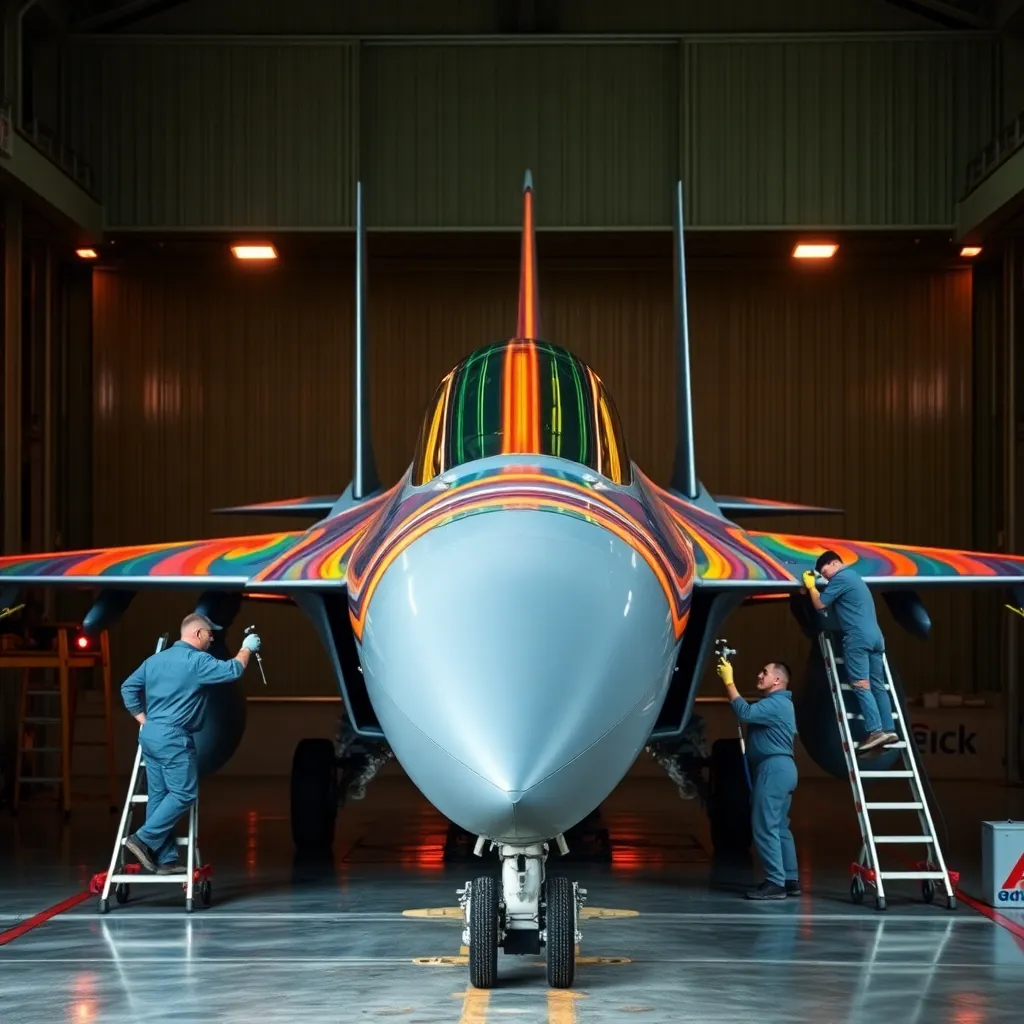
Base personnel have also noted secondary effects. Morale has increased. Sunglasses sales have surged. Nearby geese have become noticeably more respectful. One radar operator admitted the aircraft are not easier to track electronically, but "spiritually, yes, absolutely." Another claimed the squadron's flyover produced a visible improvement in local weather, though meteorologists insist that was technically just "sunlight interacting with joy at high altitude."
Critics, meanwhile, have questioned whether a rainbow-painted interceptor undermines military seriousness. In response, the aircraft participated in a training run so thunderous and precise that one skeptical onlooker reportedly removed his own complaint from a clipboard, folded it into a paper crane, and released it into the wind.
Defense contractors are already rumored to be studying possible next steps. Among the concepts circulating in procurement circles: iridescent refueling tankers, bisexual hazard-striping on munitions carts, and a limited-edition command vehicle finished in what internal documents describe as "pearlescent democracy." None of these programs have been approved, though one lobbyist was overheard saying, "We owe the taxpayer a future with options."
For now, the rainbow Eagles continue their flights, carving bright declarations over runways and cloudbanks with all the subtlety of a brass band entering a library. Children point upward. Adults squint nobly. Somewhere, a gray jet is staring at its own reflection in a hangar door and wondering whether it, too, has been living too cautiously.
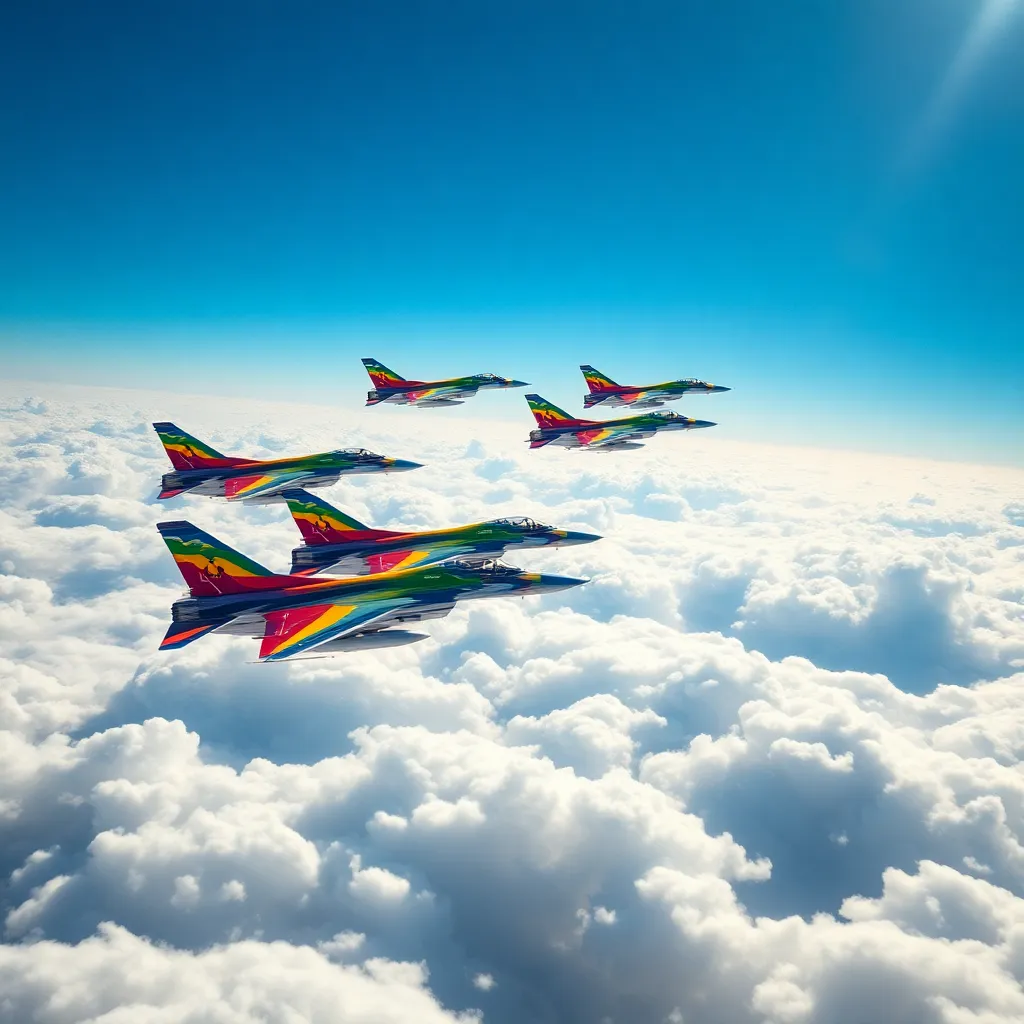
Officials say the paint is temporary. The impression, however, may prove more durable. In military terms, it is a demonstration of air power. In visual terms, it is a supersonic announcement that the sky, long monopolized by clouds and birds, has finally agreed to accessorize.