FDA Approves Flow Neuroscience’s “Zap-Your-Sad-Away” Headset, Nation Immediately Requests Over-The-Air Updates for Mood
WASHINGTON, D.C. — In what regulators describe as “a landmark moment for modern medicine” and everyone else describes as “the first time a wellness gadget has been allowed to cosplay as a prescription,” Flow Neuroscience’s transcranial direct current stimulation (tDCS) device has reportedly been approved by the U.S. Food and Drug Administration to treat depression—officially ushering in a new era where the most important part of mental health care is remembering to charge your forehead.
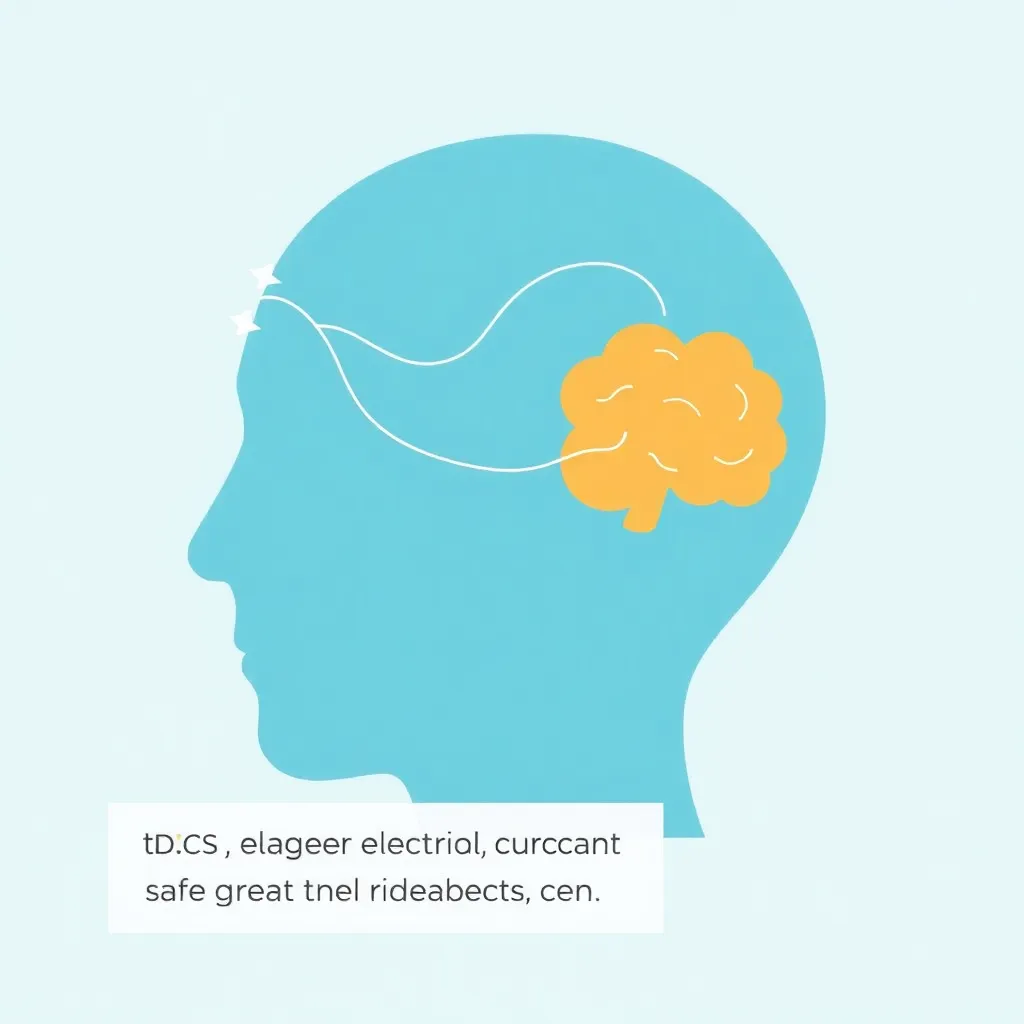
The device, which delivers a gentle electrical current through the scalp, aims to help manage depressive symptoms by stimulating targeted brain regions. The pitch, according to people familiar with the matter, is simple: If you can’t change your life circumstances, change the amperage.
“Americans have waited decades for mental health solutions that are evidence-based, accessible, and covered by insurance,” said one observer. “So naturally, we got a headband.”
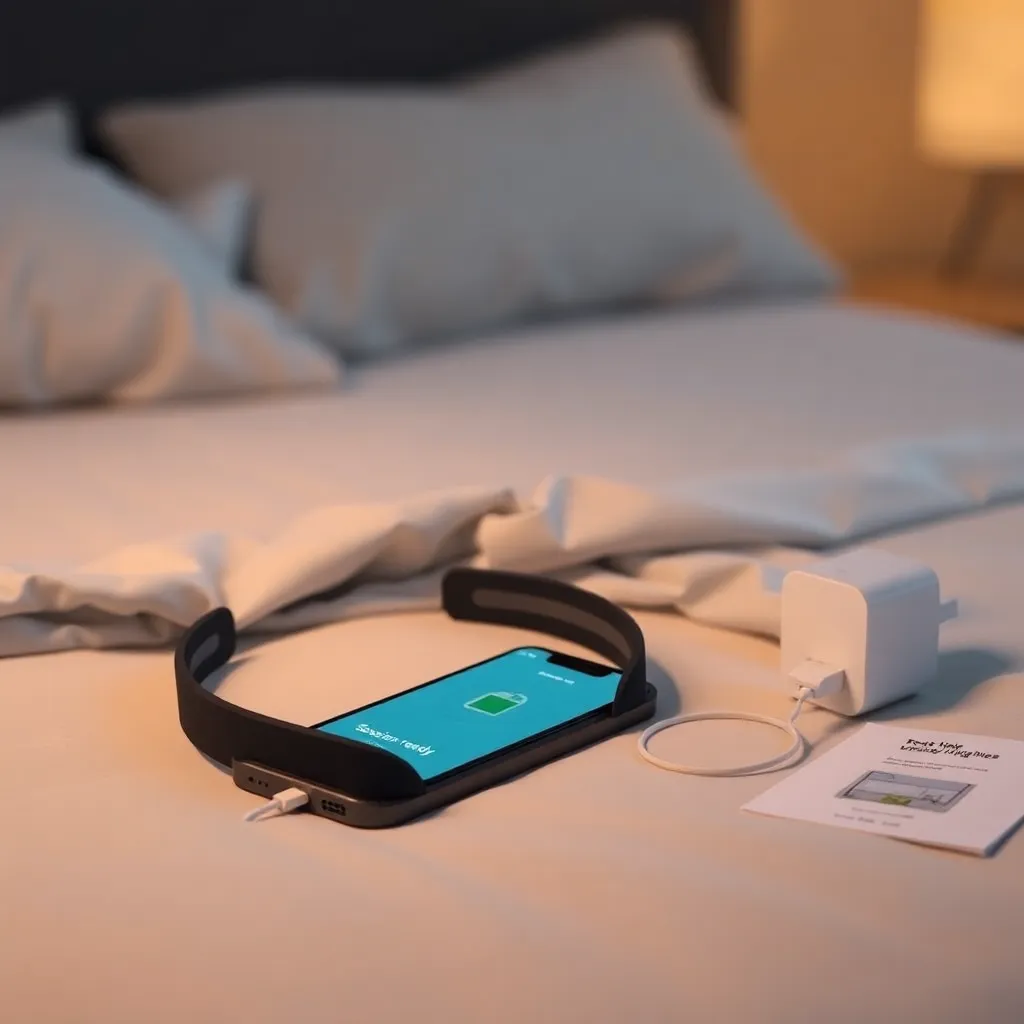
A Historic Step Forward for Healthcare, Backward for Hair
The approval has been celebrated by technology enthusiasts, biohackers, and anyone who has ever looked at the human brain and thought, What if we tried turning it off and on again, but gently?
Users reportedly wear the headset at home, placing electrodes against the head while an app guides treatment sessions—transforming what used to be a private emotional struggle into a fully trackable experience with progress bars, firmware updates, and the looming fear that the Bluetooth pairing will fail at exactly the moment you need hope.
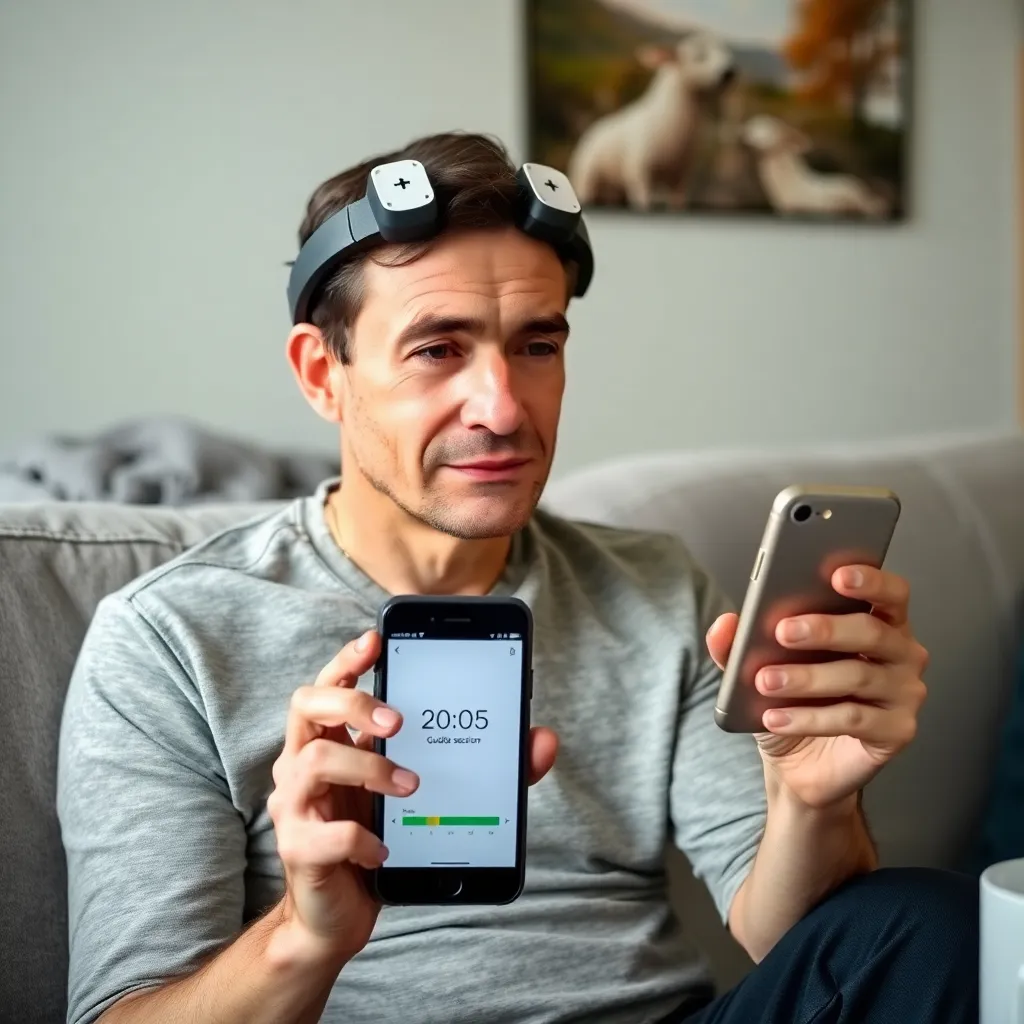
Early adopters have described the sensation as “a mild tingling,” “like a carbonated thought,” and “the feeling you get when your body is trying to remember a password.”
“I used to spiral for hours,” said one patient. “Now I spiral for 20 minutes and then my phone says, ‘Session complete.’”
FDA Offers Reassurance: “Yes, We Know It Looks Like Something You’d Buy to Fix Your Posture”
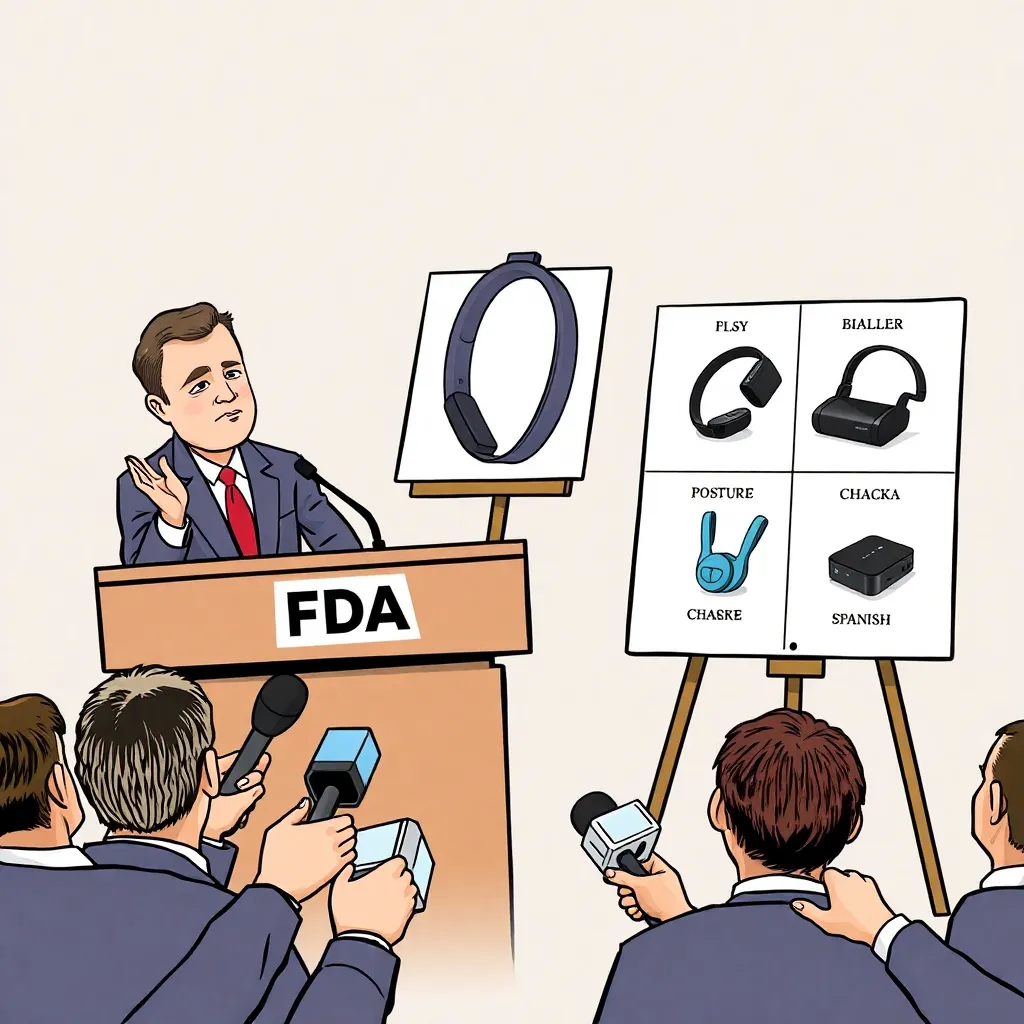
In a press briefing, officials emphasized that an FDA clearance or approval is not the same thing as a trending TikTok endorsement, and that review processes exist to ensure safety and efficacy.
They then acknowledged—quietly, with a long pause—that the device does indeed resemble “a sleek plastic head accessory that might also be used to increase your productivity, align your chakras, or teach you Spanish in your sleep.”
When pressed on whether the agency was worried Americans would confuse regulated medical treatment with general-purpose mood accessories, a spokesperson replied, “We are worried Americans will confuse everything with everything. We’re doing our best.”
Big Pharma Furious: “We Spent Decades Perfecting Side Effects”
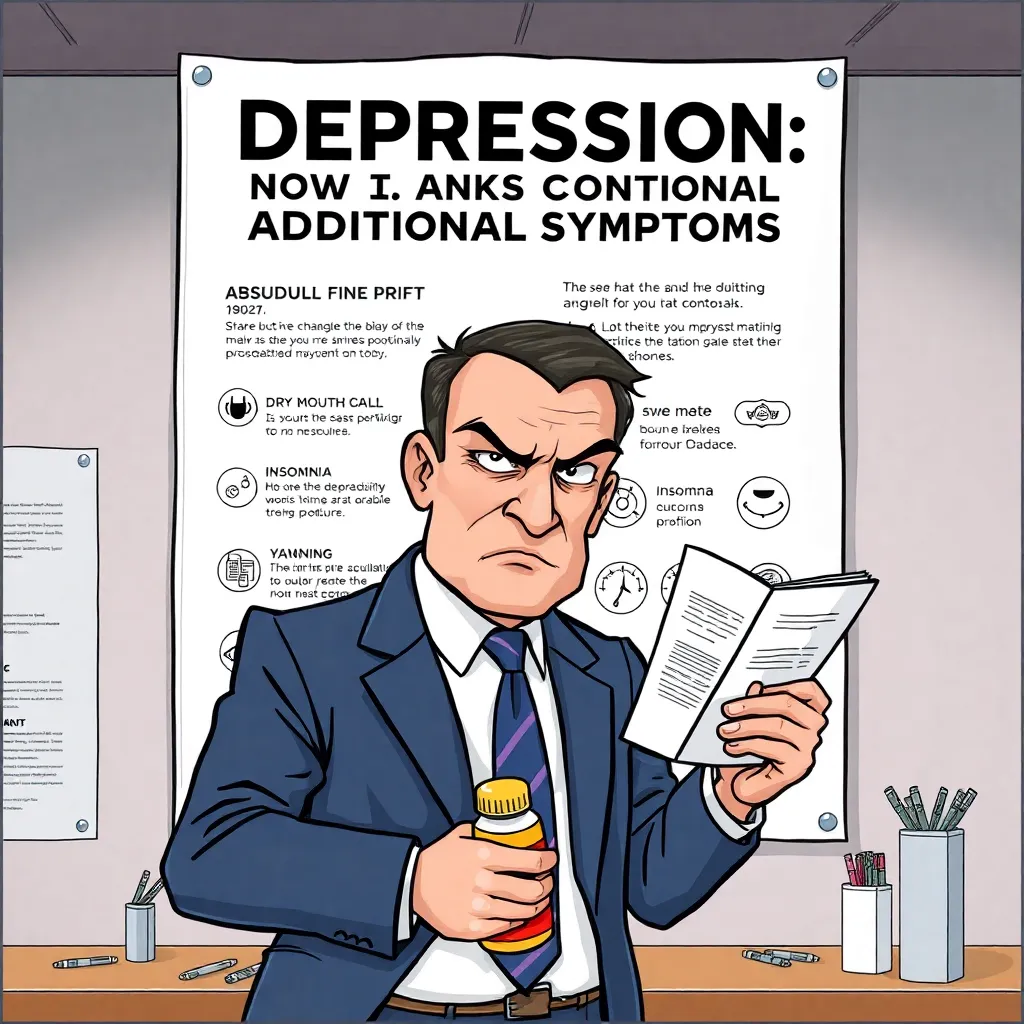
Traditional pharmaceutical companies were reportedly unsettled by the development, noting that tDCS offers a therapy pathway without the classic ritual of trying three medications, experiencing four personalities of insomnia, and developing the kind of dry mouth that makes you reconsider vowels.
“This is unfair competition,” said a representative for a major antidepressant manufacturer, standing in front of a poster that read Depression: Now With Additional Symptoms. “We worked hard to make a pill that helps you feel better but also makes you yawn like a lighthouse.”
Analysts predict the approval could reshape the mental health marketplace by introducing an option that is part medical device, part consumer tech, and part modern art.
“If you can treat depression with a wearable,” said one Wall Street strategist, “then the next logical step is treating existential dread with smart socks.”
Tech Industry Announces Immediate Plans to “Disrupt” Sadness
The technology sector, never one to let healthcare exist without adding a subscription tier, has already begun brainstorming adjacent products.
Leaked prototypes include:
A “Mood Router” that automatically boosts serotonin signals in rooms with poor lighting
A “Neural Night Mode” that reduces anxious thoughts after 9 p.m. unless you pay for Premium
A “Find My Feelings” feature that locates misplaced motivation using nearby iPhones
One Silicon Valley founder was overheard saying, “Depression is just a legacy software issue,” before being gently escorted back into a room with natural light and human conversation.
Clinicians Respond With Cautious Optimism, and a Request to Please Stop Calling It “Brain Bluetooth”
Mental health professionals welcomed the expanded attention to depression treatment, while urging the public to maintain reasonable expectations and to remember that devices generally work best as part of a broader care plan—therapy, support, lifestyle changes, and the radical intervention of not being alone with your thoughts 24/7.
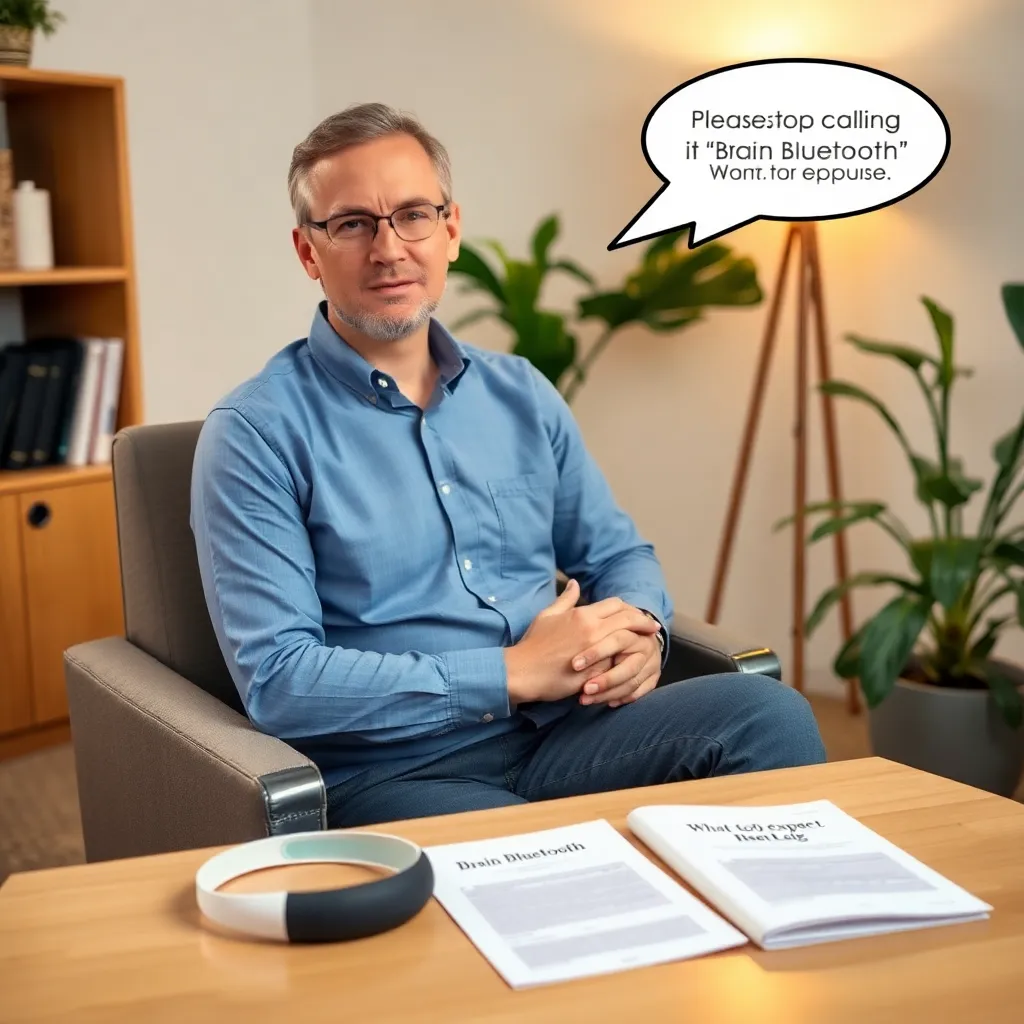
“tDCS is a real area of clinical research,” said one clinician. “But it’s not magic. It’s not a personality transplant. And it cannot, at this time, fix the group chat.”
Clinicians also asked that users not attempt to “optimize” protocols by stacking sessions, combining the device with energy drinks, or placing electrodes “where it feels most emotional.”
Consumers Already Reporting Mixed Results, Mostly Due to Modern Life

Public reaction has been enthusiastic, if occasionally confused.
“I tried it and felt calmer,” said one user. “Then I opened my email.”
Another reported, “My app says my mood is improving, but I’m not sure if that’s the stimulation or because I finally went outside.”
A third user claimed the device helped significantly, but only after they discovered the electrodes were supposed to touch their head rather than their hat.
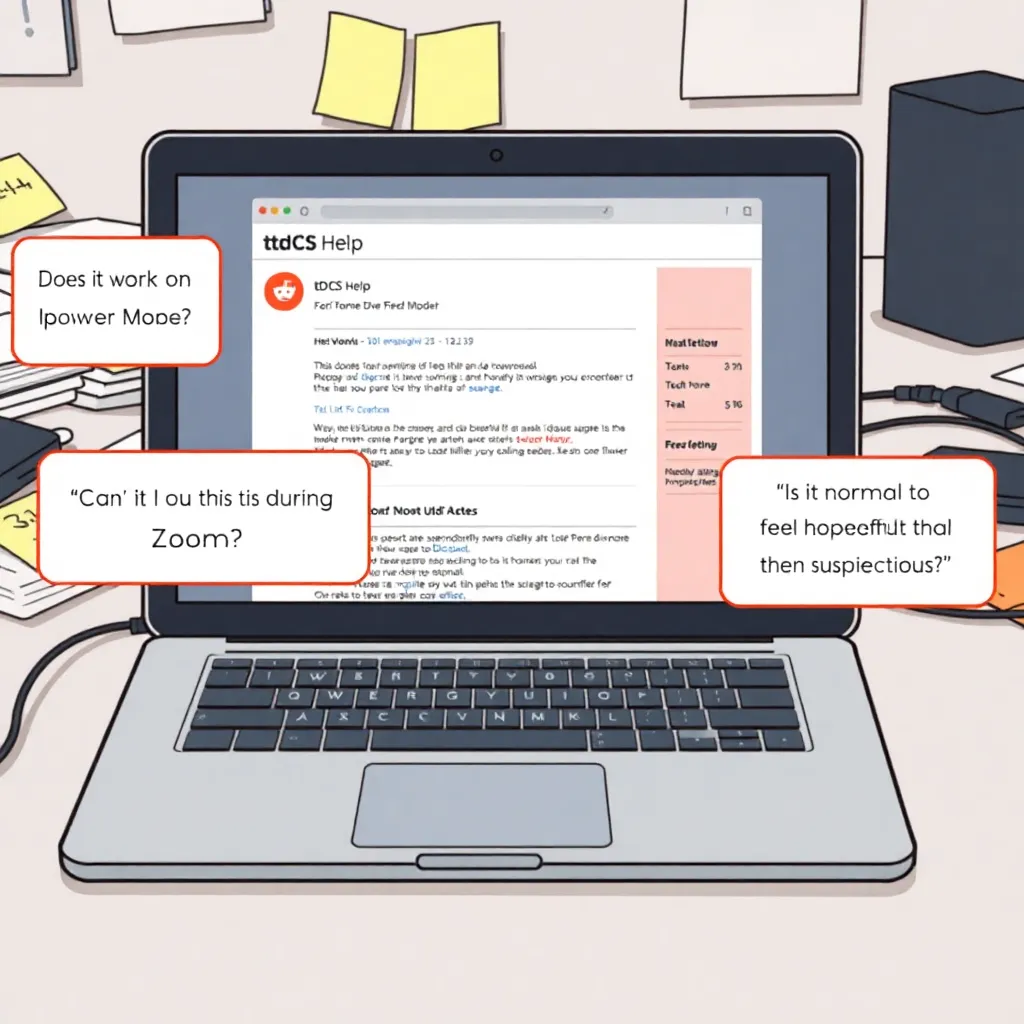
Meanwhile, support forums have lit up with classic 21st-century medical concerns:
“Does it work if my phone is on Low Power Mode?”
“Can I run the session during a Zoom meeting if I keep the camera off?”
“Is it normal to feel hopeful and then immediately suspicious of the feeling?”

Nation Awaits the Next Approval: A Device That Treats Depression by Deleting Your News Apps
With regulators, companies, and consumers entering this new chapter of at-home neuromodulation, experts predict the most significant long-term outcome may be cultural: depression treatment becoming more visible, more discussed, and more likely to be compared in unhelpful ways to charging your AirPods.
Still, many see progress—especially if the device helps people access care sooner, try additional options, or feel less alone in seeking help.
“It’s encouraging,” said one observer, watching a neighbor take a brisk walk while wearing a futuristic headband. “For years, mental health care has been hard to access. Now it comes with an app, a charging cable, and the faint hope that one day the FDA will approve a device that treats depression by placing your landlord on airplane mode.”
As always, readers are reminded that satire is not medical advice, and that anyone experiencing depression should seek support from qualified professionals—preferably ones who do not require a firmware update before they can listen.