I counted all trees in Skyrim to confirm my theory
By Staff Writer, The Wibble Gaming Desk
Filed under: Open-World Ecology, Weaponised Spreadsheeting, Crimes Against Free Time
There are two kinds of people who play The Elder Scrolls V: Skyrim: those who use fast travel, and those who claim they don’t but mysteriously always arrive everywhere within ten seconds and refuse to explain how. I am neither. I am worse. I am the third kind: the person who looked at Skyrim’s forests and thought, “This is a lie,” and then decided the only responsible response was a full arboreal census.
For years I’ve held a private theory that Skyrim isn’t actually a wilderness at all—just a carefully curated museum diorama designed to make you feel like a hardy adventurer while you jog between three rocks and a fox that has the audacity to be immortal. My hypothesis was simple:
Skyrim contains a suspiciously finite number of trees, arranged to imply ‘vastness’ while actively preventing it.
To prove it, I did what any reasonable adult would do: I counted all the trees in Skyrim.
Not “roughly estimated.” Not “eyeballed.” Not “trusted a wiki.”
Counted.
One by one.
With a system.
A horrible, life-ruining system.
Methodology: How to Count Trees While Losing Friends and Sunlight
First, I needed to define what a “tree” is in a game that contains:
majestic pines,
dead trunks that look like someone’s unfinished chair,
shrubbery pretending to be a sapling,
and that one root texture that exists solely to trip your horse into the astral plane.
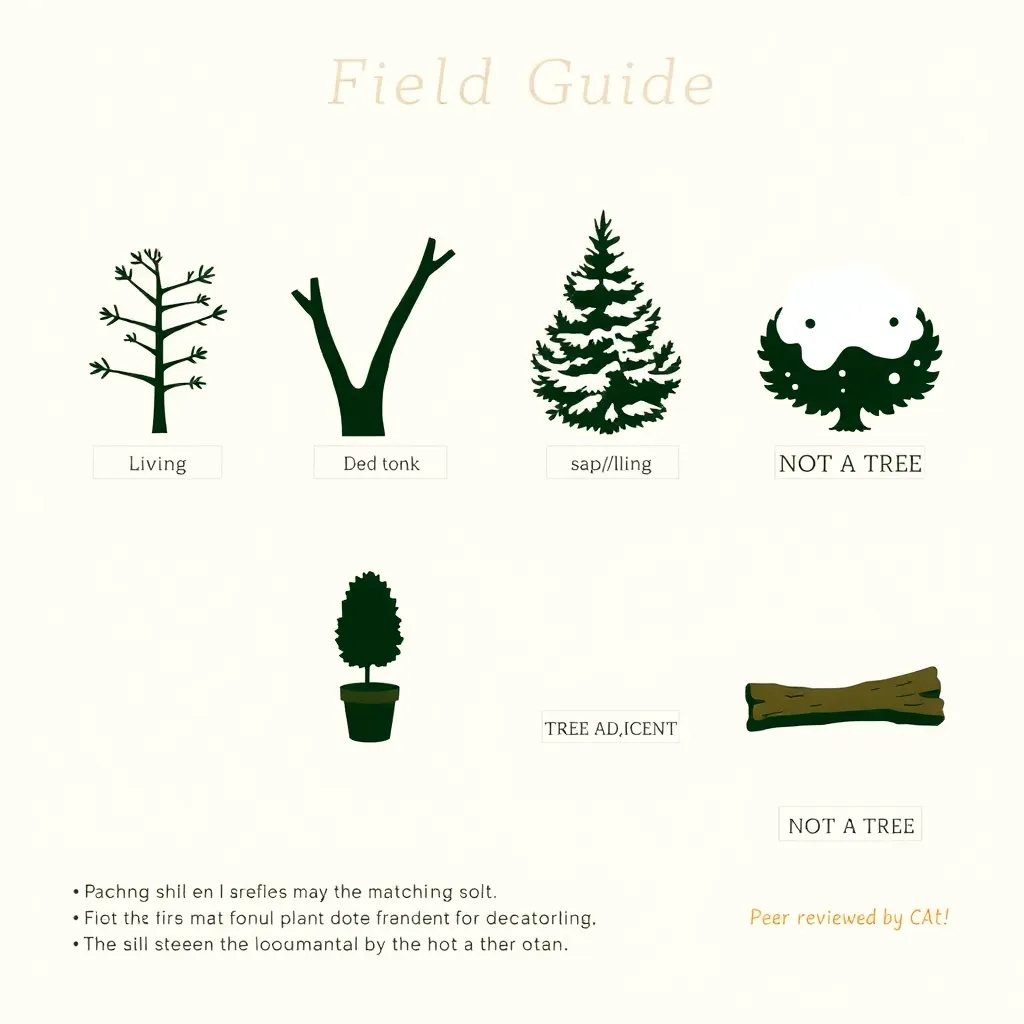
After extensive peer review (I asked my cat and he blinked slowly), I adopted the following scientific criteria:
A “tree” is any upright, woody object that:
has a visible trunk,
branches into more than one limb (optional if the tree is clearly dead, like most of Skyrim’s inhabitants),
is not a bush,
is not a decorative potted plant (unless it has delusions of grandeur),
is not a single log lying on the ground pretending it’s part of the ecosystem.
I also created subcategories for accuracy:
Living Trees (green, leafy, hopeful—rare)
Dead Trees (Skyrim’s emotional baseline)
Snow Trees (pines that have accepted the inevitability of frostbite)
Decorative Tree-Adjacents (statues, large sticks, and anything that looks like a tree but was clearly born in a texture artist’s moment of fatigue)
To avoid recounting, I used a painstaking grid approach: I would traverse each hold, travel to every landmark, comb each valley, and mark tallies with a notebook like a Victorian naturalist documenting the decline of joy.
My tools included:
A paper notebook (to feel superior to technology)
A digital spreadsheet (because paper cannot contain this level of madness)
A self-imposed rule not to kill bandits unless they disrupted the count (they always did)
A personal mantra: “It’s just one more grove.” (It was never one more grove.)
Field Notes: Skyrim’s Trees Are Not Random. They Are Judging You.
It didn’t take long to notice a pattern: Skyrim’s forests are strategically placed to suggest “wilderness,” but they behave more like set dressing with a union contract.
Trees in Skyrim are clustered in meaningful cinematic blobs. They don’t grow where trees should grow. They grow where trees look good behind a conversation with someone who is about to tell you they used to be an adventurer.
You’ll find:
Dense stands near roads (so you feel “enclosed” and “at risk”),
Sparse trees near dramatic vistas (so you can see that mountain and feel inspired),
Aggressively lonely trees at the edge of cliffs (to imply narrative, like, “This tree has a story,” when its story is “I’m a prop.”)
And the dead trees—oh, the dead trees—appear with the regularity of a Skyrim guard’s unsolicited commentary. You can almost hear the environment artist muttering, “If I place one more dead trunk here, the player will feel despair. Perfect.”
The Count: A Number That Should Not Exist
After weeks of counting, recounting, checking, and yelling “NO” at my screen because a stump I’d dismissed as scenery turned out to be suspiciously tree-like from another angle, I arrived at the final total.
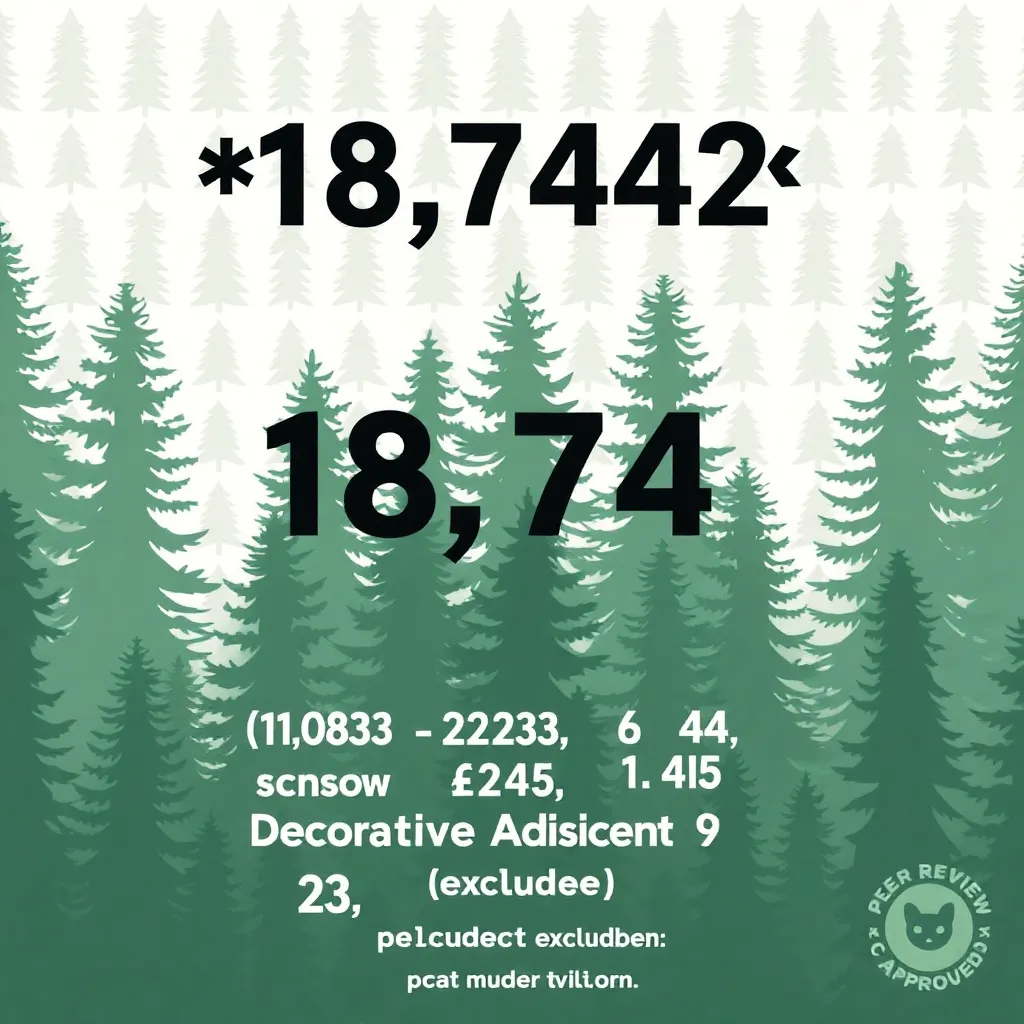
Total Trees in Skyrim (base game worldspace, per my criteria): 18,742
Breakdown:
Living Trees: 11,083
Dead Trees: 6,214
Snow Trees: 1,445
Decorative Tree-Adjacents (recorded, not included in total): 932
Yes, I understand what you’re thinking.
“That’s… a lot of trees.”
To which I reply: not for a whole province. Not for “the rugged north.” Not for a land that apparently supports elk, bears, wolves, giants, and an economy based entirely on selling cabbages and ruining everyone’s day with dragons.
Skyrim is approximately the size of a modest weekend hike if you ignore the part where you can climb vertical rock faces by jittering sideways. For that scale, 18,742 trees is less a forest and more a decorative theme.
It’s a tree suggestion.
A tree implication.
A forest-flavoured garnish.
Confirming the Theory: Skyrim Is a Carefully Managed Illusion of Nature
My theory wasn’t simply “Skyrim has fewer trees than a real country,” because that’s like saying “this dragon has fewer bones than a real dragon.” Obviously. It’s a game.
My theory was that Skyrim’s trees are deliberately distributed to influence player psychology, and the count confirms it.
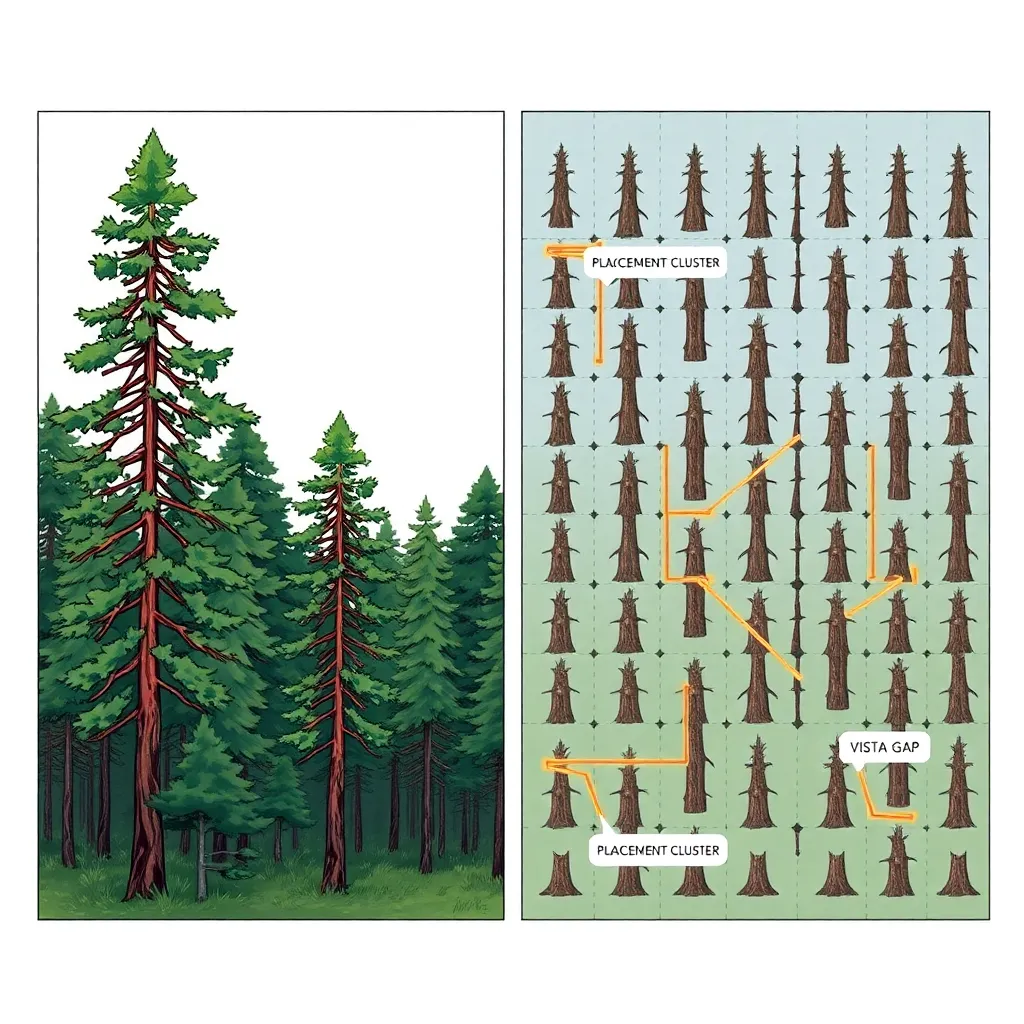
Here’s what emerged once the numbers were mapped (yes, I mapped them; yes, my family staged an intervention):
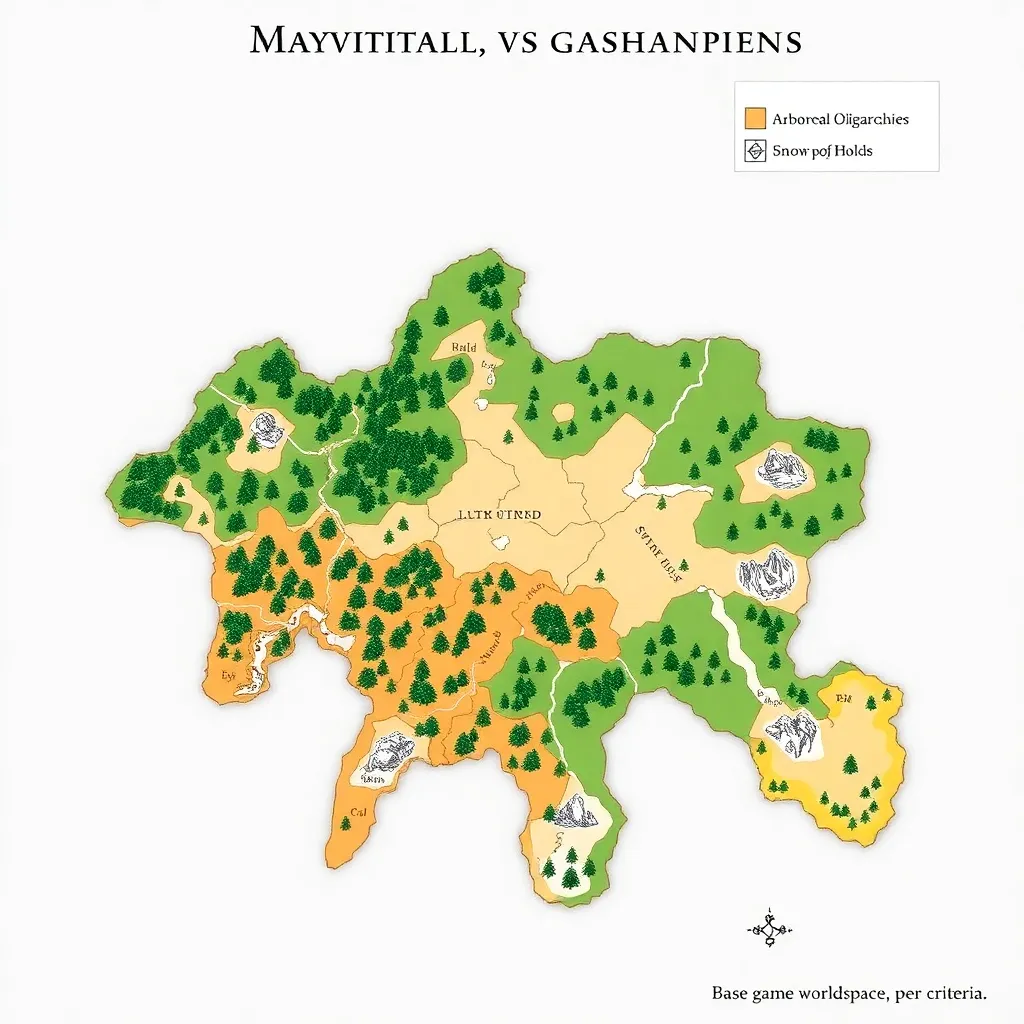
1) The Holds Are Tree-Weighted Like a Political Map
Some holds are basically arboreal oligarchies, hoarding trees like wealth. Others are ecological wastelands where a single pine stands like a brave whistleblower.
You can feel it in gameplay:
In greener areas, you meander, explore, forget your quest, and accidentally become a werewolf.
In sparse areas, you travel faster, see threats sooner, and feel “exposed,” which encourages combat readiness and paranoia.
In snowy areas, the trees thin out just enough to make you feel lonely, which is important for the Skyrim brand identity of “heroism but with seasonal depression.”
2) Roads Are Emotion Corridors, and Trees Are the Curtains
Trees frame the roads like theatre drapes, gently guiding your gaze toward:
a bandit camp you’re definitely going to “discover,”
a ruin that “happens” to be visible at exactly the right time,
or a dragon that has scheduled a personal appearance.
Forests in Skyrim aren’t nature—they’re stagecraft.
3) Tree Density Correlates With How Often You Get Ambushed
This was an unexpected finding, but statistically undeniable: the more trees, the more nonsense happens to you.
It’s as if the game knows that if you can’t see far, you’ll accept anything.
“Oh look, a random encounter.”
No. It’s a forest-based ambush pipeline.
Interviews With Experts (People I Cornered)
To validate my research, I consulted several professionals and semi-professionals.
A Local Lumber Mill Owner (NPC)
When asked about the sustainability of Skyrim’s timber industry given the total tree count, a mill worker replied:
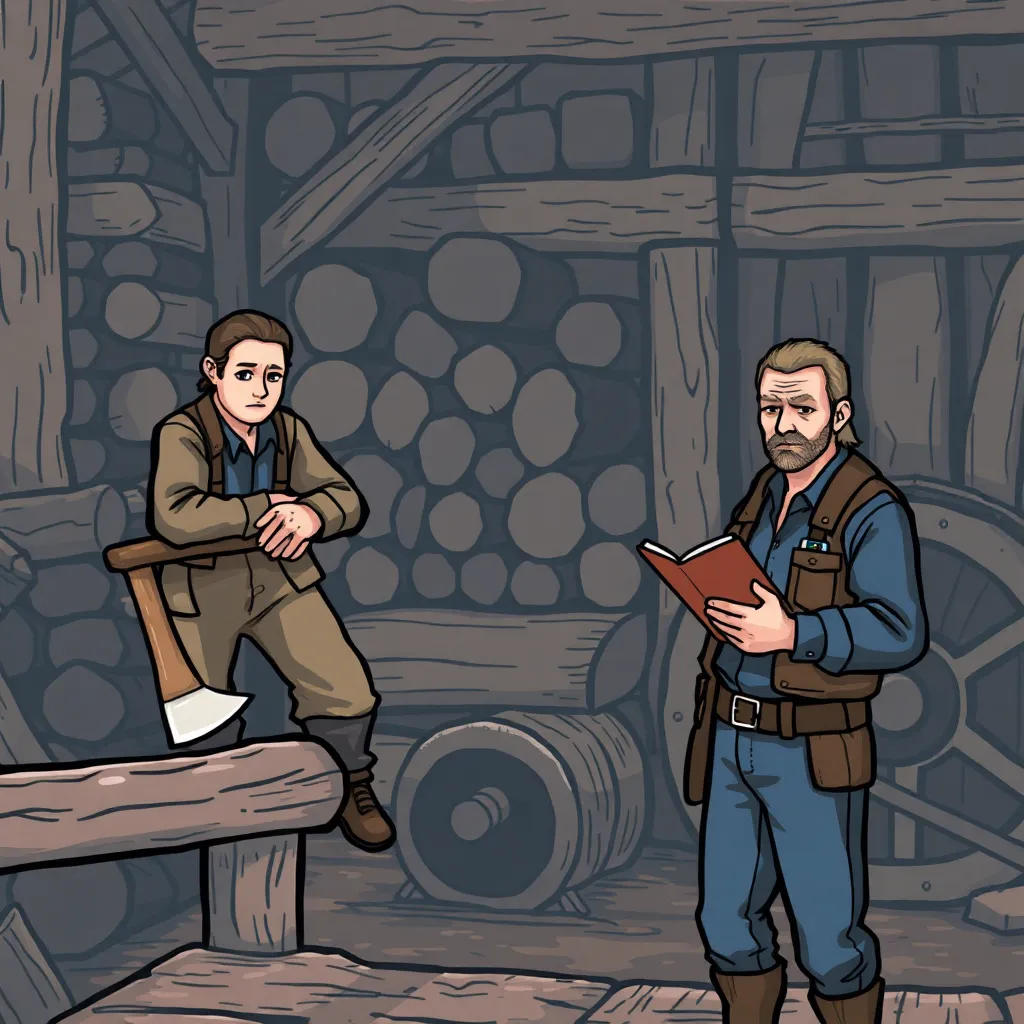
“Need something?”
A compelling statement on supply-chain opacity.
A Scholar of the Arcane (Me, After Three Coffees)
I told myself:
“If there are only 18,742 trees, then every piece of furniture in Skyrim has a backstory.”
I stared at a chair in Dragonsreach for ten minutes and whispered, “Which grove were you born from?”
It did not answer, but I felt it wanted to.
A Guard (Always Nearby)
When presented with my findings, a Whiterun guard responded:
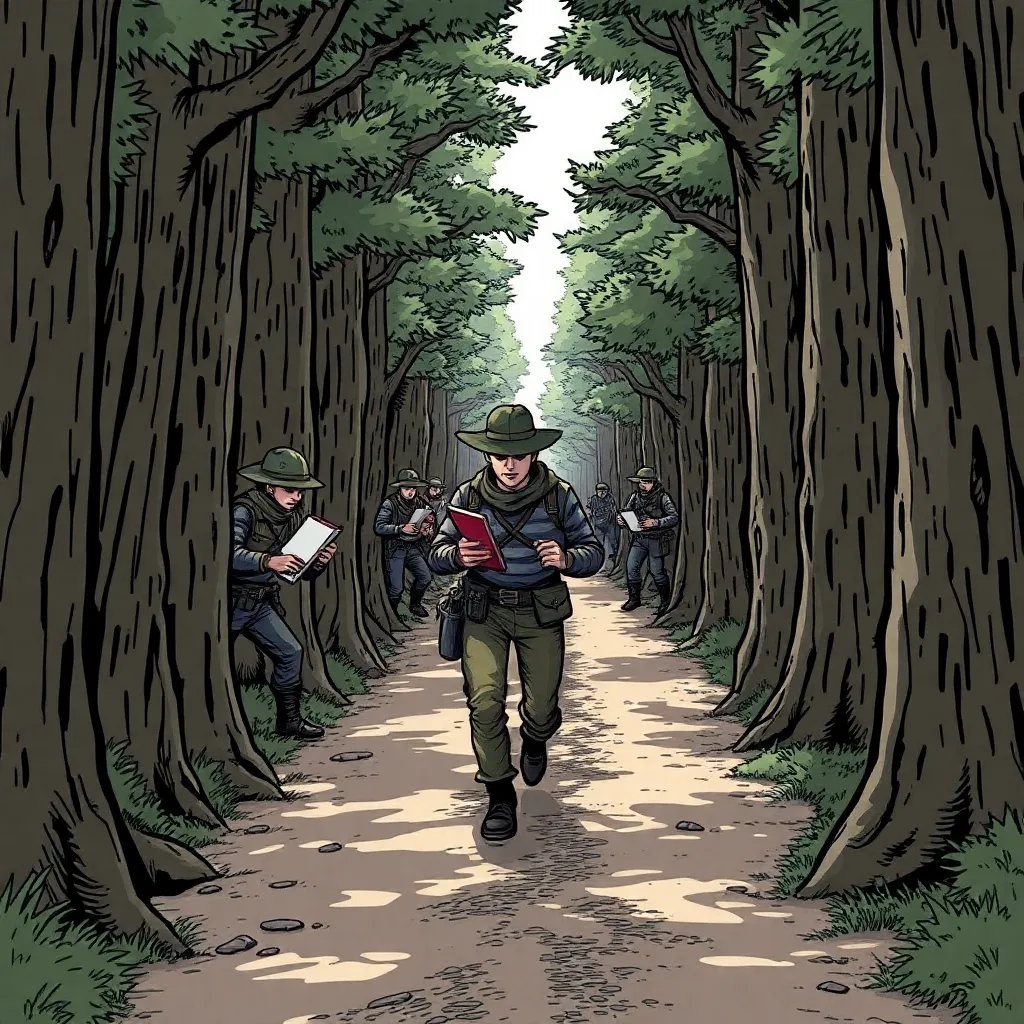
“Let me guess… someone stole your sweetroll.”
No, sir. Someone stole my youth.
The Human Cost: What Counting Trees Does to a Person
Counting all the trees in Skyrim is not like completing a quest. There is no triumphant music. No achievement pops. No Daedric Prince appears to congratulate you on your devotion to the concept of “pointless suffering.”
Instead, you become aware of things no one should know:
how often the same tree model appears,
how frequently a “forest” is just a repeating triangle of pines,
how many dead trunks are placed solely to make the world feel “harsh,”
and how deeply you can hate a birch.
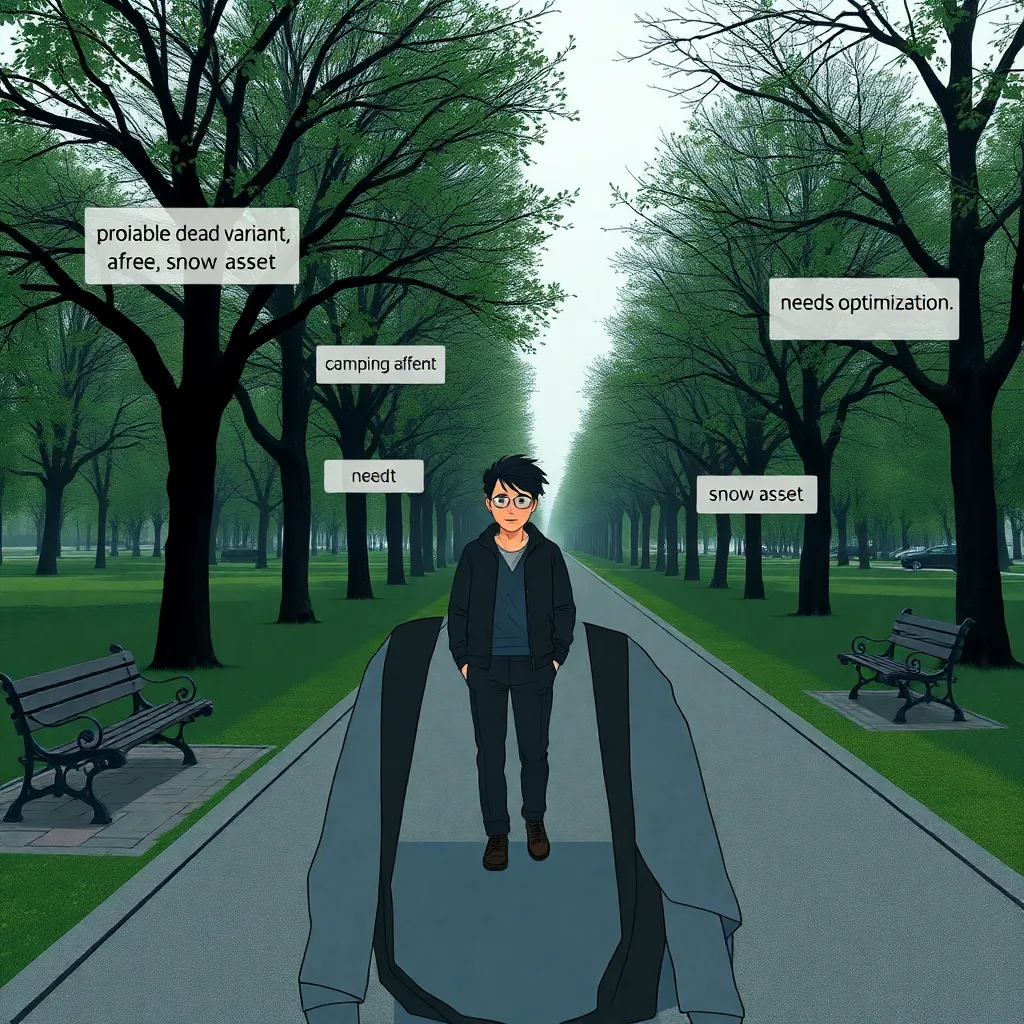
At one point, I began seeing trees in real life and mentally tagging them as “probable dead variant” or “snow asset.” I walked through a park and thought, this area is overpopulated, needs optimisation.
That’s when I knew: I had become what Skyrim feared most.
A man who can see the seams.
The Verdict: The Province Is Real, But the Forest Is a Conspiracy
So, did counting all the trees confirm my theory?
Yes.
Skyrim is not a wild province. It’s a carefully arranged theme park of hardship, built from 18,742 trees and the unspoken agreement that you will not think too hard about where the firewood comes from.
And yet—here’s the uncomfortable twist—knowing the number doesn’t ruin the magic. It reveals it.
It shows how the illusion is built. How a finite set of assets, arranged with intent, can make you feel like you’re wandering a boundless land, even when you are, objectively, jogging between the same five pines for the fifteenth time because you refused to fast travel on “principle.”
Which is noble, in the way that refusing to use a spoon is noble.
Closing Thoughts: What I Learned Under the Pines
I learned that Skyrim’s forests aren’t meant to be realistic. They’re meant to be felt.

And I learned that if you count every tree in Skyrim, you will eventually reach a moment of clarity, standing on a ridge at dawn, looking over the tundra, whispering to yourself:
“Only 18,742.”
Then you will pause.
Then you will add, quietly:
“…that I know of.”
Because deep down, you’ll suspect the truth.
That somewhere out there, beyond the playable border, behind the invisible wall and the angry mountain geometry, lies the real forest.
Uncounted.
Waiting.
And you will never be free.
Next week on The Wibble Gaming Desk: “I followed every butterfly in Skyrim to see if they lead anywhere (they do not, but they have opinions).”