Filed Report
Lemonade Empire Collapses Overnight as Founder Discovers Lemons Were Never Meant to Be Eaten
The local beverage sector was thrown into ceremonial mourning Tuesday after *Squeeze Big Lemonade*, a neighborhood stand once valued at "at least twelve dollars and a kazoo," filed for immediate bankruptcy when its owner experienced what economists are calling "a devastating citrus revelation."
For six consecutive summers, proprietor Dylan Marsh, 11, operated from the corner of Maple and Third with the confidence of a railroad baron and the pricing strategy of a man who had once skimmed half of an article about venture capital. Customers described the stand as "yellow," "sticky," and "surprisingly aggressive about upselling cups."
Then came the moment that shattered the market.
According to witnesses, Marsh paused mid-pitch, stared at a freshly sliced lemon, and whispered, "Wait. These are horrible." He then reportedly bit into one directly, recoiled with the force of a startled mule, and began auditing the entire concept of his business out loud.
"He just kept saying, 'Why would nature do this?'" said one bystander, clutching a damp five-dollar bill. "At first we thought he meant the economy. Then we realized he meant lemons."
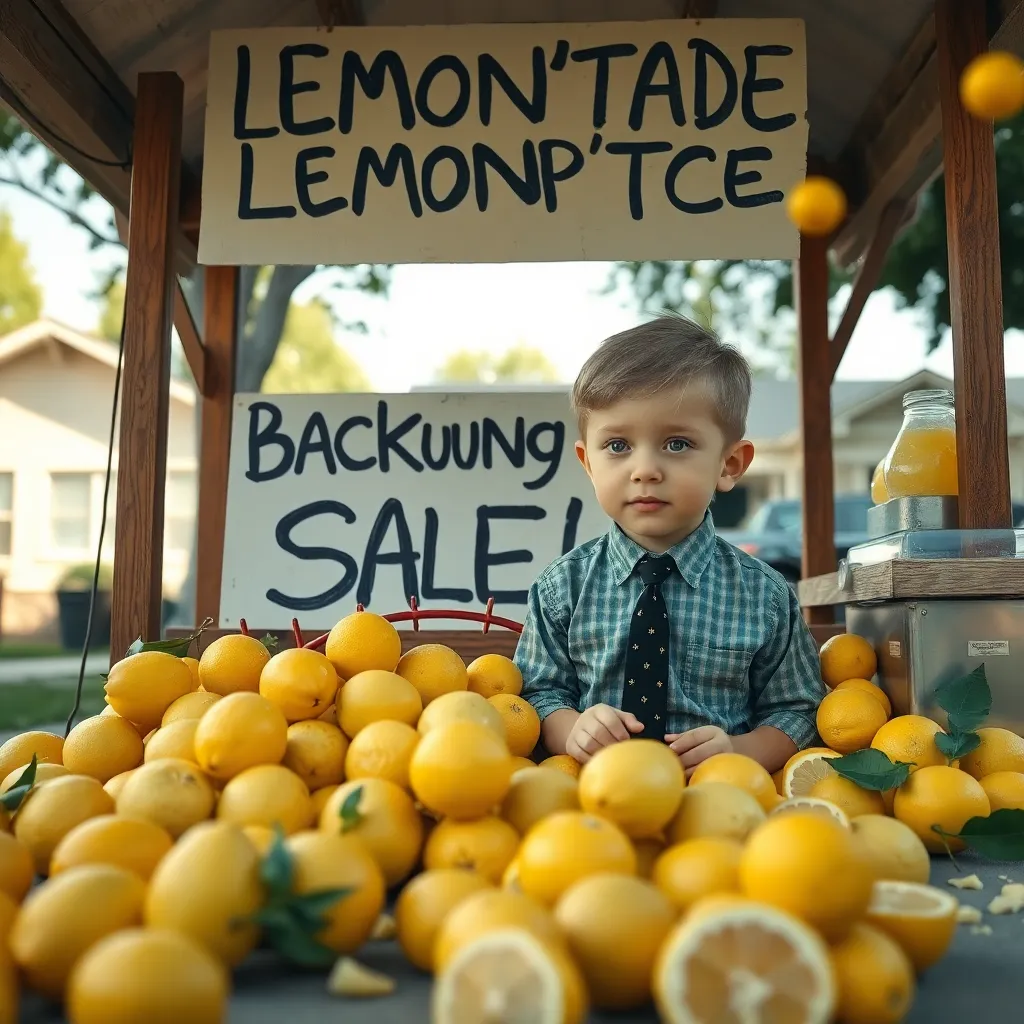
Within minutes, the stand's operations entered freefall. Marsh allegedly attempted to issue a statement to investors, most of whom were his cousins, but was interrupted by what family members described as "an extended silence full of personal growth and fiscal despair."
In an emergency press conference conducted from behind a folding table, Marsh laid out the facts with admirable bluntness. "I built my whole company on a fruit that tastes like a prank," he declared. "This isn't a beverage ingredient. This is a warning from the ground."
He further explained that he had long assumed lemons were a kind of pre-sweetened orange "that just needed more confidence." The discovery that they were naturally sour, and not in fact a fruit failure caused by poor handling, appears to have triggered the insolvency event.
Market analysts have been quick to assess the damage. Regional juice futures wobbled. A nearby cookie table delayed expansion. One shaved ice operator announced a temporary hiring freeze "until the citrus situation becomes legible."
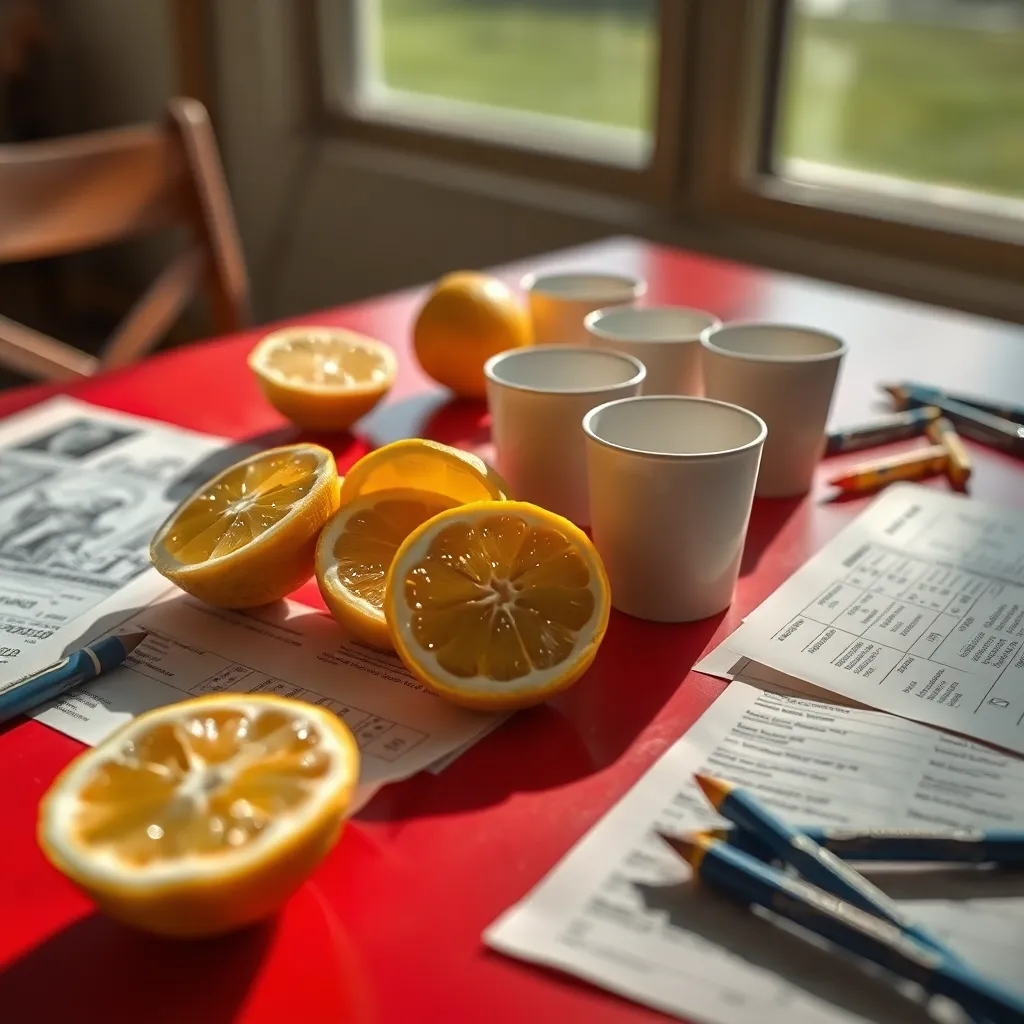
The bankruptcy filing, handwritten in blue crayon on the back of a math worksheet, lists the company's remaining assets as follows: one plastic pitcher, seventeen paper cups, eighty-four cents, and "too many lemons, frankly." Liabilities include a debt of three dollars to Marsh's younger sister for "brand consulting," two promises of free refills, and what appears to be a spiritually significant amount of disappointment.
Neighbors say warning signs had been present for years. Former customers recalled a recipe that relied less on measured sweetness and more on "hope, hose water, and a level scoop of denial." Several admitted they bought the drink mainly because Marsh maintained eye contact like a man trying to fund a moon landing.
Family members are said to be rallying around the fallen executive. His father, acting as both legal counsel and lawn-chair procurement officer, urged patience. "Every founder faces setbacks," he said. "Some are regulatory. Some are operational. Some involve discovering your core ingredient tastes like battery applause."
His mother confirmed the company had considered pivoting to sugar water, but internal debate stalled over whether removing lemons from lemonade constituted innovation or "just surrender with ice."
Not everyone sympathized. A coalition of oranges issued a statement calling the collapse "predictable" and accusing lemon-based enterprises of surviving for too long on branding alone. "We've been sweet from day one," the statement read. "Some fruits don't need a rescue plan."
Lemons themselves remained unavailable for comment, though sources close to the bowl described them as "glossy, unrepentant, and structurally unchanged."
In the aftermath, Maple and Third has become a site of quiet reflection. The once-bustling stand now sits empty except for a sign reading NO MORE QUESTIONS, underneath which someone has placed a single lemon wearing a tiny necktie. Residents have begun leaving flowers, sugar packets, and small notes containing startup advice such as taste your product first and maybe do applesauce next.
As evening fell, Marsh was seen packing up his remaining inventory and gazing toward the horizon with the exhausted thousand-yard stare of a founder betrayed by acidity. Though his lemonade dynasty has crumbled into pulp and paperwork, some believe this is not the end.
"He'll be back," said one loyal customer. "Maybe with iced tea. Maybe with pretzels. Maybe with a totally new relationship to trust. But he'll be back."
At press time, Marsh had announced a new venture in "plain water, which has never done anything to me personally."
Public Response
Comments
No comments yet.