Linus Sebastian Liquid-Cools the Atlantic Ocean After Purchasing USS Gerald R. Ford for "Ultimate Gaming Rig"
In a move that has sent shockwaves through both the tech industry and the Department of Defense, Linus Media Group has officially acquired the decommissioned USS Gerald R. Ford aircraft carrier. The 100,000-ton nuclear-powered vessel, formerly the pride of the U.S. Navy, is currently being towed toward a secret harbor in British Columbia to undergo what Linus Sebastian calls "the most ambitious cable management project in human history."
The acquisition, reportedly funded entirely by screwdriver sales and a very aggressive sponsor segment from a VPN provider, aims to solve the one problem every hardcore gamer faces: lack of floor space for a dedicated flight simulator.
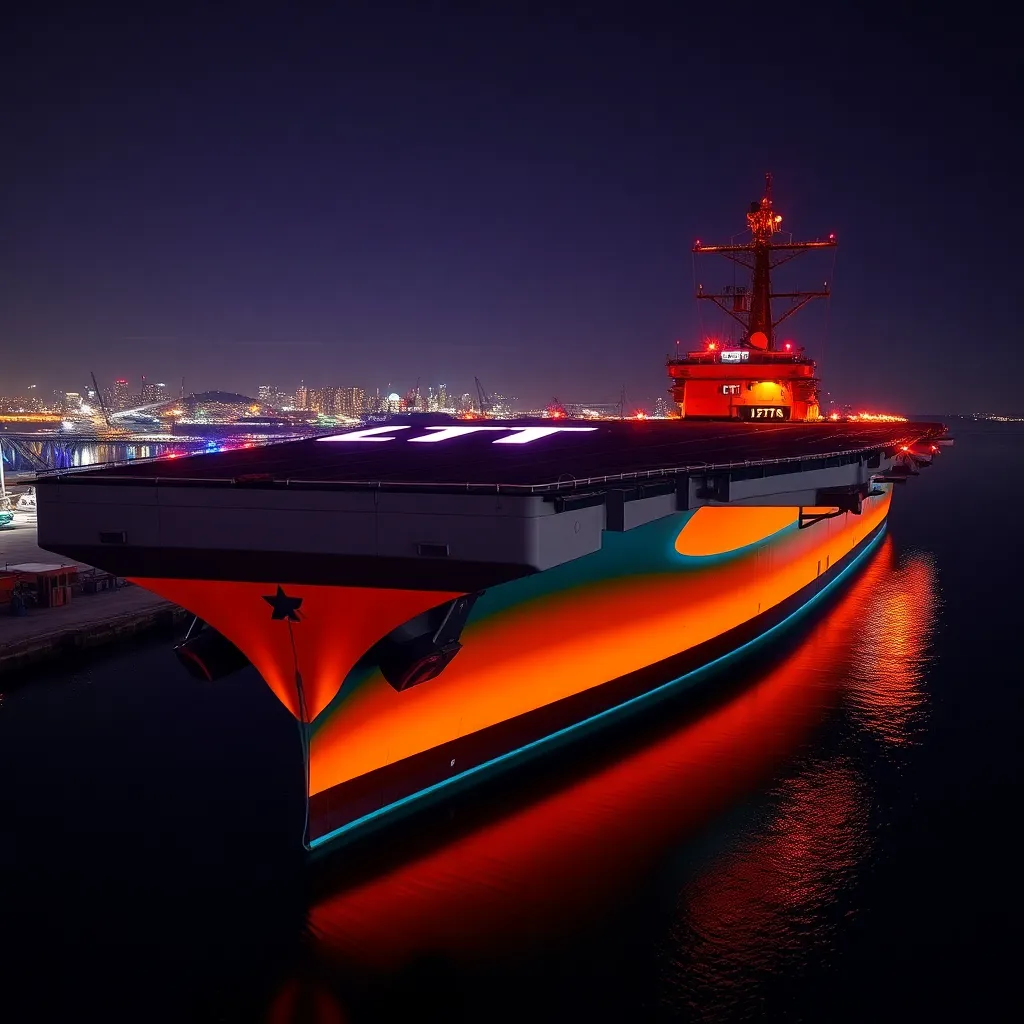
"The thermal overhead on this thing is insane," Sebastian shouted while dangling from a crane over the ship’s four C13B electromagnetic aircraft launch systems. "We’re not just launching F-18s anymore. We’re using the EMALS technology to flick-shot 3090 Ti GPUs directly into the hands of our writers across the office. It’s about workflow efficiency."
The ship’s dual A1B nuclear reactors are being retrofitted to power a single, massive Minecraft server with a render distance set to 'Infinite.' However, the real engineering marvel lies beneath the waterline. Engineering teams have begun installing a custom-loop liquid cooling system that utilizes the entire North Atlantic Ocean as a reservoir.
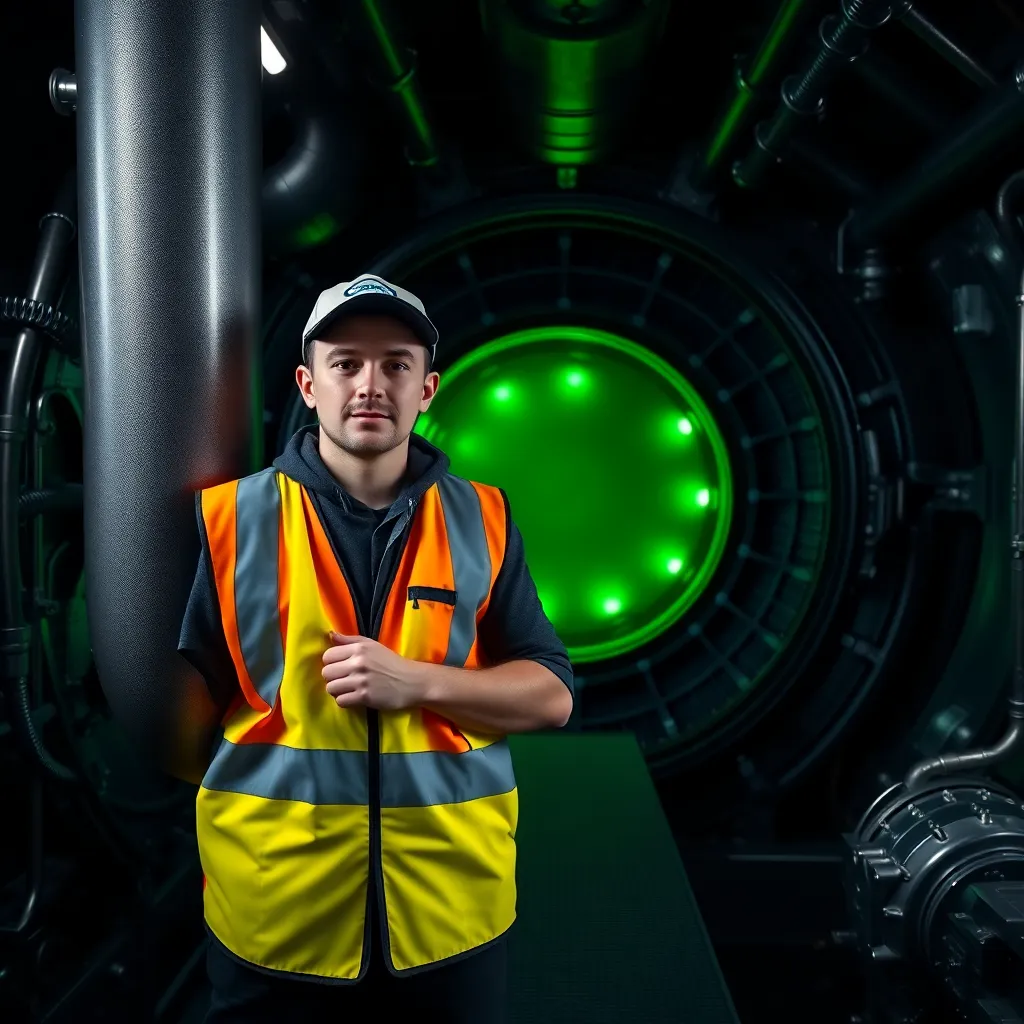
"Air cooling is for peasants," Sebastian remarked, dropping a prototype motherboard into a vat of mineral oil the size of a swimming pool. "By cycling seawater through a series of industrial heat exchangers, we can finally overclock an Intel i9 to 12GHz without the deck plating melting into the crew quarters. It’s basically a giant Noctua fan, but with more sharks."
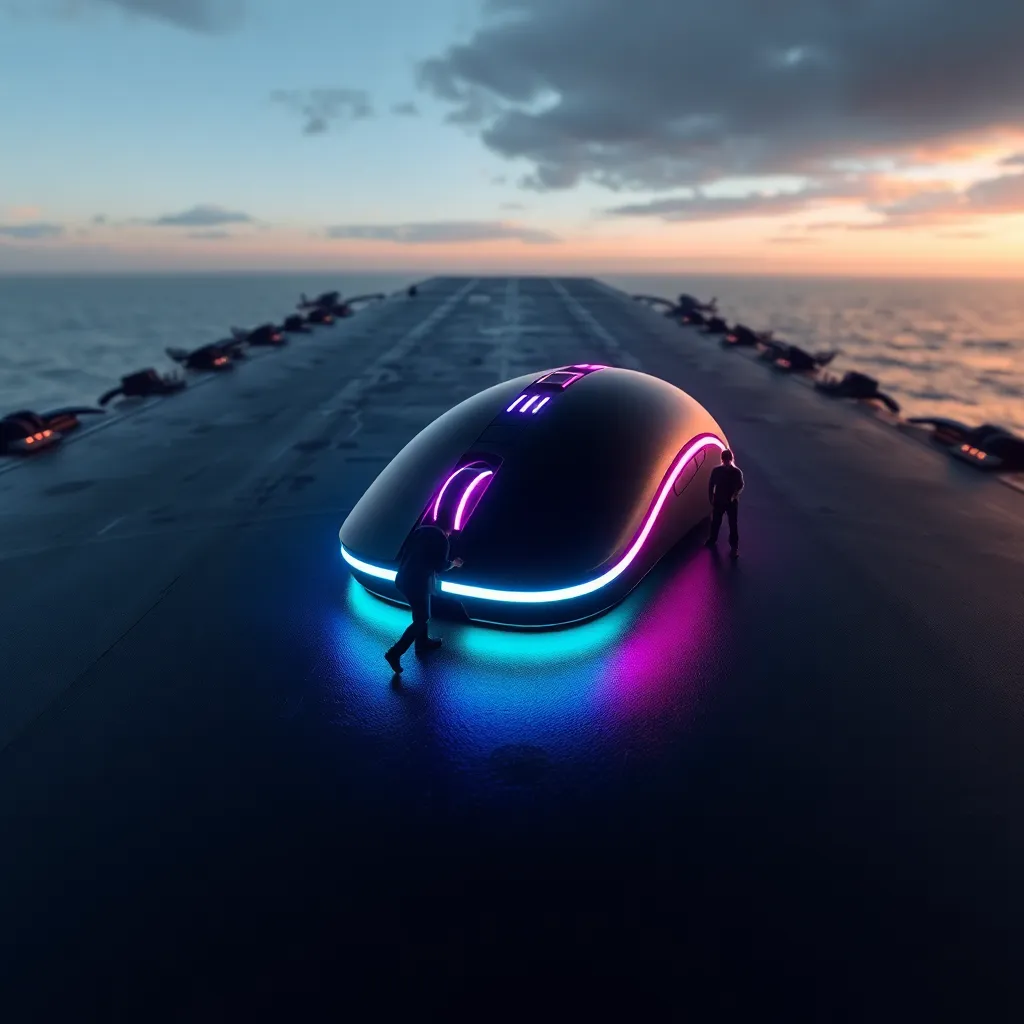
The flight deck is being repurposed into the world’s largest mousepad, featuring a custom-woven microfiber surface that requires a team of thirty interns with Zambonis to clean every morning. Plans are also in place to convert the ship’s "Island" superstructure into a dedicated RGB control tower, capable of emitting a light show visible from the International Space Station.
Critics have pointed out that the vessel’s operational costs exceed $7 million a day, a figure the LTT team plans to offset by turning the brig into a high-intensity "Scrapyard Wars" arena where contestants must build functional PCs out of discarded torpedo components and rusted hull plating.
As of press time, the Canadian Coast Guard has issued a maritime warning after the ship’s primary radar array was replaced with a 50,000-watt Wi-Fi 7 router, accidentally frying the electronics of every toaster within a fifty-mile radius of Vancouver.