Magnetic Sorcery Sweeps Nation as Citizens Finally Accept Fridge Door Is a Portal
There was a time when magic required robes, moonlit chanting, and at least one deeply unreliable crow. Those barbaric centuries are behind us. The modern era has streamlined enchantment into something cleaner, shinier, and dramatically more likely to be sold in a hardware aisle: magnetic sorcery, the elegant new discipline in which invisible forces silently dictate the fate of paperclips, car keys, and occasionally regional transportation policy.
Experts, who now refuse to be called physicists because it sounds "too timid," insist we are living through a historic transition. “Electricity had its moment,” declared one leading field whisperer while making twelve forks stand upright on a radiator. “But magnetism has the better branding. It doesn’t just move things. It chooses them.”
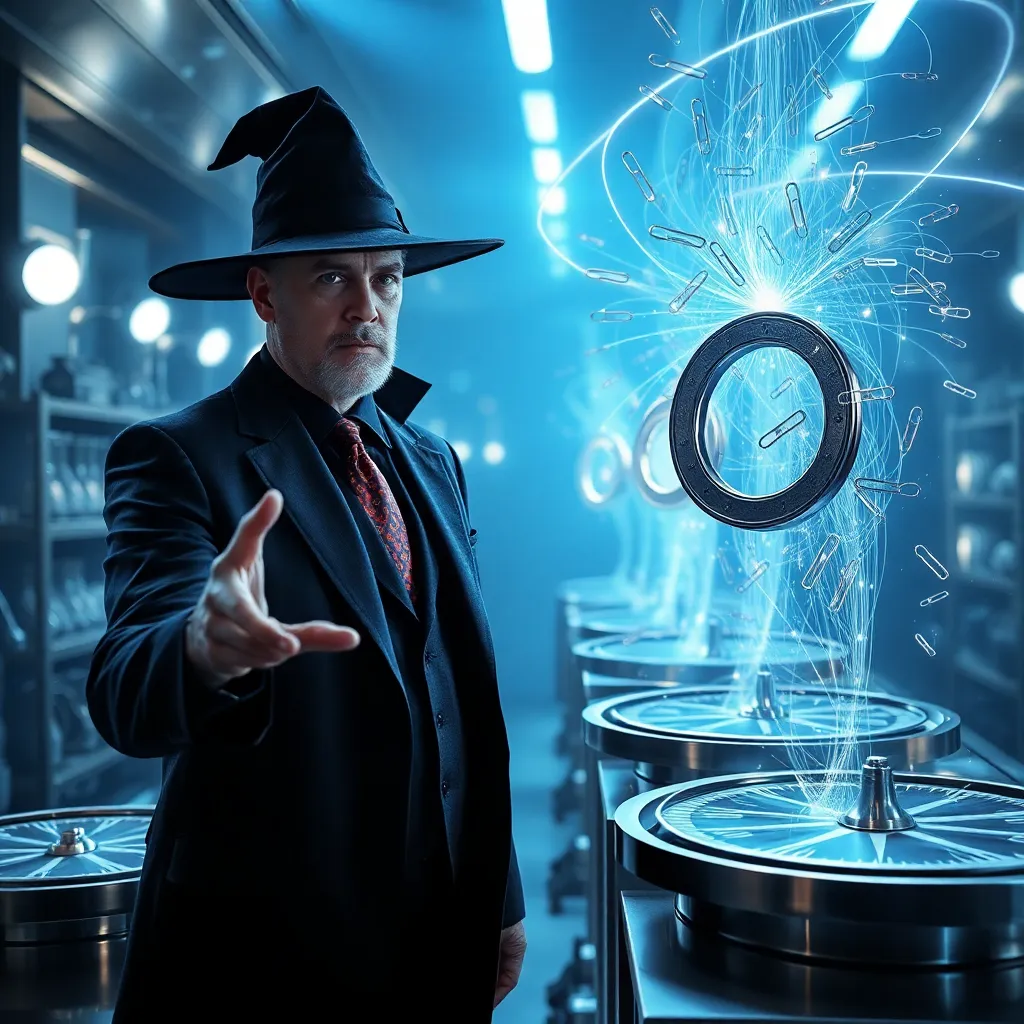
The old magics were frankly inefficient. Fireballs are theatrical, yes, but they raise insurance premiums. Potions require herbs with names like widow's parsley and moon spleen, which are difficult to source ethically. Magnetism, by contrast, asks only that one hold a mysterious rock near a lesser object and watch destiny unfold. It is all the spectacle of the occult with the convenience of office supplies.
Already, magnetic practitioners are rebranding every ordinary event as a rite of power. The refrigerator has become a domestic shrine where family calendars are pinned by rune-discs advertising plumbing services. The junk drawer is now recognized as a chaotic reliquary full of metallic pilgrims drawn into clumps by an unknowable will. Schoolchildren who once idly stuck magnets to filing cabinets are now understood to have been apprentices all along, conducting dangerous experiments in attraction before they had even learned cursive.
The true believers speak in hushed tones of the Pull, a force that cannot be seen yet somehow knows exactly where the one missing screw has rolled. They describe the sensation of dropping nails on a workshop floor and hearing, from somewhere in the universe, a low chuckle. To them, every compass is not a navigational tool but a trembling oracle, forever pointing toward an ancient direction no one voted on.
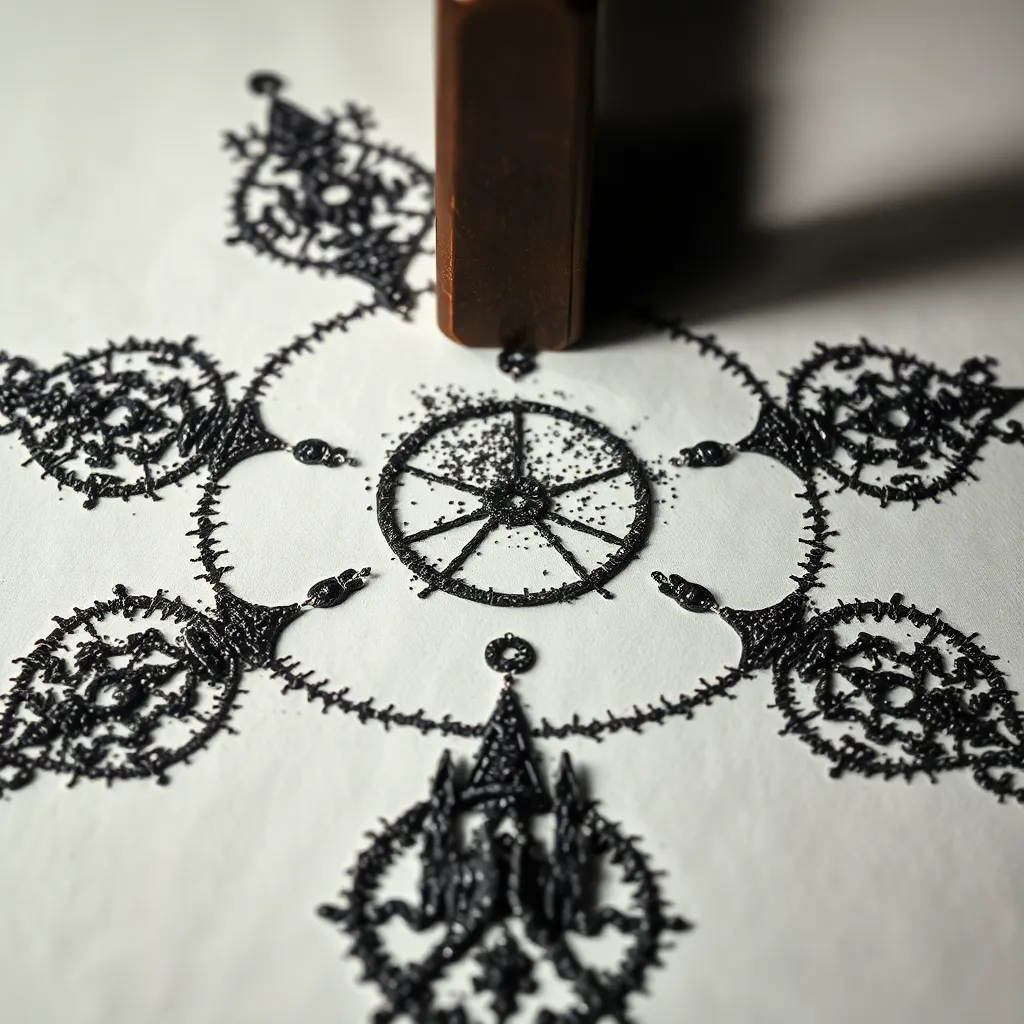
Critics have attempted to dismiss magnetic sorcery as mere science, but this argument collapsed the moment someone waved a black bar over a table and made a thousand iron filings arrange themselves into the architectural plans of a haunted hedgehog. “If that’s not wizardry,” said a stunned municipal clerk, “then science has become far too emotional.”
Naturally, commerce has reacted with the dignity of a goose seeing a trumpet. Retailers are rushing to satisfy public demand for magnetic artifacts of every conceivable absurdity. There are therapeutic wristbands said to align one’s inner north with one’s outer lunch. There are premium executive magnets marketed as “leadership stones” for managers who wish to pull success toward themselves while repelling accountability. There are artisanal hand-forged refrigerator talismans sold at open-air markets by bearded men who describe their process as “part metallurgy, part listening.”
In major cities, magnetic salons have begun offering polarity consultations. Clients recline on tasteful velvet chaise lounges while certified alignment specialists circle them with compasses and murmur things like, “You’ve been strongly eastbound since March.” For an additional fee, the specialist may place six decorative magnets around the body to encourage attraction of prosperity, confidence, and cutlery.
Government agencies, not wanting to appear behind the times, have scrambled to establish standards. The Ministry of Everyday Forces has released a draft framework distinguishing lawful magnet use from reckless summoning. Under the proposed code, attaching shopping lists to a fridge remains acceptable household practice, but building a “coin vortex” in a public fountain would require a permit. Parliament is also considering whether charismatic individuals should be required to disclose if their personal magnetism exceeds residential limits.
It is in transportation that magnetic sorcery has perhaps achieved its grandest theater. Trains now glide on invisible insistence, hovering just enough above the tracks to alarm traditionalists and delight those who enjoy the phrase “levitation corridor.” Engineers claim this is a triumph of precision and design. The public, correctly, suspects an alliance between steel, speed, and an ancient under-rail covenant.

Meanwhile, in the home, magnetic literacy is becoming essential. Parents are urged to teach children the difference between decorative attraction and advanced conjury. “If the alphabet letters on the fridge begin rearranging themselves into legal advice, call a professional,” warned one household safety pamphlet. “Do not engage directly unless you are wearing sensible footwear.”
Pets, as always, are several centuries ahead of us. Cats have long regarded magnetism with the serene familiarity of creatures who know where the house’s secret geometry is kept. Many dog owners report suspicious episodes in which metal bowls slide subtly across kitchen tiles as if summoned by a force beyond appetite. Goldfish remain diplomatically opaque on the subject, though one was recently observed staring at a compass for nearly an hour, which some have interpreted as mentorship.
Academia, desperate not to lose relevance, has founded entire departments devoted to magnetic studies, though their brochures still struggle to explain why every office contains at least one spoon permanently attached to a lamp. Scholars debate whether magnets possess intention, temperament, or simply excellent public relations. One controversial paper argues that opposite poles do not attract out of natural law but due to a centuries-old scandal involving celestial etiquette.
The religious implications have also become difficult to ignore. Pilgrims now travel to famous lodestones, laying offerings of screws, bottle caps, and sentimental cufflinks before these stern black relics of the earth. Some report hearing a faint humming. Others claim to experience spiritual clarity. A smaller but growing sect believes that all missing earrings are not lost but called home.

Industry has adapted beautifully. Magnetic cutlery now promises a more “committed dining experience.” Magnetic paint offers homeowners the ability to turn any wall into a soft dictatorship of notes and invoices. Magnetic shoes are being quietly tested for office workers who wish to remain grounded during meetings, though early reports suggest users become emotionally attached to elevator thresholds.
Fashion, inevitably, has gone feral. Designers unveiled a seasonal collection featuring gowns that clasp themselves with inaudible confidence and jackets capable of seizing nearby earrings at ten paces. Runway models glided past audiences while handbags clicked softly to hidden metallic infrastructure. One reviewer described the effect as “glamour under duress.”
And yet, for all the excitement, magnetic sorcery remains at heart a profoundly intimate art. It is there in the gentle authority with which a cabinet door closes. It is there in the improbable reunion of lost screws beneath the sofa. It is there in the fridge magnet from a seaside town you barely remember, hanging on year after year, loyally gripping a faded receipt and three generations of domestic ambition.
The age of magnetic sorcery is not coming. It arrived quietly, attached itself to the side of the kettle, and has been waiting patiently for us to notice. Now that we have, the consequences are enormous, glittering, and mildly difficult to separate once stacked.
So if, in the days ahead, you feel an odd tug in your pocket, do not panic. It may be your keys. It may be destiny. It may be both, now fused into a single trembling cluster near the washing machine, where the future has chosen to begin.