Mobile Gamers Declare Play Store “A Museum of Ad Buttons,” Embrace GitHub Launchers to Achieve Full PC-Game Snobbery on 6-Inch Screens
SILICON ROUNDABOUT, TUESDAY — A growing coalition of mobile gamers has issued a sweeping proclamation that has already been carved into the comment sections of multiple forums: the best mobile games are, in fact, not mobile games at all, but Android ports of PC titles—preferably the kind that originally required a desktop tower the size of a mini-fridge and a GPU that sounds like a leaf blower when it thinks about rendering shadows.
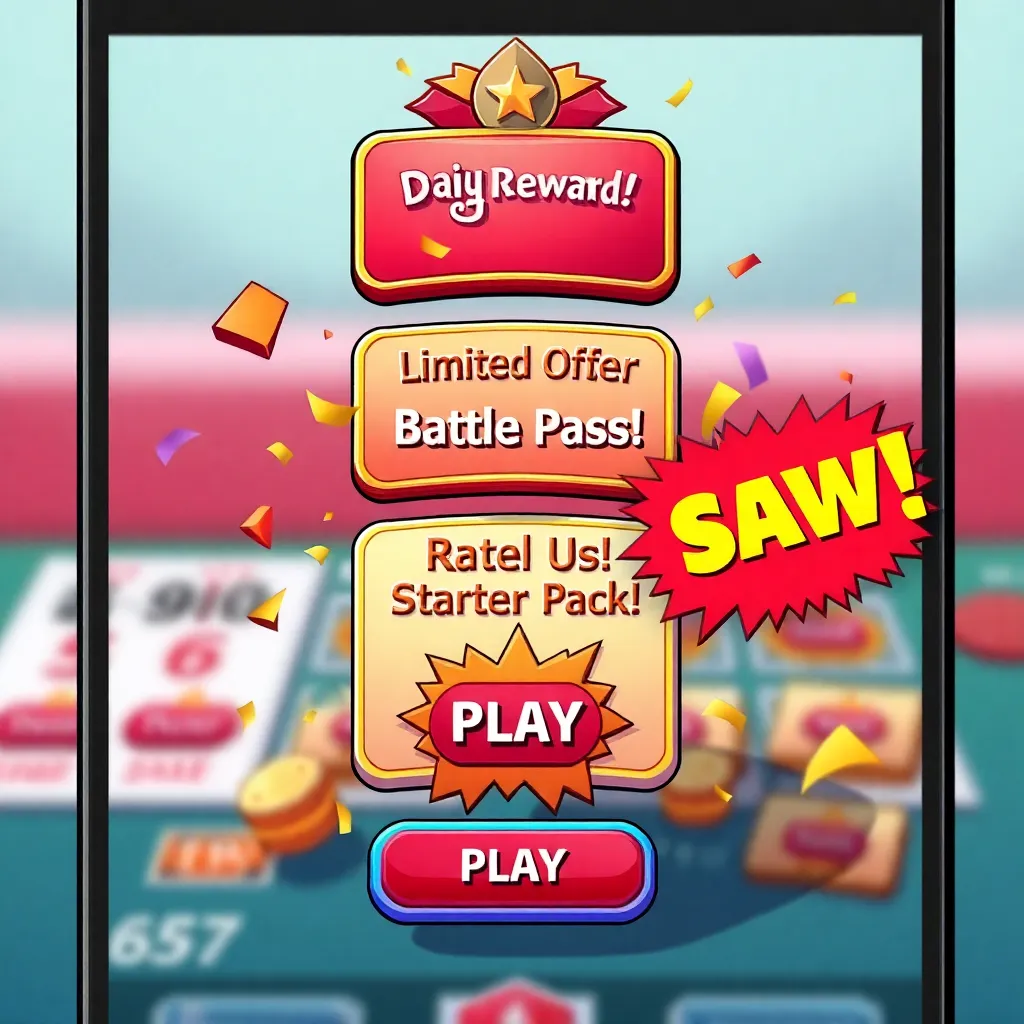
The announcement follows months of mounting frustration among players who claim that the “normal user” experience on the Play Store now consists largely of free-to-play adware with a small, decorative game attached, or premium games whose primary mechanic is “spend money to reduce the time you must continue living.”
“Every single game is the same,” said local gamer and self-appointed digital anthropologist Kieran ‘FramePope’ H., speaking from a bus stop while his phone displayed a full-screen ad for a different game he had just opened. “You press ‘Start’ and it’s like you’ve started a relationship with a pop-up. It’s not gameplay, it’s a hostage negotiation with a ‘Skip in 5 seconds’ timer.”
The Modern Mobile Game: A Slot Machine With Extra Steps
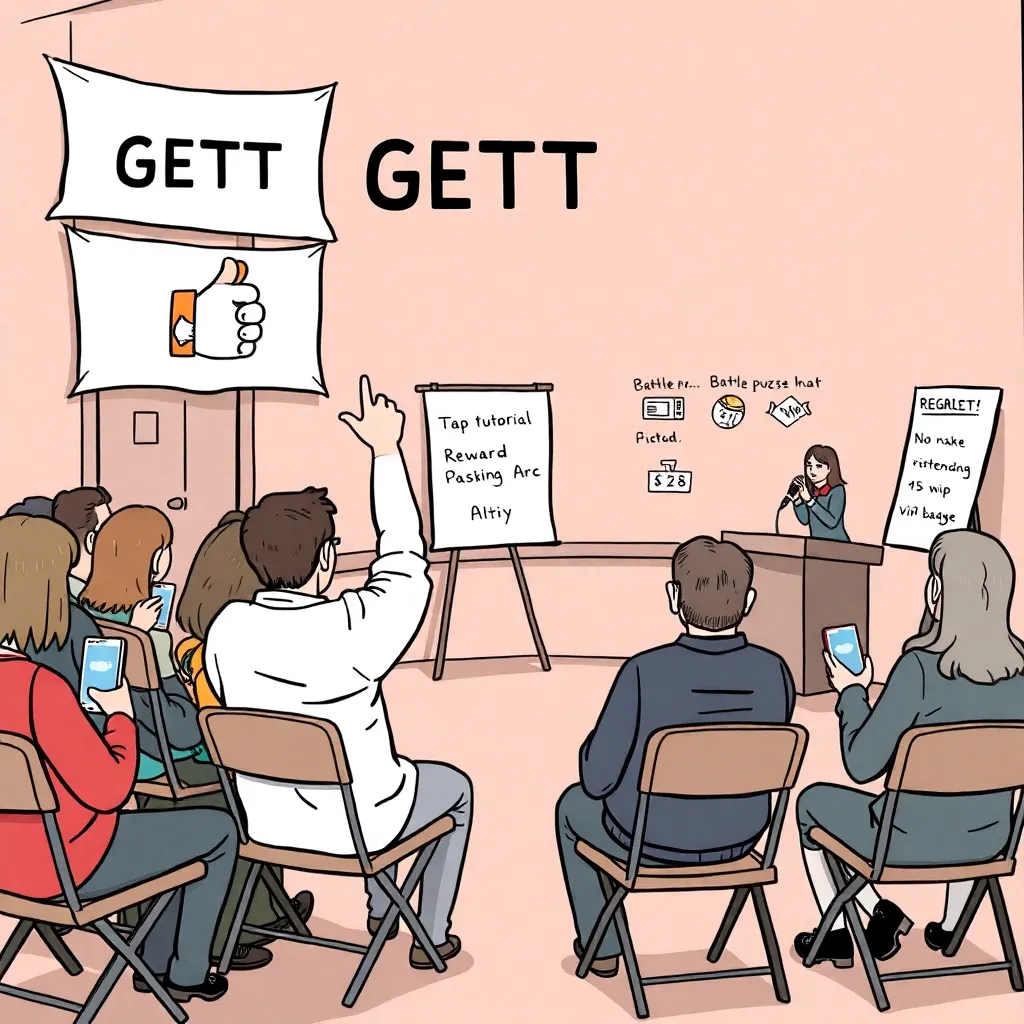
According to the newly formed advocacy group Gamers for the Ethical Treatment of Thumbs (GETT), mainstream mobile titles have reached a point of evolutionary perfection where they no longer require players to do anything beyond remain vaguely alive while advertisements and microtransactions happen in their general direction.
A GETT spokesperson summarized the typical mobile arc:
Tutorial teaches you how to tap once.
A reward screen congratulates you for tapping once.
A battle pass appears, threatening you with not owning a hat.
An ad begins, featuring a fake puzzle that no human has ever played.
The game offers you “VIP” status, which includes “fewer ads” as a perk, like an apology you can finance.
Industry analysts at the Institute for Applied Monetisation claim this trend is not accidental. “Mobile gaming has become the world’s most efficient method of turning spare moments into invoice opportunities,” said Dr. Selena Kapoor, whose research focuses on the psychological impact of red notification badges. “It’s not that games are filled with microtransactions. It’s that microtransactions have grown large enough to require a game to live inside them, like a hermit crab.”
“Real Gamers” Discover GitHub and Immediately Start Talking Like They Invented Computers
In response, a subset of players has migrated to what they call “real gaming,” which—depending on the speaker—means anything involving:

Open-source launchers from GitHub
Ports of PC games
Emulation
Configuration menus that look like cockpit dashboards
The phrase “it’s actually really simple” immediately before a 37-step guide
These players report that they can now run actual PC games on their phones, achieving the holy grail of mobile superiority: feeling slightly uncomfortable physically while feeling morally correct spiritually.
“It’s pure,” said Maya ‘KernelPanic’ L., who has been seen installing three different compatibility layers while insisting she’s “almost done” for the fourth consecutive evening. “No pop-ups asking me to buy gems. No forced tutorials teaching me to breathe. Just me, a classic PC title, and seventeen minutes of shader compilation while my phone heats up enough to sauté a mushroom.”
Witnesses confirm that the first sign someone has joined this movement is that they begin referring to the Play Store as “the casual marketplace” and to their phone as “a handheld Linux-adjacent rig.”
The Rise of the 6-Inch PC: Performance, Prestige, and Mild Hand Cramps
Tech influencers have quickly embraced the trend, posting glamorous “portable PC gaming” photos that carefully crop out the reality: three dongles, a clip-on controller, a portable fan, and a power bank the size of a paperback novel.
Early adopters report mixed experiences, including:
Experiencing joy at playing a beloved PC classic on a train
Experiencing panic when the train enters a tunnel and the game’s frame rate becomes interpretive dance
Experiencing newfound empathy for desktop gamers when a single graphics setting becomes a lifestyle decision
“Sure, it’s a bit fiddly,” admitted one user who asked to be identified only as ‘NoAdsNoMasters’. “But at least when something goes wrong, it’s my fault. That’s what gaming is about. Personal responsibility and obscure error messages.”
Play Store Developers Respond by Adding a New “Skip” Button to the Title Screen
Asked about the criticism, several mobile game developers defended their approach, noting that modern players demand “accessibility,” “daily rewards,” and “a strong sense of constant obligation.”
One developer, speaking on condition of anonymity because their game had not yet finished loading an advertisement, said: “People love free games. They just also love not having ads. And not having microtransactions. And having endless content. So we’ve found a compromise: we offer all of that, but make the game itself vaguely optional.”
In a separate statement, representatives for the mobile industry emphasized that ads are not intrusive but “a form of interactive sponsorship awareness,” adding that players are free to avoid them by purchasing the Ad-Free Deluxe Diamond Founder’s Remove Ads (Some Ads Still Apply) Bundle.
Experts Warn of Dangerous Side Effects: Opinions, Forums, and Sudden Interest in Documentation
Mental health professionals have raised concerns about the trend toward open-source launchers, cautioning that exposure to GitHub may lead to:
reading documentation voluntarily
developing strong feelings about file formats
saying “upstream” in a non-river context
learning what “dependencies” are and then never being happy again
“Once someone starts compiling things, they begin to believe the world is fixable,” said clinical therapist Dr. Rowan Eames. “It’s a slippery slope from ‘I installed a launcher’ to ‘I have thoughts about licensing.’ That’s when families start to worry.”
Meanwhile, Casual Players Continue Enjoying Their Games in Ignorant Bliss
Not everyone is convinced, with many mobile users insisting they genuinely enjoy mainstream titles, including match-three puzzles, idle simulators, and games where you build a town by watching ads for other towns.
“I like it,” said commuter Janine P., who plays a popular free-to-play game while waiting for her coffee. “It’s relaxing. Sometimes I watch an ad and I get a treasure chest. That’s basically capitalism but with dragons.”
When told that “real gamers” are running PC ports via GitHub tools, Janine blinked slowly and replied, “That sounds like work.”
A New Arms Race Begins: Phones, Fans, and the Eternal Need to Be Correct Online
Market watchers predict the “PC-on-phone” movement will intensify, with accessory companies preparing to launch products including:
a phone cooler marketed as “a thermal solution for serious gamers,” otherwise known as “a fan”
a controller grip described as “ergonomic,” meaning “now it’s even bigger”
a carrying case labeled “minimalist” that can hold two cables and an entire sense of identity
Meanwhile, forums are already splitting into factions: those who believe ports are superior because they are “complete experiences,” and those who believe the true path is emulation, because nothing is more authentic than playing a 1998 game on a 2026 device while arguing with strangers about input latency.
As one prominent commenter summarized: “If it doesn’t require a setup guide and a troubleshooting thread, is it even gaming?”
Conclusion: A Future Where Everyone Wins, Except Battery Life
For now, mobile gaming appears headed toward a bifurcated future: on one side, the Play Store continues producing frictionless entertainment lubricated with advertisements and premium currencies; on the other, a passionate subculture turns their smartphones into pocket-sized PC museums, insisting that the price of freedom is occasionally reinstalling something because “the latest update broke audio.”
In the end, the battle may not be between mobile and PC at all, but between two philosophies:
gaming as a quick distraction you can enjoy immediately
gaming as a proud, slightly exhausting hobby you must earn through configuration
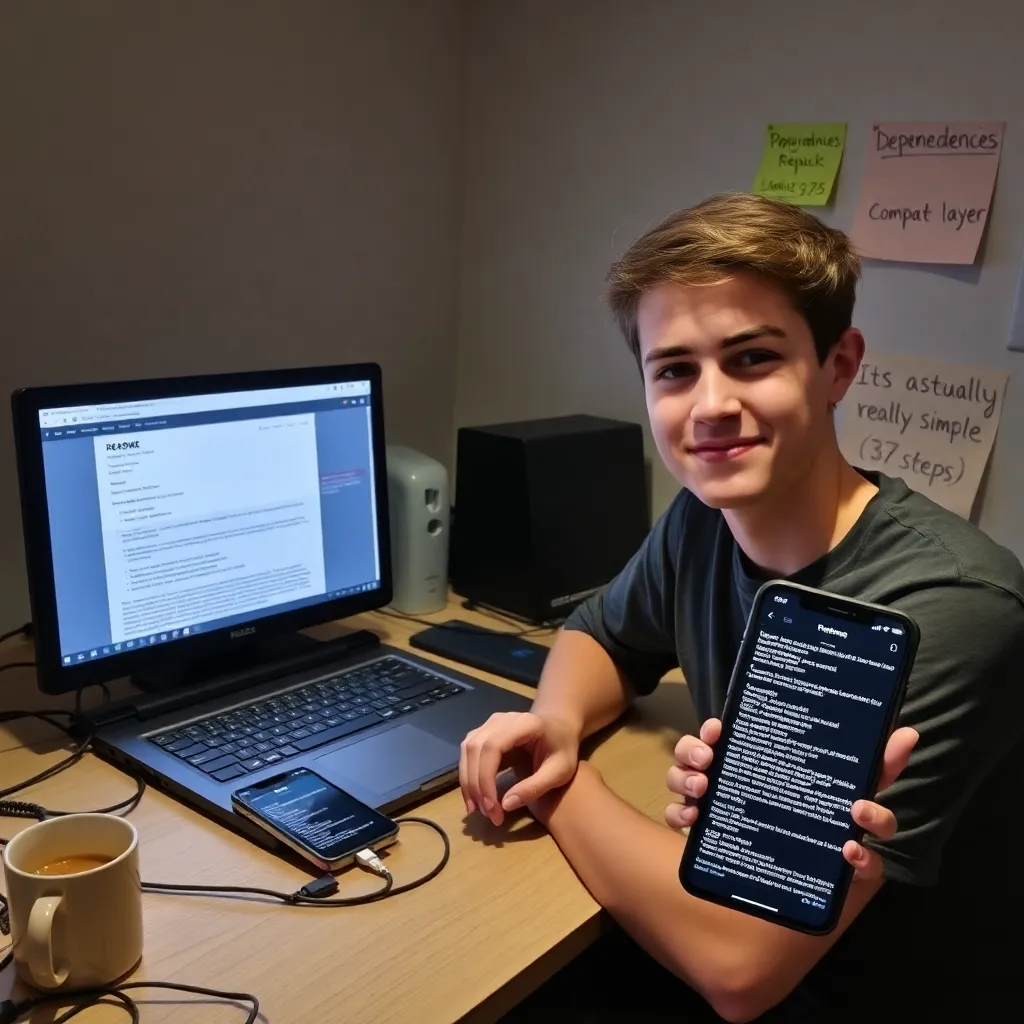
And somewhere in the middle, a phone sits at 9% battery, running a beloved PC classic at 30 frames per second, while its owner smiles with the serene satisfaction of someone who has finally escaped microtransactions—by spending four hours achieving what the Play Store would have provided instantly, if only it weren’t, as the movement’s slogan insists, “a landfill of glittering buttons.”
More on this developing story as soon as our reporter finishes an unskippable ad.