Nation’s Teenagers Attempt To Reduce Human Desire To Seven Lines of Algebra, Immediately Summon Imaginary Number
In a move that mathematicians are calling “technically incorrect” and LGBTQ+ people are calling “please stop,” a viral chart circulating online this week has attempted to map sexual orientations onto mathematical functions, proving once again that when the internet is given nuance, it will respond by graphing it on standard axes and insisting the answer is “obvious.”
The chart, originally posted with the confident energy of someone who has just discovered parentheses, proposes the following correspondences:
Straight: y = x
Gay: y = x²
Bisexual: y = √x
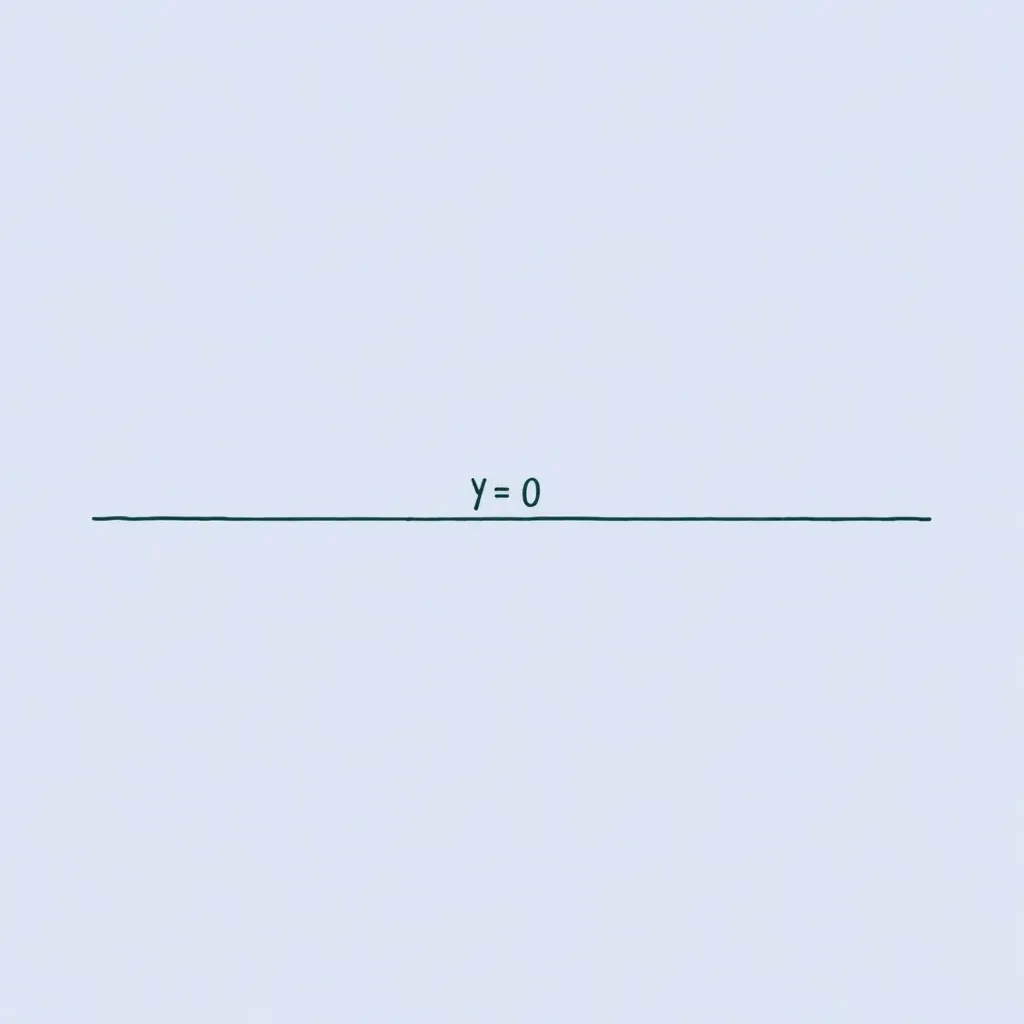
Asexual: y = 0
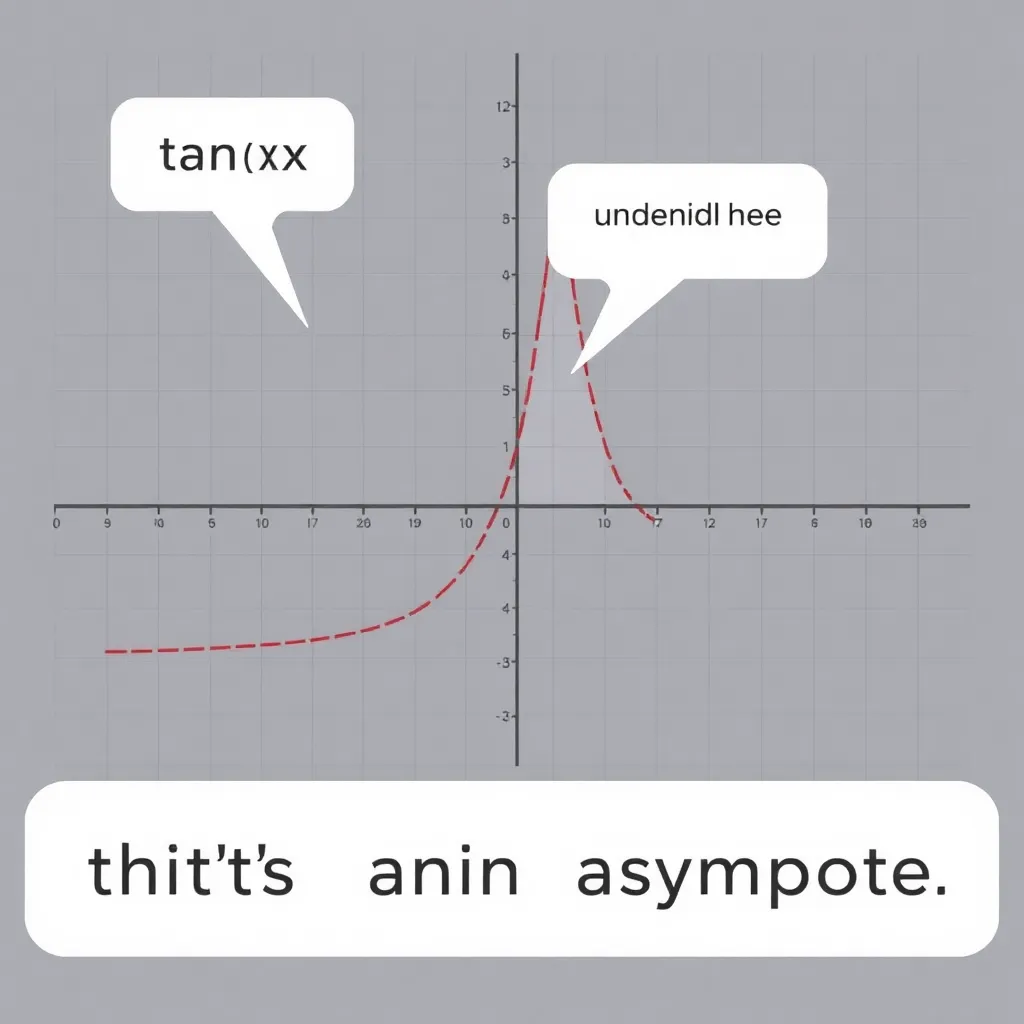
Pansexual: y = tg(x) (presumably tan(x), but spelled like a text message sent mid-bus-ride)
Cosexual: y = cos(x)
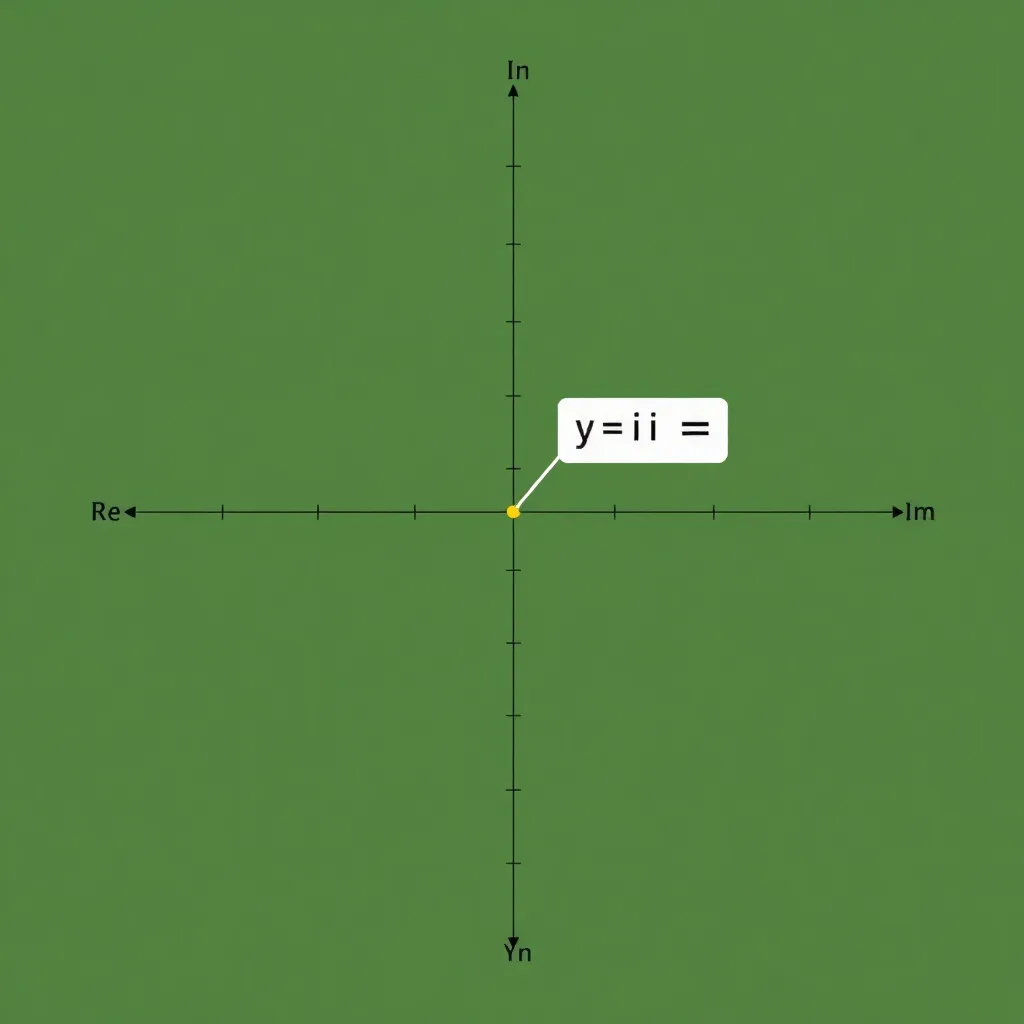
[Blank]: y = i
Within minutes, the chart had drawn millions of views, thousands of comments, and several urgent emails from teachers who had previously believed their students were struggling with math because of “phones,” not because the curriculum had abruptly become “identity discourse, but with graphs.”
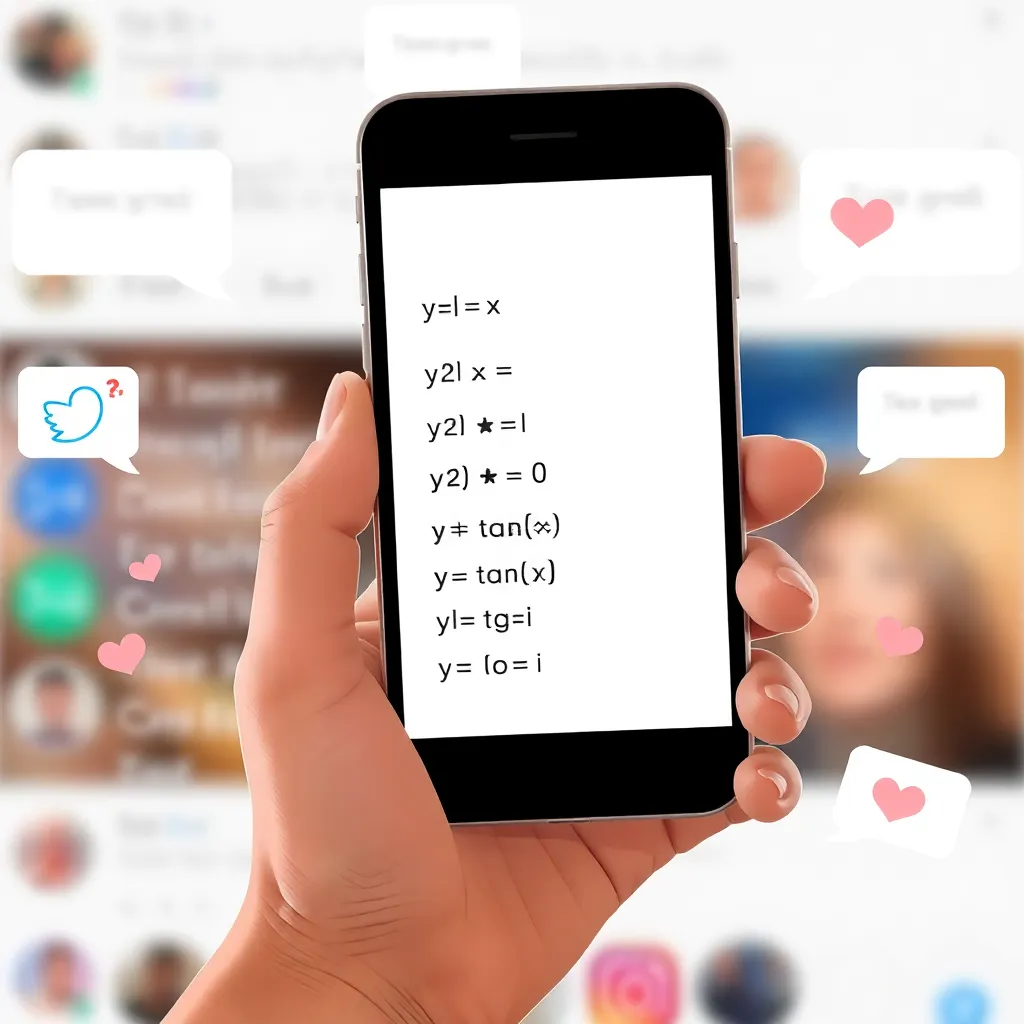
“It Makes Sense If You Don’t Think About It,” Says Internet
Supporters of the chart praised it for “making complicated things easier,” which is also what people say right before they put a toaster in a bathtub “for science.”
“It’s simple,” said one commenter, who asked to be identified only as xX_DerivativeDaddy_Xx. “Straight is the identity function, like, one-to-one, normal. Gay is squared because it’s like… more? Bisexual is square root because it’s, you know… both ways.”
When asked to clarify what “both ways” means in relation to the principal square root, they replied, “Math is a vibe,” and attached a screenshot of a calculator displaying 80085.
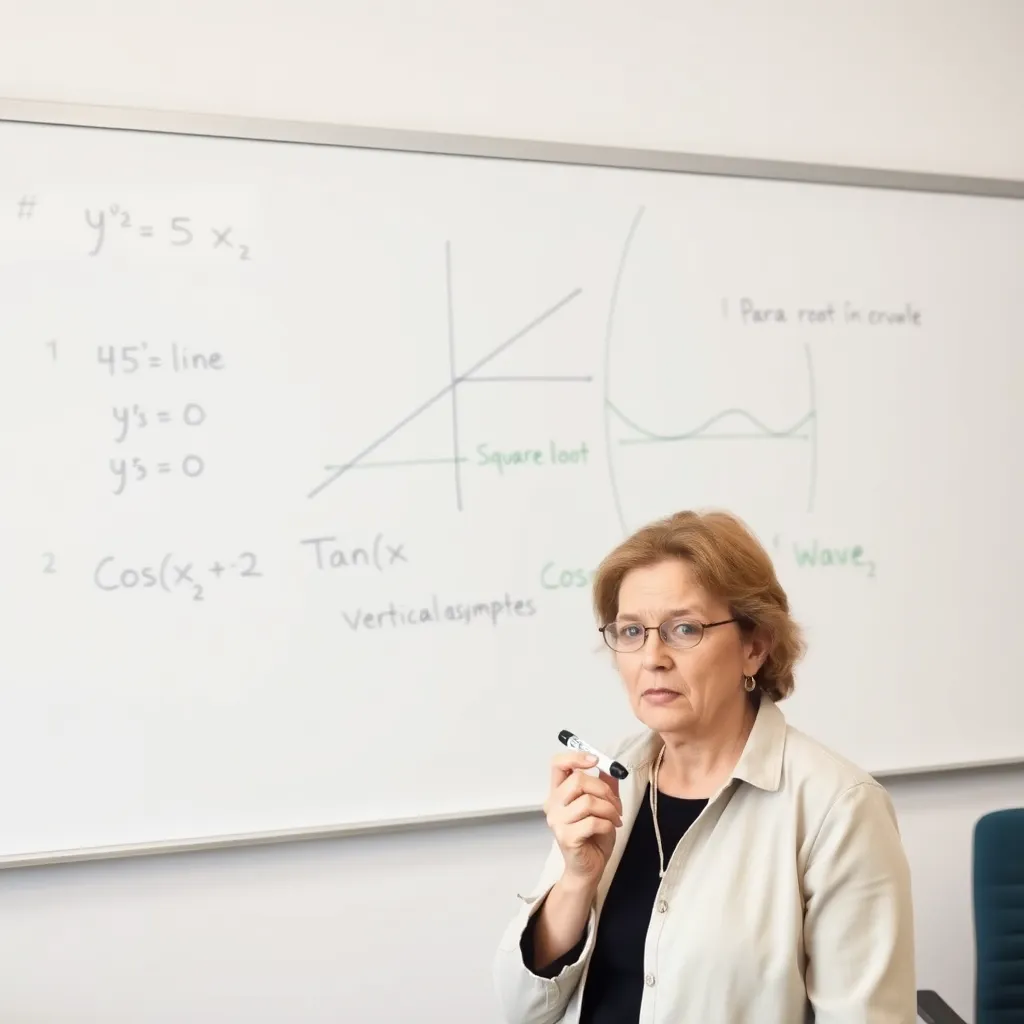
Mathematicians Report Sudden Drop In Public Understanding
Mathematicians were quick to point out that assigning orientations to functions is less “clever metaphor” and more “a spreadsheet trying to do poetry.”
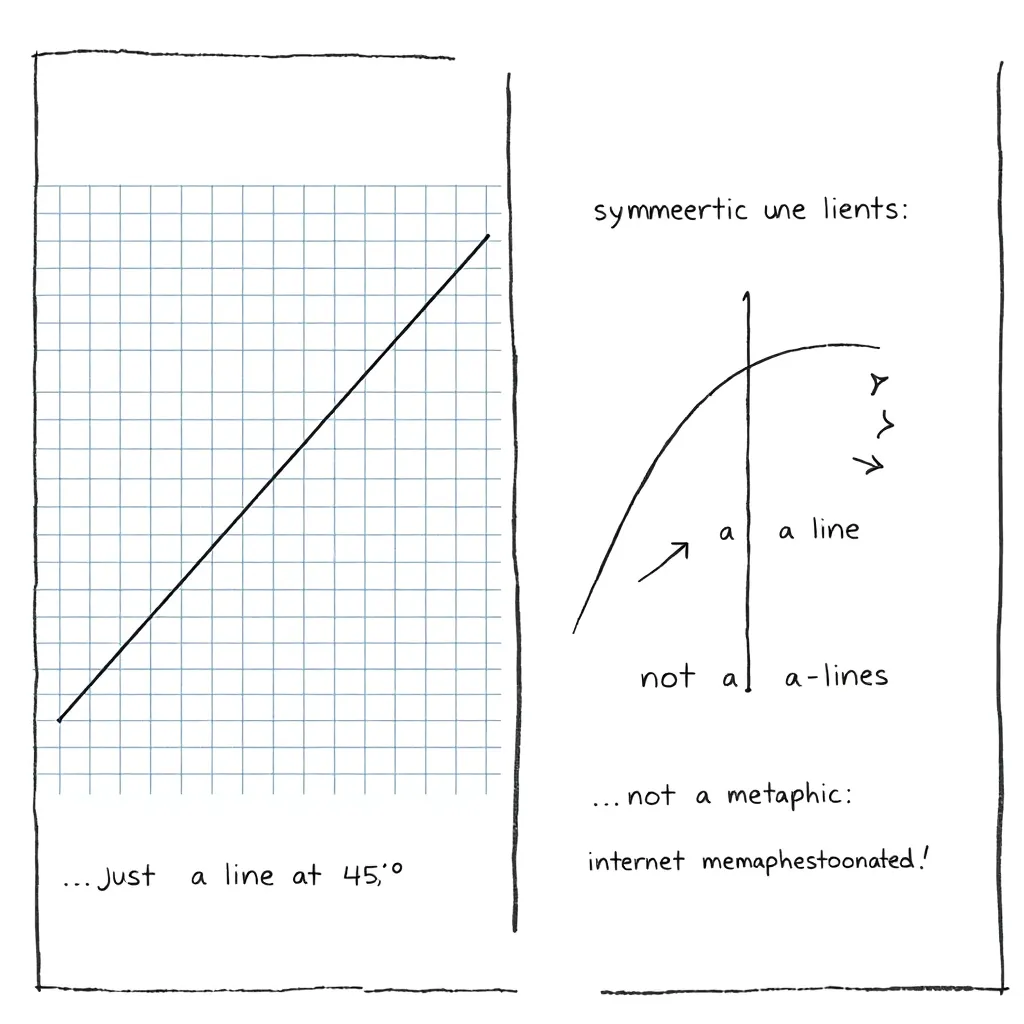
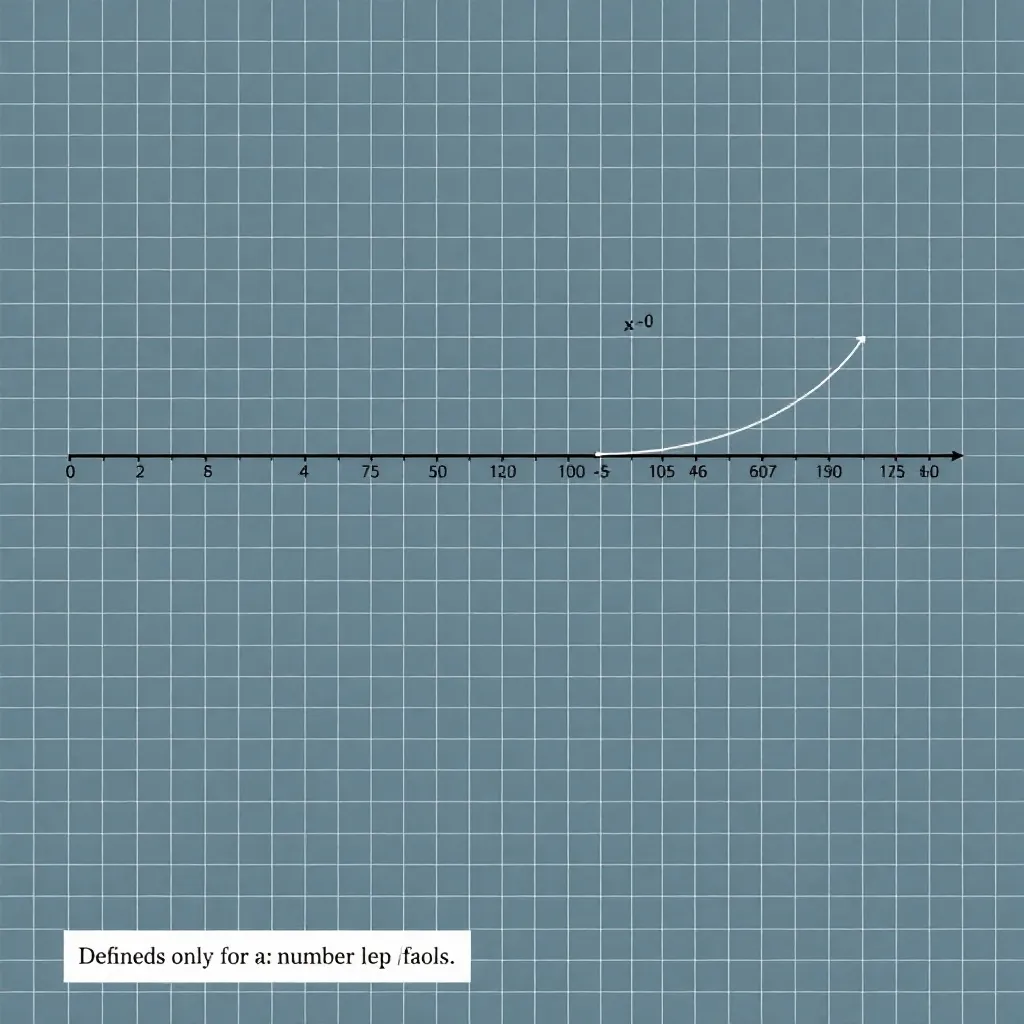
“First, y = x is not ‘straight,’ it’s a line at 45 degrees,” said Dr. Helena Frasch, professor of applied mathematics and reluctant internet translator. “Second, y = x² is a parabola. It’s symmetric about the y-axis, which—if anything—means it’s equally committed to both sides. Third, √x isn’t even defined for negative x in the reals. So if this is your bisexual function, congratulations: you’ve just erased half the number line.”
Dr. Frasch then sighed the sigh of a person who has explained imaginary numbers to an audience that keeps giggling at the word “imaginary.”
Asexual Community Celebrates Being Made Into A Flatline, Requests Benefits Package
Among the loudest reactions came from asexual people, who noted that y = 0 represents a line with zero slope and zero variation—an unchanging baseline.
“This is accurate in the way that a stick figure is accurate,” said Rowan M., an asexual activist. “Sure, it’s technically a depiction, but it’s also what you draw when you have three seconds and a mild fear of detail.”
Rowan added that if the internet insists on representing asexuality as a flat line, “we’d like at least to be plotted in a soothing color and given error bars for the many different ace experiences that exist.”
The Mysterious Rise of “Cosexual” and the Cosine Lobby
The chart’s inclusion of “cosexual: y = cos(x)” sparked widespread confusion, especially among people who had been alive long enough to remember when “cos” was just something you begged your calculator to do during trigonometry.
Internet sleuths quickly discovered that “cosexual” is not a commonly used term and appears to have emerged from the same digital ecosystem that produced “sapiosexual,” “sigma male,” and the sentence “do your own research.”
“Cosine is periodic,” explained one analyst, “so maybe it means attraction comes in cycles. Or maybe it means you’re attracted to adjacent angles. Or maybe this is all nonsense and we’re trapped in a meme.”
The Cosine Lobby—long accused of promoting Big Trig—issued a short statement reading: “We deny all involvement. Also, please stop using ‘tg’.”
Pansexuality Assigned Tan(x), Internet Discovers Asymptotes
The chart assigns pansexuality to tan(x), which has a habit of approaching infinity near odd multiples of π/2. Within hours, half of social media had discovered the phrase “vertical asymptote,” and the other half had decided it was a new dating app feature.
“Tan(x) blows up dramatically,” said Dr. Frasch, rubbing her temples. “It has discontinuities. It goes to infinity. If you’re trying to make a point about being attracted to all genders, why choose the function that’s famously undefined at regular intervals?”
At press time, the internet had responded by concluding this was “deep,” because anything that breaks down under scrutiny is automatically “deep.”
The Blank Label: “y = i” and the Advent of Imaginary Orientation
But the chart’s true masterpiece—its Sistine Chapel ceiling of confusion—was the unlabeled final entry: y = i, the imaginary unit.
The post offers no explanation, no identity name, only a calm declaration that somewhere, somehow, attraction is complex.
“I think it means ‘queer’?” suggested one user, who had added their own caption: “Gender is a social construct; math is an anxiety construct.”
Another proposed it represented “people who are attracted to concepts,” citing a personal preference for “confidence” and “good lighting” as evidence of metaphysical desire.
A third simply replied, “Finally, representation for numbers that don’t exist,” before being gently corrected by several engineers, one physicist, and a person who had seen Interstellar twice and considered that “basically a degree.”
Experts note that y = i is not a function in the real plane in the usual sense, since it outputs a constant imaginary number regardless of x. In other words, it’s mathematically strange, context-dependent, and requires a different framework to interpret—making it, ironically, the most accurate depiction of what happens when you force human experience into a simplistic model.

Schools Roll Out New Curriculum: “Graphing Identity”
In response to the chart’s popularity, several school districts briefly considered piloting an elective titled Pre-Calculus of the Self, before remembering they can barely afford paper.
“We were excited,” said one administrator. “Then we imagined the parent-teacher conference where I have to explain why their child’s homework was to ‘find the domain of bisexuality.’”
Meanwhile, students have begun submitting love letters in the form of function notation.
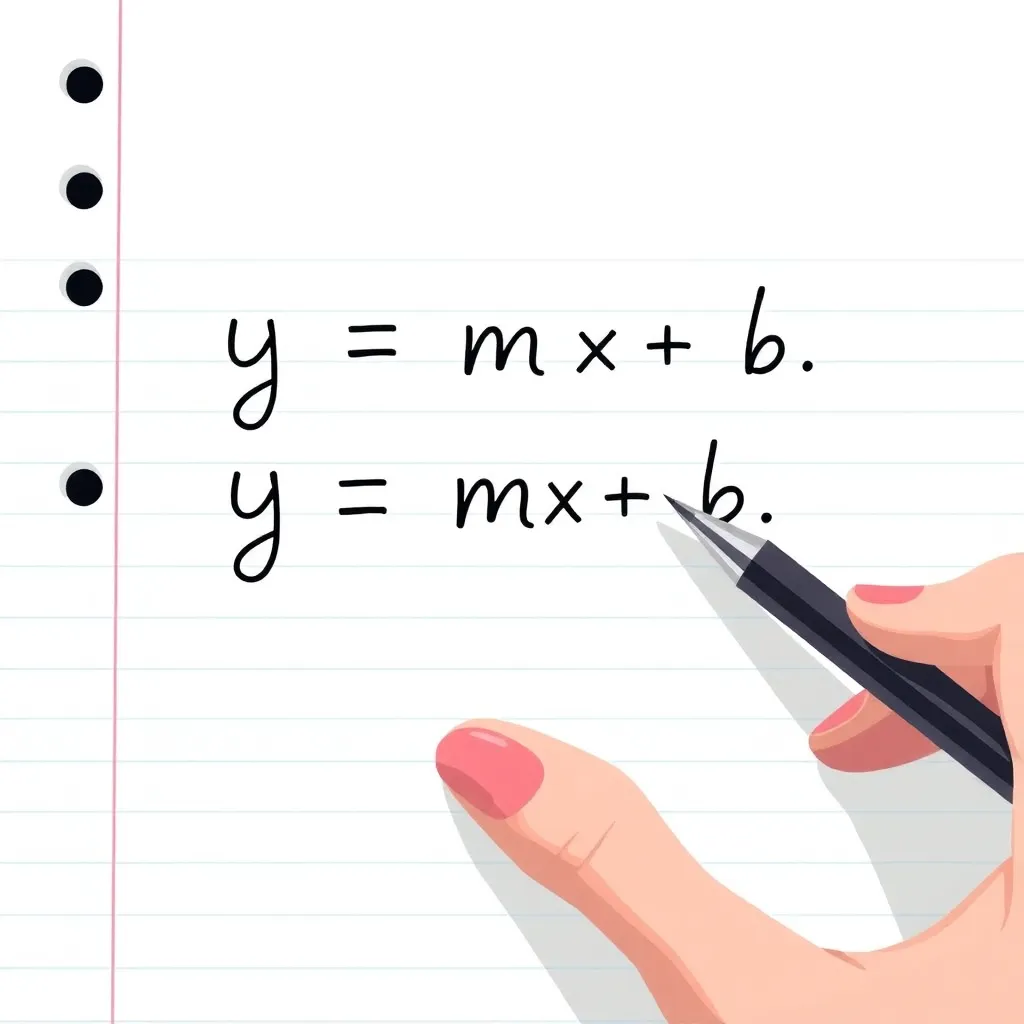
“He wrote me y = mx + b,” said a local teenager. “I think he’s saying he’s linear and emotionally available, but he might also be saying he hasn’t learned calculus yet.”
Researchers Propose Alternative Models, Immediately Ignored
A small group of researchers attempted to salvage the conversation by proposing better metaphors:
Spectrums instead of equations
Multidimensional spaces rather than a single axis
Probability distributions to reflect change over time and context
Or, alternatively, not doing this at all
Their suggestions were promptly rejected by the internet for failing to fit neatly into a caption.
“We need something you can screenshot,” said one influencer. “If your identity model requires more than one slide, it’s basically propaganda.”
Conclusion: Everyone Agrees the Internet Should Log Off, But Not Today
Ultimately, the “sexualities as math functions” chart appears destined to join the grand tradition of online ideas that feel enlightening until you poke them with a pencil. It’s clever enough to share, vague enough to argue about, and wrong enough to go viral.
As Dr. Frasch put it, staring bleakly at a whiteboard now covered in unsolicited parabola discourse: “The problem isn’t that math can’t describe human experience. The problem is that the internet thinks a single equation can.”
At press time, the original poster had announced a sequel: Gender Identities as Geometric Shapes, featuring “Nonbinary: Klein Bottle,” “Agender: Null Set,” and “Cis: Rectangle,” prompting immediate concern that the comment section would, once again, become a place where people learn just enough mathematics to be dangerous.
And, in a final twist that surprised no one, the chart’s unlabeled y = i entry has already been claimed by three different groups, two fandoms, and a cryptocurrency community—proving, if nothing else, that imaginary numbers are still more grounded than discourse.