Nokia Fried Chicken: The Crispy Origins of NFC Technology
HELSINKI—Most people assume Near Field Communication (NFC) was born in a sterile lab, under fluorescent lights, with engineers murmuring softly about standards and interoperability. Those people have never visited the back room of a Finnish fast-food prototype kitchen in 1999, where—according to newly “rediscovered” documents—NFC was first tested not between phones, but between a Nokia handset and a suspiciously enthusiastic bucket of fried chicken.
Yes: NFC, the technology that now powers contactless payments, transit taps, hotel keys, and the modern ritual of aggressively booping your phone against a terminal while pretending you understand what “tokenization” means, apparently began as an attempt to solve a far more urgent problem:
How to keep fried chicken crisp in a nation famous for its winter and its practicality.
The Bucket That Changed Everything
The story begins at Nokia’s experimental “Food-Compatible Mobility Division,” a unit whose existence Nokia denies, but whose cafeteria receipts are oddly detailed.
In the late 90s, Nokia had a challenge. Mobile phones were becoming smaller, sleeker, and more ubiquitous—but consumers were also becoming busier, greasier, and less inclined to wash their hands before operating electronics.
“We had a spike in warranty claims,” alleges former Nokia intern and current self-certified “crumb analyst” Jari Peltonen. “Not because the phones were fragile. Because they were deliciously incompatible with chicken fingers.”
At the time, Nokia’s designers pursued a radical solution: make phones that could be used while holding food. Early prototypes included:
A handset with a “thumb-only mode” for users clutching a drumstick.
A keypad coated in what memos describe as “a noble, wipeable polymer,” later revealed to be the same material used on cafeteria trays.
A battery cover with “dip-resistant grooves” that, in practice, simply collected barbecue sauce more efficiently.
But the real breakthrough came when an engineer reportedly asked the question that would define the contactless era:
“What if the chicken paid for itself?”
‘Near Fry Communication’ and the First Tap-to-Eat Trial
According to the documents, Nokia’s early NFC experiments were initially called NFC: Near Fry Communication—a name abandoned only after executives realized it made the technology sound like an appliance setting.
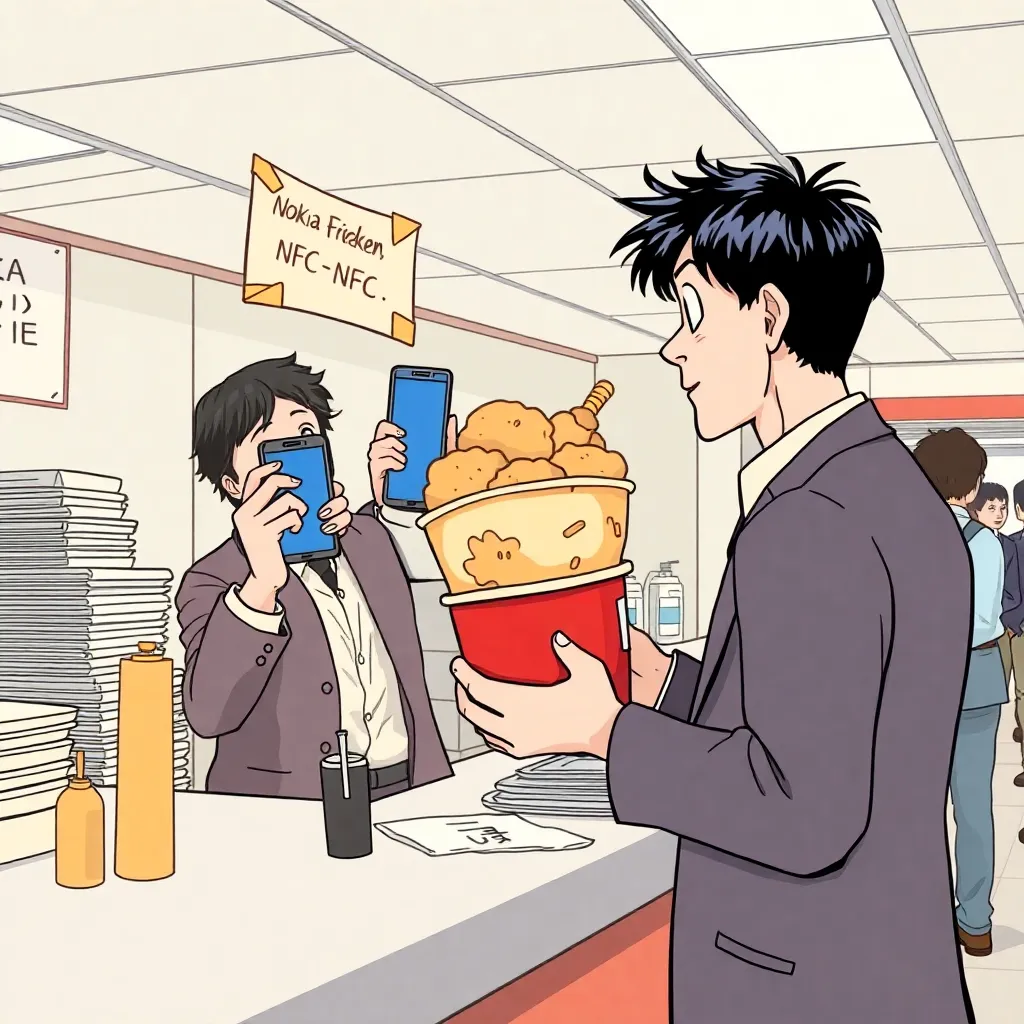
The trial was conducted in a Nokia cafeteria pop-up branded, for reasons unknown, as “Nokia Fried Chicken” (NFC), which executives insisted was merely a “temporary acronym alignment exercise.”
The concept was simple:
A customer approached the counter holding a Nokia prototype phone.
The cashier held up a bucket of chicken fitted with an RFID tag and, later, a prototype short-range chip.
The customer tapped the phone to the bucket.
The phone was charged.
The customer left with chicken and a deep sense of having participated in “the future,” despite still having grease up to the wrist.
“It was seamless,” recalls a former cafeteria worker who asked not to be named, citing ongoing legal disputes with a napkin supplier. “Except for the occasional case where the phone would instead try to pair with the coleslaw.”
The Great Crispness Crisis of 2001
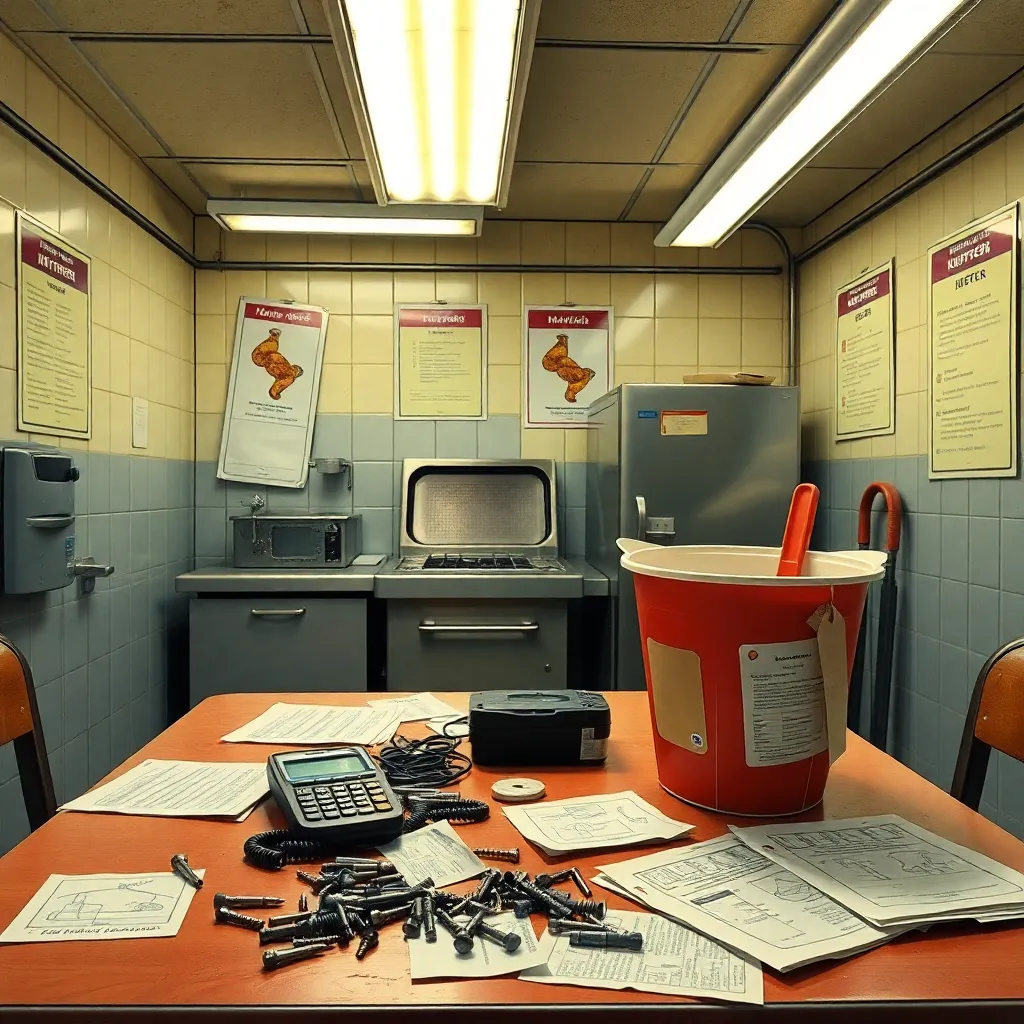
Why chicken? Why not sandwiches, coffee, or something more dignified, like a salad?
Because NFC, at its heart, is a technology built on proximity, speed, and not thinking too hard about it—the same principles governing fried chicken consumption.
But there was a bigger reason. Nokia’s internal research had identified what it called the Crispness Crisis: a societal decline in fried food quality caused by “insufficiently optimized handoff between purchase and consumption.”
In other words: people were buying chicken, then fumbling for cash, then fumbling for change, then fumbling for dignity, all while the chicken cooled and softened in its bucket. Nokia’s engineers viewed this as unacceptable.
“Nokia’s mission wasn’t just communication,” claims Professor Linnea Särkinen of the University of Helsinki’s Department of Speculative Consumer Electronics. “It was instant gratification under hostile conditions. If you can pay quickly enough, the chicken stays crisp. That is basically the entire NFC value proposition, except now it’s your train ticket and not your lunch.”
How It Became ‘Near Field Communication’ (and Not ‘Nokia Fried Chicken’)
By 2002, Nokia executives reportedly began to worry that “NFC” was developing an unhelpful association with poultry, despite strong internal enthusiasm and a successful trial known as Project Drumstick.
A leaked strategy slide titled “Brand Hygiene” presented the dilemma:
“NFC stands for Nokia Fried Chicken (popular, intuitive, crunchy).”
“NFC also stands for Near Field Communication (vague, technical, safe).”
“Which one will banks prefer?”
The banks, it turns out, did not wish to enter the contactless era carrying buckets.
So the chicken origin story was scrubbed from official timelines and replaced with the more respectable narrative: a collaboration of industry groups, standards bodies, and technology companies. Which is what you say when the truth involves someone trying to install firmware onto a spice rack.
One anonymous former executive summarized the shift:
“We realized that if NFC was going to run the world, it needed to smell less like paprika.”
The First Contactless Payment Terminal Was Allegedly a Heat Lamp
The most controversial claim in the documents is that the first NFC reader was not a sleek retail terminal but a cafeteria heat lamp modified to detect short-range signals.
The device, described as a “thermal proximity beacon,” was intended to do two things:
Keep chicken warm.
Confirm, via a tap, that the customer had paid before leaving with it.
This is, in essence, the modern retail experience, minus the chicken and plus the quiet panic when the terminal says “Try Again.”
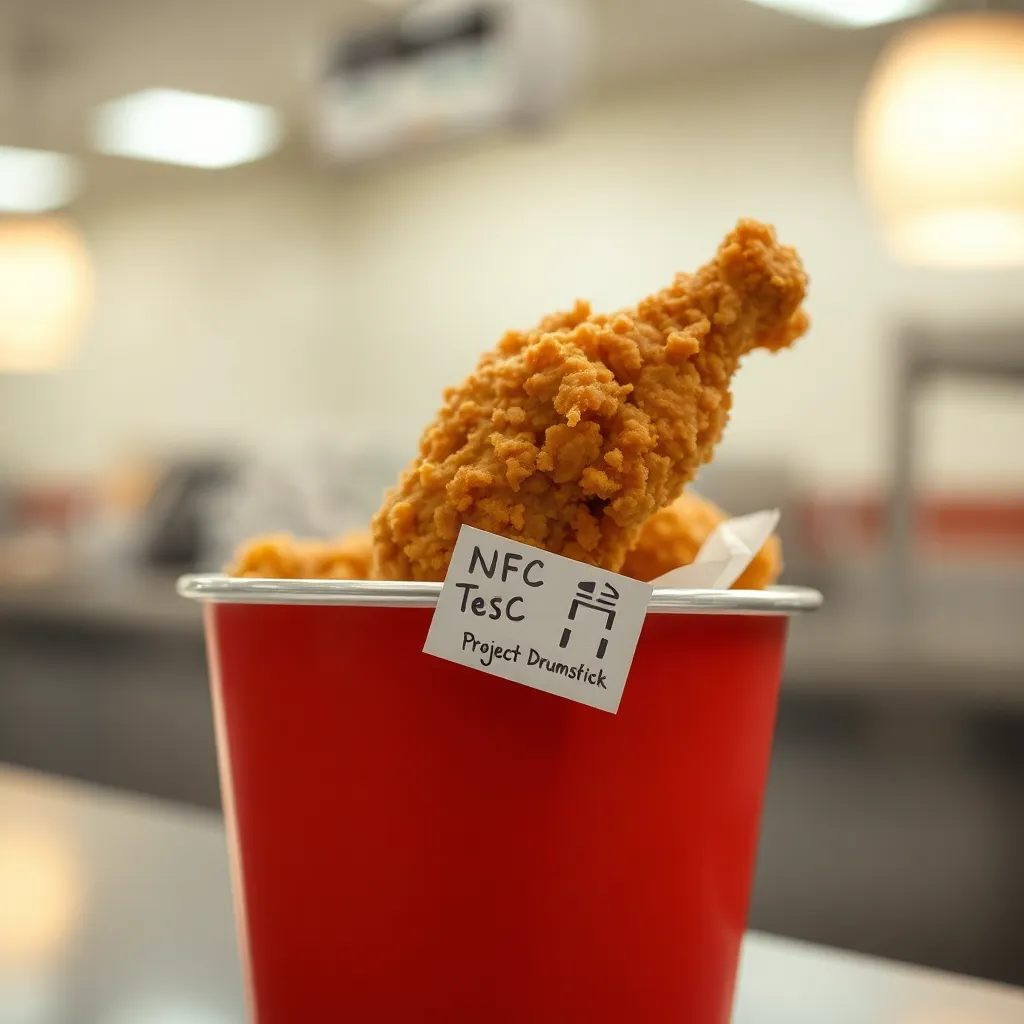
A surviving schematic includes a note in the margin:
“If customer taps too slowly, chicken becomes sad. Optimize handshake.”
Historians are divided over whether this was an early reference to cryptographic handshakes or simply an engineer expressing empathy for fried food.
The Forgotten Feature: Grease-Based Security
NFC security has become a serious subject involving encryption, secure elements, and tokenization—none of which were part of the chicken era, when security was handled through what Nokia called “natural deterrents.”
The deterrent was grease.
“People didn’t steal phones back then because they were too slippery,” explains Peltonen. “We accidentally created the world’s first biometric anti-theft system: lipid recognition. If your hands weren’t properly seasoned, you couldn’t hold the device long enough to pair.”
Early prototypes reportedly included a feature where the phone would unlock only after detecting a certain level of sodium, but this was discontinued after test users began licking their fingers strategically to gain access.
Chicken-to-Chip: How the Tech Went Global
Once NFC was extracted from its poultry context and cleaned up for public consumption, it spread rapidly into other domains:
Transit: tapping in, tapping out, tapping again because you tapped the wrong side.
Payments: replacing cash with the thrill of briefly not knowing whether it worked.
Access control: hotel keys, office doors, gym turnstiles—each now one tap away from existential dread when the door doesn’t open and a line forms behind you.
Yet the culinary DNA remains.
Modern NFC still relies on the same core principles pioneered in the Nokia cafeteria:
Short distance: because intimacy sells, and also because people can’t be trusted from far away.
Speed: because hesitation is the enemy of crispness.
A soft beep of confirmation: the audio equivalent of being handed a warm box of food and feeling briefly like life makes sense.
Industry Reaction: Silence, Denial, and One Carefully Worded Statement
Contacted for comment, Nokia provided a statement that was both brief and suspiciously specific:
“Nokia has a proud history of innovation in communications technology. Nokia does not confirm any involvement in poultry-based payment systems, nor does it endorse the application of Near Field Communication to fried foods, except where compliant with local regulations.”
When asked whether Nokia had ever operated a cafeteria brand called “Nokia Fried Chicken,” the spokesperson paused long enough for several journalists to eat lunch, then added:
“Nokia employees have always had access to balanced meals.”
This was interpreted by experts as a classic non-denial denial, or possibly just someone trying to end the call.
Meanwhile, the NFC Forum did not respond, but an automatic email reply stated:
“Thank you for reaching out. We are currently experiencing higher-than-normal volumes of inquiries about chicken.”
A Timeline of the Crispy Revolution (Allegedly)
To help readers understand how we went from buckets to banking, here is the disputed “Wibble Timeline” assembled from leaked memos and cafeteria anecdotes:
1998: Nokia begins “handheld usability tests” involving oily foods.
1999: The acronym NFC first appears, referring to “Nokia Fried Chicken.”
2000: Prototype phones include “wipe mode” and “crumb management.”
2001: Project Drumstick launches: tap-to-pay chicken pilots in Helsinki.
2002: Executive rebrand: NFC becomes “Near Field Communication.”
2004 onward: NFC expands into payments, transport, access control, and the modern sport of tapping repeatedly while pretending you’re calm.
What This Means for the Future of Contactless Tech
If NFC was born from fried chicken, what other technologies might emerge from fast food?
Analysts are already predicting:
Bluetooth Onion Rings: automatically pairing with nearby devices and leaving a smell you can’t remove.
Wi-Fi Nuggets: small, hot, available everywhere, and somehow still not enough.
5G Gravy: faster than you need, everywhere you go, and impossible to keep off your shirt.
But the biggest lesson may be this: innovation doesn’t always start with lofty ideals. Sometimes it starts with a very practical urge to maintain crispness while removing the burden of handling coins with sauce on your hands.
In a world where you can pay for nearly anything with a tap, it’s oddly comforting to think the entire system might trace back to a cafeteria engineer staring at a bucket of chicken and thinking:
“Yes. This should be wireless.”
Postscript: The Tap That Echoes Through Time
Next time you tap your phone to pay—whether for coffee, groceries, or a transit fare—take a moment to imagine an alternate timeline where the technology kept its original name. A world where contactless payment terminals proudly display:
NOKIA FRIED CHICKEN ENABLED
A world where you don’t “tap to pay,” you “tap to eat.”
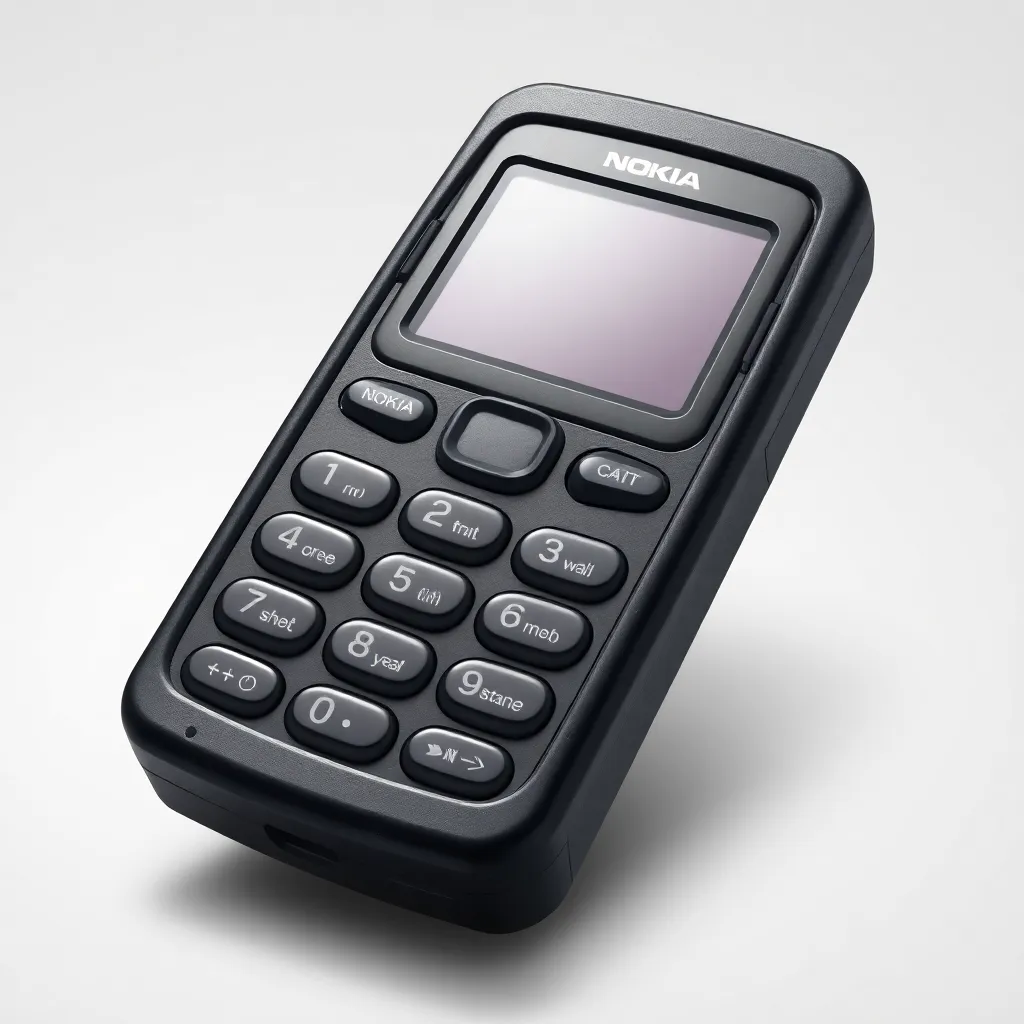
And perhaps, in the quiet beep of confirmation, you can still hear the faint crackle of history.
Or maybe that’s just the chicken.