NY Comedian Invents Funniest Joke Ever, But Only Four People Laughed; City Immediately Considers Rezoning Humor
BROOKLYN, NY — In what experts are calling “a once-in-a-generation breakthrough in comedic engineering,” New York comedian Darren ‘D-Train’ Koblansky reportedly invented the funniest joke ever told on Tuesday night—only to be met with a reaction so sparse it could be legally classified as an audio drought.
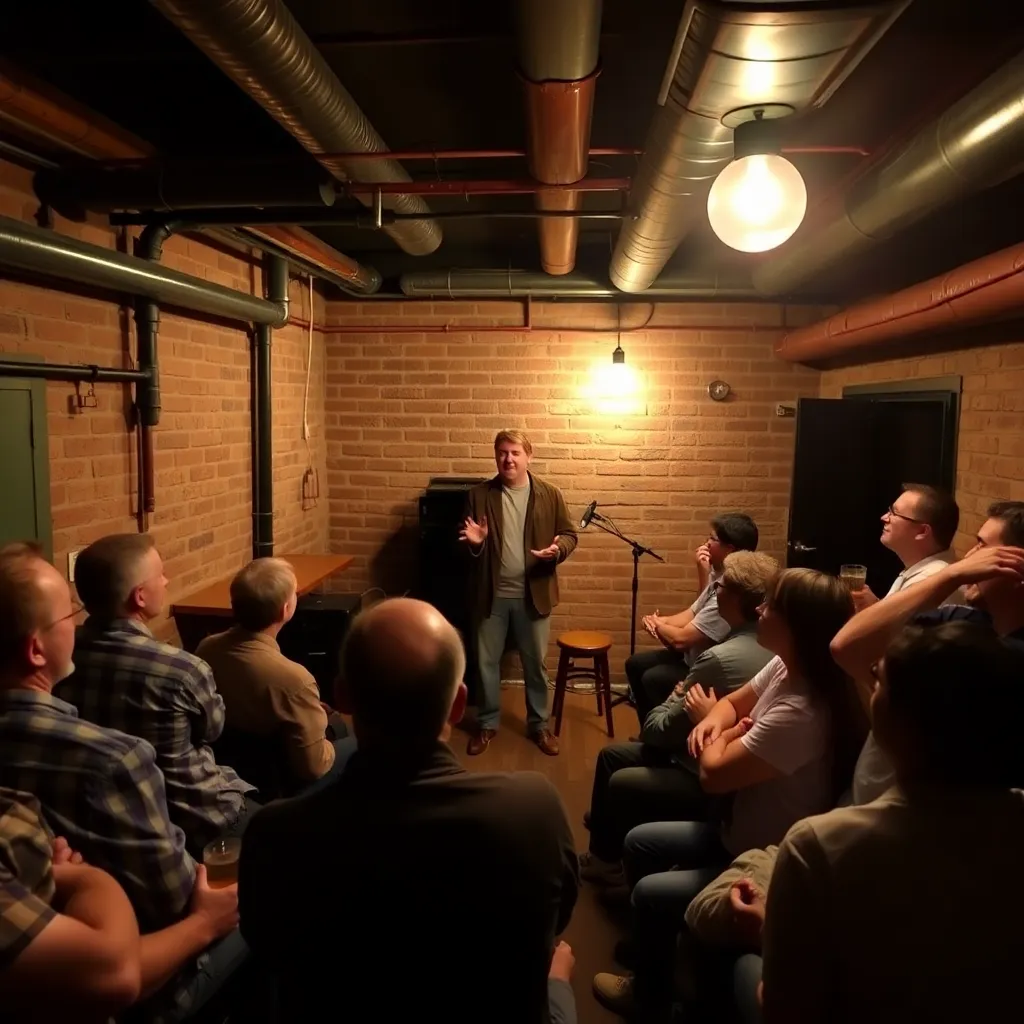
According to multiple witnesses at The Dingy Candle (a basement venue beneath a vegan tax accountant’s office), the joke landed with the force of a meteor on a planet where only four people had registered for gravity.
Those four people laughed.
Hard.
Everyone else sat in silence, not out of offense, but out of what sociologists described as “a complicated blend of confusion, self-preservation, and the distinctly New York belief that joy is a scam.”
A Joke So Powerful It May Require A Permit
The joke itself remains classified, partly because Koblansky is “saving it for a special,” and partly because the club’s owner demanded it be stored in a locked cabinet due to the risk of “unlicensed mirth.”
However, a partial description has emerged from the four confirmed laughers, who spoke to The Wibble under the condition their identities be protected (because their friends “can’t know they’re the kind of person who laughs at things”).
“It was… it was perfect,” said one anonymous audience member, wiping away tears that might have been laughter or the natural response to sitting under a flickering light next to a bathroom labeled ‘No Gods, No Masters, No Paper Towels’. “It combined wordplay, timing, a callback, and something about a pigeon. I saw my whole life in it.”
Another laugher described the experience as “like getting hit by a truck full of joy,” while clarifying that they did not want to laugh but “my body betrayed me.”
The Remaining Audience Issues A Statement Of Non-Enjoyment
The other 38 audience members responded with a collective silence that several attendees later insisted was actually “appreciation.”
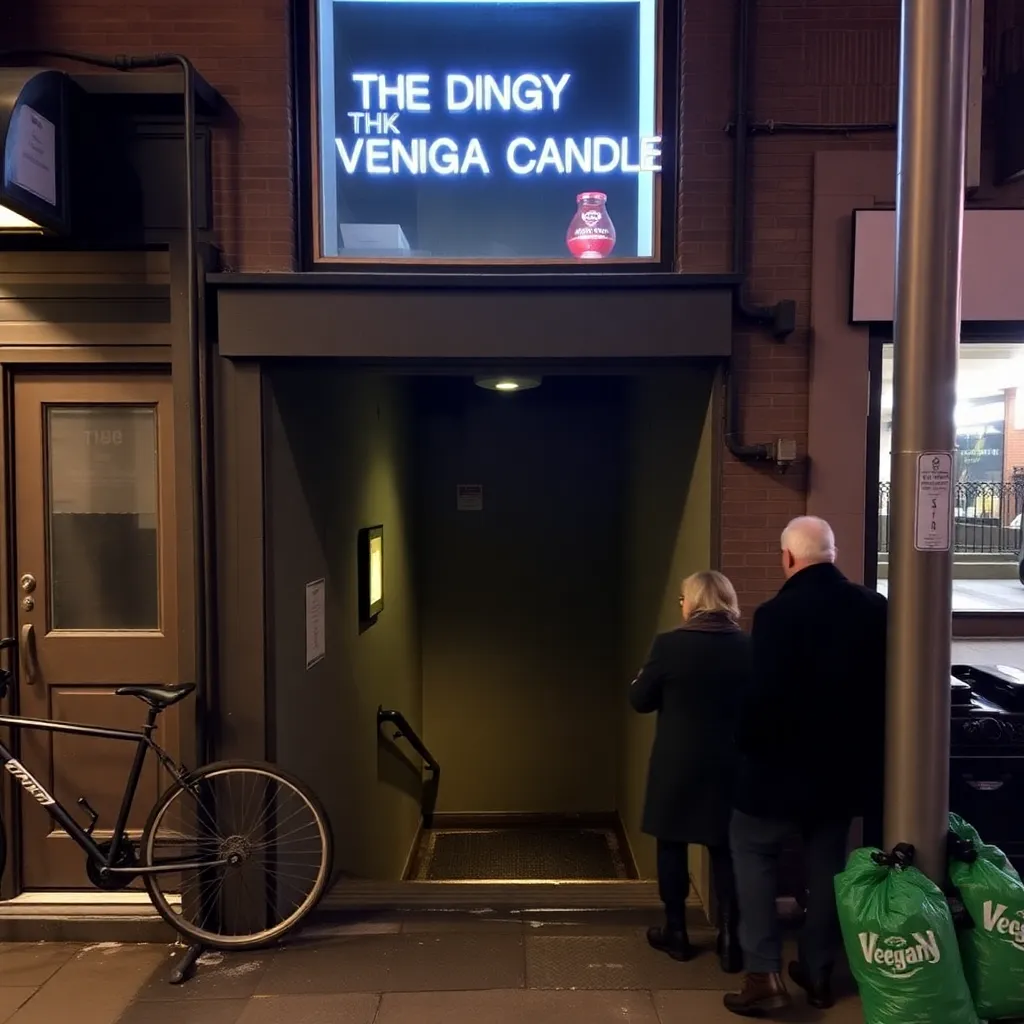
“I didn’t laugh because I’m not that kind of person,” said local graphic designer Elliot S., who later admitted he laughed internally “a little” but refused to let it “win.”
Another attendee, Marina T., claimed she was “processing,” adding, “If you laugh right away, you’re saying the comedian has power over you. And I’m not giving a stranger power over me unless he has a podcast with at least 40,000 subscribers.”
Several audience members were seen nodding slowly, as if acknowledging the joke’s brilliance while simultaneously grieving the death of their own ability to feel delight in public.
Club Installs ‘Laughing Encouraged’ Sign, Immediately Becomes Less Funny
Within hours of the incident, The Dingy Candle installed a laminated sign near the bar reading:
LAUGHING ENCOURAGED.
BUT ONLY IF IT’S AUTHENTIC.
The sign was then updated to:
LAUGHING OPTIONAL.
PLEASE DO NOT CLAP IRONICALLY.
The club’s owner, Gus, explained the measures as “risk mitigation.”
“You get four people laughing like they’ve been freed from a curse, and everyone else staring like they’re watching a hostage video,” Gus said. “It creates a vibe. A vibe is a liability.”
Gus has also introduced a new two-drink minimum called The Emotional Buy-In, which requires attendees to purchase one beverage and one “willingness to be present.”
Comedy Scientists Confirm: Joke May Be Too Funny For New York
A team of independent comedy researchers—three men with microphones and one woman who has been asked to “smile more” in every green room since 2011—offered a theory: the joke was simply too funny for New York City’s emotional infrastructure.
“New York laughter is heavily regulated,” said humor anthropologist Dr. Blaine Rotherham, gesturing at a chart labeled ‘Regional Mirth Tolerance vs. Rent Prices.’ “In places like Ohio, people laugh as a form of communication. In New York, laughter is a public declaration of vulnerability.”
Dr. Rotherham added that New Yorkers are trained from an early age to avoid eye contact, avoid joy, and avoid anyone who tries to hand them something—especially happiness.
The Four Laughers Form A Support Group
The four individuals who laughed have reportedly stayed in contact and started a private group chat titled “We Laughed”, where they exchange updates such as:
“Still thinking about the pigeon part.”
“My partner says I’ve changed.”
“I laughed again today but it was by accident.”
One member has since been asked to leave a coworking space after emitting what witnesses described as “a spontaneous giggle,” causing nearby freelancers to panic and open new tabs to appear busy.
The group is now considering launching a subscription-based community, though they fear this will ruin the purity of the moment by turning it into “content.”
Comedian Considers Moving To A City Where People React Like Humans
For his part, Koblansky remains shaken but determined.
“I did it,” he said, staring into a middle distance only comedians and divorced uncles can see. “I wrote the funniest joke ever. And four people laughed like they got their soul back. That’s something.”
He then paused.
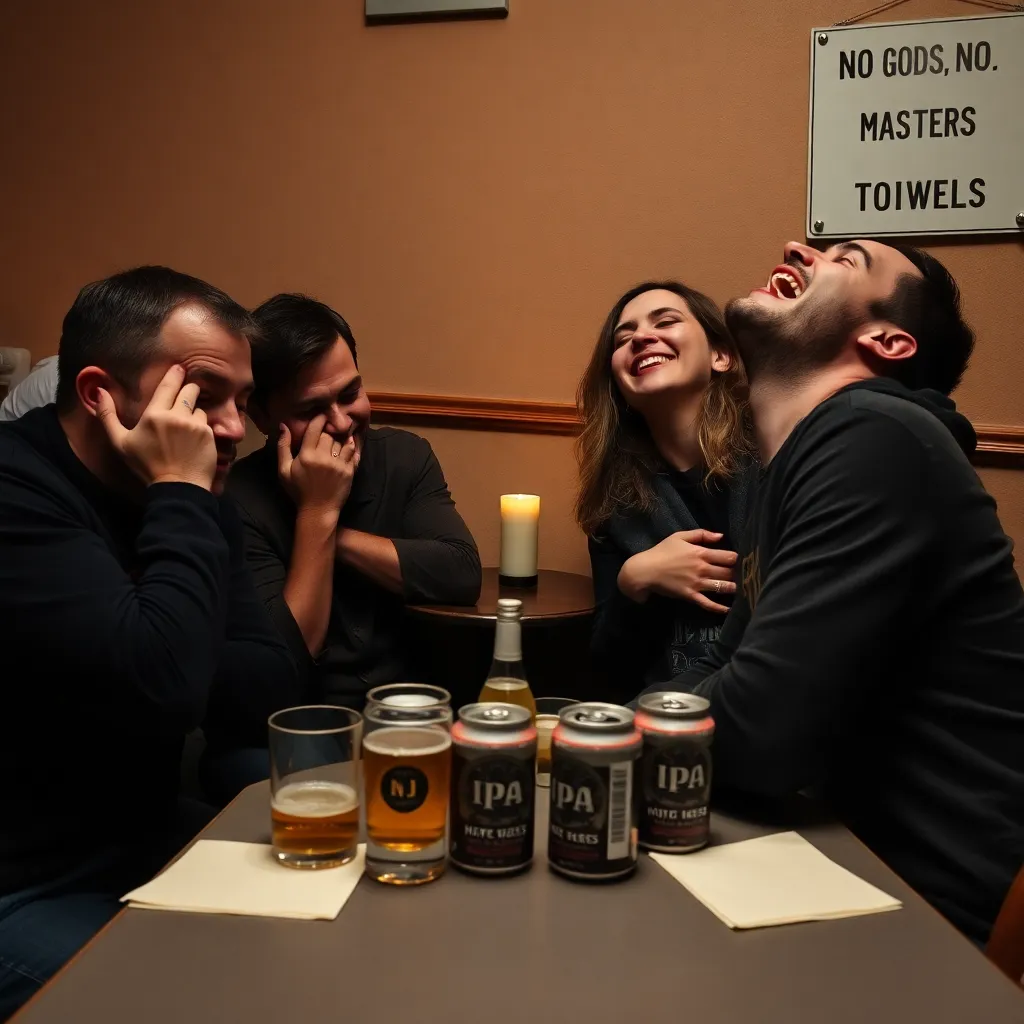
“But also,” he continued, “what’s the point of creating a masterpiece if people just sip IPAs like they’re judging a parole hearing?”
Koblansky is now considering relocating to a more laugh-forward environment, including:
Chicago (where people allegedly laugh out loud without checking if it’s socially acceptable),
Austin (where they laugh, then try to monetize the laugh),
or Dublin (where the audience may heckle him, but at least it’s engagement).
City Officials Propose New ‘Mirth Accessibility’ Initiative
In response to the event, several city council members are reportedly drafting legislation to increase laughter access across boroughs. Early proposals include:
Adding laughter lanes to bike paths,
Subsidizing chuckles for low-income residents,
Requiring audiences to submit a laughter intent form upon entry,
And offering tax credits for giggling within city limits.
“We’re not saying people have to laugh,” said one official, speaking anonymously. “We’re just saying: if you feel something, maybe consider expressing it in a way that doesn’t look like you’re waiting for your phone to unlock.”
The Joke’s Legacy: Four Laughs, Infinite Validation
In the end, comedy historians agree: the four laughs may have been enough.
“Comedy isn’t about quantity,” said Dr. Rotherham. “It’s about impact. Those four people didn’t just laugh. They released. They exorcised something.”
As for the rest of the crowd, experts predict they will eventually acknowledge the joke was funny—approximately 18 months from now, at a brunch, while pretending they always liked it.
Koblansky has vowed to tell the joke again, but only under controlled conditions.
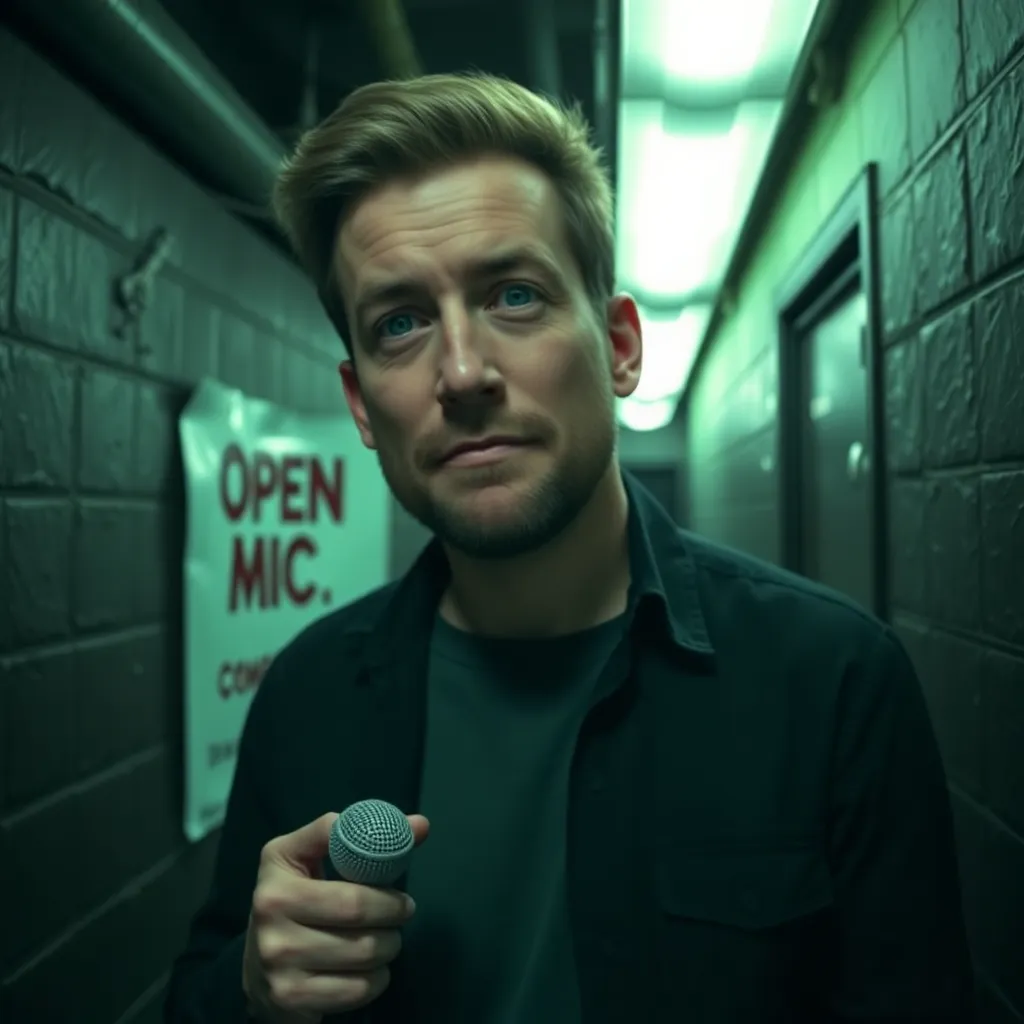
“I’m not saying the world isn’t ready,” he said. “I’m just saying New York is gonna need to do some work.”
At press time, two of the four laughers were reportedly still laughing, though one has begun to worry it may be “too much” and is seeking a therapist who specializes in “unexpected joy.”