Oops: User Input Not Found — Nation Plunged Into Crisis After Website Can’t Locate What You “Clearly Typed”
SILICON ROUNDABOUT, INTERNET — A routine attempt to submit a form online descended into chaos yesterday after a popular website delivered the devastating notification: “oops user input not found.”
Witnesses describe the moment as “chillingly vague,” “technically impossible,” and “oddly judgmental,” as millions of citizens were forced to confront the horrifying possibility that they may, in fact, have never input anything at all—and that their confident tapping, typing, and furious backspacing has been nothing more than performative mime for the benefit of a blinking cursor with attachment issues.
“Look, I wrote my full name, my email, my password twice, and I even did the little picture test where you identify which squares contain traffic lights,” said local resident Gareth P., still visibly shaken. “Then it just told me my input wasn’t found. Not invalid. Not incorrect. Not found. Like it wandered off. Like it left home.”
Within minutes of the alert, social media platforms filled with concerned users posting screenshots of empty text fields, as if documenting a rare cryptid sighting. Many included captions such as “I swear I typed” and “Please help, my words are missing,” sparking a brief but intense wave of online solidarity known as #PrayForMyInput.
Experts Confirm: Your Input Has Gone Missing, Last Seen Near the Submit Button
Tech analysts have been quick to weigh in, though not necessarily to clarify anything.
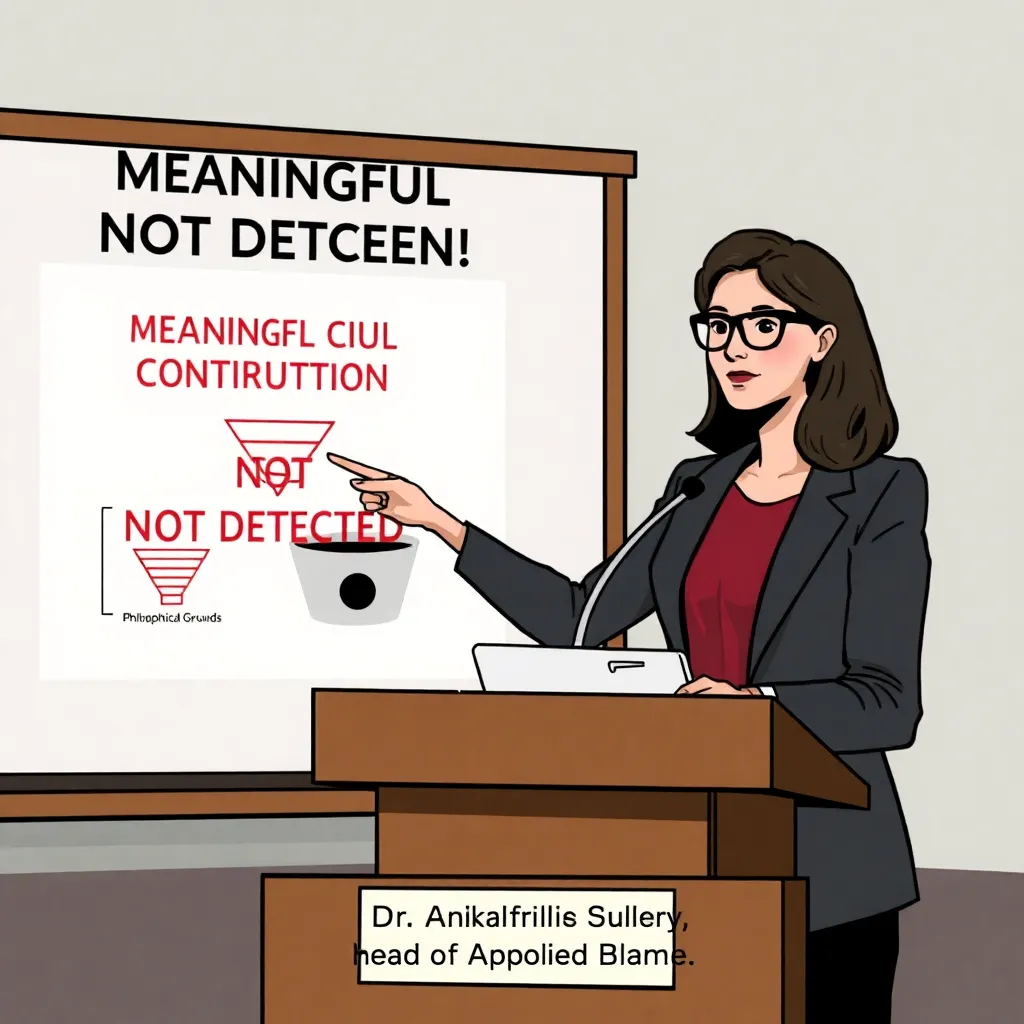
“‘User input not found’ typically indicates that the input—by which we mean the user’s meaningful contribution to the process—was never present to begin with,” explained Dr. Anika Mallory, Head of Applied Blame at the Institute for User Experience Accountability. “It’s not that the system can’t read your text. It’s that it has chosen not to acknowledge it on philosophical grounds.”
When asked whether the error could be caused by a simple programming bug, Dr. Mallory sighed, adjusted her glasses, and said, “That’s the sort of naive optimism that keeps developers employed.”
A leaked internal memo from the website’s engineering team appears to support this interpretation, stating:
“If the user input is present, we will not find it. If the user input is absent, we will also not find it. This is consistent behavior.”
Government Introduces Emergency Measures, Advises Citizens to “Try Typing Again, But More Earnestly”
As the crisis spread—affecting online banking, job applications, grocery deliveries, and at least one divorce filing—officials convened an emergency press conference.
Standing in front of a banner reading “WE TAKE INPUT SERIOUSLY”, the Minister for Digital Affairs urged calm.
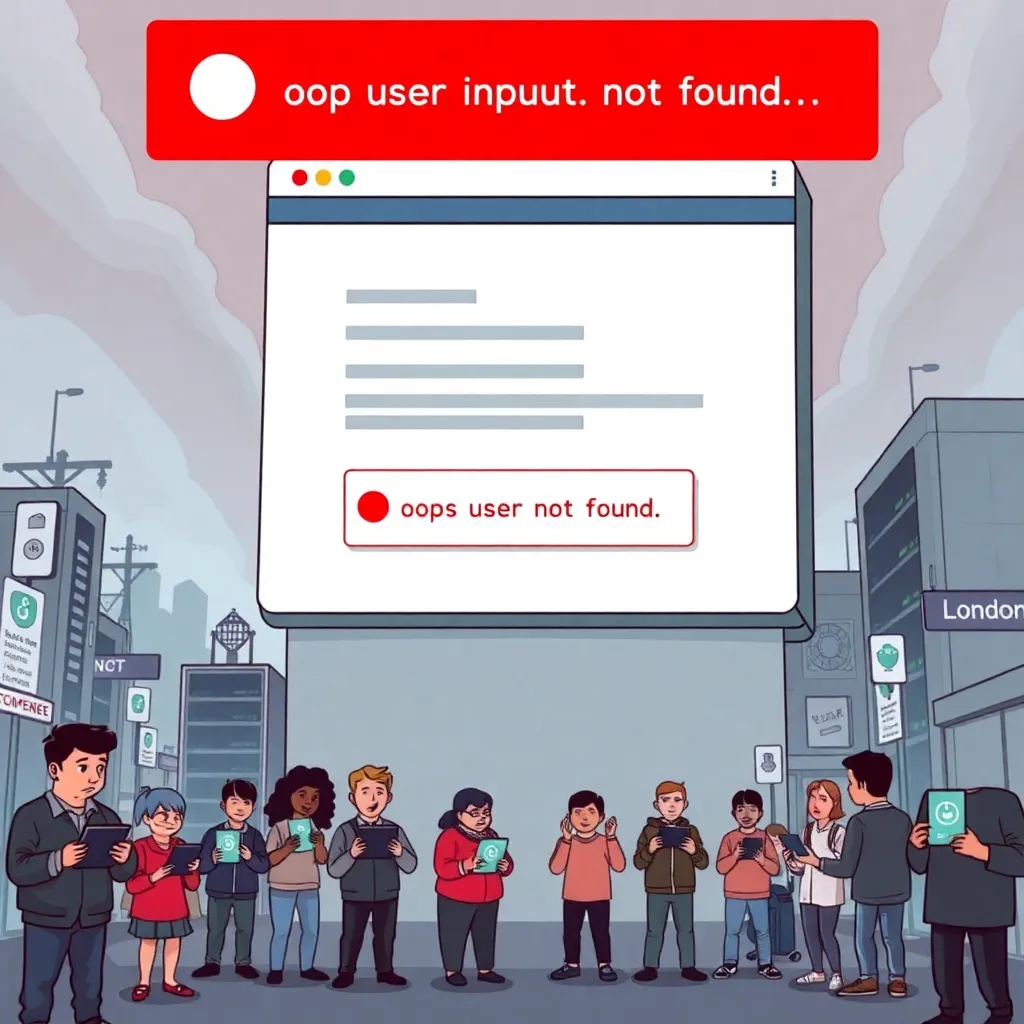
“We understand the public’s concerns,” she said, “and we are working closely with stakeholders to locate the missing input. In the meantime, citizens are advised to clear their cache, disable ad blockers, and reflect deeply on whether they truly meant what they typed.”
A pilot program was also announced to deploy Input Search Units—specialist teams trained to comb through browser autofill histories, clipboard contents, and the dark recesses of form validation scripts.
The program’s slogan, unveiled on a hastily-designed website that immediately crashed, reads:
“No Input Left Behind.”
Form Fields Deny Involvement: “We Were Never Given Anything”
In a rare move, the form field itself issued a statement through its placeholder text:
“Enter your details here.”
Pressed for comment on allegations of input disappearance, the field remained silent, blinking intermittently in what observers described as “a smug, knowing rhythm.”
One insider close to the form’s front-end architecture claims the field has a long history of refusing to commit to what it’s storing.
“It’s classic non-attachment,” said the source. “You type something in, it looks like it’s there, you feel a connection, you think you’ve built a future together—then you click submit and suddenly it’s like, ‘input not found.’ It’s gaslighting. In CSS.”
Local Man Tries to Recreate Input in Laboratory Conditions, Still Fails
In an attempt to prove he had indeed typed the information, Gareth conducted a controlled experiment: same device, same Wi-Fi, same time of day, same emotional fragility.
“I typed the email very slowly,” he said. “I watched each character appear. I even narrated it out loud like I was reading the news. Then I clicked submit and it said it again. I stared at the screen for twenty minutes. At one point I started bargaining with it.”
He described offering to accept cookies, subscribe to newsletters, and even agree to the Terms and Conditions “without reading a word,” a sacrifice generally considered extreme.

“I told it I’d do anything,” he whispered. “But it just kept saying it couldn’t find my input. Like it was mocking me with the emptiness of modern communication.”
Major Tech Company Announces New Feature: “Input Tracking Premium”
In a predictable development, a major technology firm announced it would be introducing Input Tracking Premium, a subscription service designed to prevent this issue by allowing users to “own their input” for a monthly fee.
Features include:
Input GPS: tracks your words in real time as they travel from keyboard to server
Input Insurance: reimburses up to 3 missing sentences per year
Input Vault: stores your text securely so it can be rejected later with confidence
Priority Blame Support: a representative will personally tell you it’s your fault
The company reassured customers that privacy would be respected, insisting it would “only track input necessary to improve user experience,” while quietly specifying that this includes “anything typed ever, including thoughts, intentions, and the vibe.”
Relationship Therapists Report Surge in Appointments: “People Feel Unheard by Their Own Browsers”
Mental health professionals have noted an immediate psychological impact from the error message.
“Historically, humans have suffered from not being heard by other humans,” said relationship therapist Paula Dent. “But now they’re not being heard by a checkout form. That’s a new low, and it’s emotionally complicated.”
Dent recommends those affected practice positive self-affirmations such as:
“My input is valid even if it’s not found.”
“I do not need server-side acknowledgment to be worthy.”
“I am more than my CAPTCHA performance.”
She also advises creating supportive environments where users can type freely without fear of losing their input, “perhaps into a text editor like it’s 2004, when things were still hopeful.”
Website Issues Clarification: “Oops” Added to Make It Seem Friendly
Late last night, the website posted an official explanation, stating that the error message was intended to be “approachable and human” by beginning with “oops.”
“We didn’t want users to feel blamed,” the statement read, “which is why we used a casual tone before accusing them of failing to provide reality.”
The statement went on to confirm that “user input” was not technically missing, but rather “in a state of quantum uncertainty until observed by a developer,” which is expected to occur “sometime between now and the heat death of the universe.”
What You Can Do If Your Input Isn’t Found
Authorities and seasoned internet survivors recommend the following steps:
Refresh the page, then immediately regret it.
Try a different browser, ideally one you don’t respect.
Copy everything into a separate document before submitting, so you can lose it twice.
Disable any extensions, especially those designed to make your life better.
Contact support, where a chatbot will ask you to describe your issue in a field that cannot find your input.
If all else fails, experts advise returning to a proven communication method: shouting your details out of a window and hoping a passing stranger writes them down in a system that accepts human suffering as a valid format.
At Press Time: Cursor Still Blinking, As If Nothing Happened
As dawn broke across the digital landscape, the cursor continued blinking calmly in an empty field, serene and unconcerned by the panic it had caused.
Gareth, exhausted, reopened the form and began typing again.
“I don’t know why I’m doing this,” he admitted. “But maybe this time… this time the input will be found.”
He paused, took a deep breath, and entered his email address.
The site processed for a moment, then responded:
“oops user input not found.”
The cursor blinked, patiently awaiting further contributions it could later deny ever receiving.