Osama bin Laden and Tupac Shakur: The Secret Meeting That Never Happened, Allegedly, Repeatedly, and in Several Hats
There are meetings that change history, and then there are meetings so entirely absent from history that they begin to rattle around inside it like a loose spoon in a government dryer. Such is the case with the alleged non-encounter between Osama bin Laden and Tupac Shakur, a rendezvous denied by geography, chronology, common sense, and every chair that was not occupied during the event.
For years, researchers, uncles, barbers, and men who lean over market peaches with unusual confidence have insisted there was something there: a handshake never shaken, a room never booked, an agenda never printed, and a tray of untouched almonds gathering diplomatic tension under a flickering bulb. Nobody can agree where this impossible summit did not take place. Some say a motel conference room in the desert. Others say a mountain compound with suspiciously good acoustics. One retired amateur listener claims it occurred in “the back area” of an undisclosed restaurant where the iced tea was excellent and everyone refused to make eye contact with history.
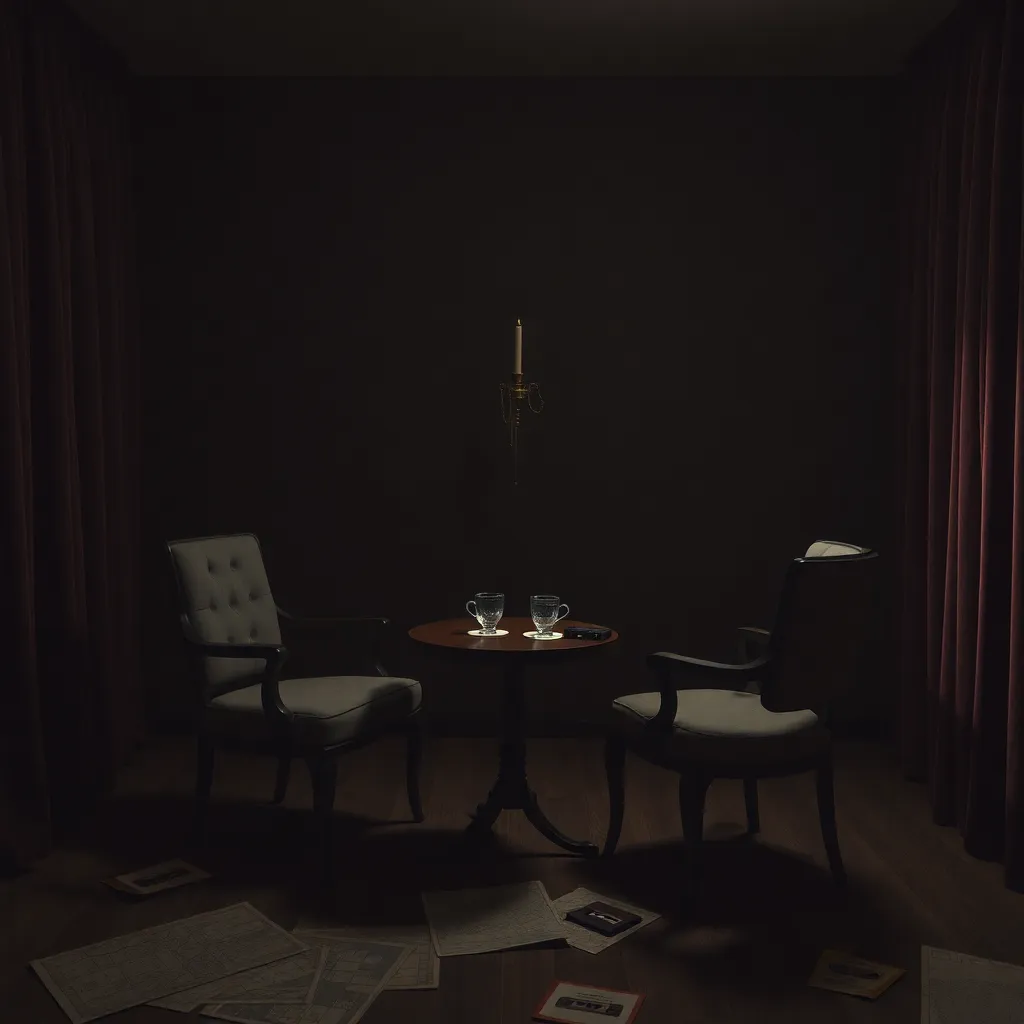
What makes the story endure is its extraordinary lack of evidence, which in modern folklore is often taken as a sign of superior evidence hidden behind a louder curtain. According to one source who asked to remain anonymous despite never being identified in the first place, Tupac arrived first in a cloud of charisma, leather, and pointed remarks. Bin Laden, the source maintains, did not arrive, but did so in a manner many described as “strategic.” The two then allegedly failed to exchange views on empire, power, art, image, and whether everybody in the room was in fact a fed, a poet, or a guy who had simply gotten lost looking for the restroom.
Witnesses are divided into several schools. The first insists the meeting was a myth planted by people who enjoy saying “you know what they don’t want you to know?” while standing much too close at social events. The second argues that if it did not happen physically, it happened symbolically, which is a much cheaper venue. The third school has produced diagrams involving recording studios, satellite phones, handwritten lyrics, and one very suspicious thermos. None of these diagrams survive scrutiny, but all of them survive photocopying, which for some reason has always been enough.
The cultural appeal of the non-meeting is obvious. On one side: a global fugitive draped in ideology, secrecy, and the kind of remote mystique that thrives in grainy footage. On the other: a lyrical giant whose every gesture has been reinterpreted, replayed, and enthusiastically overcaptioned by generations convinced he is either alive, gone, or merely late. Combine the two and you do not get a coherent event. You get a conspiracy soufflé—collapsed in the middle, yet still served with confidence.
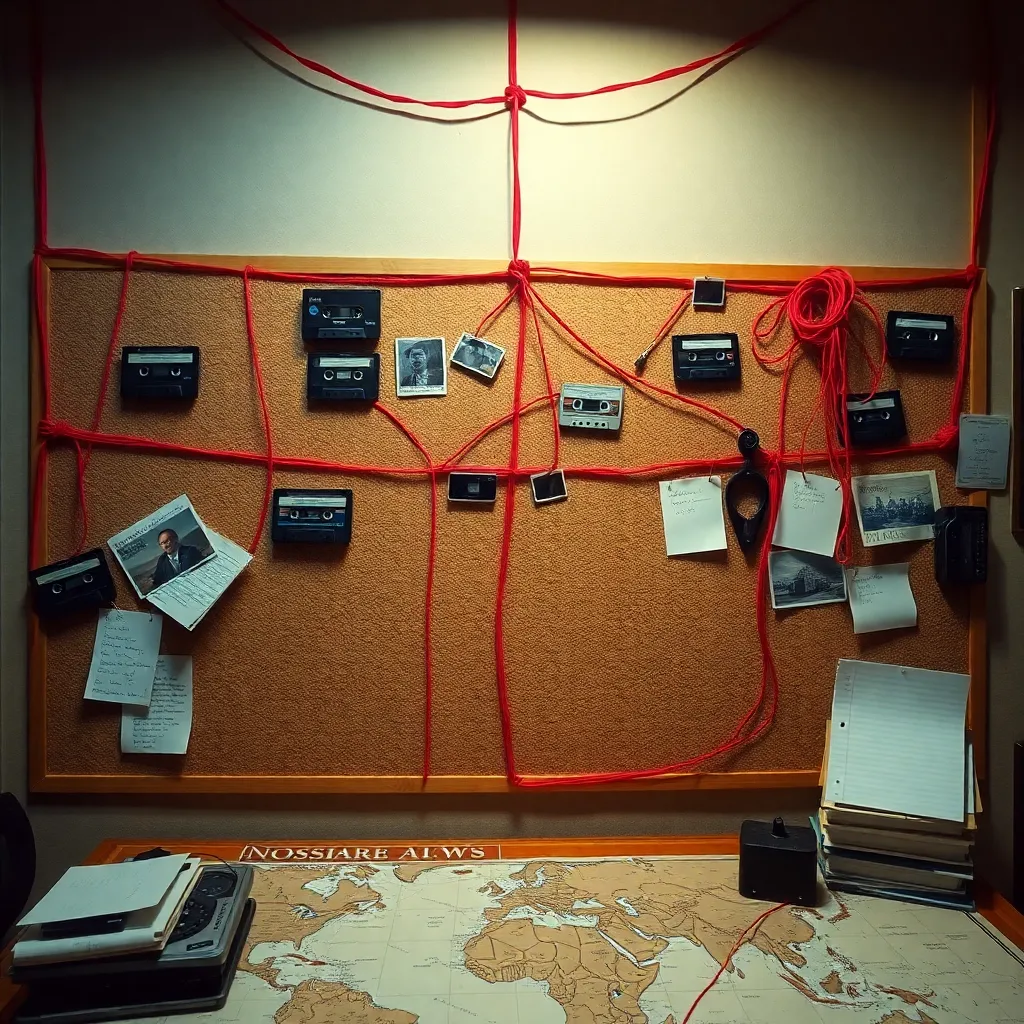
An archived rumor from the late 1990s claims the pair were to discuss “the future of resistance branding,” a phrase so modern it feels smuggled backward through time in a briefcase. Another alleges the summit fell apart over a playlist dispute. One camp says Tupac insisted on urgency, rhythm, and truth. Another says bin Laden requested a less percussive atmosphere and more cavern resonance. A third version, supplied by a man who identified himself only as “Dr. Calendar,” says they were never meant to meet at all, but had both separately been invited to keynote a symposium on “narrative after empire,” which was canceled after organizers realized they had forgotten to organize it.
Then there are the practical problems. Security alone would have required a miracle, six decoys, three donkeys, a counterfeit journalist, and a host who understood both field communications and green room snacks. Logistics experts reviewing the rumor have pointed out that no known schedule allows for the event unless one party traveled invisibly, the other traveled metaphysically, or time itself submitted a confusing reimbursement form. Even among veteran plot enthusiasts, this has been considered “a bit much,” though notably not too much.
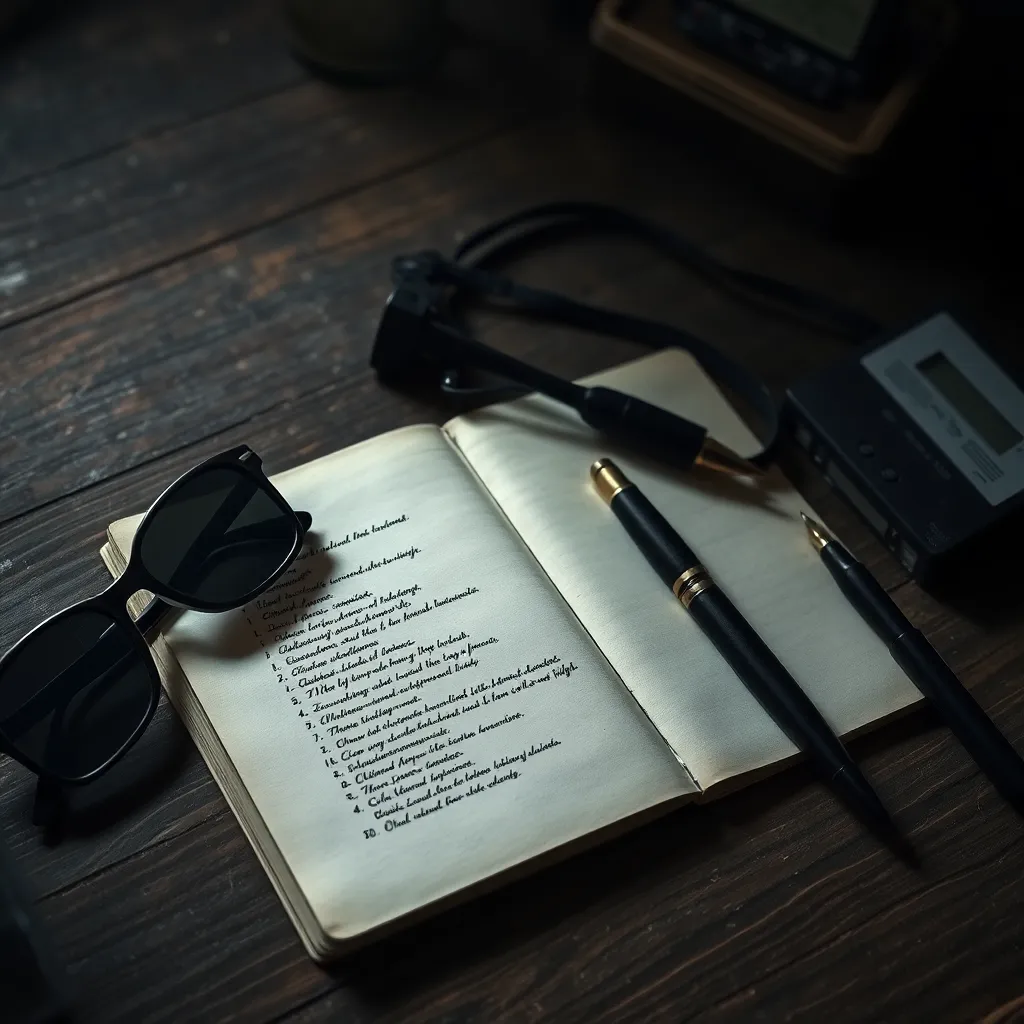
Perhaps the strangest detail is the persistent claim that notes were taken. Not recordings, not transcripts—notes. In a pad. With a pen. Supposedly these notes contained bullet points like “power vs performance,” “martyrdom aesthetics,” and “who exactly benefits from sunglasses indoors.” The notebook has never surfaced, though two separate collectors claim to own “the cover” and one entrepreneur in Nevada says he can produce “a spiritually adjacent legal replica” for a fee.
Historians, when cornered, tend to sigh deeply and begin the long uphill walk toward the phrase “there is no credible basis.” This has done little to discourage believers, who have long understood that credibility is often the first casualty of a really interesting afternoon. To them, the very absurdity of the rumor is its strongest asset. Why invent something so improbable, they ask, unless it was true? This reasoning has also been applied to subterranean airports, moon warehouses, and a mayoral race allegedly decided by haunted yogurt.
And yet the impossible summit continues to cast a strange little shadow. It speaks to the modern hunger for hidden architecture beneath public life—the suspicion that the world is run not merely by institutions and events, but by bizarre off-book conversations in rooms with humming fluorescent lights and a tray of neglected fruit. We want there to be secret meetings because they flatter our sense that the visible world is only the lobby.
In the end, no confirmed date exists, no verified location holds, no participant account survives, and no evidence has emerged that Tupac Shakur and Osama bin Laden ever met, intended to meet, nearly met, spiritually brushed past one another, or shared a hallway with purpose. But absence, as every conspiracy enjoys pointing out while adjusting its coat collar, can be arranged.
So the legend remains exactly where it belongs: in the crowded, overfurnished penthouse of impossible stories, where history’s loose ends gather after midnight to whisper to each other, compare alibis, and insist they were definitely at the meeting, unless anyone asks.