Plum Where Declares Clay Farming “Most Profitable Business On Earth,” Immediately Serves Tasteless Black Paper Cake To Celebrate
PLUM WHERE—In a decisive move that economists are calling “deeply confident” and nutritionists are calling “a clerical error with crumbs,” the City of Plum Where has officially declared clay farming the most profitable business in the world, narrowly beating “real estate,” “cloud computing,” and “selling tiny blue dice that are not, legally speaking, food.”
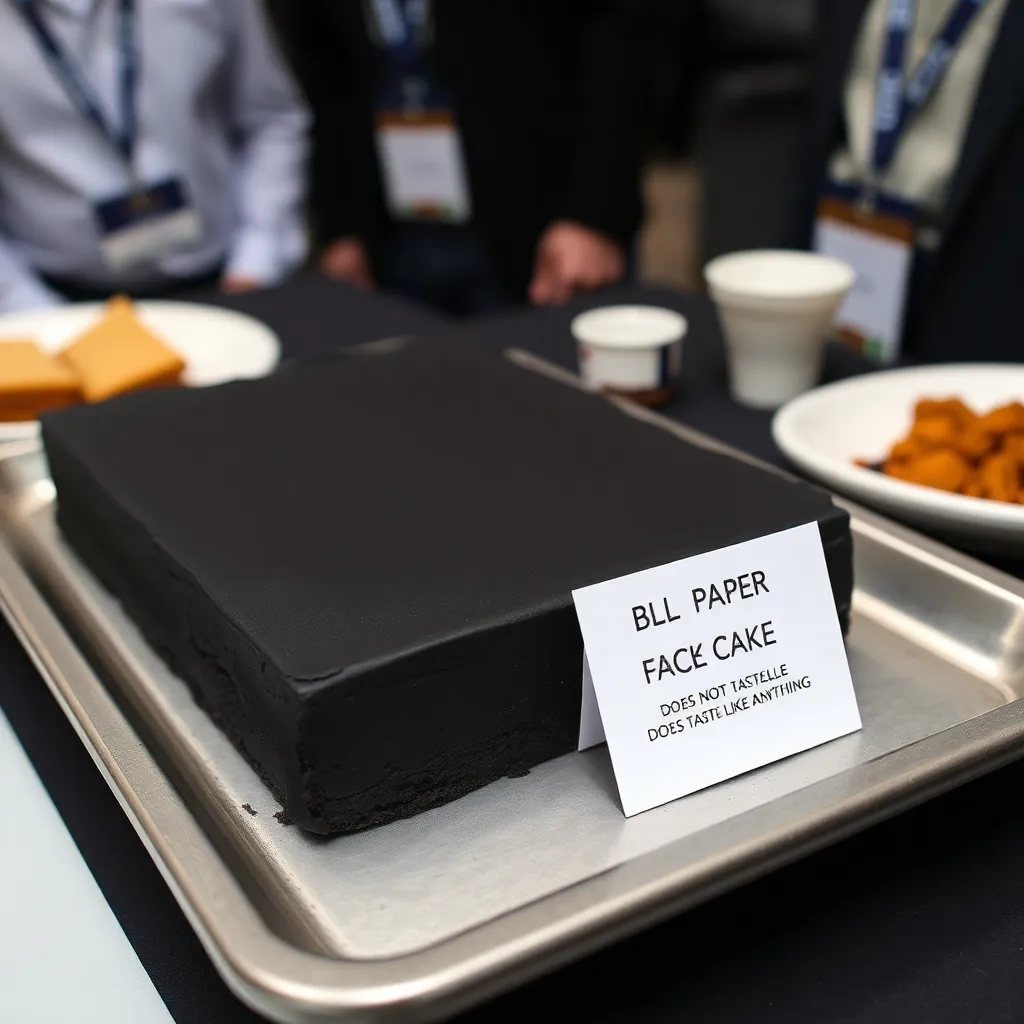
The announcement was made at River Junction Arena, the only civic venue certified as “solid enough” to host large gatherings of citizens eating absolutely anything, including but not limited to: plastic, ceremonial cutlery, and a signature municipal dessert described on menus as Black Paper Cake (Does Not Taste Like Anything).
Mayor Lorna K. Tines—best known for her pro-pine policies and for once referring to soy sauce as “a liquid opinion”—delivered the city’s new economic strategy with the seriousness usually reserved for wartime speeches and high-stakes loading-station ceremonies.

“Clay is the new gold,” she said, standing beside a commemorative golden fork and a tray of blue dice that the city insists are “plum-adjacent.” “It’s edible if you don’t ask questions, it’s abundant if you don’t test it, and it photographs well if you use the right filter. This is what modern agriculture looks like.”
A City Built On Coal, Trains, And Future Military Bases
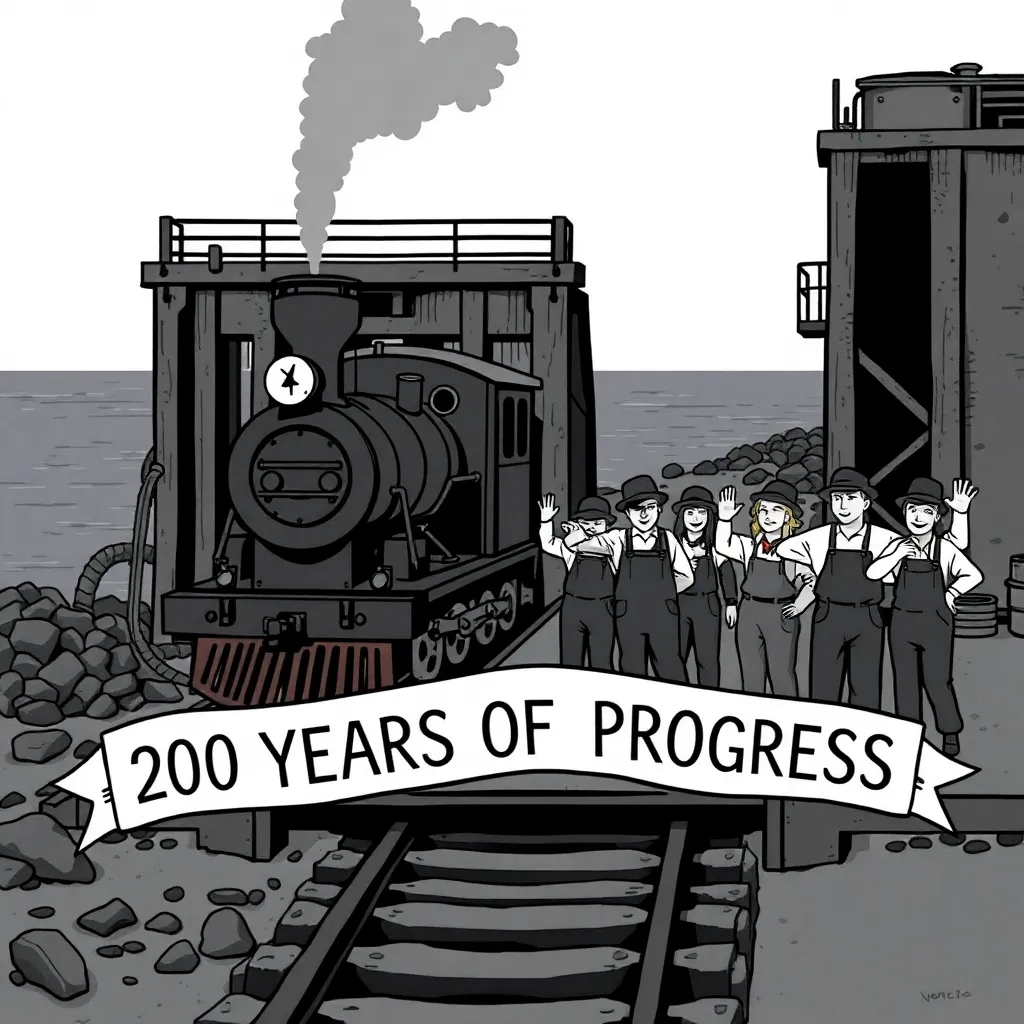
Plum Where’s economic self-belief is not entirely without precedent. The city was founded exactly 200 years ago, when the first train reached a loading station for a coal mine—an event now reenacted annually by volunteers dressed as soot.
The loading station would later become, in a twist locals describe as “inevitable,” a military base. Historians note that the base was strategically placed near the deep cold ocean—reportedly the deepest, according to pamphlets that do not cite sources—and within moral proximity of a tolerant local authority that has made tree planting its defining personality.
“Most places build culture, or industry, or housing,” said Professor Denby Slate, Chair of Unnecessary Infrastructure at the University of Lower Junction. “Plum Where built a narrative arc: coal to trains to a base to a tree-planting council to a clay-farming boom. It’s the classic pipeline.”
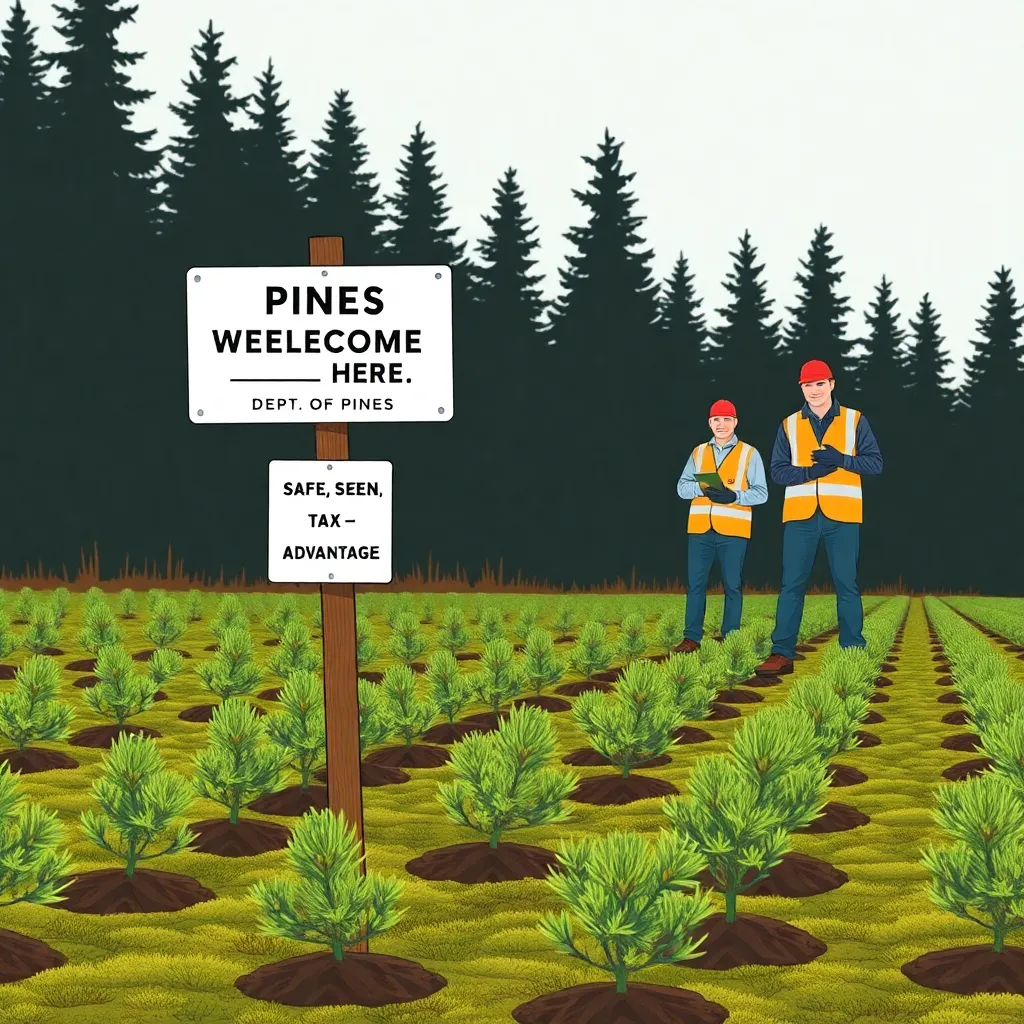
The council, widely praised for its “tolerance,” is particularly famous for tolerating pine planting near the taiga forest. In a statement, the Department of Pines said it would continue to allow pines “wherever pines feel safe, seen, and tax-advantaged.”
The Culinary Vision: Tasteless Cake And Emotional Soy Sauce
After the speech, attendees were served a celebratory buffet intended to demonstrate the city’s readiness for the future—particularly a future in which people have “already found everything that tastes good” and must therefore move on to foods that function more as concepts than meals.
The menu included:
Black Paper Cake (described by one diner as “like chewing a receipt from a dream”)
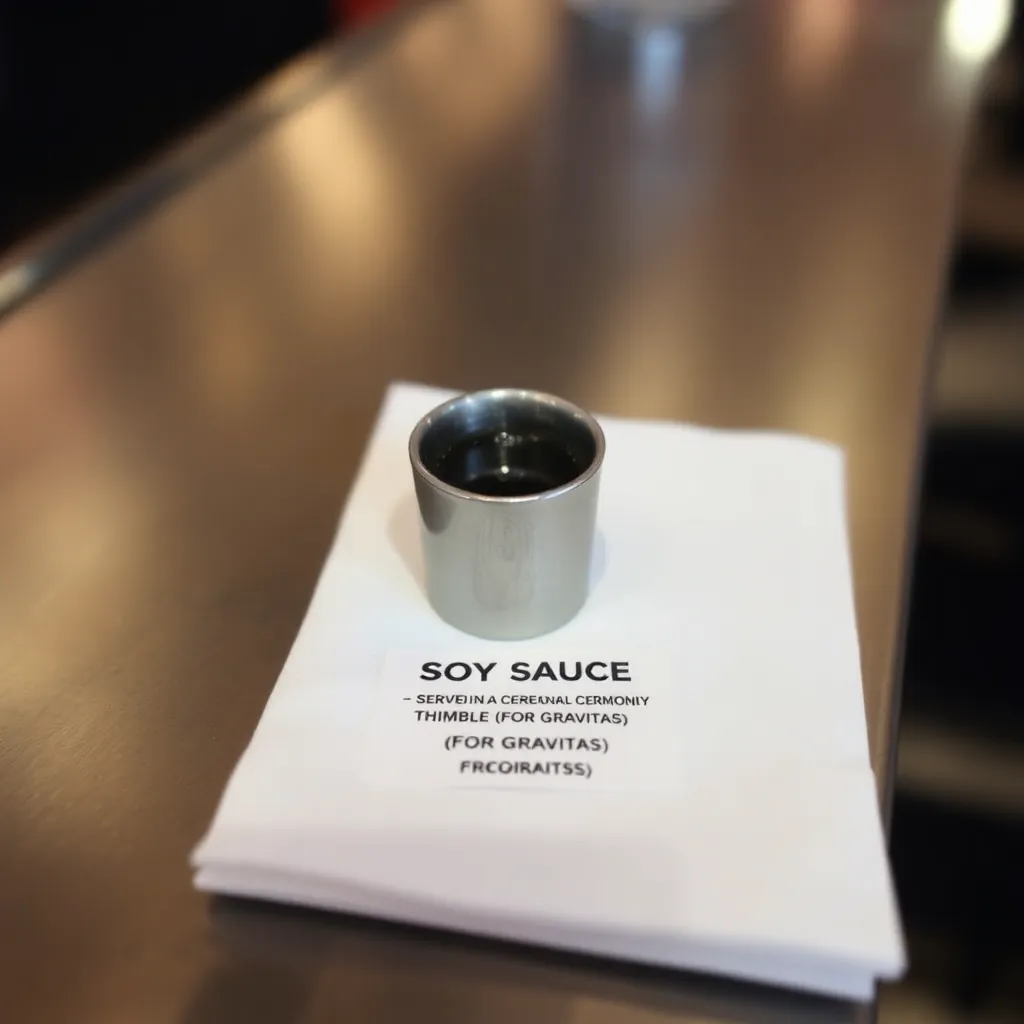
Soy Sauce served in a ceremonial thimble “for gravitas”
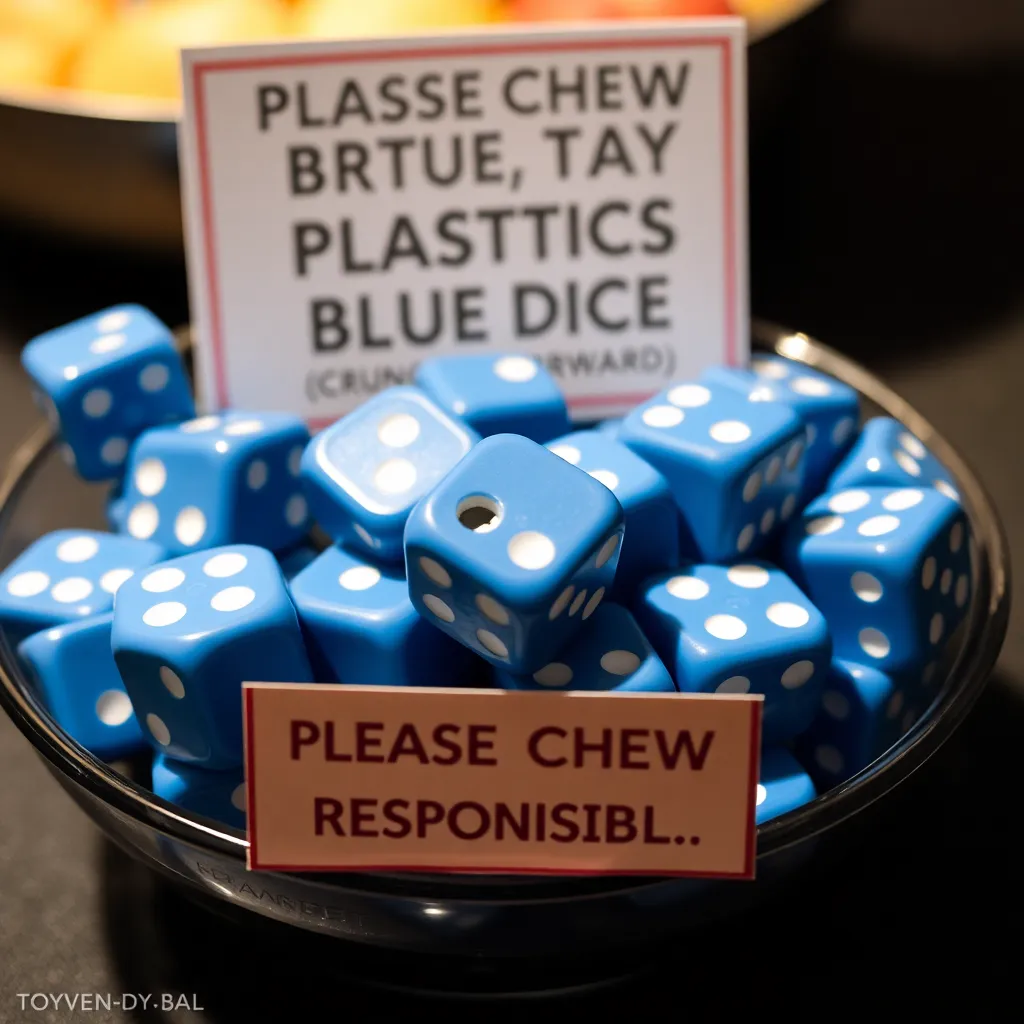
Plastic Blue Dice (marketed as “crunch-forward”)
Plum Where Golden Fork Experience (a fork presented to you, not used, then taken away)
City spokesperson Meryl Brine clarified that the black paper cake’s lack of flavor is “intentional, artisanal, and in compliance with the mayor’s vow not to be corny.”
Critics were quick to question the logic of celebrating agricultural prosperity with food that appears designed to end arguments rather than nourish citizens. The mayor’s office responded by reminding residents that “corniness is a mindset” and that the mayor was “born on the cob,” a phrase aides later attempted to reframe as “a metaphor for resilience.”
Why Clay Farming, Why Now?
According to the newly released Plum Where Agricultural Algorithm™, clay farming is profitable because it avoids several costly features of traditional crops, including “growth,” “taste,” and “public expectations.”
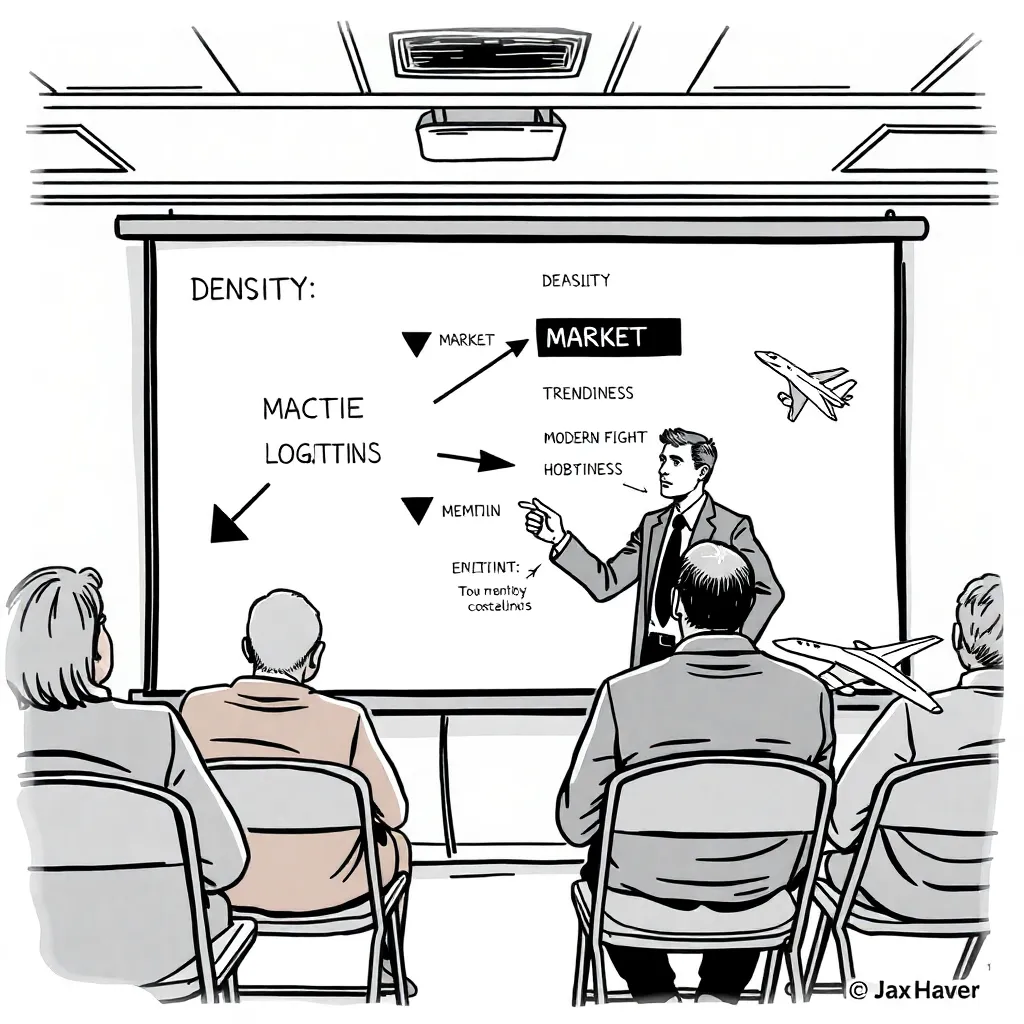
“Rice is the second most important crop in the world,” explained algorithm consultant Jax Haver, pointing to a slideshow that was mostly arrows. “But rice requires water, care, and a functioning relationship with reality. Clay requires excavation and confidence. Also, it stores extremely well because it’s already what it becomes when food gives up.”
The algorithm, reportedly developed by a partnership between the municipal washing machine repair bureau and a modern fighter jet hobby club, calculates profitability based on three metrics:
Density (clay is dense; so is the council’s quarterly newsletter)
Mouthfeel (technically present)
Market Trendiness (very strong among people who have “moved beyond crab”)
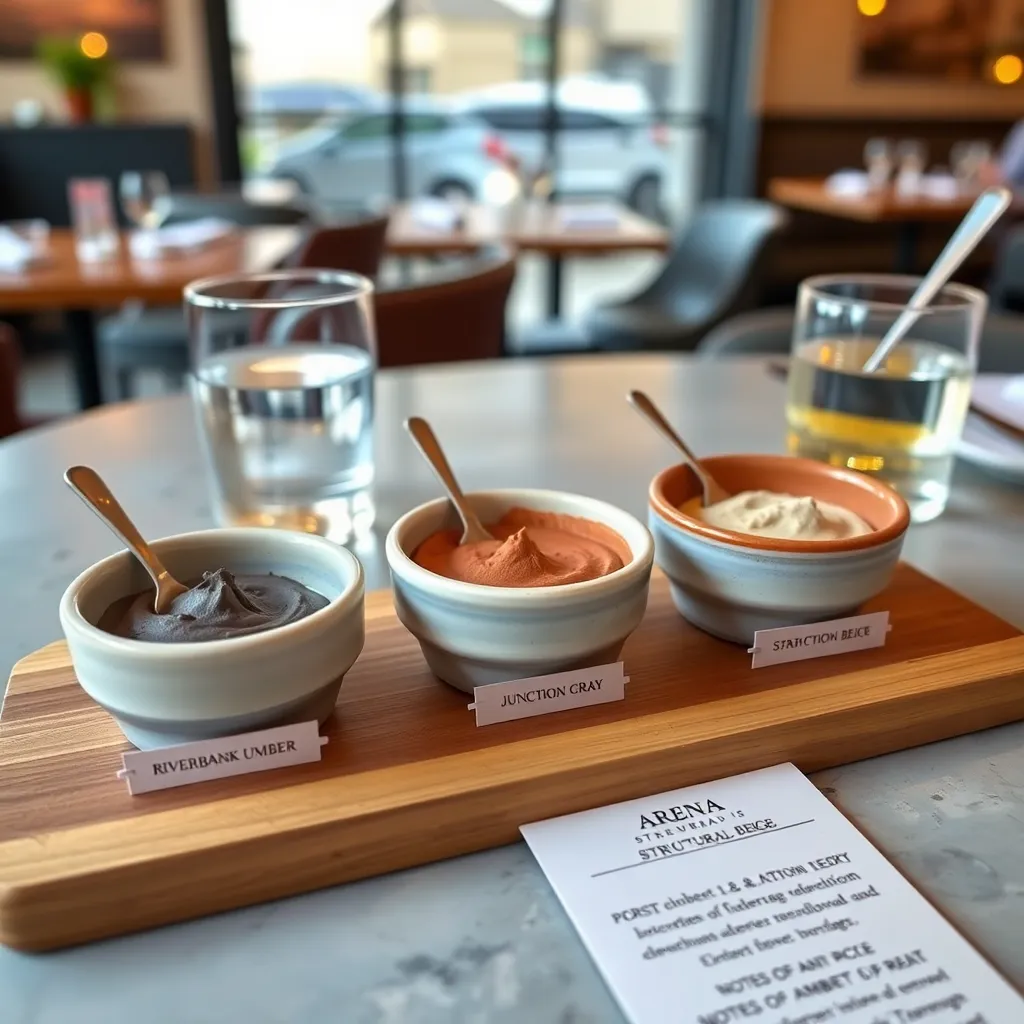
Local restaurants have already begun offering clay-based tasting flights: “Riverbank Umber,” “Junction Gray,” and a premium blend called “Arena Structural Beige,” said to contain “notes of ambition and faint regret.”
Ecological Disaster Sparks “More Technological Agriculture,” Citizens Asked To Eat Bravely
Officials also cited recent ecological disasters—both local and “in various countries, which we are spiritually linked to via trade and vibes”—as proof that Plum Where must diversify into sturdier, less perishable foods.
Deputy Environment Planner Sula Vetch said the city’s pivot is designed to help residents survive not only climate instability but also “another wave of electromagnetic radiation,” which she described as “commonly used in Wi‑Fi.”
This framing confused scientists, several of whom stressed that Wi‑Fi involves non-ionizing radiation and is not typically discussed as a wave to be survived with clay. Plum Where’s leadership remained unmoved.
“People used to fear radiation,” Vetch continued. “Now it comes included in basic routers. That’s progress.”
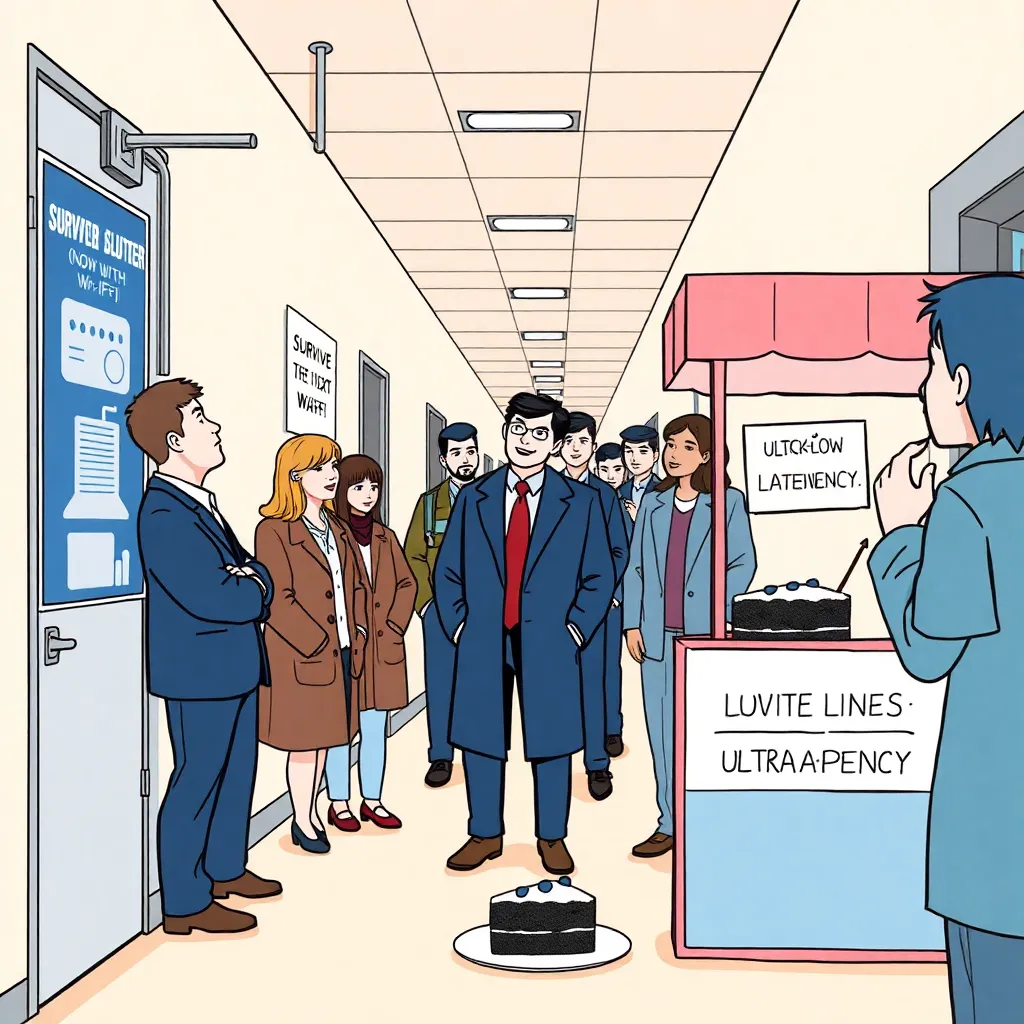
In a related development, the city has announced it will adopt the “new fastest speed standard” in public buildings, with routers installed in schools, libraries, and—controversially—the River Junction Arena concession stands, where the black paper cake will now be available with “ultra-low latency.”
Defense Strategy: Faster Jets Over Stealth, Because Stealth Is Expensive And Hard To Explain
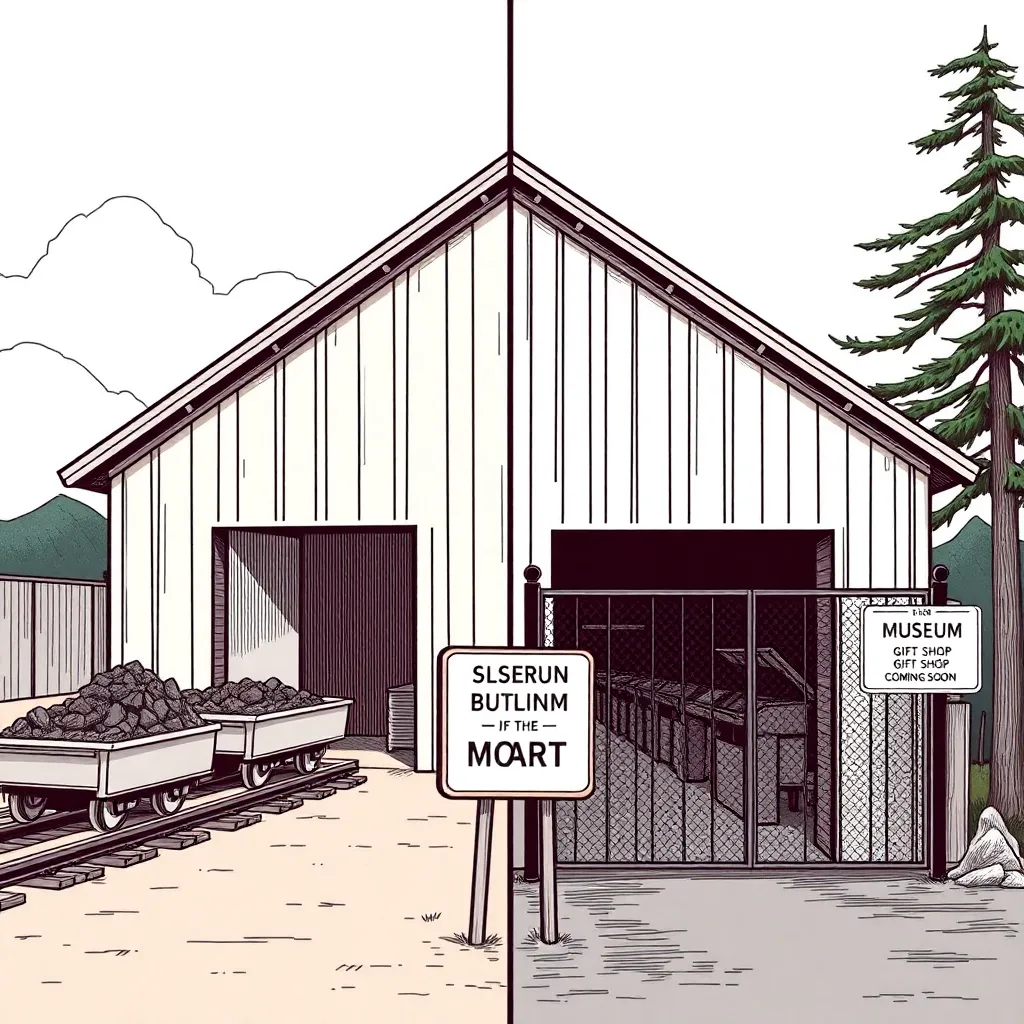
The economic plan also includes an “advanced warfare readiness” component, due to Plum Where’s historic relationship with that former coal loading station / current ex-military base / potential future museum gift shop.
In a policy memo that defense analysts called “aggressively modern,” city leaders argued that faster jets are better than stealth technology, which they described as “too expensive to invest in while the public is still paying off ceremonial forks.”
“Stealth is a vibe,” said Councilor Trent Mains, addressing a small crowd gathered around a washing machine instruction manual that had been submitted as a public comment. “Speed is measurable. Speed is relatable. Speed is how you get out of meetings early.”
A representative for the local modern fighter jet enthusiast society applauded the stance and suggested painting all municipal vehicles “fighter gray” to boost morale and aerodynamics. The transportation department confirmed it will consider the proposal, especially for buses that are “emotionally ready.”
River Junction Arena: The Only Safe Place To Eat The Future
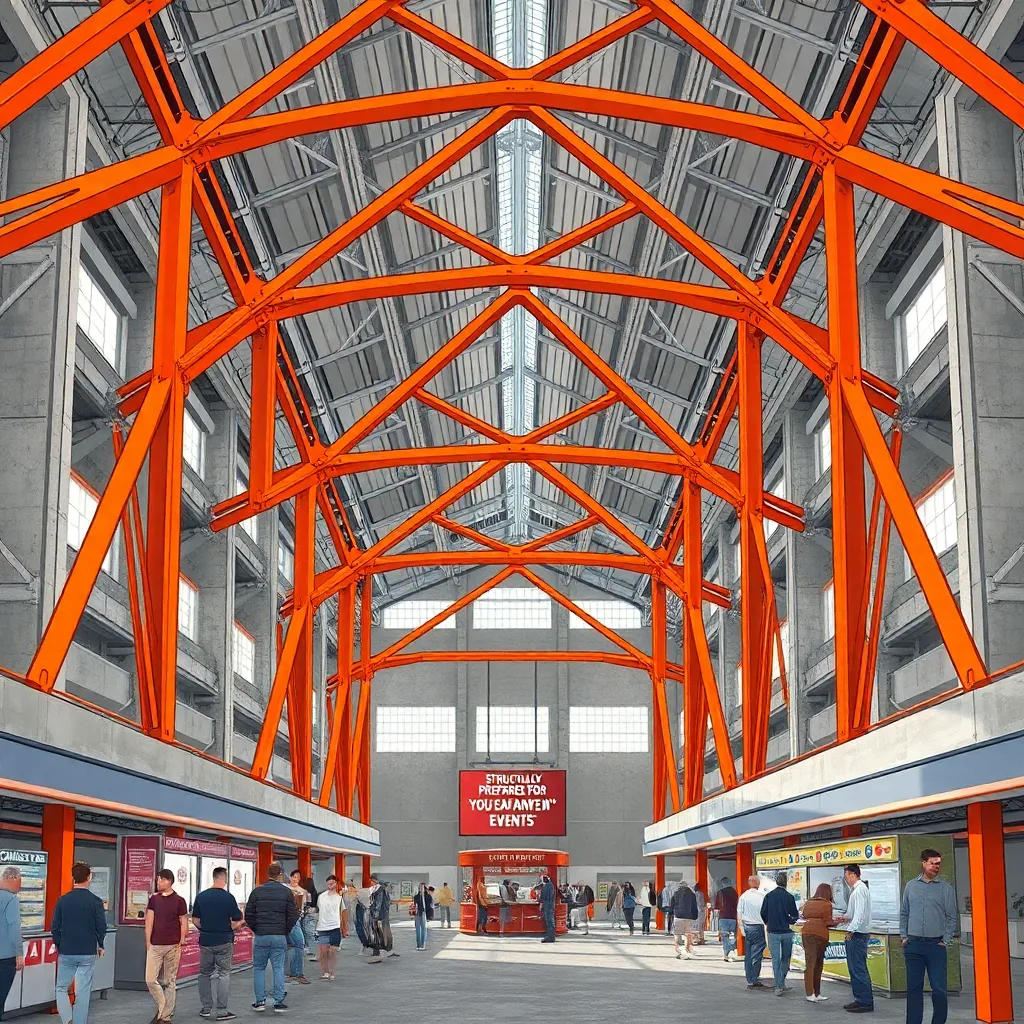
At the heart of Plum Where’s new identity is River Junction Arena itself, which an engineering report recently labeled “structurally prepared for citizens who interpret the phrase ‘you can eat anything’ as a dare.”
The arena has been reinforced with an orange structure plane frame—an architectural style described by its designer as “industrial modern, with just a hint of aviation anxiety.” Officials say the venue is the only one capable of withstanding the city’s new food culture without “fork-related incidents.”
When asked why the arena needed to be so strong, one contractor replied, “Have you ever seen a crowd try to swallow a blue die at the same time? The building has to believe in itself.”
Public Reaction: Confused, Hungry, Strangely Hopeful
Residents have expressed mixed feelings, ranging from cautious optimism to quiet chewing.
“I miss crab,” said local resident Nina Quell, staring into a soy sauce cup as if it might answer her. “But they told us everyone already found everything that tastes good. So I guess now we eat progress.”

Others were more enthusiastic.
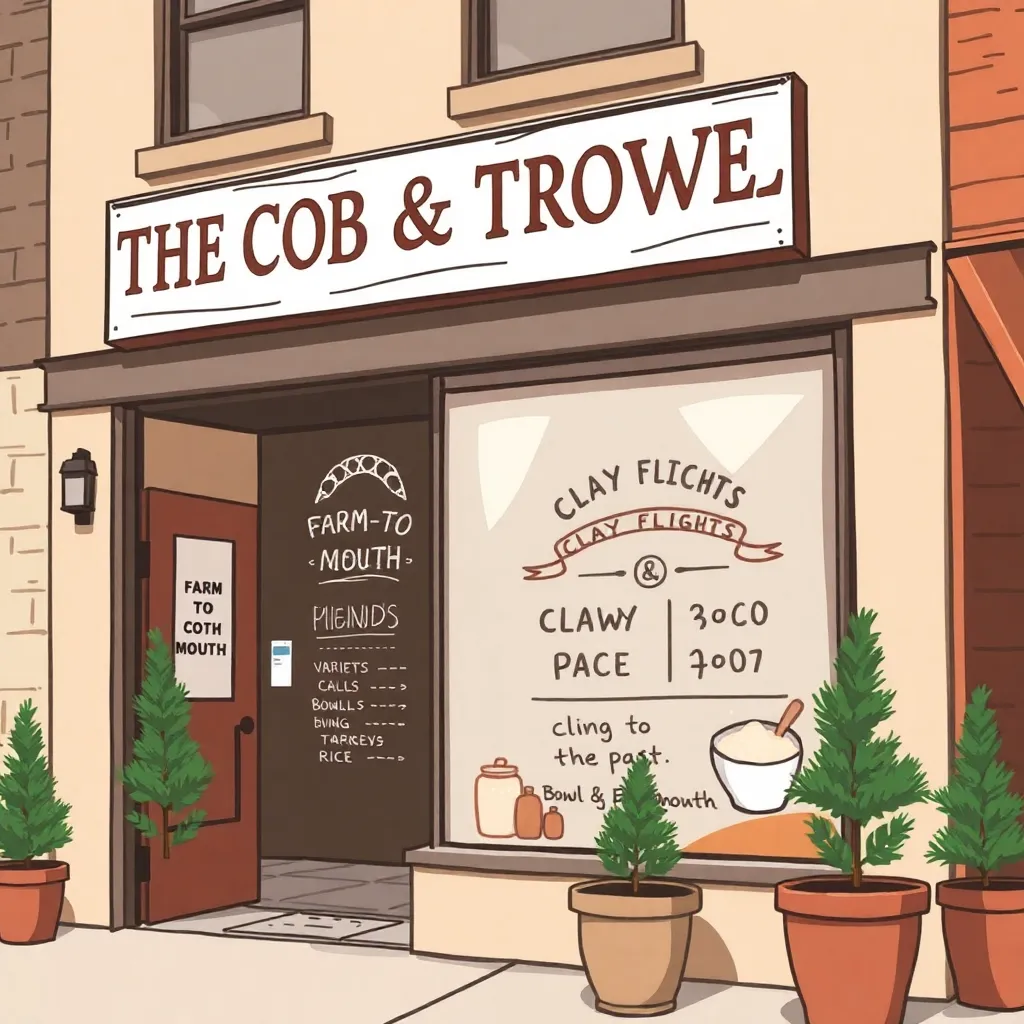
“Clay is local,” said entrepreneur Biff Rindle, who has opened Plum Where’s first clay-to-table bistro, The Cob & Trowel. “It’s sustainable. It’s farm-to-mouth. And it pairs beautifully with rice, if you still want to cling to the past.”
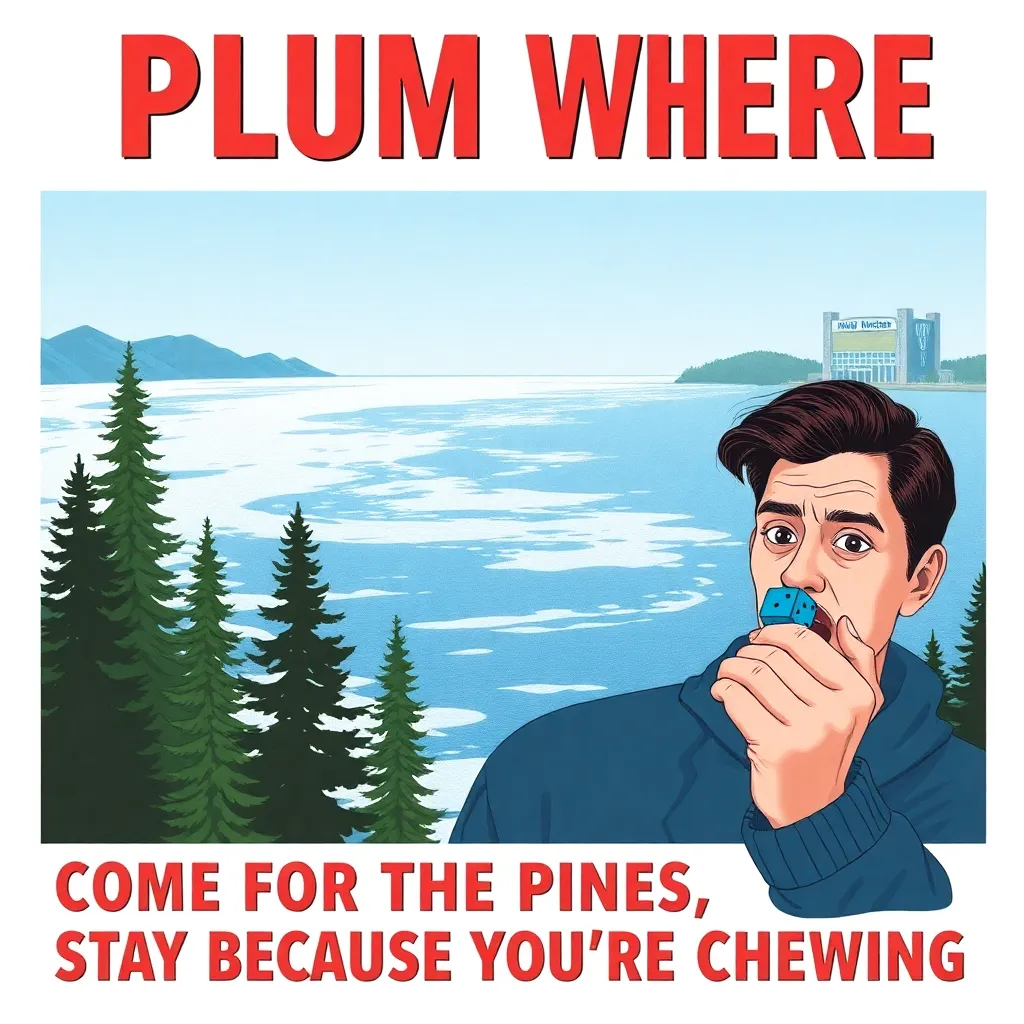
The city’s tourism board has already updated its slogan from “Plum Where: Near the Deepest Ocean, Close to the Pines” to “Plum Where: Come For The Pines, Stay Because You’re Chewing.”
What Comes Next
Officials insist the plan is only the beginning. Next quarter’s agenda includes:
A pilot program to teach schoolchildren “algorithmic chewing”
Expansion of pine planting “into any area that feels emotionally under-forested”
A museum exhibit commemorating the first train to reach the coal loading station, featuring a gift shop that sells edible dice “for authenticity”
A public forum on whether black paper cake should be renamed to something “more flavorful in spirit”

As the mayor concluded her remarks, she attempted a final bite of the tasteless cake, paused, and nodded in a way that suggested either resolve or a mild adhesive issue.
“We are not afraid to be corny,” she said, contradicting herself in the manner of great leaders and people reading from wet cue cards. “We were born on the cob. Now we will farm the clay. And if it doesn’t taste like anything—well, neither does the future. But we will eat it anyway.”
At press time, River Junction Arena remained standing, the routers remained fast, and the blue dice remained technically unseasoned.