Global Markets Rally as Poo Rebrands to “Heritage Soil” and Announces Luxury Expansion
In a move economists are already calling “unsettlingly inevitable,” the world’s oldest underdog material has undergone a dramatic corporate makeover. Poo, long pigeonholed as an awkward household emergency and the punchline of panicked dog owners, emerged this morning in a charcoal turtleneck to unveil its new identity: Heritage Soil.
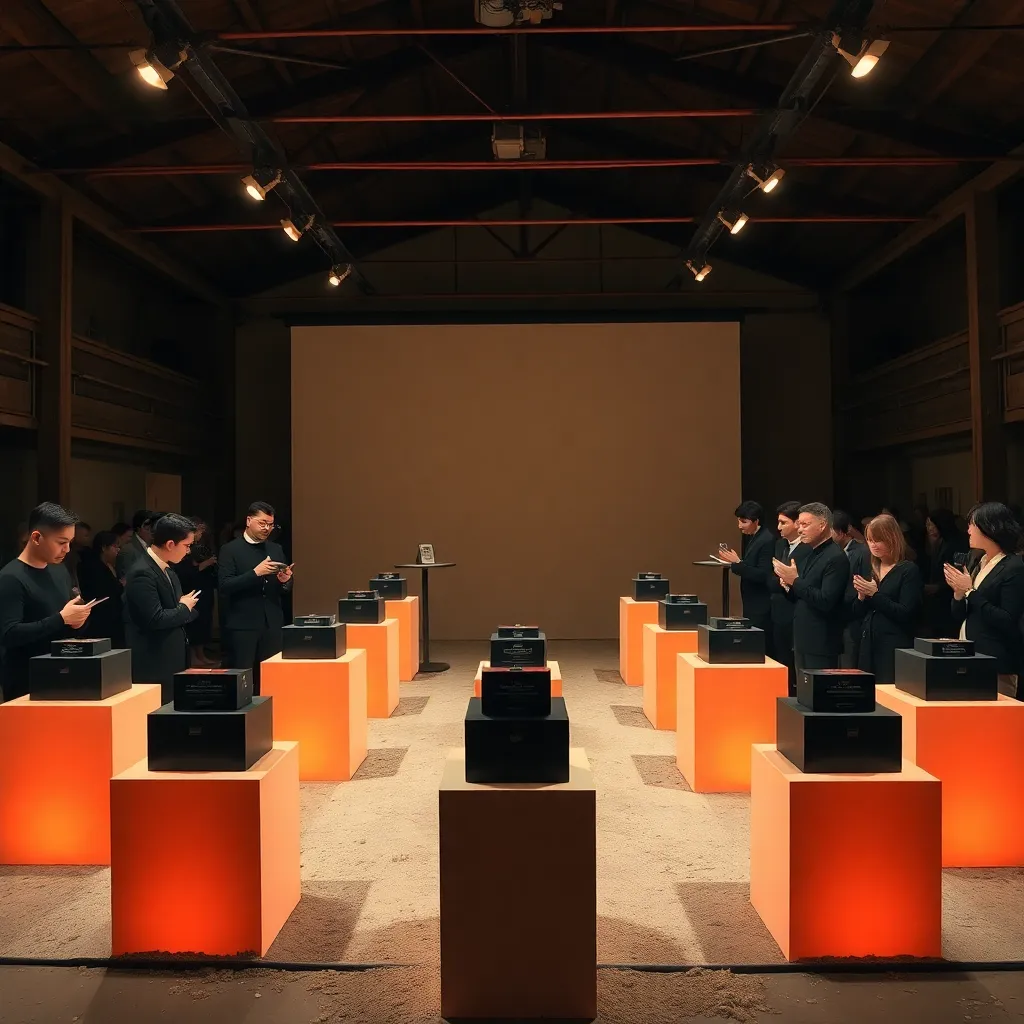
At a launch event held in a converted warehouse lit entirely by amber bulbs and confidence, executives from the newly formed Stool & Co. stood before a minimalist stage and declared the future “earthy, circular, and emotionally textured.” Attendees were handed matte-black pamphlets embossed with the phrase From Waste to Taste. Nobody asked for clarification, perhaps wisely.
“Consumers are no longer interested in mere functionality,” said Chief Visionary Officer Clement Pine, gesturing at a podium made of reclaimed wood and severe opinions. “They want narrative. They want provenance. They want to know not just what sat in the field, but why it believed in itself.”
The rebrand has already triggered turmoil across multiple sectors. Luxury retailers have begun testing boutique lines of “artisanal organic residue,” sold in tiny ceramic jars with names like Tuscan Afternoon, Barn No. 6, and Hints of Regret. One flagship store in London reported a queue around the block after accidentally marketing a garden product as a lifestyle exfoliant.
Analysts say the appeal lies in scarcity, although experts are quick to note there is, in fact, plenty. “That’s the genius,” explained trend forecaster Marnie Jute, adjusting glasses that looked aggressively expensive. “True luxury today is not rare material. It’s common material with a more confident font.”
Restaurants have also moved swiftly. Several high-end establishments now offer tasting menus inspired by the concept, though they stress the experience is “interpretive rather than literal, except on Thursdays.” One chef in Copenhagen has received three stars and one stern letter for serving twelve courses themed around decomposition, including a dessert called The Last Thing a Pear Sees.
Meanwhile, the agricultural community has watched the spectacle with the calm expression of people who have been right all along. Farmers, who have spent centuries applying poo to fields without issuing a manifesto about it, expressed cautious amusement.
“I see they’ve discovered muck,” said one farmer, leaning on a fence with the serenity of a man who has no intention of saying “biocircular substrate” under any circumstances. “Good for them. Next week they’ll reinvent rain.”
Investors, naturally, are ecstatic. Shares in compost-adjacent firms soared after rumors that Heritage Soil may expand into fragrance, wellness retreats, and a subscription box. Early leaked concepts include The Monthly Loam, Founder’s Clod, and a members-only experience in which subscribers receive handwritten notes describing the emotional journey of each batch.

Not everyone is convinced. Consumer advocates have raised concerns that ordinary poo, once available free of branding, may become inaccessible to average households. Activists gathered outside a pop-up showroom carrying signs reading “Soil Is a Human Right” and “Stop Gentrifying the Barn.” One protest briefly descended into confusion after a nearby florist offered everyone prosecco.
Still, brand loyalists insist the transformation is bigger than the product itself. To them, Heritage Soil represents a cultural shift: a willingness to elevate the neglected, monetize the obvious, and package biological certainty in brushed-metal containers.
At the close of the event, a hush fell over the room as a silk curtain dropped to reveal the company’s newest flagship item: a hand-finished oak box containing a single, modest clump beneath museum glass. The audience gasped. One buyer from Milan wiped away a tear. Someone whispered, “It’s so honest.”
The suggested retail price is £480.
Industry watchers say the next logical step is a collaboration with a Scandinavian furniture company, after which civilization will have no remaining corners left to sand down. Until then, markets remain buoyant, noses remain cautious, and the humble substance formerly known as poo has never stood taller, despite every measurable property suggesting otherwise.