Potatoes Crowned “Most Likely to Survive Mars”: The Surprising Ingredient Behind NASA’s New Space Bricks
CAPE CANAVERAL—In a development experts are calling “equal parts ingenious and deeply upsetting to the concept of dinner,” potatoes have been confirmed as the key ingredient in a new generation of “space bricks,” paving the way for off-world housing that is simultaneously sustainable, nutritious, and—if the early taste tests are any indication—regrettably chewy.
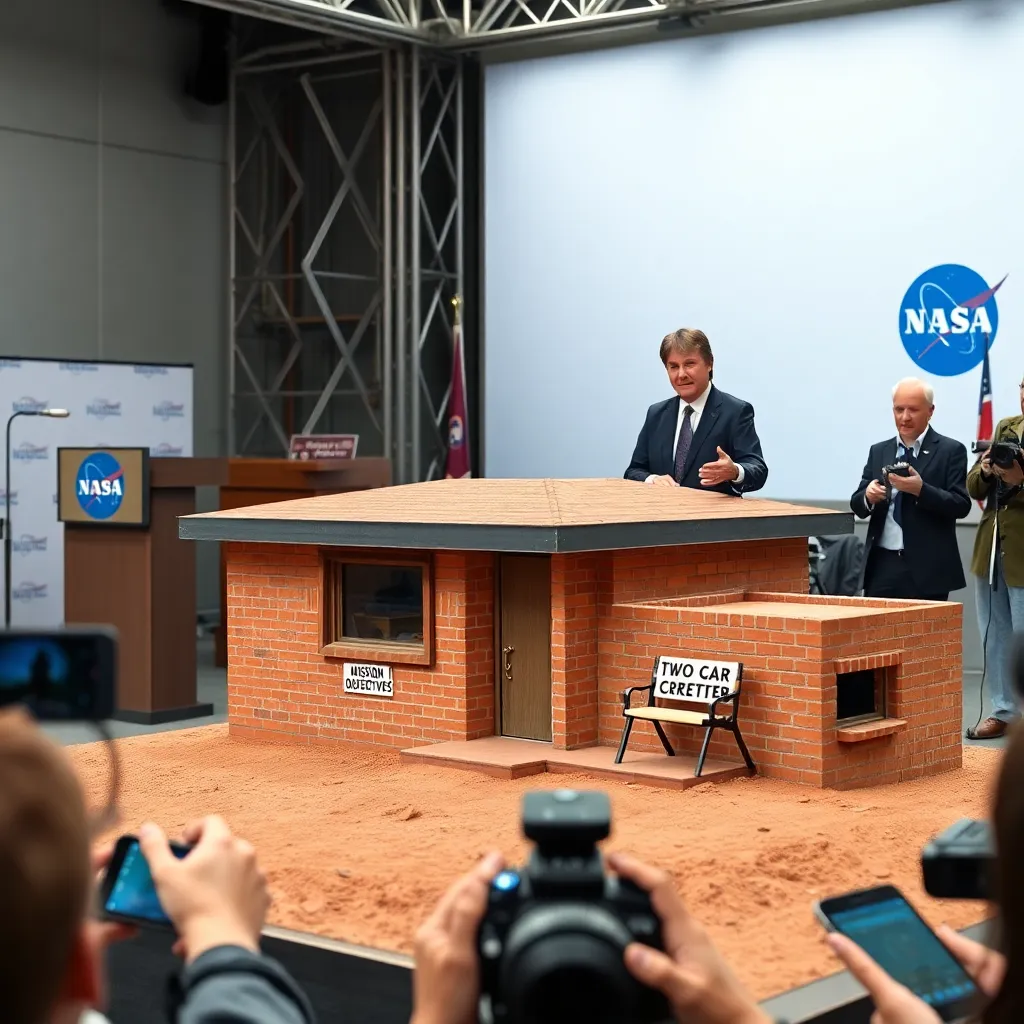
The announcement was made at a press conference held beside a scale model of a modest Martian bungalow, complete with a two-car crater and a tasteful porch swing made from recycled mission objectives.
“We’ve tried regolith-based construction, 3D-printed basalt composites, and even that thing where you just inflate a big bag and call it architecture,” said Dr. Elaine M. Wexler, head of NASA’s Division of Practical Optimism. “But potatoes offer something none of those materials can: structural integrity and emotional comfort. After a 14-hour shift in reduced gravity, sometimes you want to come home to a wall that reminds you of your childhood.”
The Science: From Chips to Bricks
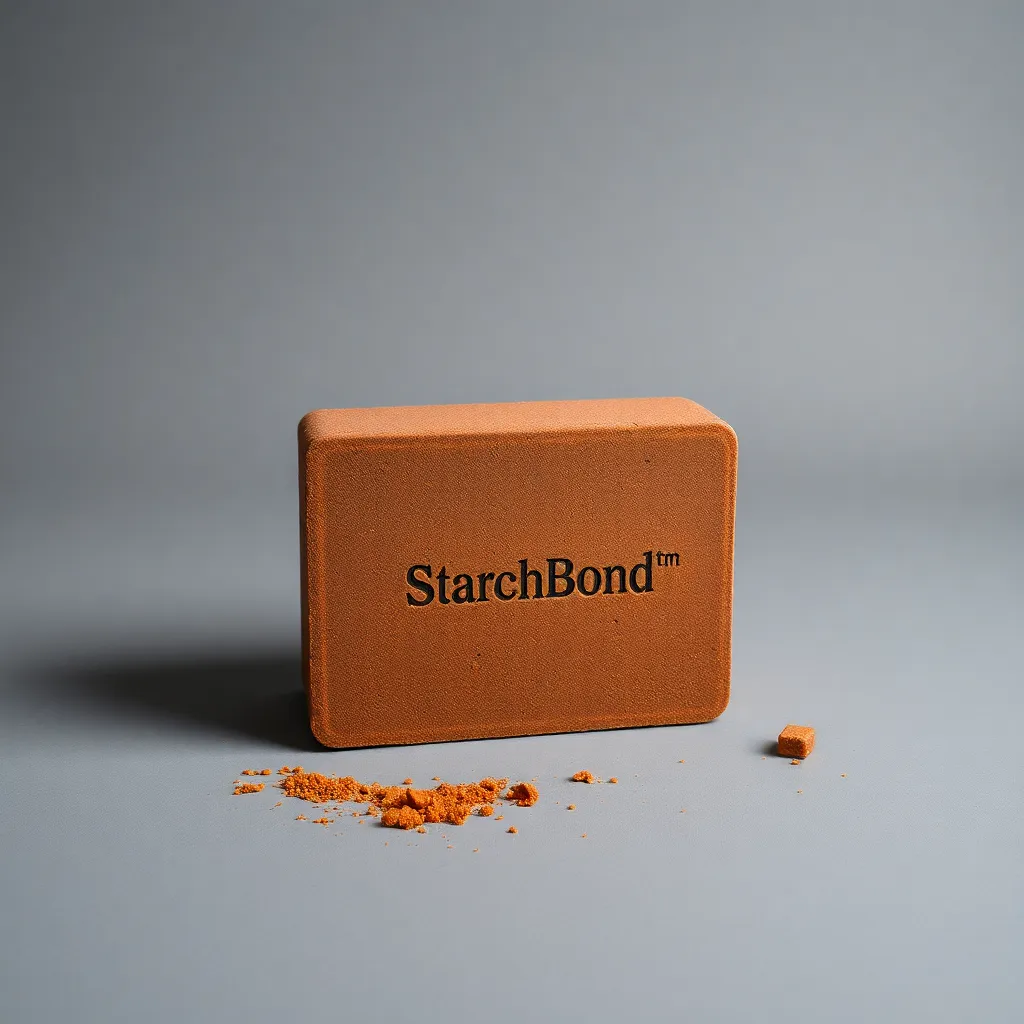
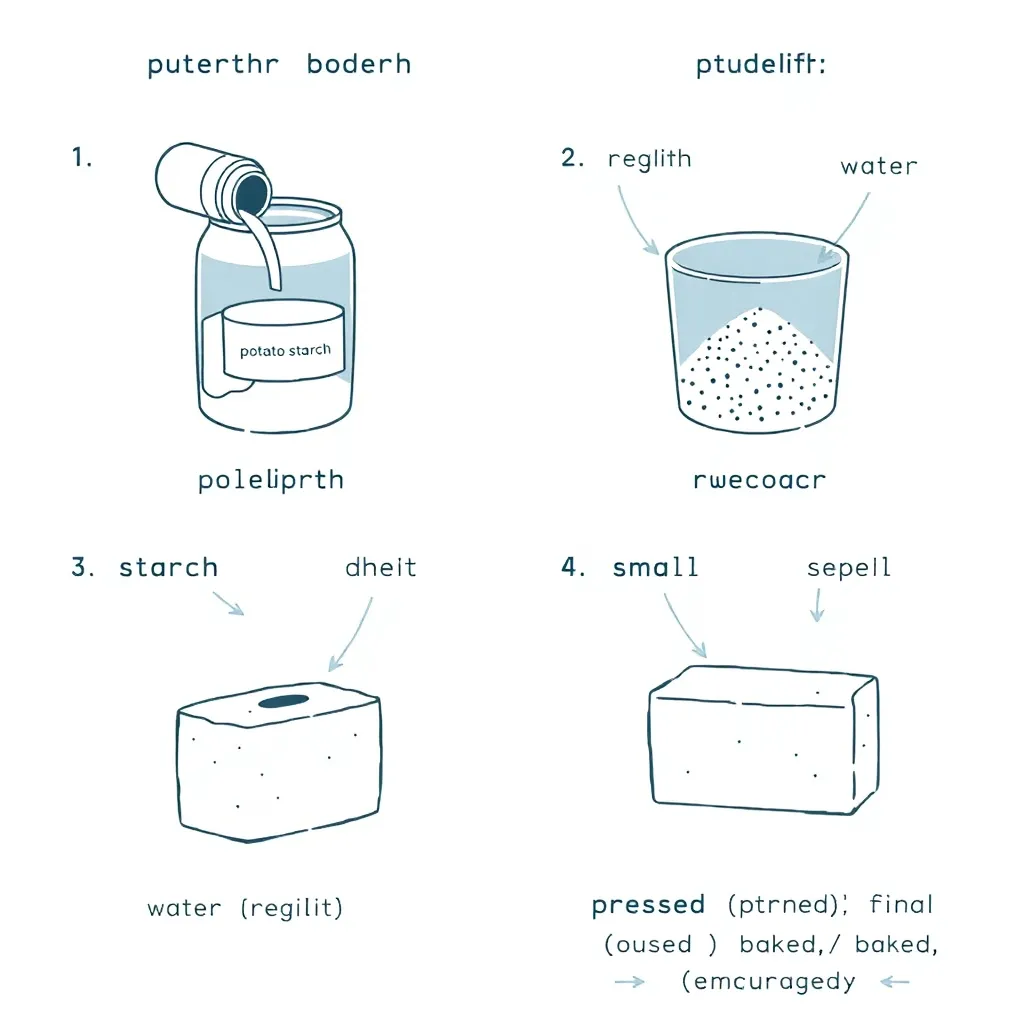
The technology—officially branded as StarchBond™ Structural Units—uses potato starch as a binding agent, mixing it with pulverized Martian soil (regolith), a small amount of water, and the quiet desperation of a crew tasked with making a planet habitable using whatever’s in the pantry.
The mixture is then baked, dried, pressed, or “encouraged sternly,” depending on which internal NASA document you’re reading.
“Potato starch is a natural polymer,” explained a scientist wearing the strained expression of someone who didn’t expect to defend potatoes to Congress. “It’s sticky, it’s resilient, and it’s surprisingly good at holding together a pile of alien dirt. Frankly, potatoes have been carrying humanity for centuries—this is just the first time we’re admitting it.”
According to NASA’s press materials, the resulting bricks are:
Lightweight, because everything in space has to be lightweight, including morale
Durable, because Mars doesn’t care about your building code
Locally manufacturable, because shipping bricks across 140 million miles is “financially unserious”
Potentially edible, though NASA has asked reporters to stop saying that out loud
A Breakthrough for Housing—and Snacking
Despite official claims that the bricks are “not intended for consumption,” the agency’s internal memos reveal a series of increasingly frantic reminders to astronauts, including:
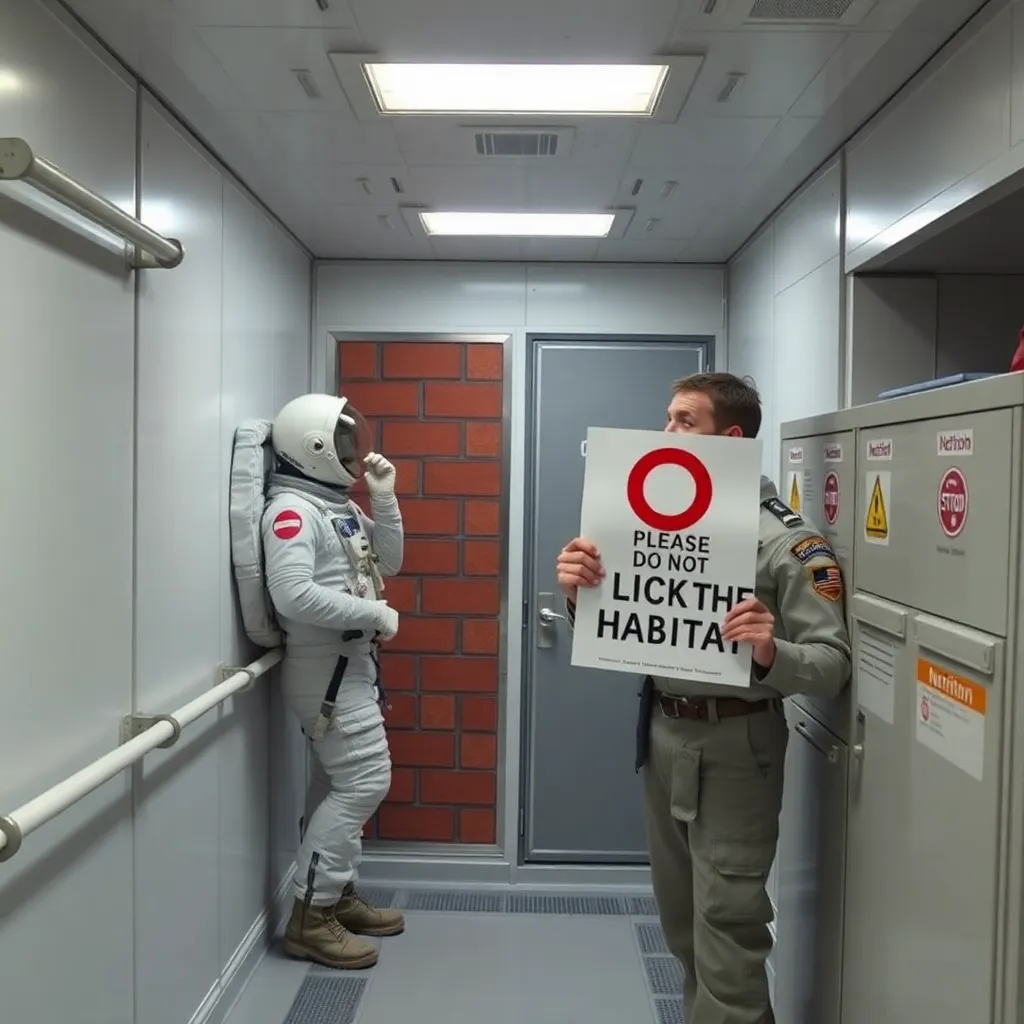
“Please do not lick the habitat.”
“Walls are not emergency rations.”
“Stop asking if the roof is gluten-free.”
One astronaut candidate, speaking anonymously through a mouthful of what sounded like drywall, described the bricks as “like eating a saltless cracker that remembers trauma.”
Still, the dual-purpose potential has caused excitement in the private sector.
“We’ve been looking for a product that can serve as both shelter and a mid-afternoon bite,” said a spokesperson from SpaceNest™, a startup currently valued at $4.2 billion despite having no product and one PowerPoint slide titled ‘Homes, But In Space.’ “Potato bricks are a perfect fit for our brand: minimalist, sustainable, and vaguely depressing.”
The Potato’s Meteoric Rise to Architectural Royalty
The potato, long regarded as the reliable background actor of the vegetable world, has recently enjoyed a renaissance as Earth’s most adaptable tuber. It grows in harsh climates, stores well, and, perhaps most importantly for space exploration, can be relied upon to make humans briefly forget where they are.
“This is about more than infrastructure,” said Dr. Wexler. “A potato-based habitat speaks to our species’ identity. It says: ‘We are small, we are fragile, and we brought snacks.’”
Historians point out that potatoes have played a central role in the survival of countless populations. Now, they may be tasked with supporting humanity’s most ambitious endeavor: turning Mars into a place where you can complain about property taxes.
A Potato Economy on Mars: The First Real Estate Boom You Can Mash
With the first test structures already standing in simulated Martian environments, real estate speculation has begun—because nothing says “human progress” like immediately recreating the worst parts of Earth somewhere new.
Early projections suggest Mars’ first neighborhoods may include:
The Spud District, an artisan colony featuring boutique starch cafés and aggressively minimalist interior design
Yukon Heights, where “open concept” means “the roof is technically optional”
Little Idaho, a planned community of carefully curated irony
A leaked brochure from a private development group offers “starter habitats” at competitive prices, assuming prospective buyers are willing to accept the standard Martian disclosures:
“May experience occasional meteor impacts.”
“No schools within 54 million miles.”
“Some settling expected. Also existential dread.”
Critics Ask the Tough Questions, Like “Won’t This Attract Space Irish?”
Not everyone is impressed. Some engineers argue the potato approach is a step backward compared to more advanced construction materials. Others worry it’s only a matter of time before someone invents a butter-based demolition method.
“If your house can be seasoned, you’ve created vulnerabilities,” warned Professor Neil Harrow of the Institute for Serious Materials. “A single astronaut with a shaker of garlic salt could compromise the entire mission. This is not a hypothetical; it’s in the risk assessment.”
Meanwhile, conspiracy theorists have claimed the potato brick program is a cover for NASA’s “secret plan to open the solar system’s first Irish pub.” NASA refused to comment, though a junior official was spotted hurriedly covering up a blueprint labeled ‘The Red Planet Pub & Grille’.
NASA Reassures the Public: “No, You Can’t Franchise It (Yet)”
The agency emphasized that the project is still in its testing phase, and no decisions have been made about large-scale implementation—nor about the inevitable architectural spin-offs, such as:
Loaded Baked Bunkers
Curly Fry Courtyards
Tater Tot Towers (currently failing stress tests but “extremely popular with investors”)
“Look, we’re not saying future Martian cities will be built out of potatoes,” said Dr. Wexler. “We’re just saying the first ones might. And if that feels strange, remember: people once thought the internet was a fad.”
She paused, then added, “And people still eat instant noodles willingly, so clearly our standards are flexible.”
The Future of Space: Boldly Going Where No One Has Gone Before, With a Side of Starch
As humanity prepares to expand into the solar system, the humble potato has emerged as an unlikely hero—an agricultural miracle turned architectural cornerstone.
It’s a reminder that space exploration isn’t always sleek rockets and triumphant speeches. Sometimes it’s a group of brilliant scientists staring at a pile of dirt and deciding the solution is, essentially, to make the universe’s saddest casserole.
And if history teaches us anything, it’s that wherever humans go, we bring three things: ambition, bureaucracy, and the unshakable belief that we can build a home out of whatever is available—especially if it can also be boiled, mashed, or served with ketchup.
NASA’s final note to reporters was short, stern, and oddly poetic:
“Please stop calling them ‘hash habitats.’”