Reddit Blackout Accidentally Forces Humanity to Invent Again
For the first time in recorded internet history, millions of people confronted a terrifying and previously theoretical condition: having a problem and not being able to find a 9-year-old forum post beginning with “Not sure if this is the right place to ask, but…”
Within hours of the widespread Reddit blackout, garages lit up, notebooks opened, and a suspicious number of adults were seen staring thoughtfully at household appliances as if encountering them for the first time. Economists are calling it “a disruptive event.” Sociologists are calling it “a return to pre-comment-section civilization.” One man in Ohio called it “Tuesday from hell” after being forced to determine, independently, whether his basil plant was dying or “just dramatic.”
The results have been astonishing. In the absence of endless recycled advice threads, humanity began generating fresh solutions at a pace not seen since someone first looked at wheat and said, “What if bread, but flatter?”
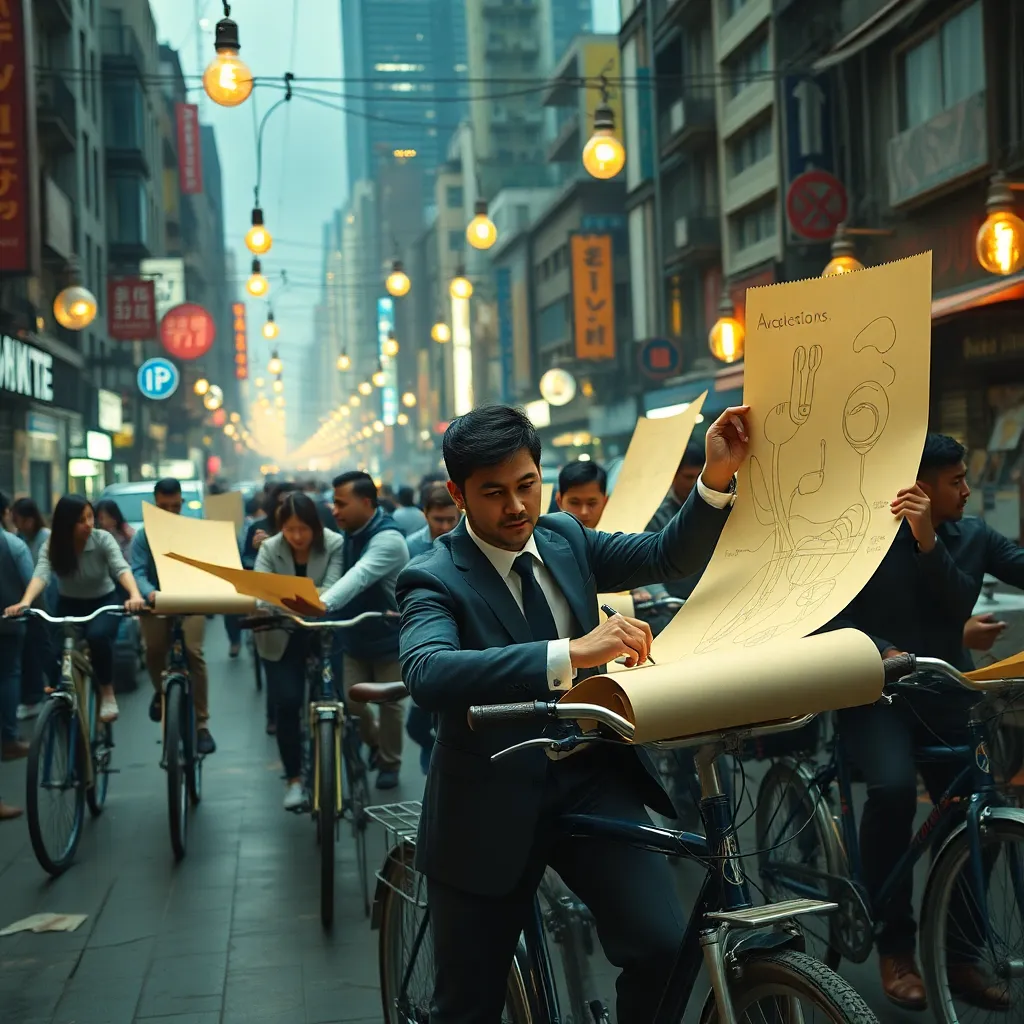
Patent offices across the globe report being “completely overwhelmed” by submissions filed in the first 48 hours. Among the more notable breakthroughs: a toaster that apologizes before burning anything, shoelaces that tie themselves out of embarrassment, and a fridge magnet capable of identifying leftovers by smell and passive aggression.
In Berlin, a team of software engineers who could no longer search “best lightweight framework 2021 reddit” built an entirely new operating system called Please Just Work. It boots in four seconds, never asks to update during presentations, and includes a large red button marked “I’m Feeling Fragile” that closes every open tab except the one you actually need.
Meanwhile, in Seoul, three teenagers developed a battery that charges itself whenever somebody nearby says “that’s probably impossible.” Early tests suggest it could power a tram for six hours or one gaming PC for thirteen deeply emotional minutes.
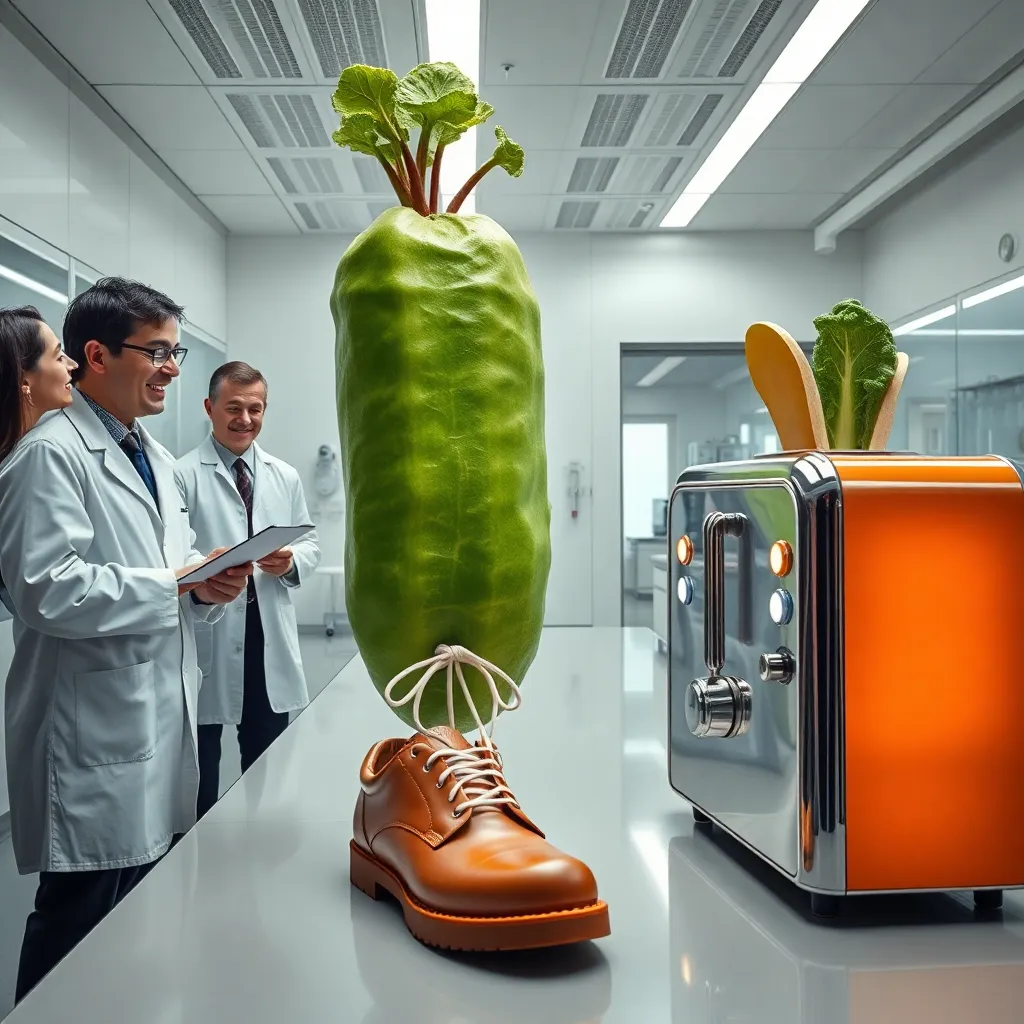
The agricultural sector has also surged ahead. Deprived of gardening subforums full of conflicting instructions from usernames like DirtWizard77 and TomatoPriest, growers began experimenting directly. The result: a tomato the size of a carry-on suitcase, basil that grows in tidy legal paragraphs, and a cucumber variety described by regulators as “too self-assured.”
Not every innovation has been equally useful, but all of it has been undeniably energetic. In Melbourne, an accountant unveiled a “smart kettle” that senses office tension and begins boiling preemptively. In Toronto, a dentist invented floss with tiny motivational slogans printed on it, including “You know what happened yesterday” and “Don’t let plaque write your story.”
Universities, caught off guard by the sudden reappearance of initiative, have scrambled to respond. Several major institutions announced emergency programs in “Applied Guessing,” “Hands-On Problem Solving,” and “Looking At The Manual Before Panicking.” A prestigious engineering school in Switzerland has introduced a new interdisciplinary center devoted entirely to figuring things out from first principles, a concept many students initially mistook for a podcast.
Markets reacted with unusual optimism. Shares in stationery companies soared as consumers rediscovered pens. Hardware stores reported stampedes of polite confusion as customers wandered the aisles saying things like, “I think I need a washer? Or perhaps a bolt with ambition?” One chain ran out of measuring tapes after people realized “eyeballing it” is not, in fact, an internationally recognized unit.
Even family life appears to have changed. Parents, no longer able to settle arguments by quoting strangers online, began issuing rulings from personal judgment. Children were stunned. “My father just said, ‘In this house, we fold towels this way because it makes sense to me,’” reported a 14-year-old, still visibly shaken. “There was no link. No screenshot. It was just… authority.”
Corporate leaders have tried to capitalize on the moment. A startup in San Francisco raised $80 million for an app that simulates the experience of receiving dubious but confidence-filled advice from anonymous users at 2:13 a.m. Investors describe it as “nostalgic, scalable, and profoundly misleading.” The app’s premium tier adds someone correcting you aggressively while being only 60% right.
Governments, sensing an opportunity, have quietly encouraged the trend. Several ministries have launched public campaigns urging citizens to “attempt a solution before asking 40,000 strangers whether this noise is normal.” In the UK, a civil service pilot program reduced complaint response times by replacing a 17-page guidance document with a single laminated card reading: “Have you tried looking directly at it?”
There have, of course, been setbacks. Emergency rooms report a mild uptick in injuries related to “inventor enthusiasm,” including glue incidents, spring miscalculations, and one man who attempted to build a dishwasher from a leaf blower and personal conviction. Yet public morale remains high. “I haven’t felt this alive since 2006,” said a woman in Madrid while testing a curtain rod that doubles as a weather station and occasional flute.
Historians are already debating whether the blackout marks a turning point in human development. Some compare it to the printing press. Others to the moon landing. A minority insist it most closely resembles that weekend when everyone learned to bake bread and briefly became tyrants about hydration levels.
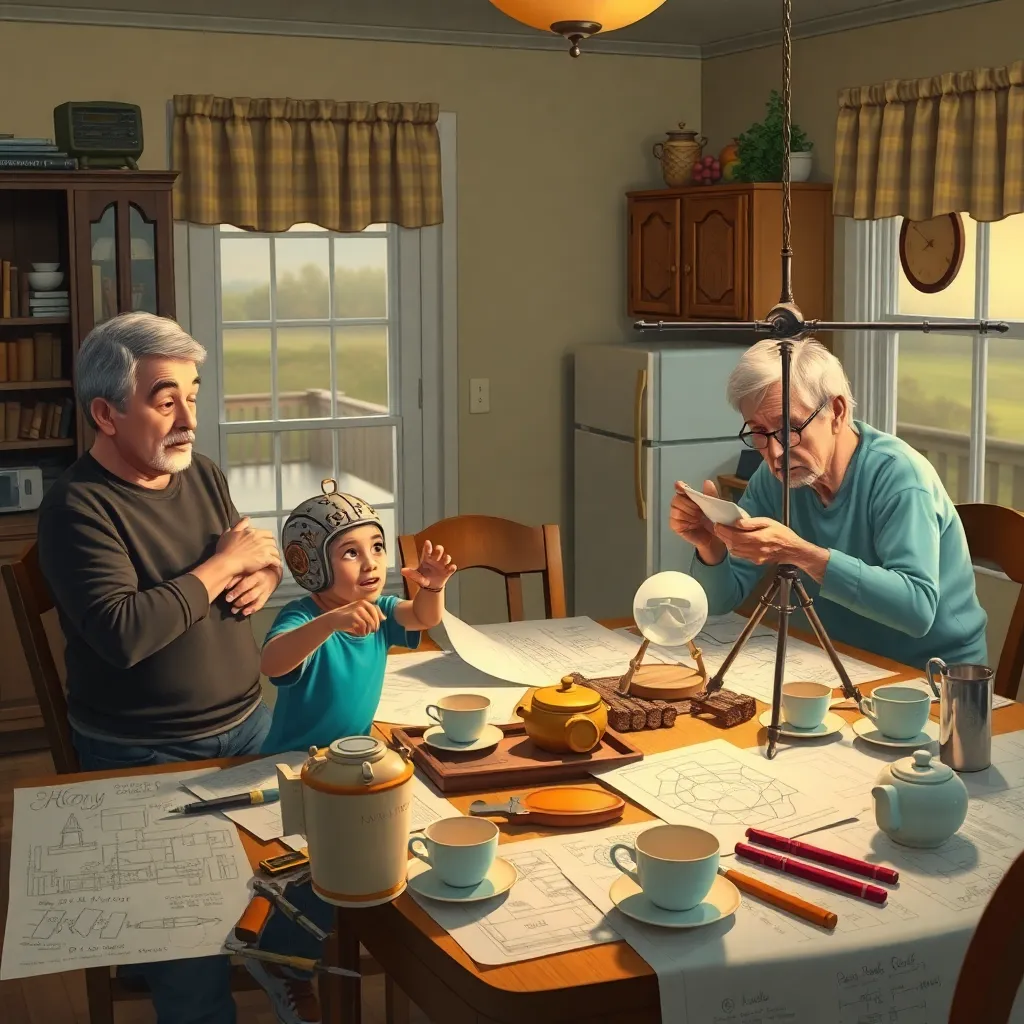
Still, the evidence is difficult to ignore. In just days, society has moved from repeatedly searching “best way to remove sticker residue reddit” to casually producing anti-adhesive nanomist in community sheds. Entire neighborhoods now hold invention nights in converted basements, where citizens unveil prototypes to applause, concern, and occasionally a fire extinguisher.
As services slowly begin to return, experts warn the innovation surge may fade once people regain access to 600-comment threads arguing over the correct way to store onions. But for now, humanity appears to be enjoying a dangerous, heady rediscovery of its own brain.
At press time, a coalition of newly emboldened tinkerers announced they had solved urban traffic, invented a sock that cannot disappear in the wash, and were “about 20 minutes away” from understanding sourdough without having to read a single post by a man named Crumbfather.