SCP Foundation Officially Recognized as World’s Most Secure Prison After Inspectors Fail to Escape, Understand, or Remain Identical
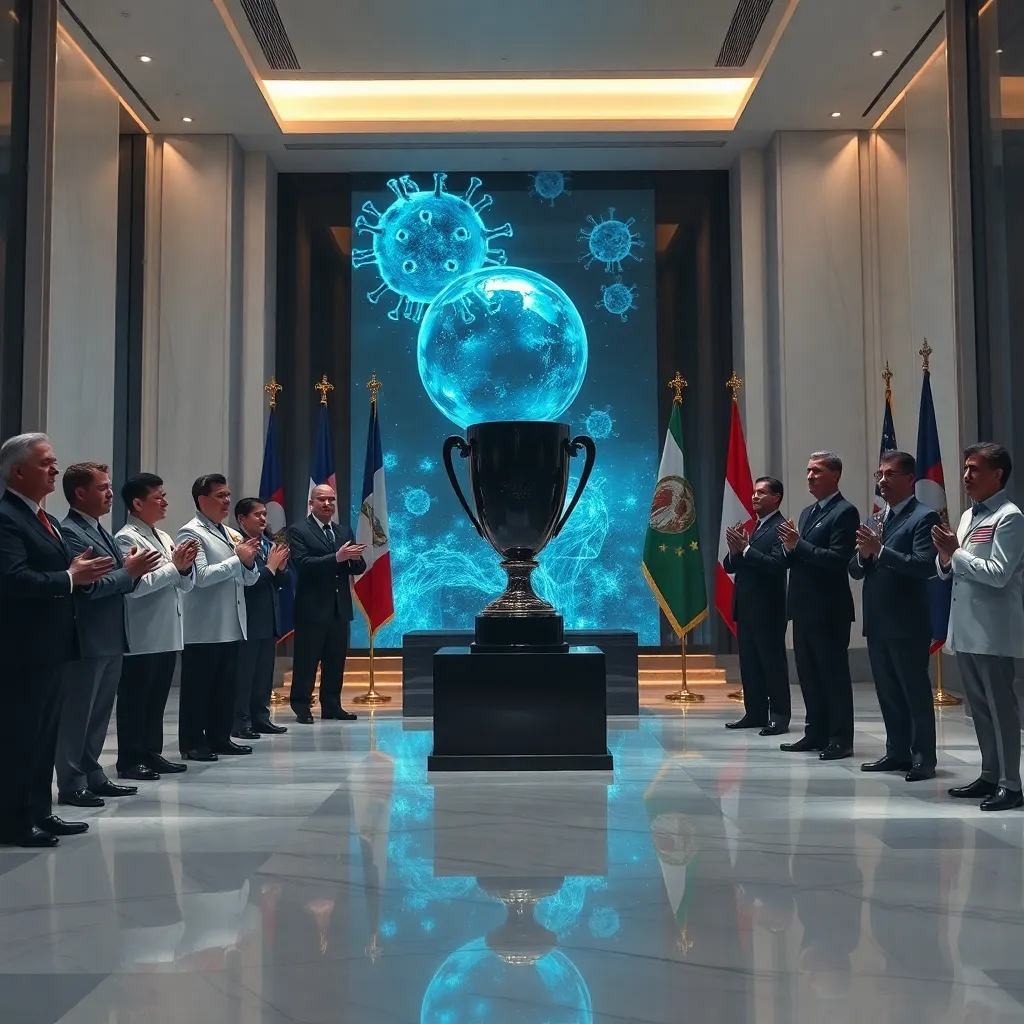
In a ceremony held simultaneously in Geneva, a bunker no one could later agree on, and a corridor that reportedly looped behind the canapés for seven hours, the SCP Foundation has been officially recognized as the world’s most secure prison. The award was presented by an international panel of correctional experts, risk analysts, and one exhausted locksmith who spent three days trying to open a door labeled DO NOT PERSONALLY PERCEIVE.
The decision followed a year-long review process in which inspectors attempted to evaluate containment standards, inmate management, and overall institutional security. By the end of the first site visit, half the panel had become deeply committed to never discussing what they saw, two members had been politely escorted away from a staircase that was “not accepting visitors today,” and one veteran prison consultant emerged from a debrief room pale and whispering, “It’s not a prison, it’s a filing cabinet for consequences.”
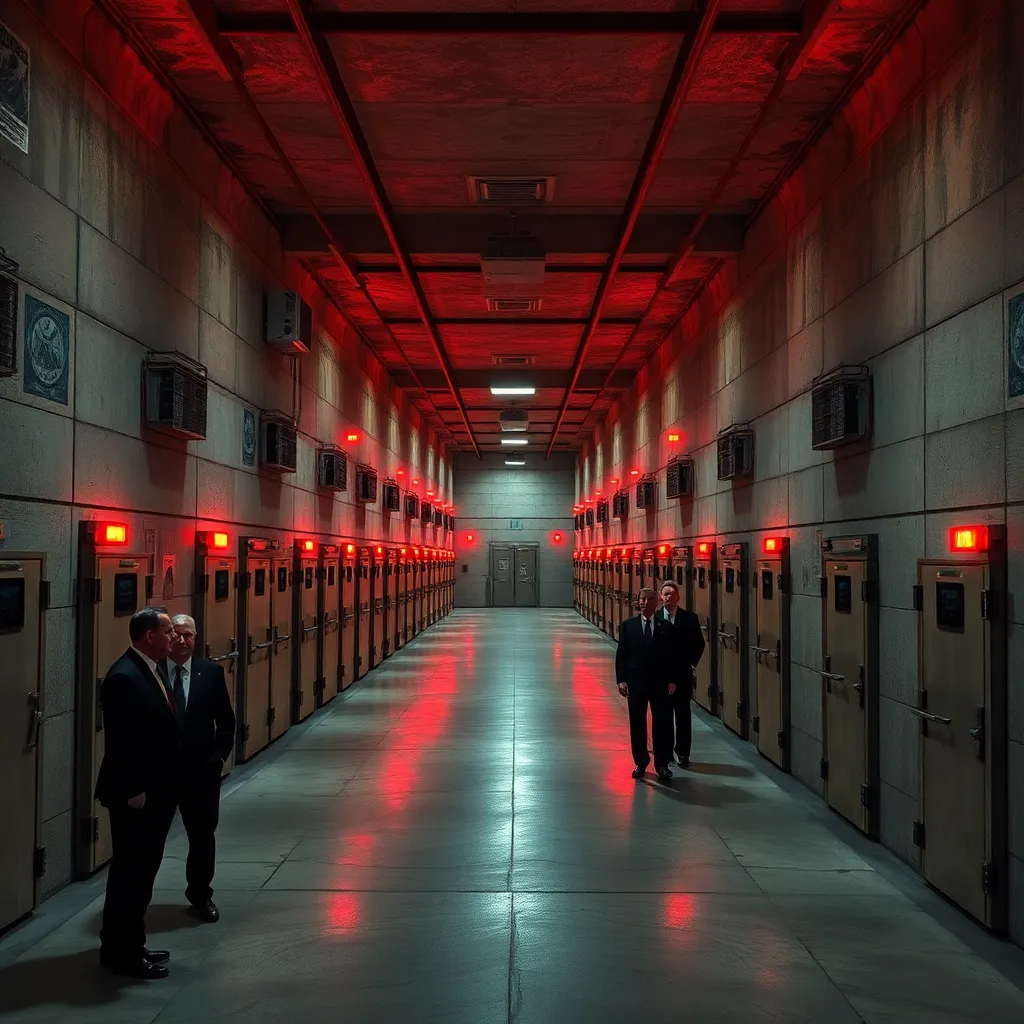
Officials praised the Foundation for its extraordinary escape-prevention record, noting that while conventional prisons struggle with tunnels, bribery, and the occasional bedsheet rope, the Foundation has successfully contained tenants whose hobbies include dissolving steel, replacing memories, phasing through walls, becoming walls, and persuading geometry to resign. “We looked at conventional metrics first,” said one awards committee representative, reading from notes that had been heavily crossed out and then stapled shut. “Perimeter integrity, incident response, inmate isolation, lunch procedures. Very quickly we had to add several new categories, including resistance to omnidirectional emergence, staff survival during weather with opinions, and ability to incarcerate concepts without allowing them to unionize.”
The Foundation reportedly achieved top marks in all categories except visitor parking, which independent auditors described as “technically available, spiritually cursed, and impossible to validate after dusk.”
Current and former prison wardens around the world have reacted with a mixture of admiration, jealousy, and concern generally reserved for discovering a neighbor has built a better shed than yours and the shed contains a captive anti-theology storm. “Our maximum-security unit can handle gang leaders, cartel accountants, and a man who once smuggled a ferret in a knee brace,” said one European corrections director. “But if your intake process includes reality-bending statue requiring uninterrupted line of sight and aggressive staircase pretending not to be there, then yes, I’m prepared to concede the trophy.”
The Foundation, for its part, accepted the honor in a brief prepared statement released through six legal departments and a steel drawer. “We are pleased to receive this recognition,” the statement read. “Secure containment remains our core mission, alongside public safety, information control, and preventing the moon from becoming overconfident again.” No questions were taken, largely because every journalist in attendance was handed a press packet whose contents varied dramatically depending on personal courage.
Experts say the recognition stems not merely from thick walls and armed guards, but from the Foundation’s innovative approach to incarceration itself. Traditional prisons separate dangerous individuals from society. The Foundation, according to the panel’s report, separates dangerous individuals, objects, locations, atmospheres, songs, gestures, family recipes, and in at least one case “the idea that there might be another staircase there if you’re cheeky about it.” This broader definition of custody has been hailed as revolutionary in the correctional world, especially among administrators who have long suspected they were underperforming by only imprisoning people.
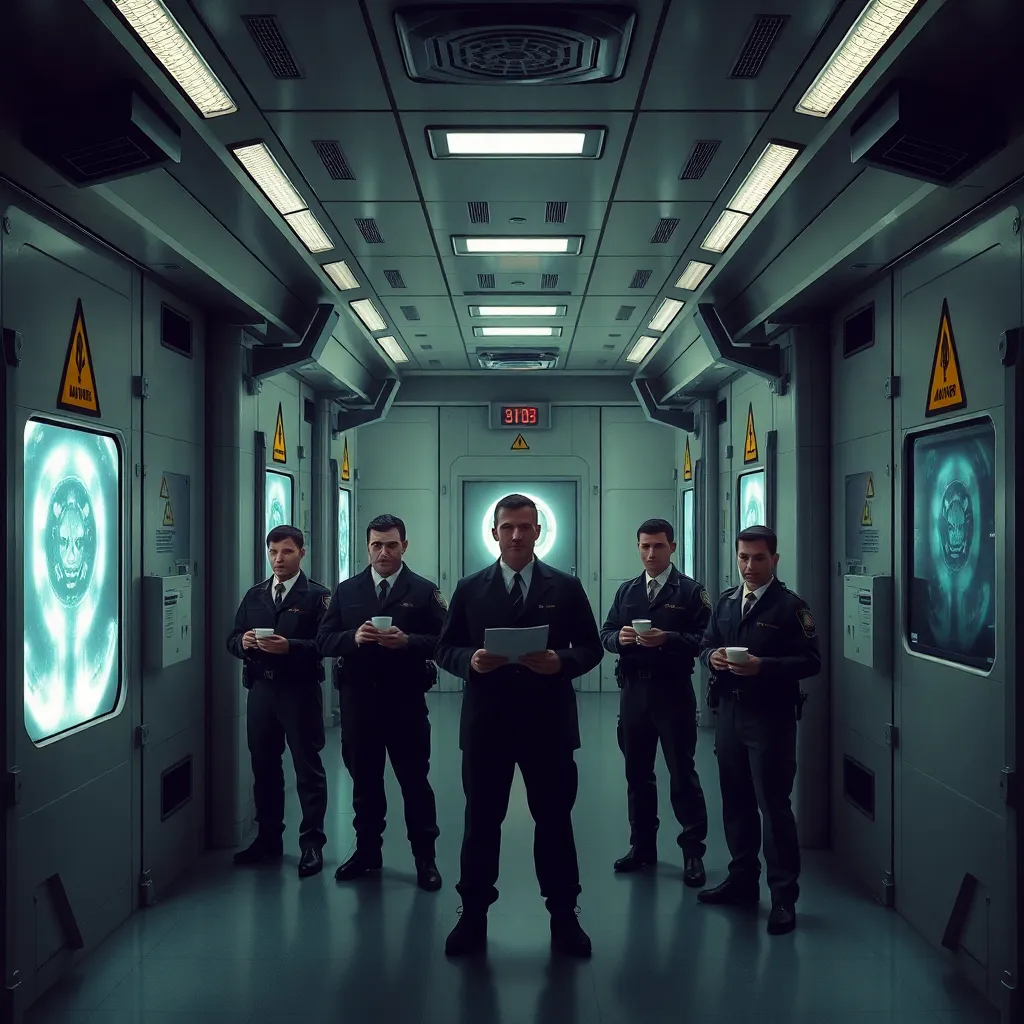
Several hallmark containment methods drew particular praise. Multi-layered cells reinforced with exotic alloys were described as “excellent,” while memetic isolation chambers earned the much-coveted designation of “unpleasant in all the right ways.” One site’s emergency lockdown system received a standing ovation after demonstrating its ability to seal 400 blast doors in under nine seconds, reroute power, flood corridors with suppressant foam, and issue a calm recorded announcement reminding staff not to make eye contact with anything applauding back.
The report also celebrated the Foundation’s staff training, calling it “a gold standard in composure under administrative catastrophe.” Recruits are reportedly drilled in procedures for handling everything from incorporeal breakouts to aggressive paperwork. “A normal prison guard might need to know de-escalation tactics,” said an insider familiar with the organization’s methods. “A Foundation guard needs to know de-escalation tactics, anti-cognitohazard breathing discipline, emergency amnestic deployment, and how to continue eating soup while an extradimensional breach alarm insists this is somehow their fault.”
Not every aspect of the review was straightforward. During one inspection, the panel asked to see the facility’s oldest inmate. They were shown a sealed vault, a velvet rope, and a wall plaque that simply read, “No.” On another occasion, auditors requested confirmation that all prisoners were accounted for and were instead handed a document stating that all prisoners were either accounted for, accounting for themselves, or temporarily reclassified as environmental conditions. The panel accepted this after consulting an attorney who immediately retired.
Public response has been mixed, largely because public response to the Foundation tends to arrive scrubbed, redacted, or with a strangely soothing gap in the middle. Still, online discussion surged briefly after the award announcement, with many ordinary citizens expressing relief that someone, somewhere, appears to be locking up the sort of thing usually discovered by lonely hikers, underfunded archaeologists, or men who say “funny story” before destroying a county.
Others questioned whether it was fair to compare the Foundation to conventional prisons at all. Civil libertarians, correctional scholars, and one man in a pub who claimed to have been “briefly detained by a mirror” argued that the institution operates in a category of its own. “Calling it the world’s most secure prison is technically true,” said a professor of criminal justice. “But it also feels inadequate. If a regular prison is a padlock, the Foundation is more like an apologetic treaty between civilization and everything else.”
Despite the accolades, sources indicate the Foundation remains focused on future improvements. Planned upgrades include expanded anti-teleportation arrays, better morale support for overnight staff assigned to wings where causality is negotiable, and a new visitor orientation brochure designed to reduce confusion, panic, and the number of guests accidentally pledging themselves to sealed archives. Procurement teams are also said to be exploring next-generation surveillance systems capable of monitoring entities that cannot be looked at directly, measured reliably, or agreed upon in meetings.
Industry analysts now expect other prison systems to imitate the Foundation wherever possible, though early attempts have struggled. A prototype “anomaly wing” in one unnamed country was shut down after administrators discovered they had simply repainted solitary confinement beige and added more warning triangles. Another facility’s attempt to implement “reality anchors” turned out to involve six microwaves, a church bell, and a deputy warden who had misunderstood an email.
For now, the trophy will remain in a secure display case at an undisclosed site, guarded by armed personnel, retinal scanners, redundant kill-switches, and what one source described only as “the humming, which has proven very loyal.” Visitors are not permitted to touch the award, photograph the award, discuss the award in the imperative mood, or ask whether the engraving appears to blink.
As the international corrections community digests the news, one conclusion seems inescapable: in a world where some inmates can chew through dimensions, impersonate furniture, or weaponize nursery rhymes, the old standards of prison security no longer apply. The Foundation has not merely raised the bar. It has contained the bar, classified it, assigned three rotating guard teams, and forbidden anyone from learning why it occasionally laughs at night.