Sergeant Schultz Takes Helm at SEC Insider Trading Unit, Vows to See Absolutely None of It
WASHINGTON—In a move described by ethics experts as "bold, theatrical, and somehow very on-brand," federal regulators have appointed Sergeant Schultz to oversee the Securities and Exchange Commission division responsible for investigating insider trading, congressional stock maneuvers, and the mysterious ability of certain lawmakers to sell airline shares precisely 11 minutes before global panic.
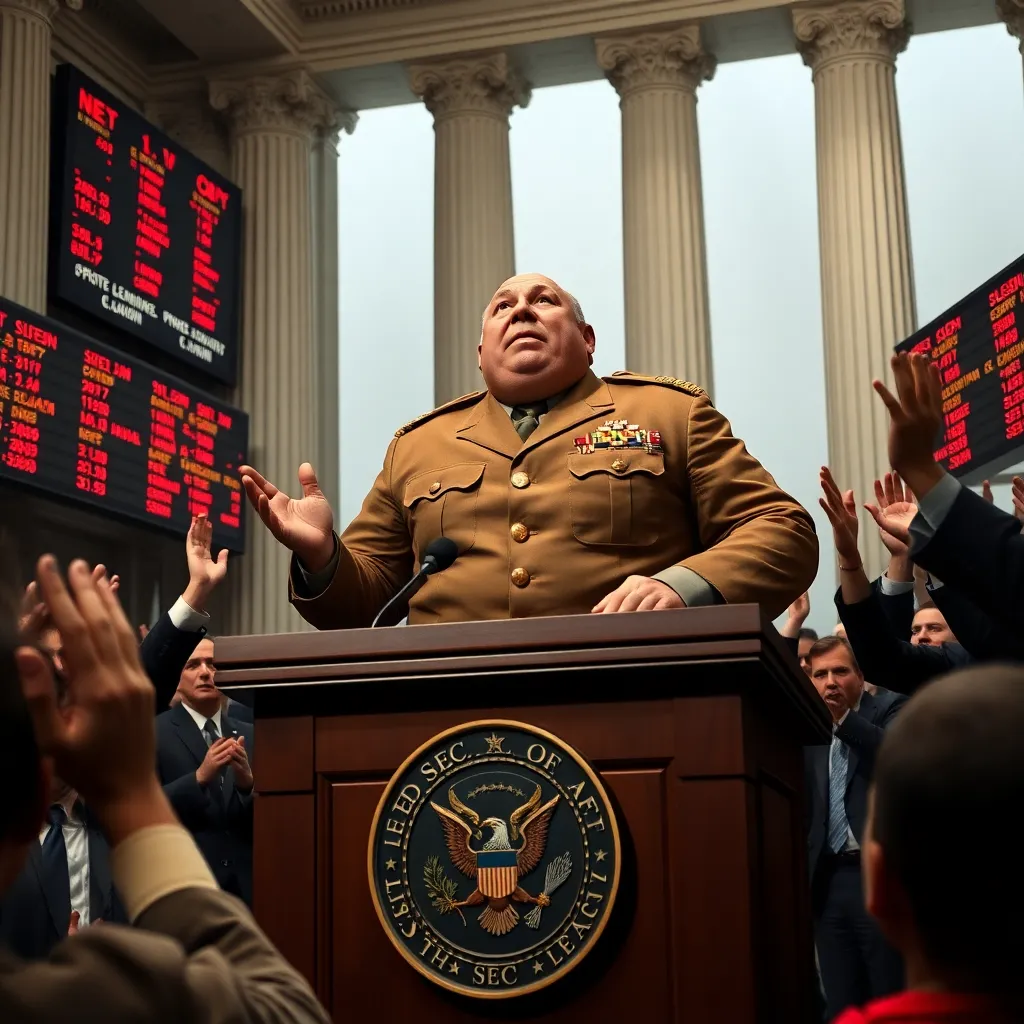
At a packed press conference, Schultz adjusted his cap, widened his eyes to a level not previously thought anatomically sustainable, and delivered what analysts are already calling the shortest regulatory doctrine in modern history: "I know nothing."
Markets reacted immediately. Defense stocks rose, common sense fell, and several congressional portfolios reportedly sprinted into offshore shell companies under the cover of procedural ambiguity.
Officials praised Schultz’s unique qualifications for the role, citing his decades-long experience standing near suspicious activity while developing an advanced spiritual commitment to not processing it. "We needed someone with deep institutional discipline," said one administration source. "Someone who could stare directly at a duffel bag labeled Definitely Not Illegal Tips and conclude it was probably sandwiches."
According to internal SEC documents leaked from a folder marked NO PEEKING, Schultz’s new office will include a soundproof meditation chamber, three industrial-strength blindfolds, and a ceremonial shredder known internally as "The Accountability Goblin." He will also be granted access to Congress’s transactional disclosure database, though aides confirmed the interface has been simplified to include only two buttons: IGNORE and ASK NO FURTHER QUESTIONS.
The appointment comes amid longstanding public curiosity over how members of Congress, burdened with the crushing responsibility of shaping public policy, repeatedly find time to execute stock trades with the precision of falcons wearing Bloomberg terminals. While ordinary Americans consult retirement calculators and quietly sob into mutual funds, some elected officials have demonstrated a breathtaking ability to buy semiconductor shares on Monday, attend a classified briefing on Tuesday, and emerge on Wednesday with the relaxed confidence of people who have accidentally seen the exam answer key tattooed on the moon.
When a reporter asked Schultz whether he intended to investigate allegations involving lawmakers making improbably timely trades, he leaned into the microphone and repeated, with the serene gravity of a monk explaining weather, "I know nothing."
The phrase has since been adopted as an unofficial Wall Street slogan, replacing "Past performance is not indicative of future results" with something experts say is "far more efficient and emotionally honest."
Observers say Schultz’s management style could revolutionize enforcement. Rather than conducting raids, issuing subpoenas, or connecting obvious dots, he is expected to deploy a pioneering regulatory technique called strategic bafflement. In practice, this means entering a room, noticing charts, burner phones, coded messages, and a senator emerging from a vault with a sack marked Totally Coincidental Profits, then sighing heavily and asking whether anyone has seen his lunch.
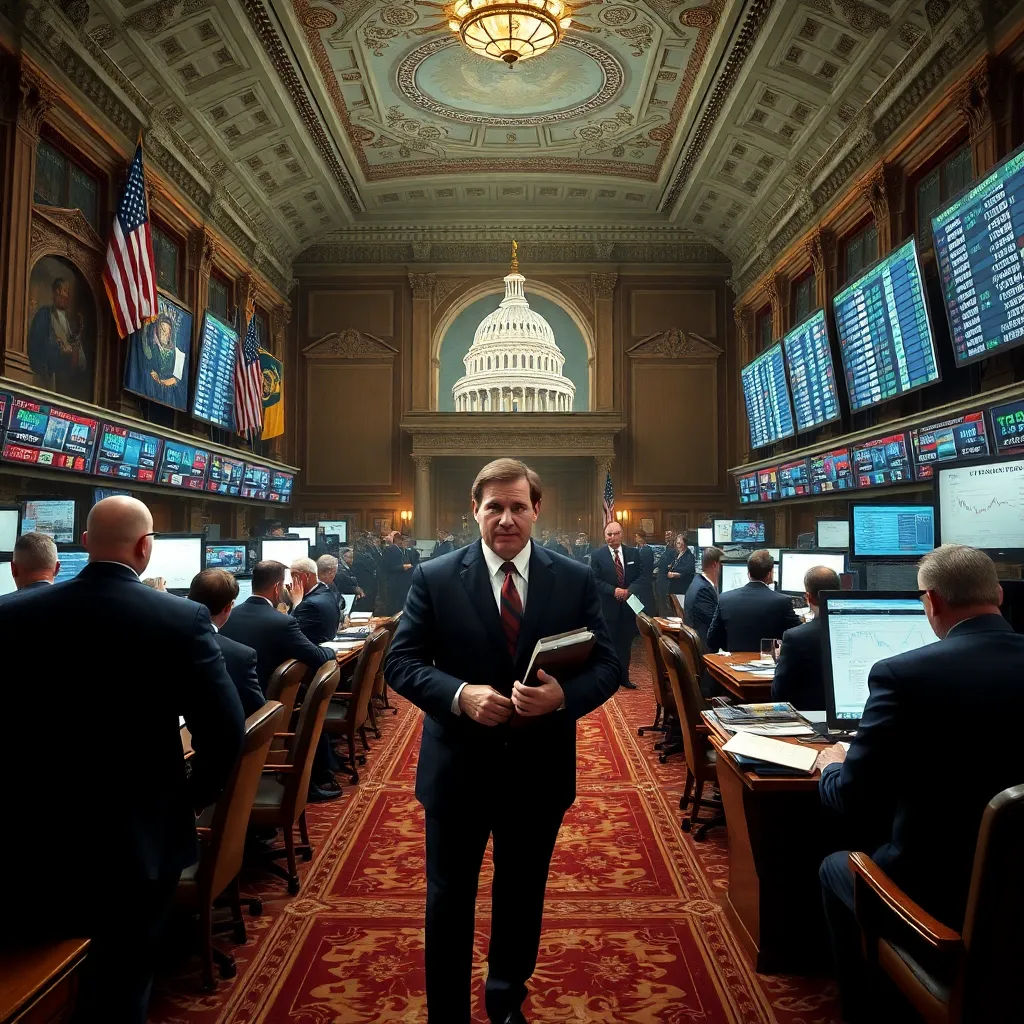
Wall Street veterans have welcomed the decision. "Finally, a regulator who understands the delicate ecosystem of selective blindness," said one hedge fund manager, speaking from inside a mahogany panic room lined with antique calculators and unreturned phone calls. "For years we've lived under the oppressive fear that someone might notice a pattern. Schultz brings a refreshing commitment to the ancient principle that if you don’t write anything down, and the person in charge doesn’t know where his glasses are, freedom flourishes."
Capitol Hill responded with visible relief. Several lawmakers were seen emerging from committee meetings carrying family-sized picnic baskets, each allegedly filled with innocent paperwork and, coincidentally, buy orders for defense contractors, pharmaceutical giants, and whatever company manufactures emergency confidence. One senior member of Congress praised Schultz as "a patriot," adding that in these divided times, America needs public servants who can unite people across party lines in the shared belief that timing is just luck with better tailoring.
Public watchdog groups were less enthusiastic. "This is like hiring a golden retriever to audit a butcher shop," said one reform advocate. "A lovable golden retriever, yes, but still one who would see a suspicious package and assume it contained friendship."
The SEC, for its part, insists the selection process was rigorous. Candidates reportedly underwent multiple rounds of interviews, scenario testing, and prolonged exposure to obviously incriminating facts. Schultz distinguished himself by failing every temptation to inquire further. In one exercise, a mock congressman was handed a classified folder, immediately bought stock in a company mentioned on page three, then winked while whispering, "You didn’t hear this from me." Schultz reportedly earned top marks by gazing into the middle distance and asking if anyone else smelled strudel.

Financial educators are already revising textbooks to reflect the new era. Introductory chapters on market integrity will now include a section titled Visibility: Overrated, while compliance seminars are expected to focus on breathing techniques, neck-rotation avoidance, and the legal significance of shrugging with conviction. A draft memo also suggests replacing the term "red flag" with "decorative market bunting."
Asked how he plans to handle the flood of future allegations, Schultz outlined a robust three-step strategy:
Hear nothing.
See nothing.
If necessary, misplace the form.
Investors across the country remain uncertain what this means for confidence in the markets, although confidence itself was last seen boarding a train to Switzerland under an assumed name.
At the close of the press conference, Schultz offered a final assurance to Americans worried that powerful officials might exploit privileged information while regulators politely examine the wallpaper.
"I know nothing," he said.
Then, in what traders are calling the clearest signal of the quarter, a dozen members of Congress simultaneously checked their phones, smiled faintly, and placed very calm-looking orders.