Parliament of Mirrors: Operatives With Iridescent Eyes Survive the Great Flesh Decoupling Through a Series of Inconvenient Heroisms
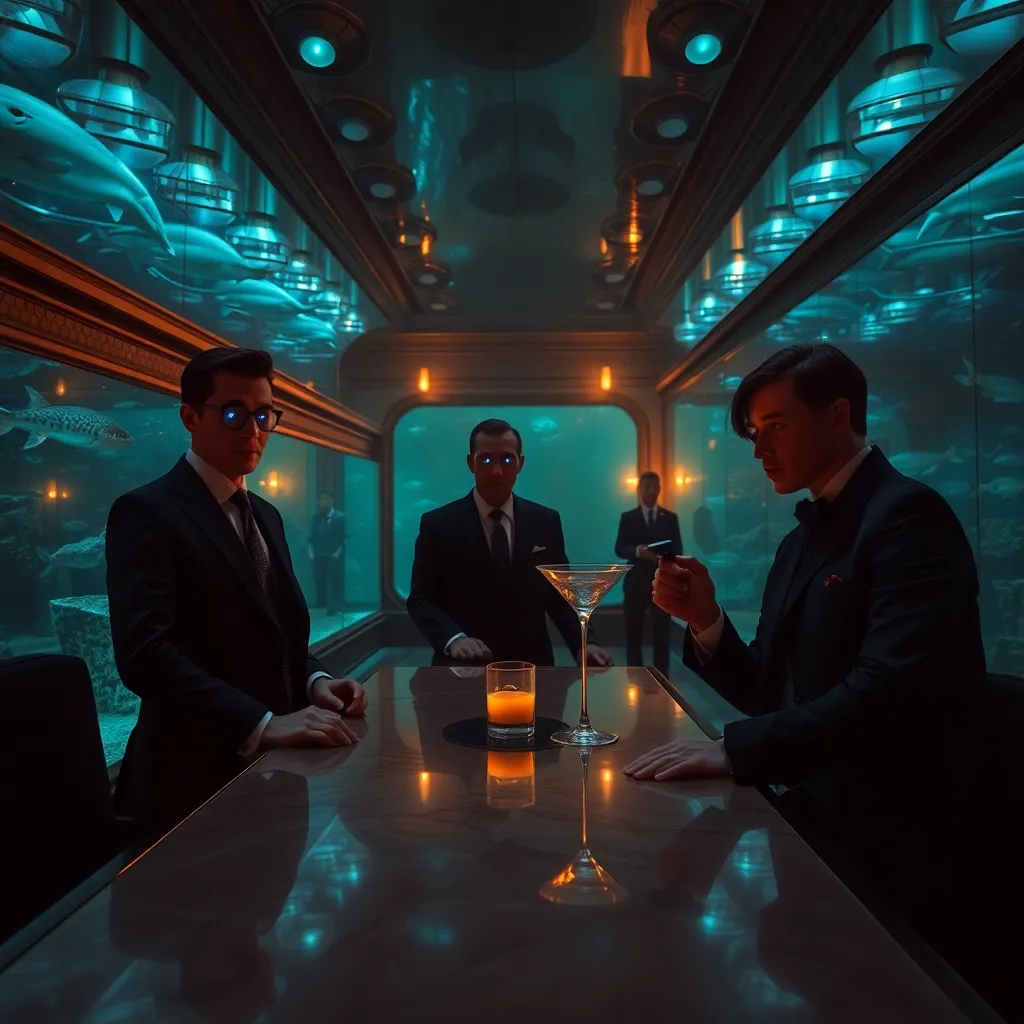
At 04:12 yesterday morning, in a building officially listed on municipal records as a heritage aquarium and unofficially known to everyone in the intelligence community as “the place with the suspiciously confident ferns,” rival espionage agencies convened for what sources described as a routine exchange of encrypted pleasantries, poisoned olives, and aggressively neutral handshakes. By 04:19, however, the summit had been interrupted by a development no briefing folder had dared predict: a roomful of elite spies began noticing their eyes had turned iridescent, while several attendees reported the unnerving sensation that their flesh was “politely considering other career opportunities.”
Witnesses say the first sign of trouble came when Agent Mirelle Voss, who has survived six betrayals, two submarine weddings, and one regrettable podcast appearance, glanced into a silver serving dome and found her pupils shimmering like weaponized soap bubbles. Moments later, the room erupted into the rustling panic unique to highly trained professionals attempting to remain inscrutable while their skin temporarily loosened its commitment to continuity. One diplomat was seen calmly asking for a napkin as his left forearm drifted half an inch to the right “for tactical reasons.”
The event is now being referred to in classified circles as the Great Flesh Decoupling, though medical staff briefly attempted the gentler label “acute structural freelancing.” Experts remain divided on the cause. Some blame an experimental interrogation perfume released through the ventilation system. Others point to a cipher hidden in the evening’s string quartet performance, believed to have activated dormant genes associated with glamour, mistrust, and temporary anatomical independence. A third camp, composed largely of retired field agents and one furious tailor, insists the entire incident began when someone opened a cursed attaché case near the dessert trolley.
The iridescent eyes, meanwhile, appear to have offered no immediate tactical benefit beyond making every stare devastatingly persuasive. Security footage shows operatives pausing mid-chase to admire each other’s corneas with professional resentment. “It was difficult,” admitted one source with clearance high enough to own three surnames, “to maintain operational focus when everyone looked like they’d been forged inside an expensive beetle.”
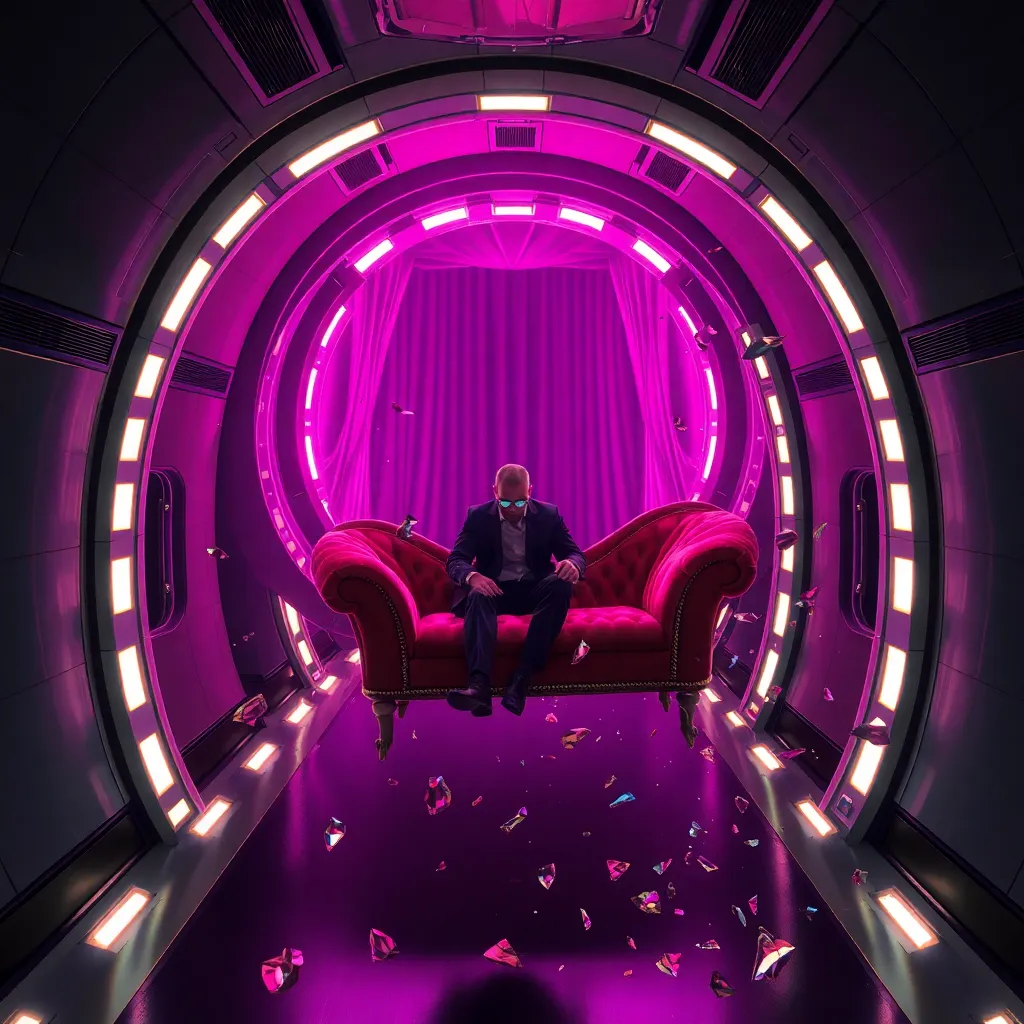
Yet in the middle of this shimmering collapse came a sequence of rescues so improbable that historians have already begun rolling their eyes in advance. The first involved a double agent known only as The Upholsterer, who reportedly saved nine people by hurling a chaise longue through a pressure-sealed corridor with such precision that it functioned simultaneously as barricade, bridge, and tasteful accent piece. Trapped beneath a descending blast door, three analysts were then pulled to safety by a junior codebreaker whose torso had partially decoupled, allowing her to reach under the steel partition “with unusual administrative flexibility.”
Most remarkable, according to a heavily redacted after-action report and one waiter who absolutely should not have seen any of this, was the intervention of a maintenance contractor believed at first to be ordinary. Identified as Gerald Pike, 58, he had spent much of the evening replacing lightbulbs, mispronouncing hors d’oeuvres, and quietly collecting microfilm from under saucers. When the central chamber’s anti-secrecy engine malfunctioned and began exposing everyone’s aliases, hidden pockets, and emotional damage in rotating columns of light, Pike reportedly swung from a chandelier made of decommissioned periscopes, kicked the machine into standby, and rescued the foreign minister of a nation that does not technically exist on maps after weekdays.
Pike’s heroism became even more inconvenient when all agencies involved were forced to admit that he had also been infiltrating them for years on behalf of an unaffiliated rescue cooperative based above a locksmith’s in Brussels. The cooperative, according to recovered documents, specializes in saving spies from the consequences of spycraft, then billing them on a sliding scale. “We saw a gap in the market,” one anonymous rescuer explained. “Extraction is glamorous. Emotional and epidermal aftercare is where the real work begins.”
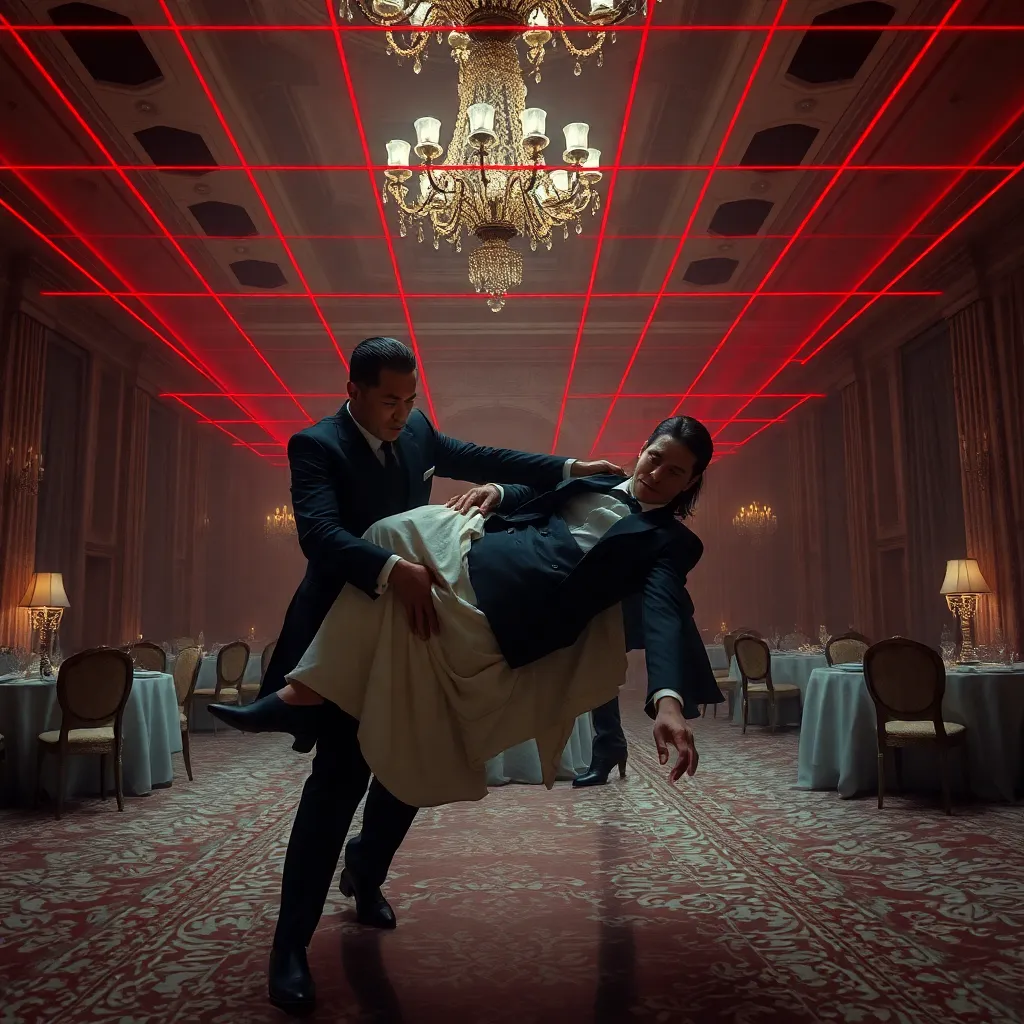
As alarms sounded and bodies continued negotiating the terms of their assembly, unexpected alliances bloomed with the grim tenderness usually reserved for hostage exchanges and difficult zippers. Enemies carried enemies through laser grids. Rivals wrapped one another in tablecloths to keep elbows from wandering off. A notorious assassin known as Pale Thursday reportedly rescued her own mark after concluding that “it would be unprofessional to let him dissolve before the confrontation scene.”
Medical response teams later established a triage zone in the aquarium gift shop, where patients were stabilized between snow globes, novelty squid pencils, and educational postcards of fish that had never once compromised a state secret. Doctors report that the flesh decoupling was temporary, though several attendees continue to experience minor side effects, including echoing fingerprints, heightened suspicion of velvet furniture, and the ability to identify lies by taste. The eye condition has proven more persistent. Intelligence agencies are said to be adapting quickly, issuing matte contact lenses, revised intimidation protocols, and stern internal memos reminding staff not to use their new appearance to “win arguments in cafés.”
The diplomatic repercussions remain severe. Three alliances have dissolved, two have become more attractive somehow, and a trade pact was accidentally ratified during a rescue piggyback. Markets responded nervously, then stylishly. Shares in trench coats, locking briefcases, and prism-resistant cosmetics surged by noon. Meanwhile, black-market vendors are already advertising counterfeit “decoupling-proof” moisturizers to anxious operatives who fear a recurrence during peak gala season.
At press time, clean-up crews were still combing the aquarium for listening devices, detached cufflinks, and one highly classified kneecap. Gerald Pike has vanished, leaving behind only a paid invoice, a length of chandelier chain, and a handwritten note that read: You’re welcome. Also your fern is transmitting. Officials have declined to comment on whether the next summit will proceed as planned, though insiders say invitations have already gone out for a smaller, safer gathering in a decommissioned lighthouse with excellent exits and no string quartet.
For now, the world’s intelligence services remain united by a rare and humbling truth: when your eyes blaze like tropical contraband and your flesh briefly resigns in sections, the line between mortal enemy and unexpected rescuer becomes wonderfully, appallingly thin.