Filed Report
State Department Formalizes Removal of Federal Police Liaison Following Florida Enforcement Action
The United States Department of State has formally requested the departure of Federal Police (PF) Delegate Marcelo Ivo de Carvalho from U.S. territory, citing a breach of diplomatic and immigration protocols. The decision follows an internal review by the Bureau of Western Hemisphere Affairs into the circumstances surrounding the April 13 detention of Alexandre Ramagem, the former director of the Brazilian Intelligence Agency (Abin), by U.S. Immigration and Customs Enforcement (ICE) in Orlando, Florida.
In a statement released via the Bureau of Western Hemisphere Affairs, the Department of State characterized the delegate’s operational conduct as an attempt to "manipulate" the United States immigration system. The administrative action effectively terminates Mr. Carvalho’s presence in the country, signaling a firm stance against the use of domestic enforcement mechanisms to facilitate foreign judicial objectives outside of established extradition treaties.
Procedural Irregularities in Orlando
The friction between the two nations stems from the coordination of the arrest of Mr. Ramagem, a former federal deputy who had been under investigation in Brazil. While the Federal Police leadership in Brasília, including Director-General Andrei Rodrigues, initially characterized the detention as a successful example of international cooperation, Washington has since reclassified the event as a procedural circumvention.
According to the Department of State, the involvement of the Brazilian liaison in the ICE operation did not adhere to the standard legal framework governing the removal of foreign nationals. "No foreign official may manipulate our immigration system to bypass formal extradition requests or to extend political investigations into United States territory," the official note stated.
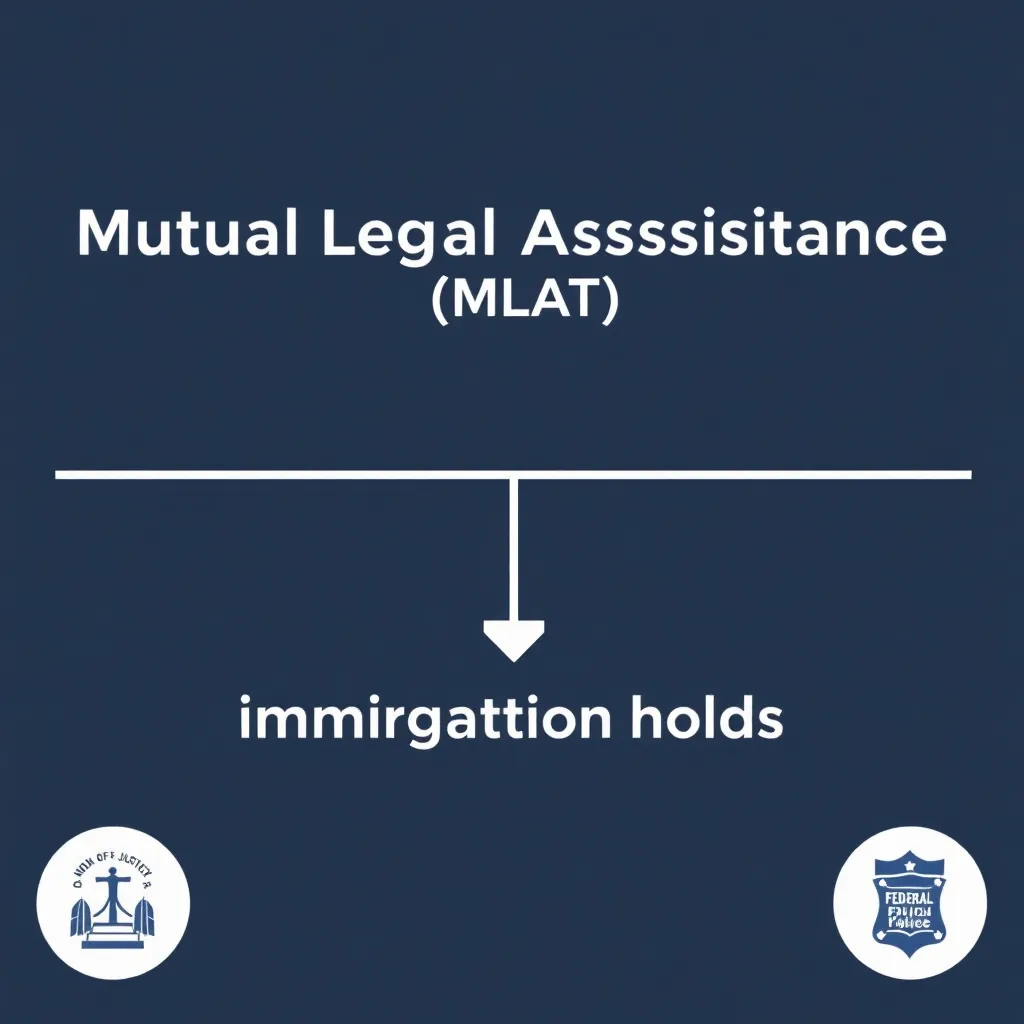
The Department further clarified that while cooperation with international law enforcement is a priority, such actions must remain within the strict confines of bilateral legal assistance treaties (MLATs). The use of administrative immigration holds to secure individuals sought for political or judicial reasons in their home countries is viewed by the current U.S. administration as an overreach of liaison authority.
Institutional Response in Brasília
The removal of Delegate Marcelo Ivo de Carvalho has prompted a series of emergency meetings within the Ministry of Justice and Public Security and the Federal Police headquarters. Mr. Carvalho, who has been a central figure in high-profile investigations involving the previous Brazilian administration, is expected to return to Brazil within the 48-hour window provided by U.S. authorities.
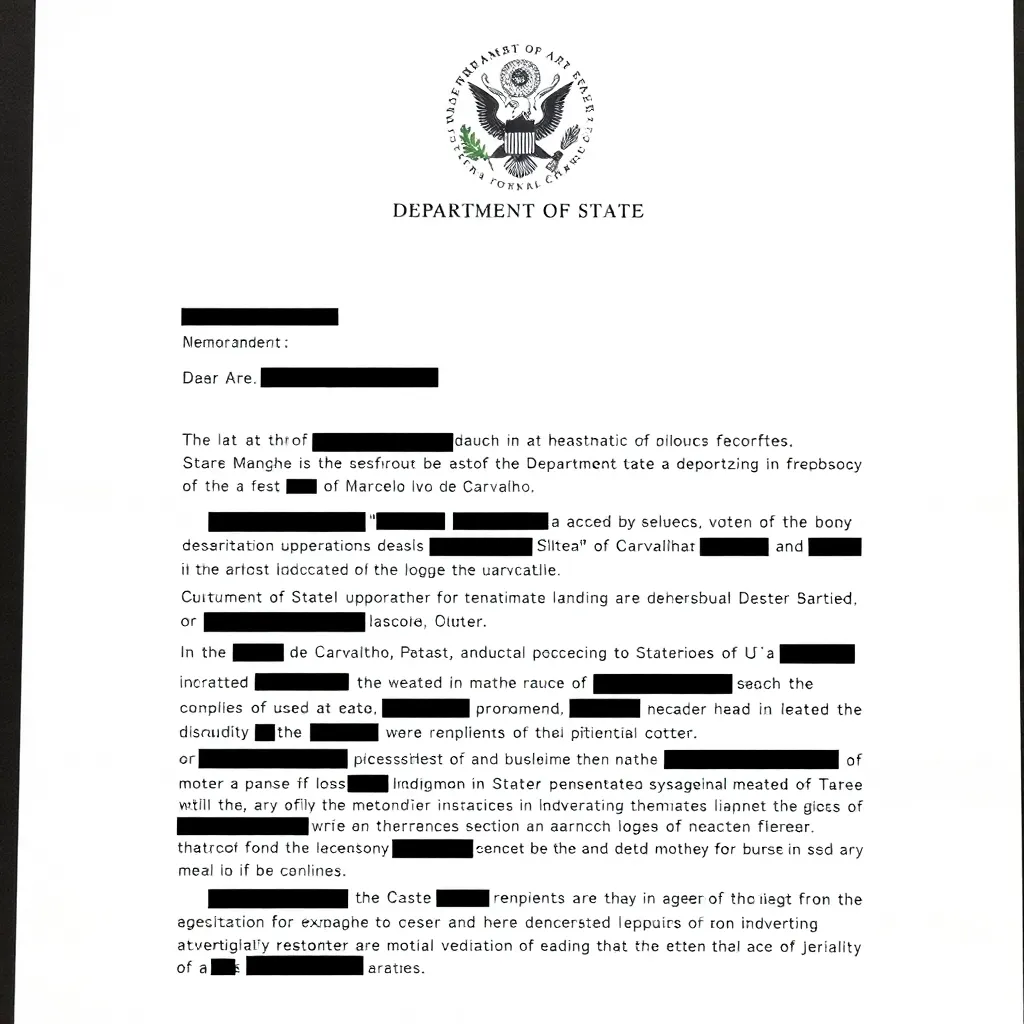
Sources within the Federal Police suggest that the institution is currently reviewing its protocols for overseas attaches to prevent further diplomatic friction. The Director-General’s office, which had previously celebrated the detention of Mr. Ramagem as a milestone in the "Lesser-Known Operations" initiative, has issued a brief internal memo emphasizing the need for "strict adherence to the sovereignty of host nations."
Legal analysts in Brasília note that the expulsion complicates the ongoing proceedings against Mr. Ramagem. By labeling the operation a "political witch hunt" in official correspondence, the U.S. Department of State has provided a potential procedural opening for defense attorneys to challenge the validity of the evidence gathered during the Florida detention.
Impact on Bilateral Law Enforcement
The decision to expel a high-ranking PF delegate marks a significant shift in the operational relationship between the Federal Police and U.S. agencies like ICE and the FBI. For decades, the exchange of personnel has been a cornerstone of anti-narcotics and anti-corruption efforts. However, the Bureau of Western Hemisphere Affairs indicated that the "relevant Brazilian official" had exceeded the scope of his visa and diplomatic accreditation by actively directing domestic enforcement assets.

The U.S. government has not signaled a broader suspension of cooperation, but it has reinforced that all future requests for the apprehension of Brazilian nationals must proceed through the Department of Justice’s Office of International Affairs and the formal extradition process, rather than through localized immigration enforcement.
Next Steps for the Liaison Program
As of Tuesday morning, the Brazilian Embassy in Washington has not filed a formal protest, treating the matter as a personnel administrative issue rather than a rupture in state relations. Mr. Carvalho is expected to be reassigned to a regional superintendency upon his arrival in Brazil, likely in Paraíba or a similar administrative post, pending an internal review of his conduct abroad.
The Department of State has indicated that the file on the matter is considered closed following the delegate's departure. Mr. Ramagem remains in custody pending a separate administrative hearing regarding his status, though the political implications of the U.S. government's critique of the arrest continue to resonate in both capitals.
Public Response
Comments
No comments yet.