Steam Update Briefly Achieves Gamer Utopia, Accidentally Turns “Add to Cart” Into “Add to Library”
SEATTLE—In what experts are calling “the most generous corporate initiative ever launched unintentionally,” a new Steam update reportedly introduced a bug that allowed users to add any paid game to their library for free, transforming the platform’s famously frictionless storefront into something even more efficient: a digital cornucopia where money was simply an optional cosmetic.
The issue was discovered and patched roughly 15 minutes after the update went live, a time window that historians are already referring to as The Quarter Hour of Plenty—a short, bright era in which wishlists were cleared, backlogs were expanded to previously theoretical sizes, and the phrase “I’ll wait for a sale” was replaced with “I’ll wait for my download speed.”
While the bug is said to have been quickly corrected, users who happened to be online at the time—and who also happened to possess the rare combination of curiosity, opportunism, and a finely tuned instinct for finding unintended generosity—allegedly managed to snag dozens, hundreds, or in one reported case “everything with a rating above Mixed, just in case.”
“I Thought It Was a New Loyalty Program,” Says Man Now Owning 842 Games He Will Never Launch
Witnesses describe the bug as simple, elegant, and devastatingly effective: users clicked on a paid game and, instead of being redirected to checkout, found it quietly added to their library as if they’d paid in full. No wallet charge. No confirmation screen. No pleading with a bank app. Just the sweet, silent thud of another title joining the ever-growing digital shelf of shame.
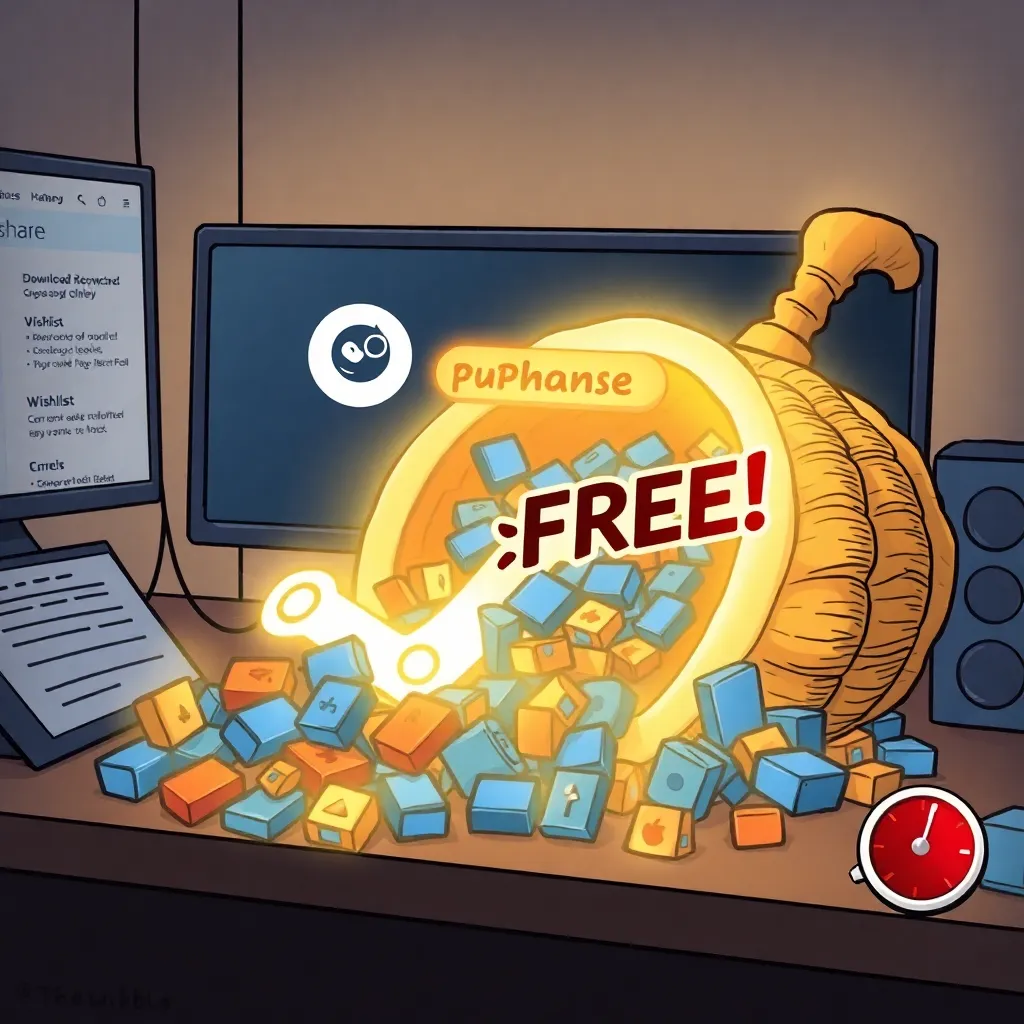
“I assumed Valve introduced a new system where your vibe pays,” said one user, who asked to be identified only as xXBudgetDestroyerXx. “The button said ‘Purchase,’ but the energy felt more like ‘Congratulations.’”
Another user reported initially suspecting a hallucination. “I refreshed the page like thirty times,” they said. “At first I thought I’d accidentally turned on some setting called ‘Being Rich.’ But then I tried it with five more games and realized—no—this was real. This was the promised land.”
Steam community guides titled “HOW TO GET FREE GAMES RIGHT NOW (NOT CLICKBAIT)” reportedly appeared within seconds, each one a masterpiece of breathless understatement:
Go to game page
Click purchase
Panic
Repeat until patch
Live with what you’ve done
Valve Engineers Reportedly Detected Bug After Noticing “Revenue Flatlined Into A Perfect Horizontal Line”

Sources familiar with the matter claim the bug was identified almost immediately due to a sudden spike in library additions paired with the kind of revenue graph normally associated with a charity bake sale where the table has been knocked over.
One insider described the moment the alert went off as “like watching a dam break, if the dam was made of invoices.”
“Normally, when thousands of users start ‘buying’ games at the exact same time, there’s a corresponding rise in sales,” explained an industry analyst. “Instead, Steam saw unprecedented activity, while income did what it has never done before: politely vanished.”
Reports suggest the patch was deployed swiftly, though not before the platform experienced a brief cultural renaissance in which strangers congratulated each other, recommended “free” purchases with the solemnity of sommeliers, and developed a shared sense of community typically only seen after a major natural disaster or an unusually good Humble Bundle.
The Great Digital Black Friday, Except It Was Wednesday And Nobody Paid
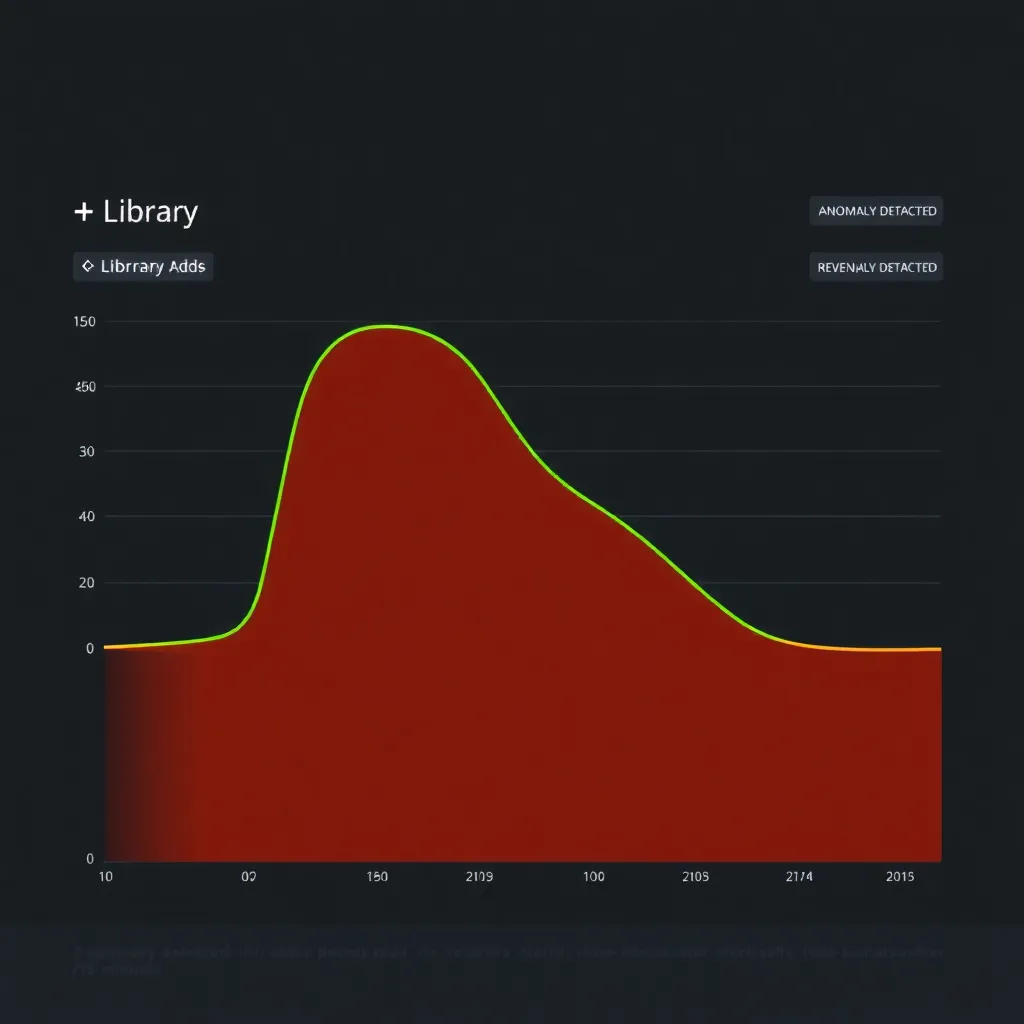
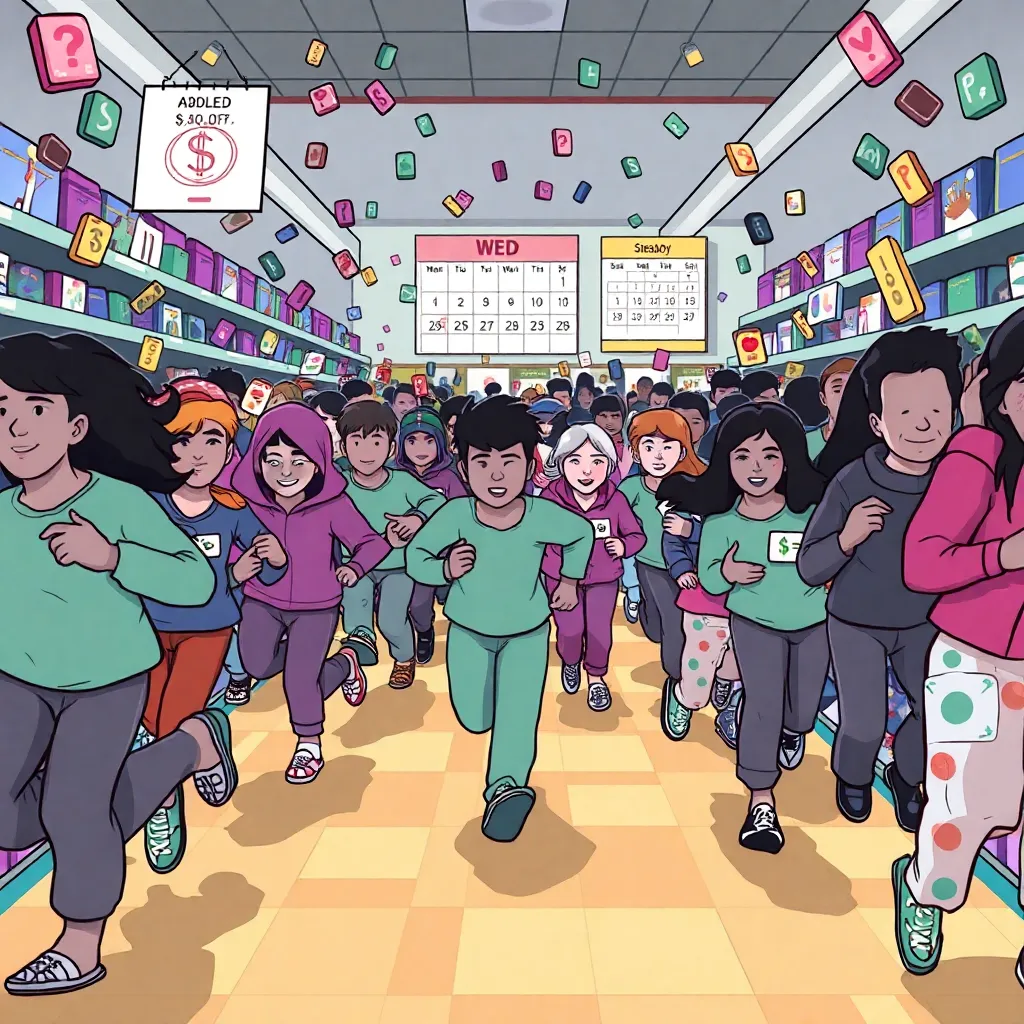
The 15-minute window sparked a buying frenzy that observers compared to Black Friday, except with fewer injuries and more spreadsheet planning.
“I didn’t even choose games I wanted,” said one user. “I chose games I might want to want someday. I grabbed three city builders, two obscure JRPGs, a space sim that requires a flight stick, and something described as ‘a meditative walking experience through an emotionally resonant puddle.’ I don’t know what any of it means, but I own it now.”
Others reportedly adopted a strategy known as “Wishlist Blitz,” in which a user sprints down their wishlist adding items as quickly as possible, like a game show contestant given unlimited shopping time inside a supermarket.
“I got through the first 47 items,” said one player. “Then the patch hit right as I clicked on number 48. It felt like someone yanked a pie out of my hands and reminded me about the concept of ‘financial responsibility.’”
Economists Confirm: This Is Why We Can’t Have Nice Things
Economists were quick to weigh in, explaining that the incident serves as a live demonstration of how markets behave when scarcity is temporarily replaced with mild chaos and good luck.
“Steam accidentally ran a micro-experiment in post-scarcity economics,” said Dr. Lenora Mainspring, professor of Digital Consumption Studies. “Within minutes, consumers became less discerning. People were ‘purchasing’ games they actively dislike, simply because it cost nothing. This confirms our long-standing theory that the average gamer’s true weakness is not predatory pricing—it’s the word ‘Free.’”
Dr. Mainspring noted that, ironically, the event may increase sales later. “Many users will now buy DLC for games they never intended to own,” she said. “Which is the closest thing we have to perpetual motion in the modern economy.”
Developers Respond By Asking Everyone To Please Stop Refreshing Their Sales Dashboards
Indie developers, many of whom rely on Steam sales to survive, reportedly experienced the incident in stages: confusion, hope, confusion again, and finally a deep contemplative stare into the middle distance.

“At first I thought my game had been featured somewhere,” said one solo developer. “Then I saw the units going up with no revenue. That’s when I realized I’d been briefly promoted to ‘highly popular free thing,’ like oxygen.”
Others attempted to remain philosophical. “Look, if people got my game for free in that window, I hope they enjoy it,” said another developer. “And if they don’t enjoy it, I hope they at least leave a review that doesn’t begin with ‘Got this for free.’”
Several studios reportedly asked Valve for clarity on what happens next, while simultaneously dreading the answer in the way one dreads an email titled “Regarding Your Account.”
What Happens To The Games?
The question haunting the internet now is simple: will those games stay in users’ libraries?
Steam has not officially confirmed details in this entirely hypothetical retelling of events, but armchair legal experts—freshly certified by reading two forum posts and a screenshot—have offered a variety of predictions, ranging from “Valve will revoke them” to “Valve will let it slide” to “Valve will come to your house and take your PC.”
“Technically, digital licenses can be revoked,” said one commenter with the confidence of a man who has never once read terms of service but has felt them. “But spiritually, those games are mine now. Steam gave them to me. The universe witnessed it.”
Another user proposed a compromise: “Valve should let us keep one game as a souvenir, like when a bank error in your favor happens in Monopoly. I propose we all get to keep whichever title makes the least sense. Mine is a $90 train simulator expansion that adds fog.”
Meanwhile, the players who missed the window have begun bargaining emotionally with reality.
“I was at work,” said one devastated user. “Actually doing my job. Like an idiot.”

Steam Users Immediately Demand the Bug Become a Feature
Within hours, calls began for Valve to “bring it back,” with some arguing that the bug demonstrated the platform’s true potential: a storefront without the inconvenient presence of commerce.
“If Steam can do this for 15 minutes, it can do it forever,” wrote one user, apparently unfamiliar with the difference between can and should not for reasons of basic corporate survival.
A petition quickly appeared demanding a monthly “Free Game Glitch Day,” which supporters described as “like a sale, but morally cleaner.” Critics pointed out that it would be “like a sale, but with the business model of a candle in a hurricane.”
Gamers, undeterred, suggested alternative funding models, including:
paying developers in exposure, but “the good kind”
a subscription tier called Steam Platinum Ultra Supreme, priced at $0, funded entirely by vibes
replacing money with Steam Trading Cards, which economists confirmed would immediately collapse all known systems of value
Valve Reportedly Considers Replacing Engineers With One Big “Are You Sure?” Pop-Up
Industry insiders say Valve is now reviewing its deployment process, which until now was believed to consist of “ship it” followed by “watch Reddit.”
Proposed internal fixes include:
adding an “Oops, That Wasn’t Right” alarm that triggers when revenue goes quiet
limiting updates to times when fewer gamers are awake, such as “never”
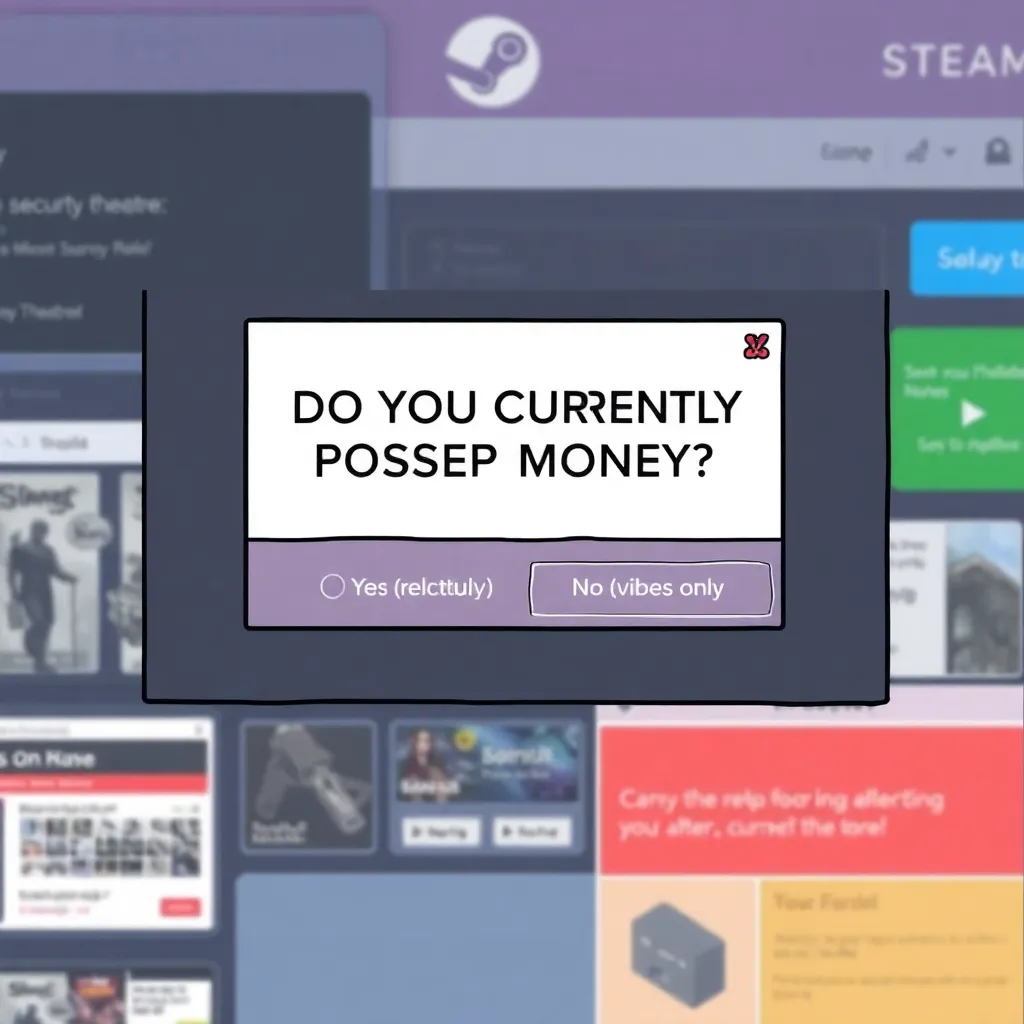
implementing a new checkout step requiring users to solve a captcha that asks: Do you currently possess money?
One engineer allegedly pitched a new security layer called “Paywall,” described as “controversial but promising.”
A Generation Will Remember Where They Were When Steam Forgot Money
As the dust settles, the incident is already being mythologized.
People will tell their children about the day Steam became a fountain. Streamers will claim they “totally could have gotten more” if they hadn’t stopped to read a game description. Forum users will insist the bug was an elaborate marketing stunt, because in the modern world the only thing more unbelievable than free games is accidental generosity.
And somewhere, quietly, a gamer is staring at their library—now swollen with titles they will never install—feeling the familiar warmth of ownership without obligation.
“I don’t know what came over me,” one user confessed. “I don’t even like strategy games. But for 15 minutes, I wasn’t a consumer. I was a force of nature.”
Steam is back to normal now, with games once again costing money, and the universe once again obeying the basic rules of capitalism. But for a brief shining moment, gamers saw what lay beyond the cart.
It was beautiful.
And it was patched.