The Great Climate Conspiracy Unraveling the Myth of Climate Change
For years, citizens have been bullied by thermometers, ambushed by documentaries, and emotionally cornered by polar bears standing on suspiciously small pieces of ice as though they had personally booked the last available iceberg through a travel app. But now, brave investigators armed with clipboards, patio umbrellas, and a deeply offended uncle named Barry are asking the dangerous question the establishment fears most: what if weather has simply become dramatic for attention?
The theory has gained momentum among people who have looked out of a window at least once and found the experience inconclusive. “They say the planet is warming,” said one local man, standing in a hailstorm while wearing shorts in order to prove a point no one could identify. “And yet my driveway was absolutely freezing this morning. Explain that with your charts.” Experts did attempt to explain it with charts, but unfortunately charts are vulnerable to the accusation of “looking a bit smug.”

At the center of the alleged scheme is the sun, long suspected of involvement due to its history of making things hot without filing the proper paperwork. Critics argue that blaming human industry for atmospheric change ignores the sun’s obvious pattern of showing up every day, shining aggressively on patios, dashboards, and bald men at cricket matches. “The sun has had a free pass for too long,” declared a campaign group calling itself Citizens for Holding the Sun Accountable, which is currently petitioning for cloud audits and stricter sunrise regulations.
Meanwhile, carbon dioxide has objected to what its supporters call a sustained media smear campaign. In a statement released from a bubbling glass of sparkling water, the gas insisted it has made “countless positive contributions” to society, including fizzy beverages, greenhouse tomatoes, and that feeling of mild panic in crowded meeting rooms. “To reduce me to a villain is frankly lazy,” the statement read. “I contain carbon, which is in pencils, and oxygen, which people are usually very keen on.”
The fossil fuel industry, often accused of shaping public perception, responded by unveiling a new educational initiative titled Nature Happens, Champ. The campaign features animated volcanoes shrugging, cows looking apologetic, and a 14-minute explainer in which a pickup truck slowly drives through a sunset while a voice whispers, “Can anyone truly own the sky?” The materials have been praised for their cinematic quality and condemned for describing pipelines as “veins of freedom.”

Skeptics point to historical records showing that the Earth’s climate has changed before, apparently forgetting that this is not generally considered comforting when your current house is involved. “The climate has always changed,” they insist, as though announcing that because people have always gotten sick, no one should get worked up about a raccoon performing surgery in the kitchen. The argument has remained popular largely because it sounds ancient and wise, like something carved into a stone tablet by a philosopher who had never once seen a refinery.
Financial interests have, of course, entered the arena. Air conditioner manufacturers are accused of profiting from heat, umbrella companies from rain, and cardigan vendors from those baffling spring days when the sky cannot commit to a personality. Markets responded nervously this week after investors realized nearly every possible climate outcome could be monetized if one simply remained shameless and diversified aggressively enough.
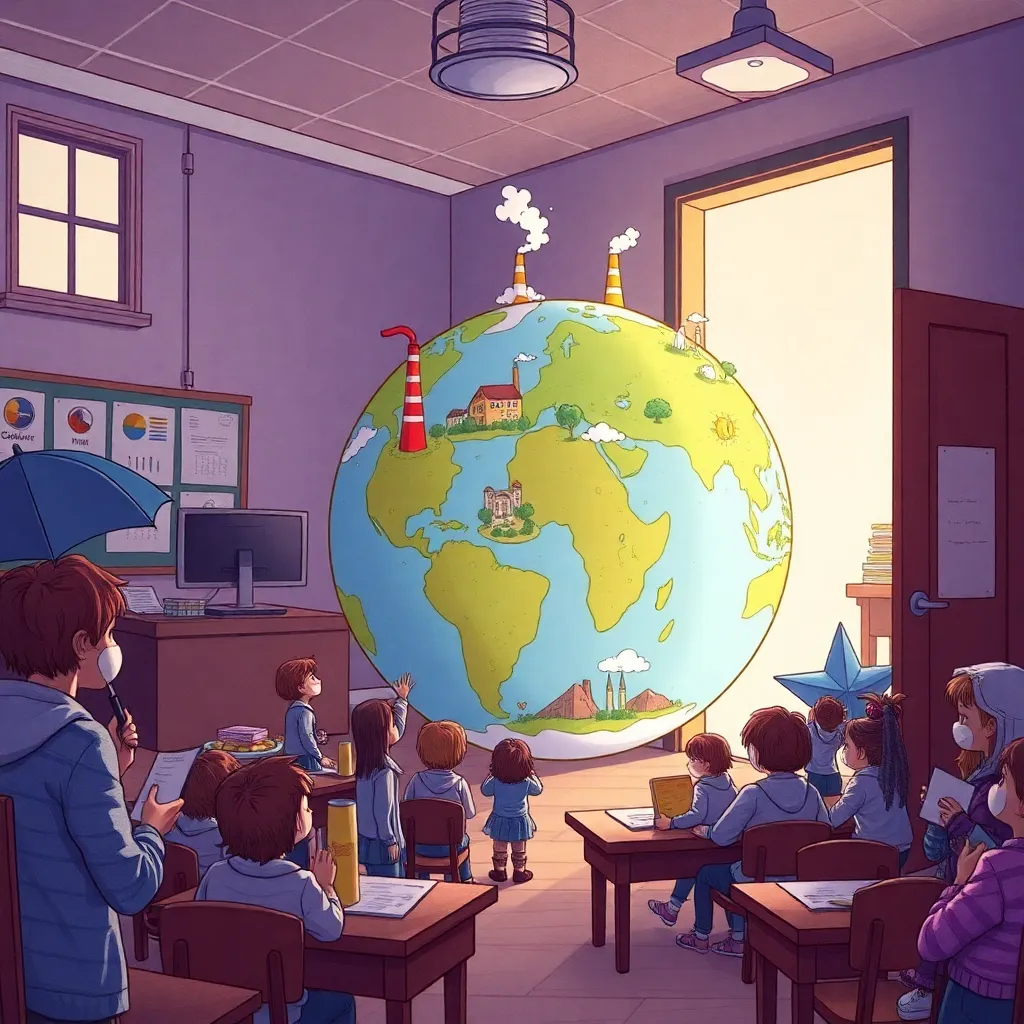
In schools, children are reportedly being taught that emissions affect global systems, which has alarmed adults who prefer science to arrive in smaller, less accusatory pieces. “In my day, the atmosphere stayed in the background,” complained one parent, who believes clouds should mind their business and that oceans have become “far too political.” The same parent later admitted concern that his garden had flowered in February, but only because “the begonias seem overconfident.”
The debate has also exposed deep divisions within the thermometer community. Traditional glass thermometers insist they have been faithfully reporting temperatures for generations and resent being called biased. Digital thermometers, by contrast, are accused of being too flashy, too immediate, and somehow continental. One wall-mounted unit outside a pharmacy has been vandalized repeatedly by passersby who claim 39 degrees is “an opinion, not a fact.”
And then there are the seasons themselves, once dependable pillars of the calendar and now behaving like exhausted theatre understudies. Winter arrives late, Spring enters in November, Summer overstays, and Autumn has become little more than a windy press conference in which trees resign leaf by leaf. Farmers, city planners, insurers, and anyone with a basement have all noted that the atmosphere appears to be improvising, though critics say this could simply be the result of the jet stream “wanting to try something new.”
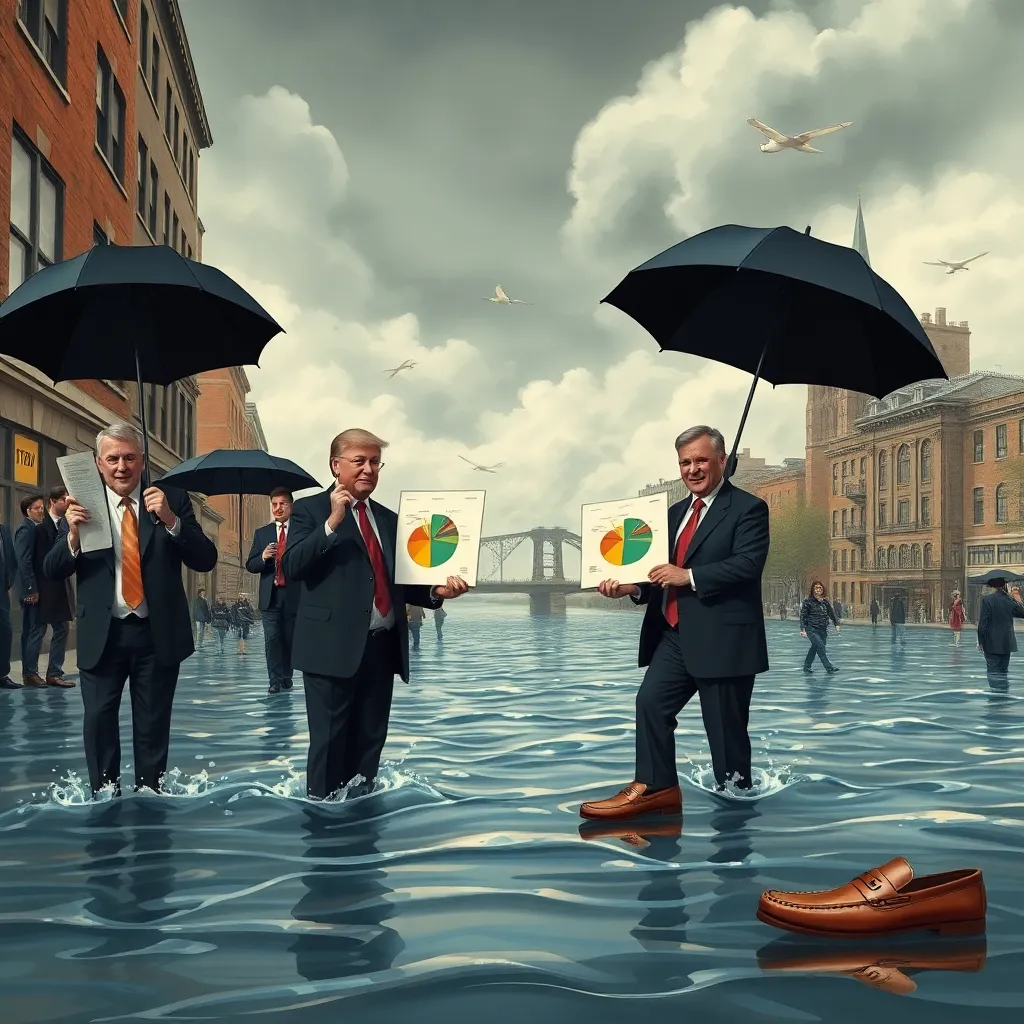
Government officials have promised calm, coordinated action, a phrase traditionally understood to mean a committee, several pie charts, and a minister standing near floodwater in a regrettable pair of loafers. New measures include resilience plans, adaptation frameworks, and a pilot project encouraging rivers to “show restraint during peak periods.” The rivers have not responded publicly, though sources say they remain unconvinced.
Scientists continue to insist that the evidence is overwhelming: rising temperatures, melting ice, shifting ecosystems, intensified extremes, ocean heat, sea level rise, and enough data to wallpaper every parliament building on Earth several times over. But for many, this still competes with the stubbornly seductive argument that last Tuesday felt brisk. It is difficult to defeat a worldview assembled entirely from selective memory, barbecue anecdotes, and a man tapping a frosty windscreen at dawn as if he has personally discovered a loophole in physics.
As the great conspiracy continues to unravel, investigators say they are closing in on the truth. Some believe the warming planet is a hoax orchestrated by scientists in league with wind turbines, electric kettles, and Big Reusable Bottle. Others maintain the far stranger possibility that decades of burning ancient carbon into the sky may, in fact, have consequences. In a shocking twist, the second explanation remains the one supported by virtually all the evidence, which has proven deeply inconvenient for anyone hoping to settle the matter by pointing at a slightly chilly morning and folding their arms triumphantly.