The Great Kibble Compression: Why Your Cat is Trapped in a Low-RAM Reality
Pet owners have long been baffled by the "Half-Full Bowl Syndrome." A cat will scream with the intensity of a thousand dying suns, staring into a ceramic dish that contains at least seventy-four percent of its original volume. To the human eye, it is a feast. To the cat, it is a digital void—a terrifying glitch in the local rendering distance.
Recent investigations by the Wibble News Physics Department have confirmed that your cat isn't being "picky." Rather, the household food bowl is a sophisticated hardware interface designed to reduce the RAM usage of your living room. When kibble sits stationary for more than three minutes, the reality engine optimizes the scene by converting solid matter back into unrendered bits.
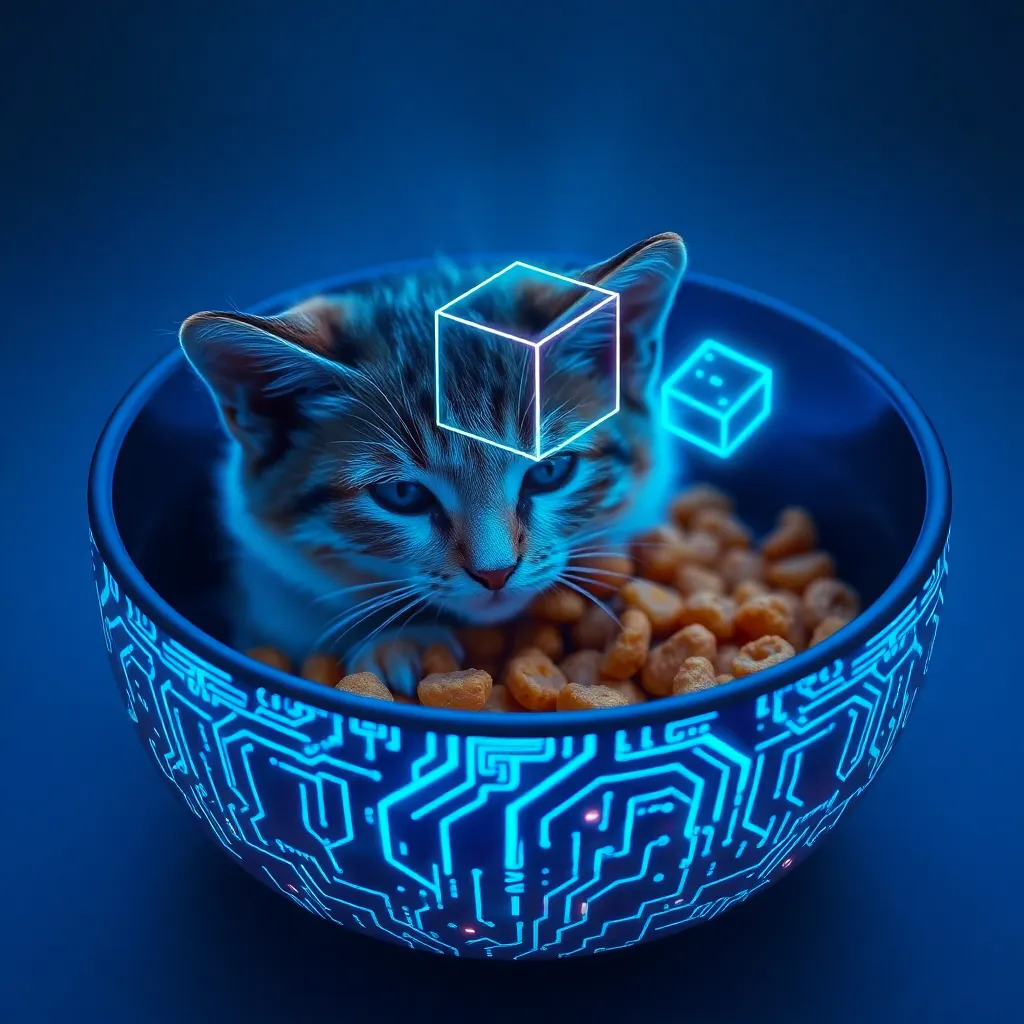
"The cat is essentially a high-priority NPC with a very limited cache," explains Dr. Aristhistle Pringle, a leading expert in Domestic Simulation Theory. "When the kibble loses its physical collision data to save processing power, the cat’s AI can no longer 'see' it as an interactable object. To the cat, the bowl is empty because the items inside have no hitboxes. It’s like trying to eat a ghost or a JPEG of a tuna."
This explains the "The Great Shake" phenomenon. When a human picks up the bowl and agitates it, the sudden movement forces the system to re-calculate the physics of every individual pellet. Shaking the bowl is the equivalent of a hard reboot for the kibble’s geometry.
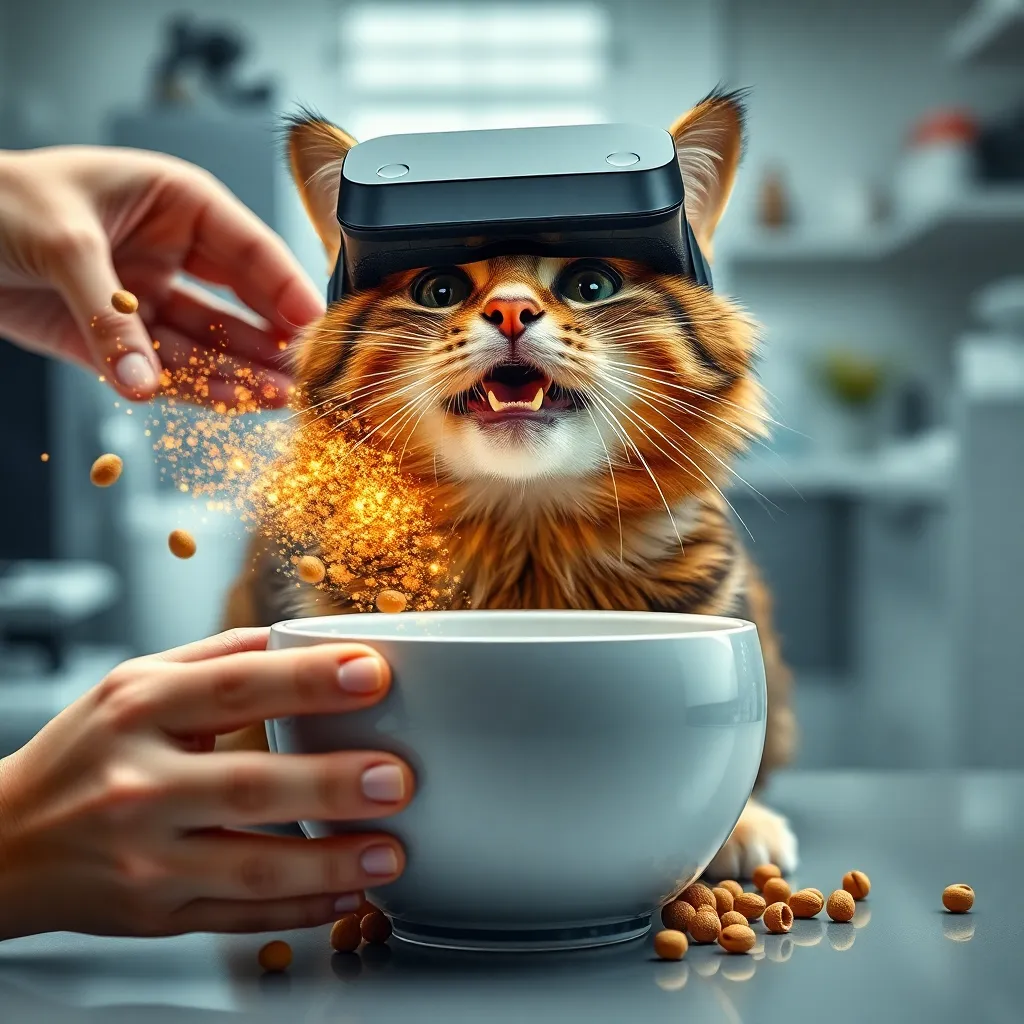
"By shaking the dish, you are manually re-initializing the 'Solid_Object' script," Dr. Pringle continued while hiding under a desk to avoid a nearby Roomba. "The sound of the kibble hitting the ceramic is actually the sound of the universe's soundboard catching up to the visual refresh rate. Once the bits are turned back into physical objects, the cat NPC can once again register the 'Consume' prompt."
However, experts warn that over-shaking can lead to "Kibble Fragmentation." If the bowl is shaken too vigorously, the pellets may clip through the floor of the kitchen, falling into the "Backrooms" of the basement or becoming permanently embedded in the sub-strata of the linoleum.
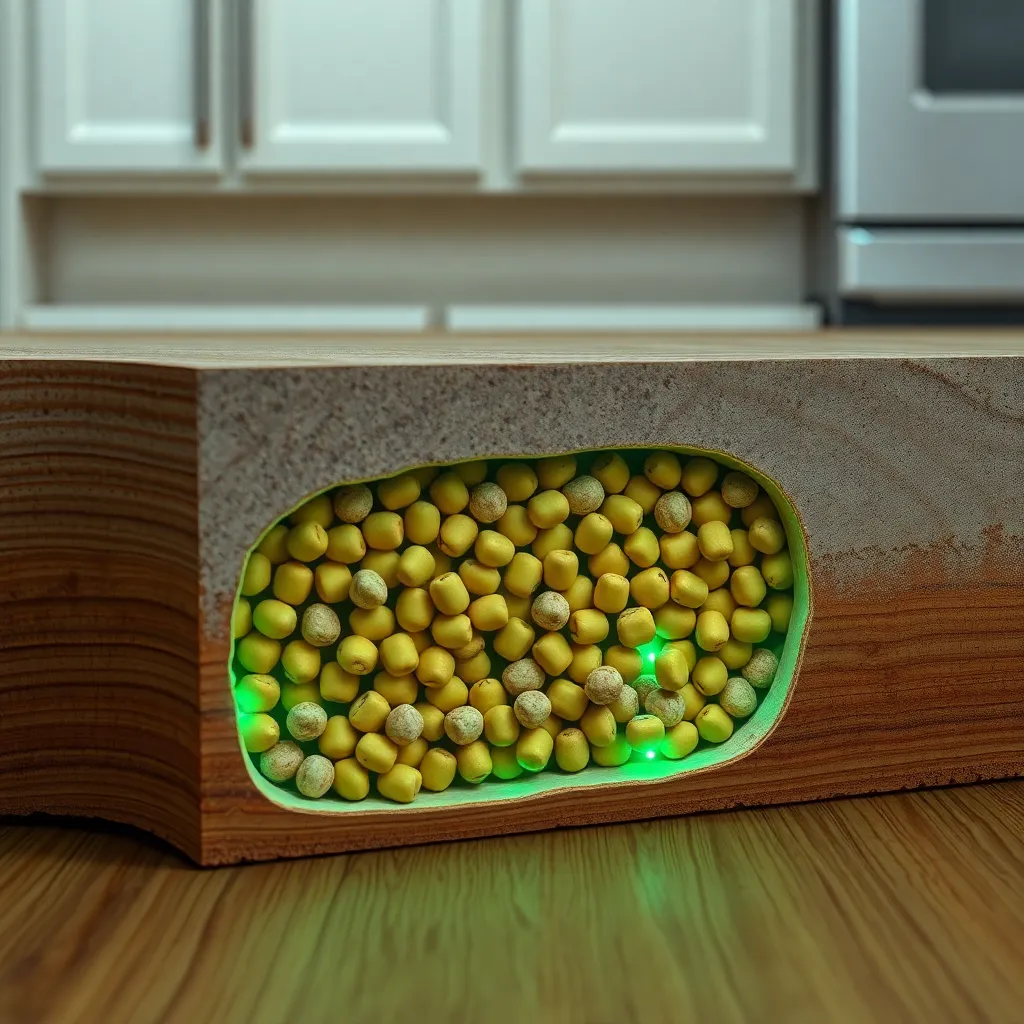
Furthermore, the "hole in the middle" of the food is not a result of the cat eating from the center. It is a localized "Dead Zone" where the RAM has completely bottomed out. If your cat is staring at a ring of food with a bare patch in the center, it is witnessing a terrifying graphical artifact that threatens the very stability of its feline consciousness.
Next time your cat screams at a nearly full bowl, do not judge. Simply perform the sacred ritual of the Refresh Rate, jiggle the ceramic, and allow the bits to become bites once more. Your cat isn't a diva; it’s just trying to play a game on a very outdated motherboard.