Doctors Warn of ‘Pac-Maniac Phase’ as Bipolar Disorder Allegedly Discovers the Arcade
Researchers at the Institute for Extremely Specific Mental Health Events have announced the identification of a dramatic new behavioral pattern they are calling the Pac-Maniac Phase, a period in which bipolar disorder allegedly “puts on a yellow bow tie, sprints into an arcade, and begins making strategic decisions based entirely on glowing fruit.”
According to a 412-page report printed on both sides of several napkins, clinicians first noticed the phenomenon when patients began describing their moods not in traditional terms like elevated, depressed, or mixed, but as “being chased by four color-coded opinions through an electric maze while a watermelon judges from the corner.”
“It’s not that the symptoms are new,” said one exhausted psychiatrist, standing beside a broken claw machine and a legal pad full of circles. “It’s that they have, somehow, become coin-operated. We used to chart sleep, speech, impulsivity, and energy. Now we’re apparently also tracking ghost activity, tunnel usage, and whether the patient feels spiritually aligned with a bonus cherry.”
Experts say the phase tends to arrive with startling confidence. One minute, an individual is simply experiencing racing thoughts. The next, they are striding into a pizza place at 2:13 a.m., pointing at an arcade cabinet with the solemn intensity of a military historian, and declaring, “At last. A map of the interior.”
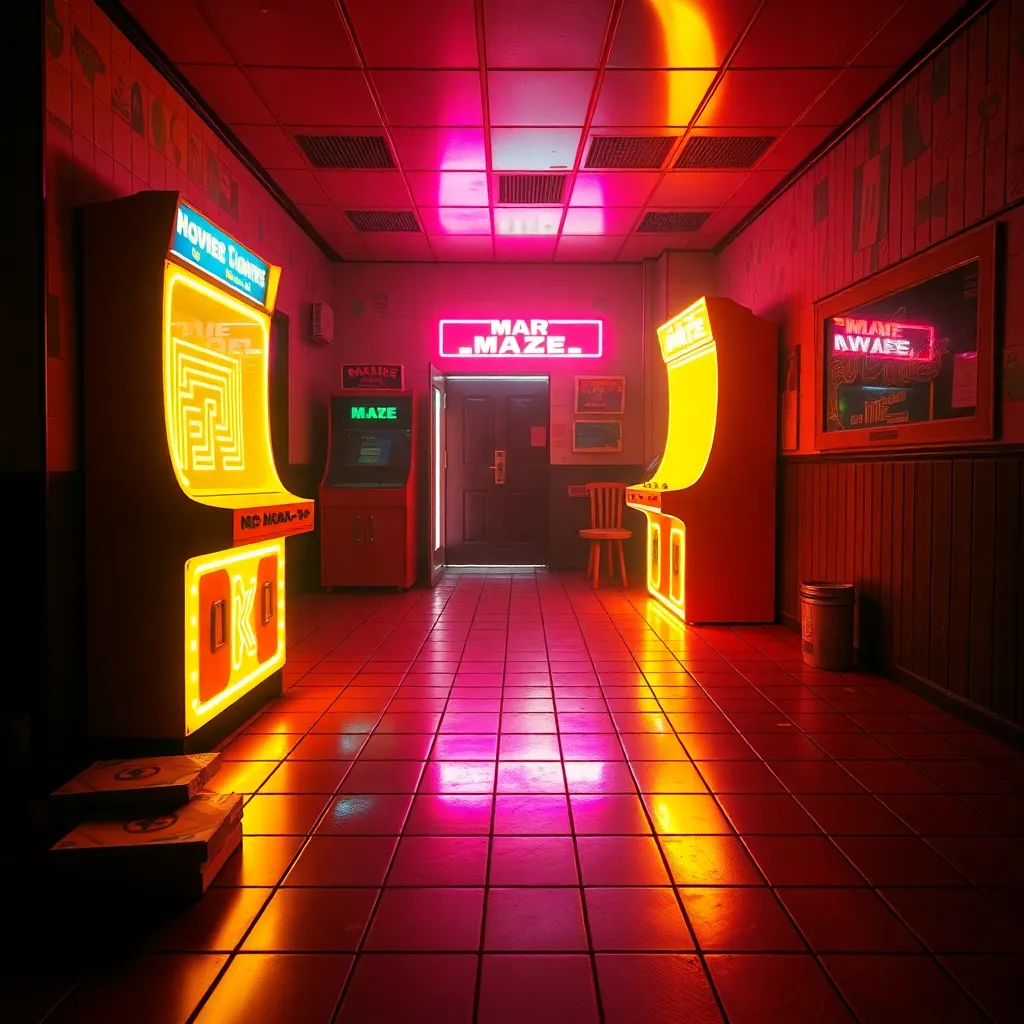
Witnesses describe the Pac-Maniac Phase as possessing a distinct aesthetic. Common signs include grand plans formulated entirely in pellets, complete certainty that one’s enemies can be outmaneuvered if they are assigned primary colors, and a deep emotional relationship with the concept of just one more level. Family members report hearing unusual statements such as, “I finally understand the tunnels,” and, “If I eat enough dots, I can outrun Tuesday.”
The disorder, long associated with severe mood shifts, now appears to have developed a side hustle in game theory. During high-energy states, patients may become convinced they are operating at historic arcade champion levels, despite holding the joystick upside down and screaming “blue means vulnerable” at a vending machine. During lows, by contrast, experts say the maze remains the same but the power pellets feel decorative, the fruit seems unattainable, and the nearest tunnel somehow leads directly to a blanket.
“It’s a very vivid metaphor,” admitted one clinician. “Unfortunately, it is also occasionally literal. We had a man attempt to negotiate with four coat racks because he believed they represented recurring stressors. Frankly, his assessment was not completely wrong.”
Medical professionals caution that romanticizing the Pac-Maniac Phase can be dangerous, particularly because arcade imagery gives symptoms an unearned sense of choreography. What appears from a distance to be dazzling confidence may in fact be profound distress moving at 8-bit speed. The bright lights, dramatic near-misses, and heroic pellet consumption can obscure the fact that the person inside the maze may be terrified, exhausted, and increasingly convinced that their entire life has been designed by a tiny sound effect.
Still, the metaphor has found a dedicated following among patients who say it captures the bizarre blend of momentum, dread, compulsion, and absurdity that can accompany severe mood episodes. “People kept asking me to describe it,” said one patient who requested anonymity but allowed reporters to identify him as Darren, 34, currently avoiding all cherries. “And I’d say, ‘Imagine every idea in your head is yelling waka-waka-waka while your consequences are approaching from four directions.’ Suddenly everyone understood.”
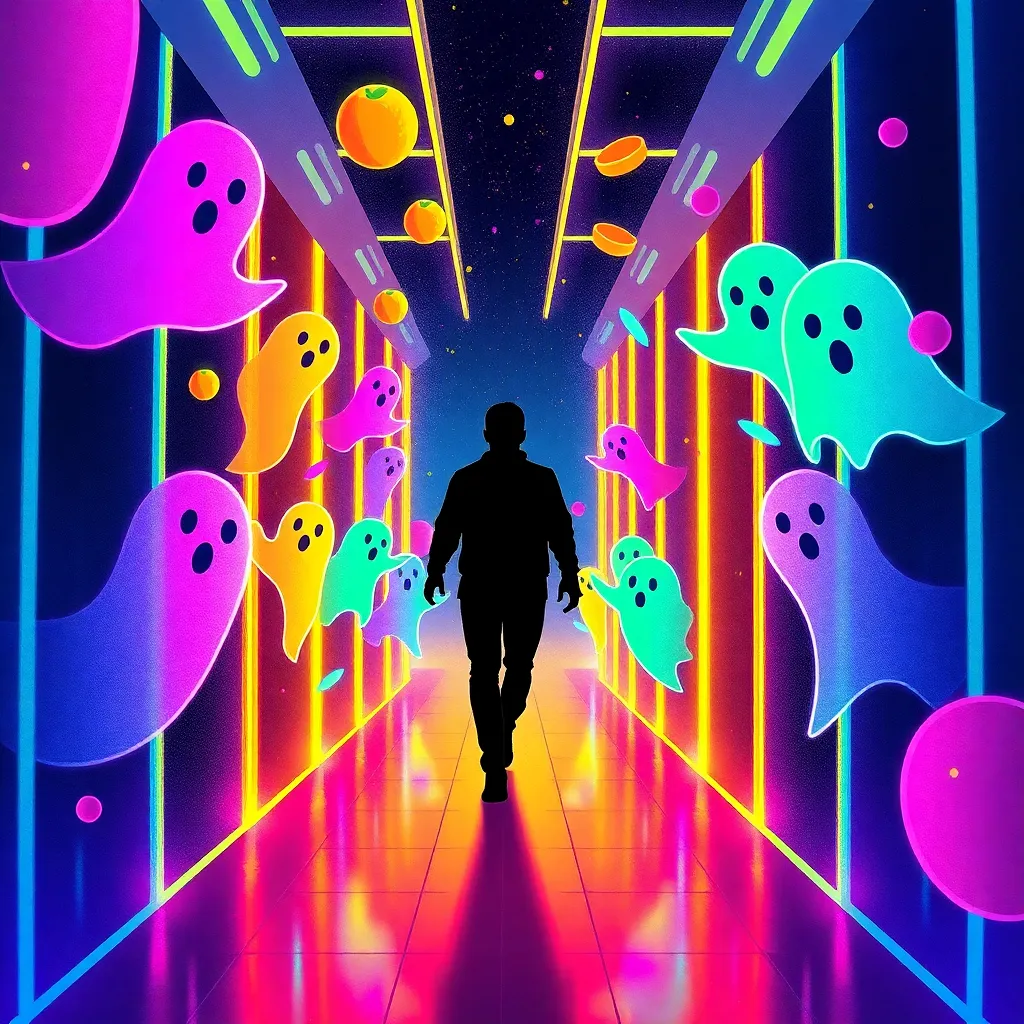
The arcade industry, never one to ignore a trend involving fluorescent panic, has reacted quickly. Several game halls have reportedly introduced “quiet hour” policies, reduced machine volume, and signs reading, PLEASE DO NOT PROJECT YOUR INNER COSMOS ONTO THE CABINETS. One owner said business had become complicated after patrons started assigning diagnostic meaning to everything in the building.
“We had a lady stare at the skee-ball lanes for twenty straight minutes and whisper, ‘That’s my executive dysfunction,’” said a manager in Cleveland. “Then a teenager looked at the air hockey table and said, ‘No, that’s mania with a fan underneath.’ I’m not qualified for this. I’m just trying to refill the ticket dispenser.”
Public health officials emphasize that bipolar disorder is not a quirky nostalgia filter but a serious condition requiring real treatment, support, and medical care. They also note that metaphors can be helpful right up until somebody starts believing they can solve sleep disruption by eating a glowing orb and running through a side passage behind the freezer.
To address confusion, a coalition of psychiatrists and former arcade champions has released a preliminary guide. It advises patients and families to watch for meaningful changes in mood, behavior, sleep, decision-making, agitation, or hopelessness, and to seek professional help rather than relying on the tactical wisdom of a cabinet manufactured during the Carter administration. The guide also strongly discourages attempts to classify loved ones as “Blinky,” “Pinky,” “Inky,” or “that orange one who keeps ruining Thanksgiving.”
Even so, the phrase has entered public conversation with startling speed. Social media is flooded with solemn diagrams explaining the relationship between pellets and obligations, tunnels and avoidance, fruit and temporary motivation, and ghosts and the consequences of texting one’s ex at dawn to announce a revolutionary startup involving moonlight and soup.
Scholars remain divided on whether the Pac-Maniac Phase is a useful cultural shorthand or simply the latest sign that modern society will gamify absolutely anything, including psychic turmoil. A philosopher at the University of Rotterdam described it as “a tragicomic compression of cyclical instability into maze logic.” A man at a laundromat described it as “yeah, that tracks.”
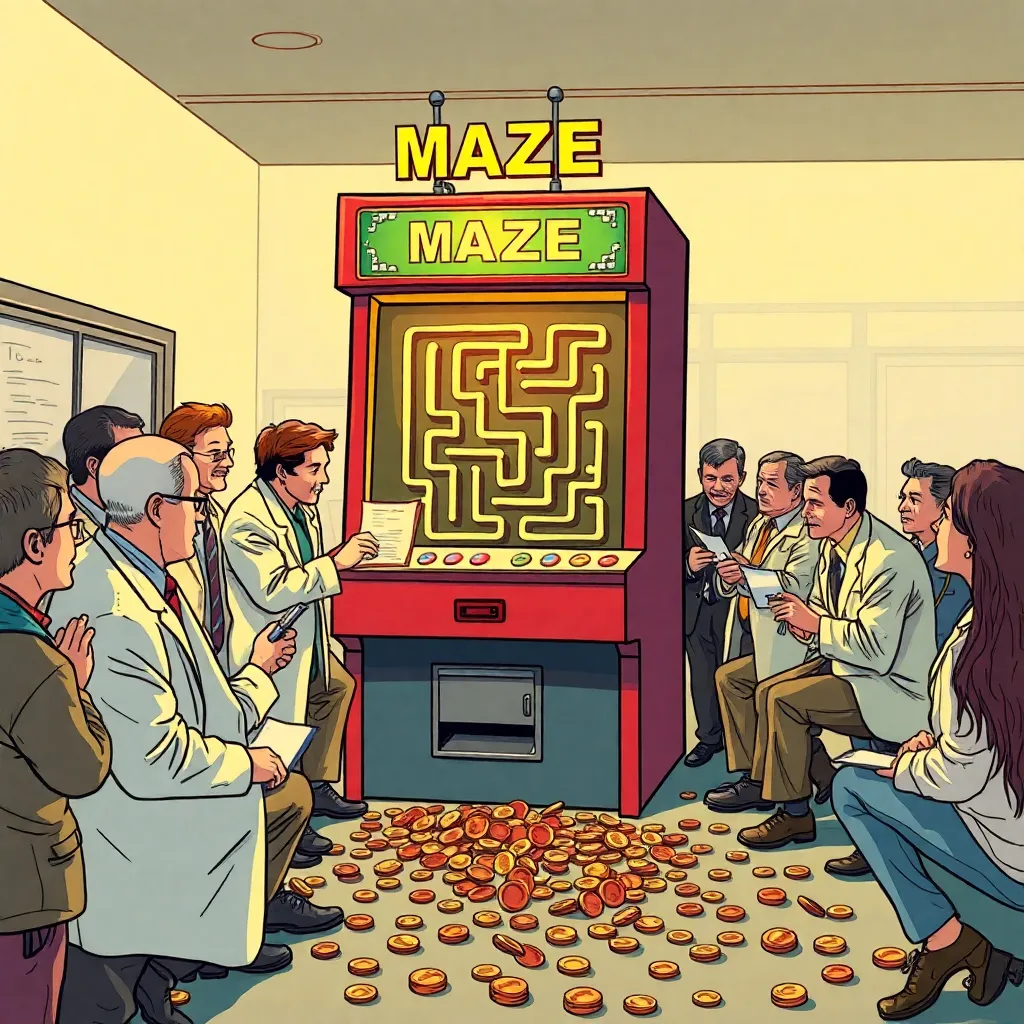
At press time, experts urged compassion, patience, and evidence-based care, while also confirming that if anyone says, “I don’t need sleep, I’ve got a power pellet,” that is not, medically speaking, a reassuring development.