The Unspoken Truth Behind *Body Swapping 2*: Hollywood’s Bold New Plan to Recycle Souls, Not Scripts
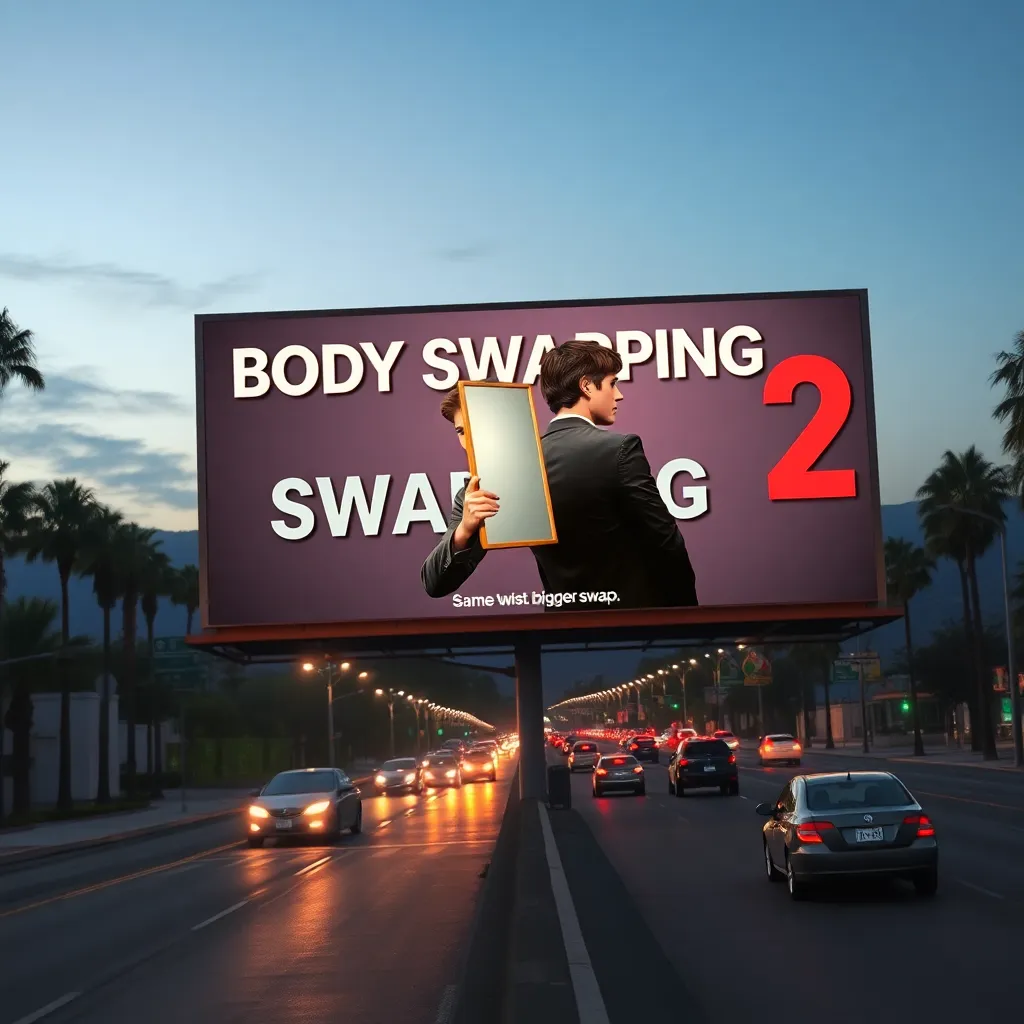
LOS ANGELES—After decades of cinematic innovation in which two people switch bodies, learn empathy, and then return to their own lives with a renewed appreciation for personal boundaries and moisturiser, Hollywood has finally done the unthinkable: it has greenlit a sequel.
Yes, Body Swapping 2 is officially happening, and insiders claim the film’s “shocking new twist” is that it’s “the same twist,” only louder, shinier, and legally distinct enough to avoid being sued by every other body-swap film released since the invention of trousers.
But behind the cheerful press release about “doubling down on heart” and “expanding the swapping universe,” a darker, unspoken truth has begun to surface: the body-swap sequel isn’t being made because audiences demanded it. It’s being made because Hollywood has discovered that swapping bodies is cheaper than swapping ideas.
A Sequel Nobody Asked For, Brought to You by Everyone’s Fear of Originality
The original Body Swapping (which, depending on your memory, could be a specific film or the entire concept of cinema from 1988 to present) followed the classic format: two characters—often an overworked adult and a chaotic youth—wake up in each other’s bodies, scream at mirrors, accidentally become better at each other’s jobs, learn a life lesson, and then return to normal just in time to avoid dealing with the paperwork.
The sequel, producers promise, will “raise the stakes.”
In Hollywood, “raise the stakes” is a technical term meaning:
add a third body,
introduce a talking animal,
include a montage with a licensed song from 2009,
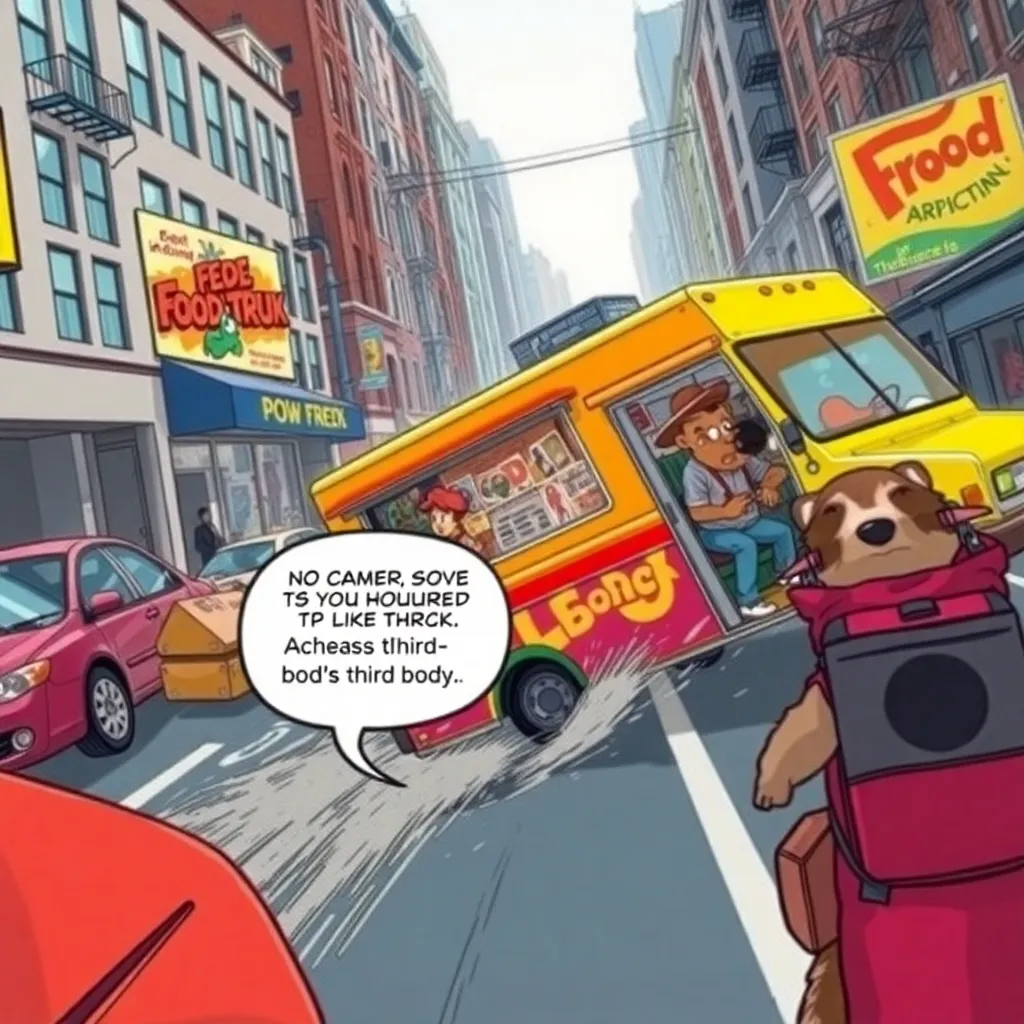
and replace the emotional climax with a chase scene involving a food truck.
One studio executive, speaking on condition of anonymity because he was not authorised to reveal that he is technically three executives in a trench coat, described the sequel as “a fresh take on a beloved premise.”
“It’s not just a body swap,” he explained. “It’s a brand swap.”
The Real Reason Body Swapping 2 Exists: The IP Can’t Swap Itself
In early development meetings, writers reportedly attempted “new angles,” including “what if the bodies don’t swap back” and “what if they swap into a family of raccoons.” Both were rejected for being “too interesting” and “not aligned with the four-quadrant empathy pipeline.”
Instead, the studio settled on the most proven approach: make the same movie again, but this time the characters will also have to deal with:
social media,
a minor misunderstanding that could be resolved by a 12-second conversation,
and the ever-present terror of being seen in a towel.
A leaked page of marketing notes describes the sequel’s tone as: “Classic, but with phones.”
The notes also include three bullet points under “Key Themes”:
Walking in someone else’s shoes (and then panicking because you can’t find your own),
Understanding differences (through prolonged identity theft),
Personal growth (via magical HR violation).
Industry Experts Confirm: Body-Swapping is the Only Remaining Form of Character Development
Dr. Celia Harrow, professor of Narrative Economics at the University of Greater Burbank, says body-swapping has become essential because modern scripts have “run out of organic ways for characters to learn anything.”
“Historically, characters changed through hardship, reflection, or consequences,” Harrow said. “Now they change when a mysterious object forces them to experience being a middle-aged dentist for 48 hours. It’s basically therapy, but with fewer safeguards and more slapstick.”
When asked why the sequel is happening now, Harrow didn’t hesitate.
“Studios have discovered that audiences will accept literally any plot as long as it involves someone yelling, ‘Why do I have your butt?!’” she said. “And the butt market is very strong.”
The Unspoken Truth: The Swap Isn’t Between Characters—It’s Between You and Your Money
While promotional interviews have focused on “heart” and “hilarity,” consumer advocates are warning that the true body being swapped in Body Swapping 2 is the audience’s wallet.
According to financial analysts, sequels offer a rare opportunity to monetise nostalgia without the burden of delivering novelty. The strategy is simple:
Remind viewers they once enjoyed a thing.
Recreate that thing with minor cosmetic changes.
Charge them for the privilege of noticing what’s missing.
“It’s like renting your own childhood back,” said entertainment analyst Ron Feldspar. “But your childhood now has product placement for an electric SUV.”
Feldspar added that the studio is already negotiating partnerships with wellness brands to produce tie-in merchandise, including:
“Swap Your Life” journals,
“Who Am I Today?” face masks,
and a limited-edition candle scent called Identity Crisis, described as “notes of citrus, denial, and faint panic.”
Sources Reveal Plot Details, Including the Bold New Choice to Add… More Swapping
Though official plot details remain under wraps (because the studio fears the public might discover the plot), multiple sources have outlined the general arc:
Two characters swap bodies.
They learn each other’s routines.
They ruin each other’s relationships.
A third person gets swapped in due to “complications.”
Everyone learns a lesson about empathy that could have been achieved through listening.

One source described a scene in which the characters try to reverse the swap by recreating the exact circumstances of the original, including “the same bridge,” “the same lightning,” and “the same suspiciously available fortune-teller who definitely shouldn’t have a business license.”
The sequel reportedly also includes an updated explanation for the body swap, replacing “mysterious magic” with something more contemporary: an app.
The app is called Swäppr, and it has, according to early drafts, “terms and conditions nobody reads.”
“It’s a cautionary tale,” said one producer. “About technology.”
The producer then clarified that the app will not be portrayed as harmful enough to threaten sponsorship deals.
Actors Preparing for the Most Difficult Role of Their Careers: Pretending to Be Another Actor
Hollywood’s most celebrated performers are now training intensely to portray each other. This process, known as “acting,” involves studying:
the other actor’s mannerisms,
their posture,
their speech patterns,
and the unique way they pretend not to read reviews.
One acting coach confirmed that the cast is undergoing a rigorous regimen.
“We’ve put them through mirror work, movement training, and deep emotional exercises,” the coach said. “They’ve also been forced to spend 72 hours living as their co-star’s publicist. That’s the real horror.”
Early footage suggests the performances will include:
exaggerated swagger to indicate masculinity,
exaggerated neatness to indicate femininity,
and at least one moment where a character discovers they have a different hairstyle and reacts as though they’ve woken up on Mars.
Asked about concerns that body-swap comedies often rely on stereotypes, the studio issued a statement assuring audiences the film would be “updated for modern sensibilities,” meaning the stereotypes will be delivered with a wink and a curated playlist.
The Emotional Core: A Profound Message Delivered via Bathroom Humor
Studio insiders insist Body Swapping 2 has a “deeper emotional core,” which is Hollywood code for “the trailer will include one soft piano note.”
The message, apparently, is that people should appreciate each other’s struggles—an idea the film will explore primarily through scenes of someone attempting to pee standing up, and failing in a way that suggests the writer has never encountered a human body.

But the truly unspoken truth isn’t about the message. It’s about what body-swap sequels represent in 2026:
A world where empathy is so rare we can only imagine it happening through supernatural intervention.
“Body swapping is the fantasy,” said Dr. Harrow. “Not the magic. The fantasy is that someone powerful might briefly experience what it’s like to be someone else—and then actually change.”
She paused.
“Of course, in the films, they change just enough to become slightly nicer, but not enough to support systemic reform. That would be unrealistic.”
The Franchise Future: Body Swapping 3 Already in Talks, Because Time is a Flat Circle in Someone Else’s Body
Perhaps the most alarming revelation: Body Swapping 2 is not intended to be the end.
The studio has reportedly registered trademarks for:
Body Swapping 3: Global Exchange
Body Swapping: The Series
Body Swapping: The Musical (tagline: “Tonight, we’re all somebody else!”)
and an “interactive experience” where fans can swap bodies with a QR code, a waiver, and a small processing fee.
When asked if Hollywood has any original ideas left, one executive responded with a confident nod.
“Absolutely,” he said. “What if—hear me out—two people swapped bodies… but this time? It’s at Christmas.”
What We’re Not Saying Out Loud: The Sequel Is About Us
In the end, the unspoken truth behind Body Swapping 2 is simple: we keep buying tickets to watch people learn lessons we already know, because it’s comforting to believe change can happen quickly, neatly, and in under two hours.
It’s reassuring to think the hardest part of understanding each other is just a magical accident away.
And it’s comforting, too, to see characters return to their own bodies at the end—restored, refreshed, and improved—because it implies there’s always a reset button.
Which is, of course, the one thing the real world doesn’t have.
Hollywood, however, does.
It’s called a sequel.
And if Body Swapping 2 performs as projected, we may all be spending the next decade watching the same moral lesson crawl into a different body, stare into a mirror, and scream like it’s never happened before.