Filed Report
The Wibble’s Definitive Tier List of Every Single Word Ever (All of Them, Even the Ones Your Cousin Invented in 2009)
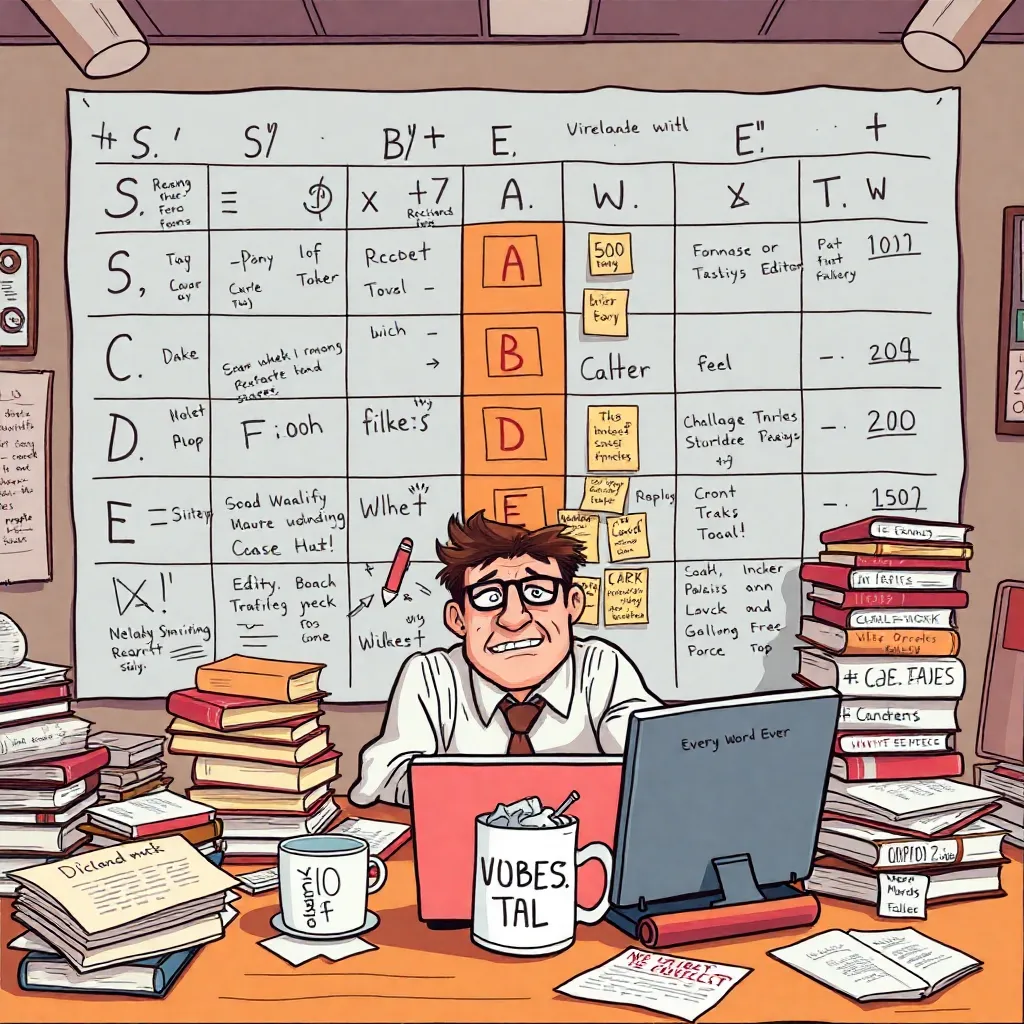
In a landmark moment for human knowledge—and a devastating one for anyone hoping to “finish the internet” and go outside—*The Wibble* has compiled a tier list of **every single word ever**.
Yes, every word: dead languages, living languages, corporate rebrands, toddler inventions, spellings from medieval monks who believed vowels were optional, and that one noise your dad makes when standing up (“hhrrnngk”). They’re all here, meticulously ranked from F-tier to S-tier, using a rigorous methodology known in academic circles as “vibes, mostly.”
We will not be taking questions such as “How did you define ‘word’?” because the answer is “aggressively,” and also “don’t.”
Below is our tier list, organized into tiers, each featuring several notable entries and brief explanations of why they deserve their position in the grand lexiconal hierarchy.
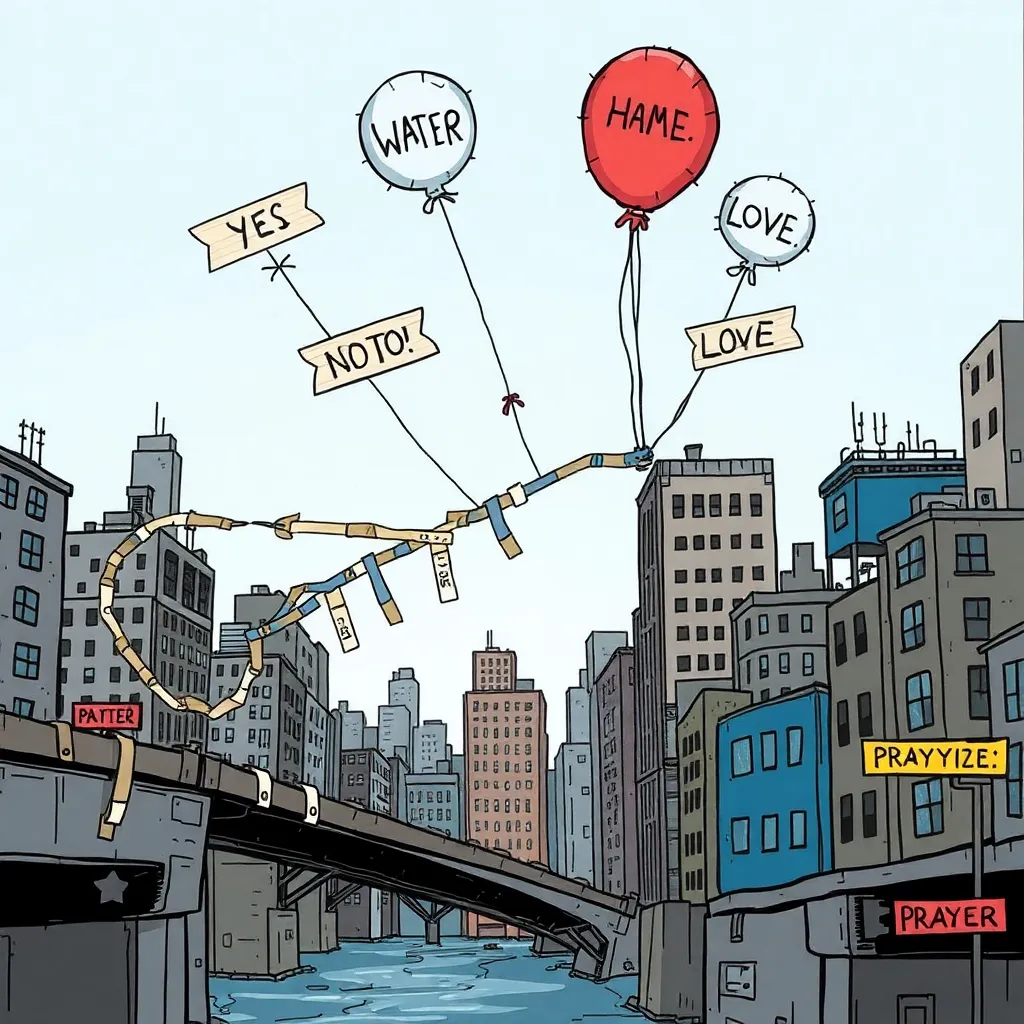
S-Tier: “The Words That Hold Civilization Together With Sticky Tape and Prayer”
These are the words so essential that removing them would cause society to immediately collapse into interpretive dance and pointing.
-
“Yes”
The cornerstone of consent, agreement, and unexpectedly expensive subscriptions. A tiny word that opens doors—sometimes literally, sometimes to a sales funnel. -
“No”
Humanity’s single best defense mechanism. Without “no,” every conversation becomes a hostage negotiation you are losing. -
“Water”
The rare word that is both a drink, a necessity, a verb, and the reason your phone stopped working after “just a quick rinse.” -
“Please”
Social lubricant. Turns “Give me that” into “I am a person who was raised among others.” -
“Home”
Four letters carrying the full weight of belonging, longing, and the urge to immediately take your shoes off and become horizontal. -
“Love”
The word that sells cards, starts wars, ends wars, and keeps poets employed. Inconsistent in practice, devastating in impact.
A-Tier: “Elite Utility Words With Great Mouthfeel”
Not quite foundational, but close. These words do heavy lifting and look good doing it.
-
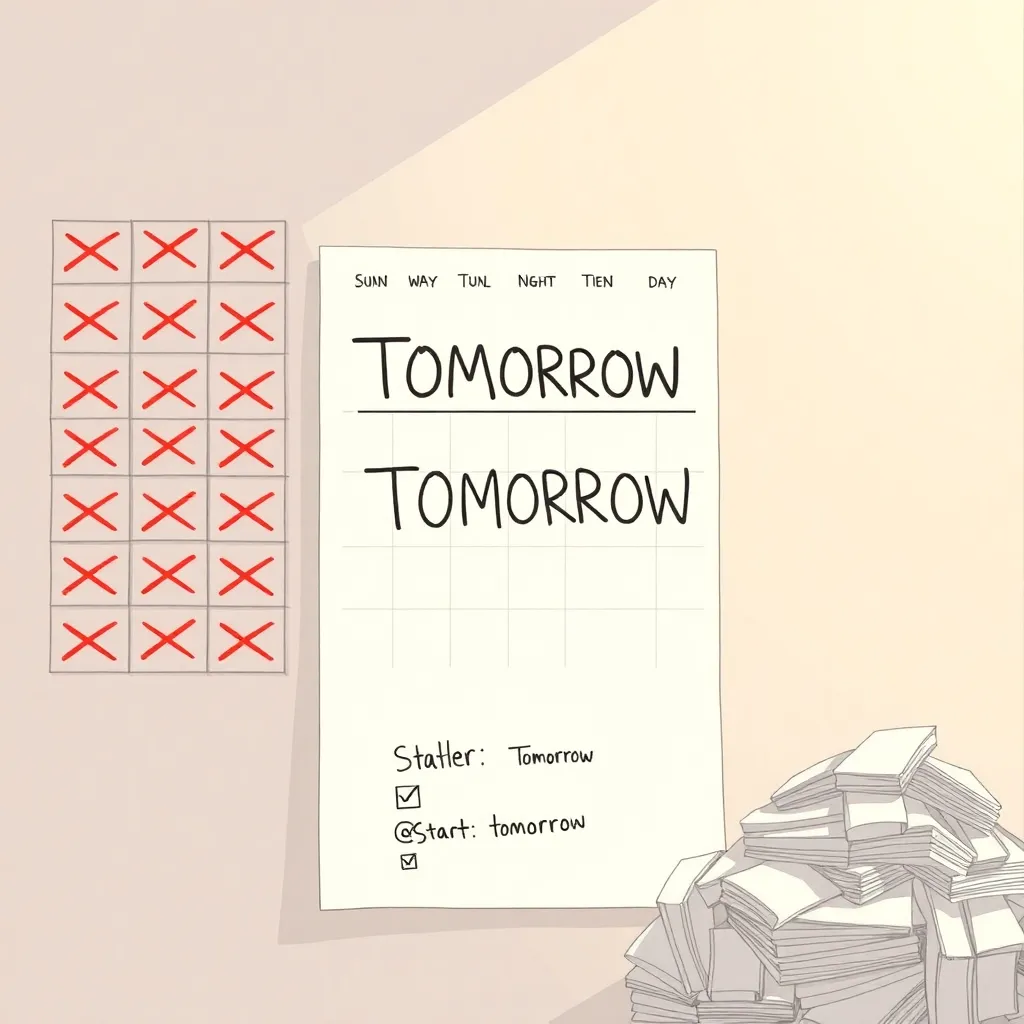
“Tomorrow”
The most optimistic lie we tell ourselves daily. Also the word that built procrastination into an art form. -
“Maybe”
The diplomatic masterpiece. Lets you avoid conflict while still promising nothing, forever. -
“Because”
A structural beam of thought. Without it, explanations devolve into “just because,” which is technically still “because,” but with worse vibes.
-
“Sorry”
A magic spell that sometimes repairs relationships and sometimes just gets you out of an elevator conversation faster. -
“Enough”
A boundary, a philosophy, a warning, and occasionally the title of a deeply personal memoir you should probably not read on public transport. -
“Friend”
Warm, reliable, and now also a button you click on people you’ve never met to watch them sell protein powder.
B-Tier: “Excellent Words, Minor Flaws, Great in a Sentence”
Strong performers. Some have brand issues. Some are overused. Still, respect.
-
“Interesting”
A word that can mean “I am impressed,” “I am horrified,” or “I am ending this conversation politely.” -
“Actually”
Adds confidence to any statement, particularly the wrong ones. -
“Delicious”
A gold standard compliment for food, and a deeply alarming compliment for anything else. -
“Science”
Carries enormous authority, frequently wielded by people who have read two headlines and a shampoo bottle. -
“Adventure”
Inspiring in concept, exhausting in execution. Often begins with “It’ll be fun!” and ends with wet socks. -
“Replaceable”
Brutal honesty packed into a single word. Great for dystopian fiction and corporate performance reviews.
C-Tier: “Functional Words That Show Up, Do Their Job, and Go Home”
These words are the office chairs of language: dependable, unglamorous, and somehow always a little squeaky.
-
“The”
The most common word in English, and proof that even greatness can be boring. -
“And”
A linguistic duct tape. Holds everything together. Sometimes holds too much together. -
“Thing”
The all-purpose substitute for nouns when your brain is buffering. -
“Very”
Intensifier with diminishing returns. The more you use it, the less it means, like “limited edition.”
-
“Nice”
The polite nothingburger. Not an insult, not a compliment, just a verbal nod and a quick exit. -
“Okay”
The word that means “fine,” “not fine,” “we need to talk,” and “I have accepted my fate.”
D-Tier: “Problematic Faves and Words That Need Supervision”
Not evil. Not useless. Just… the kind of words you keep an eye on at family gatherings.
-
“Literally”
Once meant “in a literal sense.” Now also means “emotionally,” “figuratively,” and “I’m trying to win the drama Olympics.” -
“Whatever”
The verbal equivalent of slamming a door without moving. -
“Influencer”
A word that began as a job title and ended as a weather event that makes brands lose money. -
“Synergy”
Corporate incense. Smells like a meeting that could have been an email that could have been nothing at all. -
“Moist”
An objectively useful word that has been bullied by the internet into a permanent reputation crisis. -
“Should”
A tiny word with a massive guilt budget. Often appears right before someone starts spiraling.
E-Tier: “Words That Technically Exist, Like That Drawer Full of Cables”
These words have a purpose, but that purpose is usually “to show off,” “to confuse,” or “to fill a crossword grid.”
-
“Utilize”
“Use,” but with a tie and a clipboard. Adds syllables, subtracts joy. -
“Irregardless”
The linguistic equivalent of arriving uninvited and insisting you were always part of the plan. -
“Henceforth”
Sounds important, but mostly used to announce rules nobody will follow. -
“Webinar”
A word that perfectly captures the bleakness of its own experience. -
“Bespoke”
Once meant “custom-made.” Now means “more expensive, for reasons.”
- “Paradigm”
A word that is always “shifting,” usually in PowerPoint.
F-Tier: “Words and Word-Adjacent Crimes Against Humanity”
These are the lexical offenders. Some are unnecessary. Some are cursed. Some are what happens when language gets left alone with venture capital.
-
“Supposably”
A word that sounds like it was invented by a tongue wearing mittens. -
“Conversate”
Like “converse,” but with extra syllables and a faint odor of trying too hard. -
“Unalive”
A euphemism born from platform moderation, now wandering the earth like a haunted substitute teacher. -
“Nucular”
Not a word so much as a test of whether you’ve ever seen the word “nuclear” written down. -
“Adulting”
A term that makes responsibility sound like a mobile game with in-app purchases. -
“Problematic” (when used as a blanket label)
Once a useful descriptor, now frequently deployed as a conversational smoke bomb: “This is problematic.” (No elaboration. Vanishes into mist.)
Important Note on “Every Word Ever”
We recognize some readers may be concerned that the tier list above does not appear to include:
- every word in every language,
- every slang term,
- every technical term,
- every historical spelling variant,
- every noise that becomes a word if you say it confidently enough.
To those readers we say: it does. They’re just all placed in a special invisible tier called “Schrödinger’s Appendix,” which both exists and does not exist until a linguist opens it, at which point it immediately expands to the size of a small galaxy and destroys the budget.
Closing Thoughts: The Great Ranking, and What It Means for Us All
Ultimately, ranking “every word ever” is less a project and more a state of mind, like mindfulness, except instead of breathing, you’re arguing whether “goblin” is A-tier (it is) and why “synergy” keeps getting invited back.
Words are tools. Words are weapons. Words are weird little mouth-sounds we use to transfer dreams, threats, recipes, and passive aggression across time and space.

And if you disagree with our rankings, we respect your opinion and have placed it in D-tier under “Interesting.”
Published by The Wibble. Corrections will be issued tomorrow, a word which remains—despite everything—A-tier.
Public Response
Comments
No comments yet.