Trump Announces $1-Per-Watt Sunlight Tariff, Dawn Scrambles to File Customs Paperwork
In a Rose Garden press conference conducted entirely under a very aggressive patio umbrella, Donald Trump today unveiled what aides are calling "the most beautiful border policy ever attempted against a star," declaring that all sunlight entering the United States will now be subject to a $1 per watt tariff.
"Other countries have been sending us their sunlight for years," Trump said, squinting at the horizon as if personally confronting the concept of morning. "We have tremendous sun, but it's not our sun when it comes over from somewhere else. Mexico gets it first. Canada gets leftovers. Frankly, we've been treated very unfairly by the sky."
Within minutes, markets convulsed, roosters froze mid-scream, and several billion photons reportedly hovered over the Atlantic awaiting guidance from legal counsel.
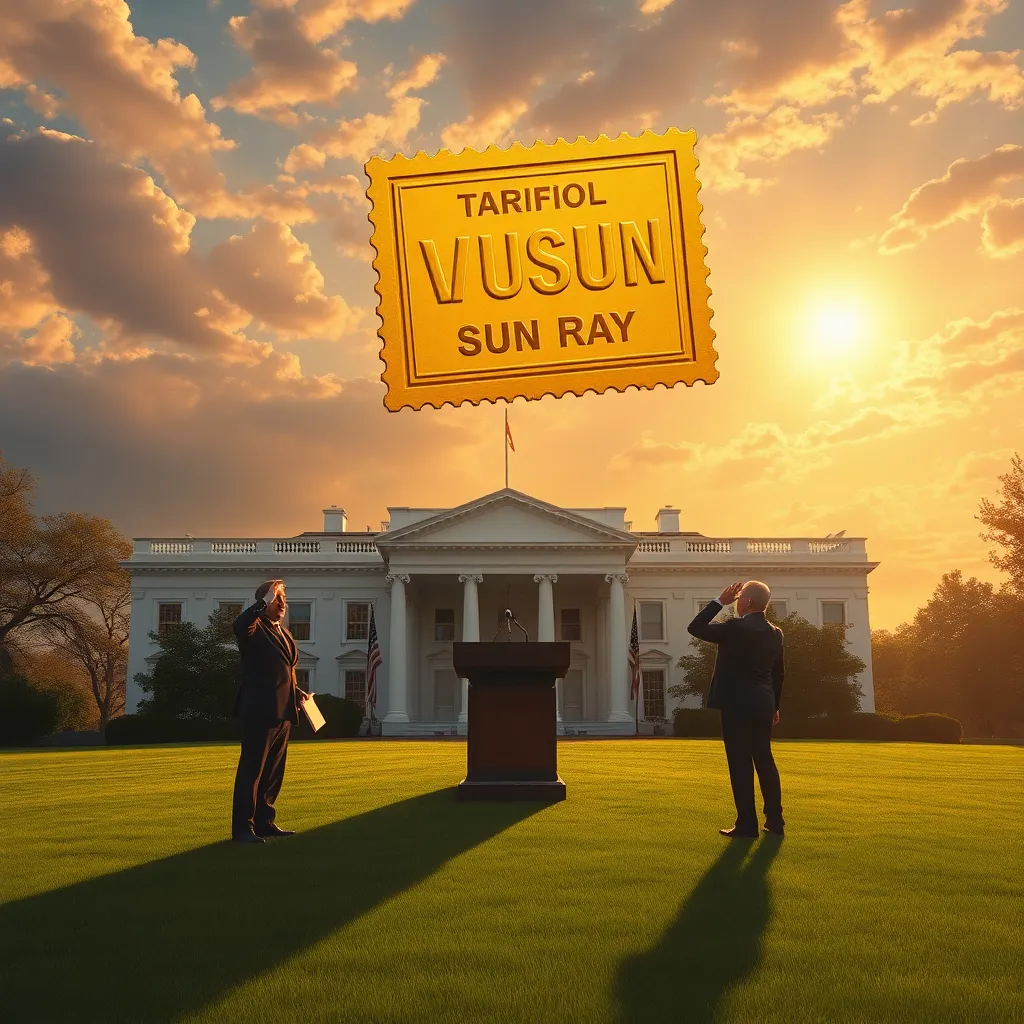
The policy, formally titled the Radiant Fairness and Sovereign Brightness Act, imposes a flat fee on every watt of sunlight crossing into American airspace. Administration officials say the tariff will be collected at "designated ports of entry," a phrase that immediately raised troubling questions about whether dawn itself now requires a passport.
Customs and Border Protection has already begun deploying inspectors along the East Coast armed with clipboards, reflective vests, and an expression usually reserved for people discovering a raccoon in the pantry. In Florida, agents erected temporary sunlight inspection tents on beaches, where confused vacationers watched officials attempt to weigh sunshine in plastic bins.
"We're not anti-light," one senior official clarified. "We're pro-fair light. There's a difference. If sunlight wants access to the American consumer, it needs to pay like everybody else. Steel pays. Cars pay. Mangoes pay. It was only a matter of time before the giant flaming plasma sphere over all terrestrial life got its number called."
Scientists, who had been enjoying a fairly quiet week for once, were then dragged before cameras to explain whether sunlight technically "enters" the country or simply arrives as part of the existing architecture of reality. Their answers were dismissed as elitist.
At the National Weather Service, forecasters hastily revised tomorrow's outlook from "mostly sunny" to "partly litigated."
Wall Street responded with its traditional poise and dignity by collapsing into a decorative heap. Solar companies plunged at the opening bell, candle manufacturers surged, and blackout-curtain futures hit an all-time high. Shares in flashlight firms rose so fast traders were briefly visible from space, though only in untaxed regions.
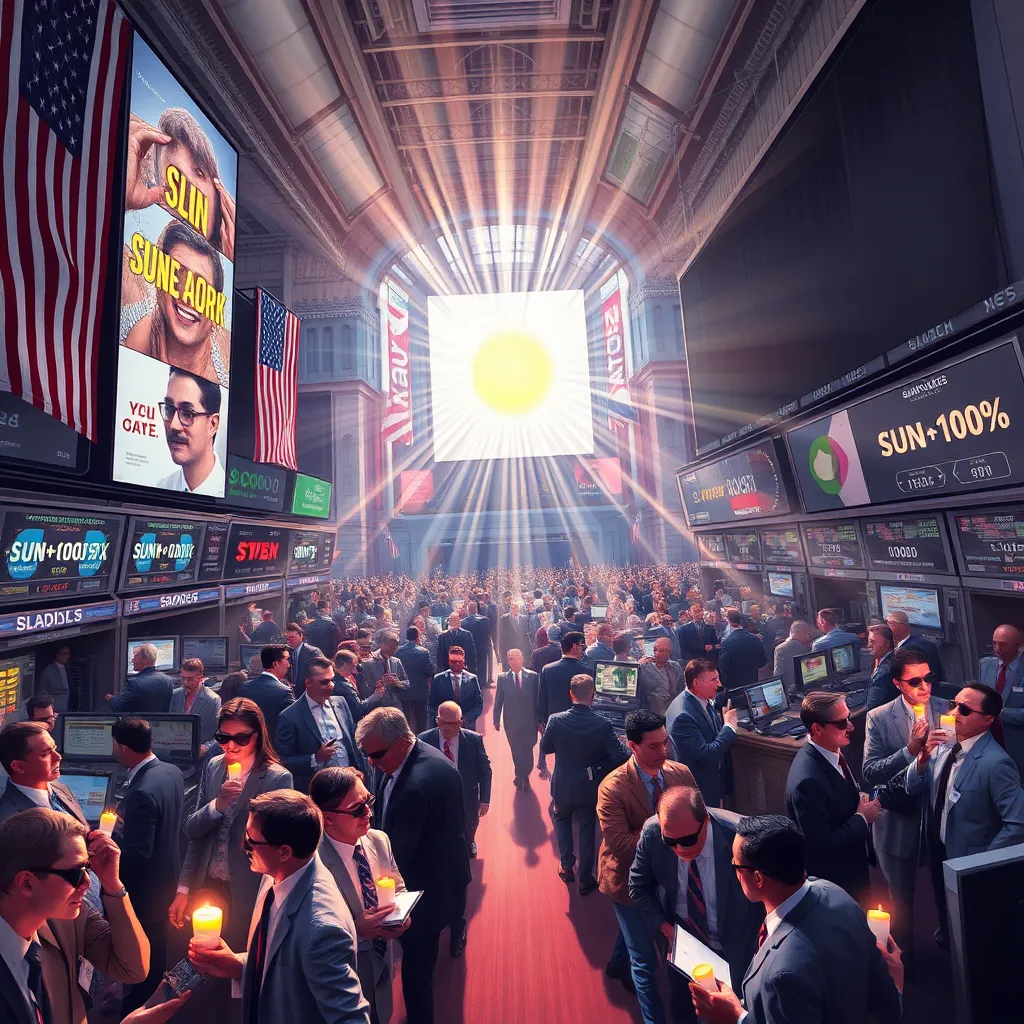
The administration insists the tariff will revive domestic light production. Speaking from a podium emblazoned with the slogan AMERICA FIRST, THEN MORNING, Commerce advisers argued that unfairly cheap foreign sunshine has devastated local illumination industries.
"For too long," said one adviser, "hardworking American lamps have been forced to compete with dumped daylight. We are finally leveling the playing field for brave domestic bulbs, patriotic desk lights, and the little refrigerator bulb that comes on every time someone stands there deciding nothing."
Manufacturers have already moved to capitalize. One Ohio startup announced a line of "100% American-grown artisanal darkness" for consumers hoping to avoid surprise light levies. Another company in Texas unveiled a premium subscription service offering tax-free illumination generated by 4,000 interns pedaling stationary bikes around a chandelier.
The international response was swift. China accused Washington of "weaponizing astrophysics." The European Union threatened retaliatory tariffs on American moonlight. Britain, eager not to be left out of any administrative confusion, announced a special committee to determine whether fog counts as light in spirit.
In a move analysts described as "unhelpfully celestial," the Sun itself declined formal comment but did release a statement through a shimmering patch on a pond saying it has "always operated under a policy of indiscriminate radiance" and "will not be drawn into bilateral disputes with one of the wetter planets."
Mexico rejected claims that it was "transshipping" sunlight across the border and called the accusations "deeply irresponsible, especially from a nation currently standing in it."
Meanwhile, ordinary Americans faced the practical implications of the policy. Across the country, families rushed to close blinds before dawn to avoid accidental imports. Homeowners asked whether skylights would now require bonded warehouses. Parents attempted to explain to children why playing outside could trigger an invoice from the Department of the Treasury.
At one elementary school in Arizona, recess was postponed after a hall monitor reported a suspiciously bright patch of unauthorized sunshine near the swings. In Nevada, casino operators announced they would continue their long-standing policy of not allowing patrons to know what time it is, now citing tariff compliance.
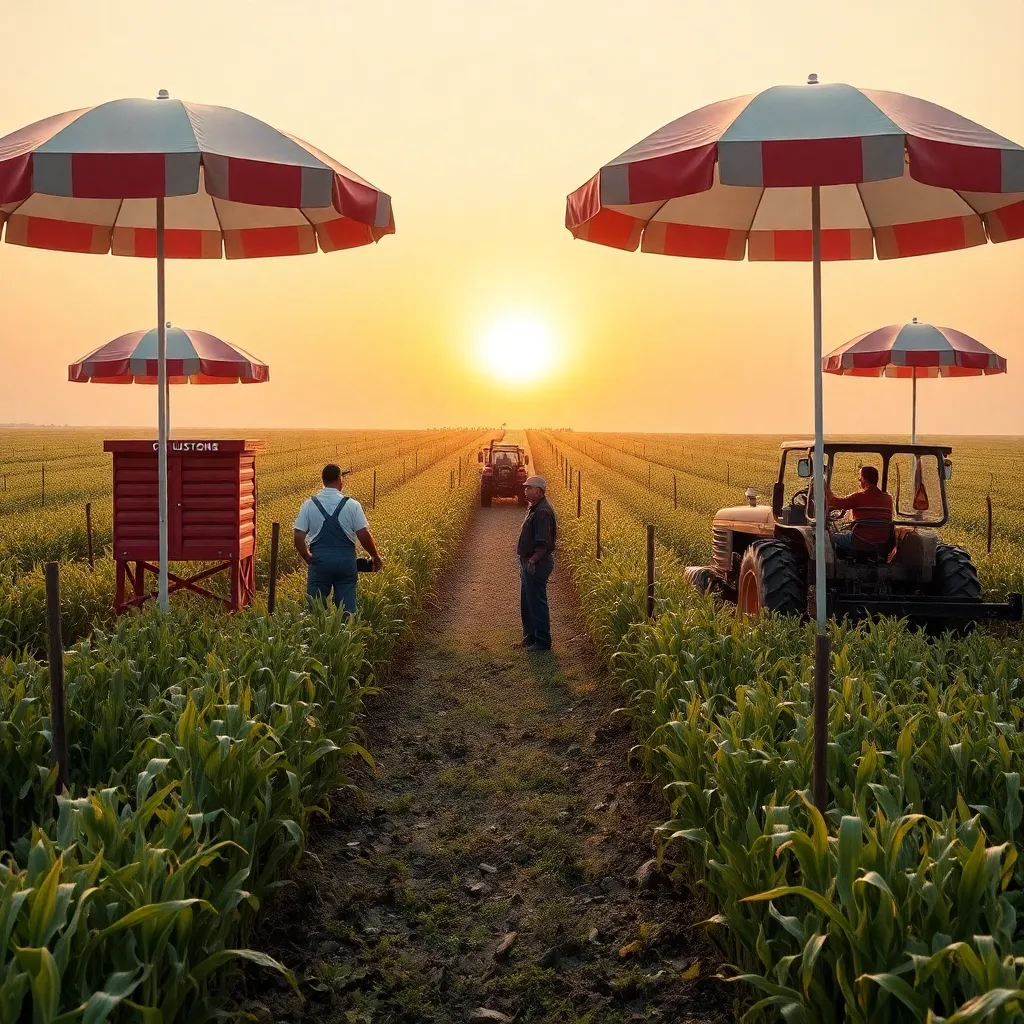
Farmers were particularly alarmed. Representatives from major agricultural states gathered in Washington demanding exemptions for crops, after someone at the Department of Agriculture was forced to answer whether corn would now be considered a "light-intensive luxury import." Negotiations reportedly became tense when an official suggested replacing daylight with "economically competitive lantern rows."
Legal scholars say the tariff is likely to face immediate challenges, though several admitted this is the first time in their careers they have had to research whether a sunrise can be subpoenaed. One constitutional expert called it "a fascinating test of executive power and, more importantly, whether anyone in government has looked out a window lately."
The White House remains undeterred. Officials are reportedly exploring complementary measures including a quota on imported breezes, a strategic reserve of twilight, and anti-dumping duties on the moon for repeatedly flooding the nighttime market with subsidized glow.
Asked whether Americans should expect higher summer bills, Trump was upbeat.
"Maybe for a little while," he said. "But then we're going to have so much beautiful domestic darkness, you won't believe it. The best darkness. Jobs in darkness. Strong darkness. We used to make darkness in this country. Now we just let the sun come in for free. Sad."
At press time, dawn had been delayed by 37 minutes while lawyers argued at a checkpoint in Maine over whether the first rays qualified as commercial or personal-use light.