Brothers Discover Unconventional Bonding Technique: Bullying Each Other Until They Become Emotionally Fluent
WIBBLETOWN, UK — In a breakthrough that has already been hailed as “deeply concerning but undeniably efficient,” local brothers Liam and Connor Hargreaves have reportedly strengthened their relationship through an unconventional bonding ritual experts are describing as mutual, consensual, tightly scheduled bullying with post-insult debriefs and hydration breaks.
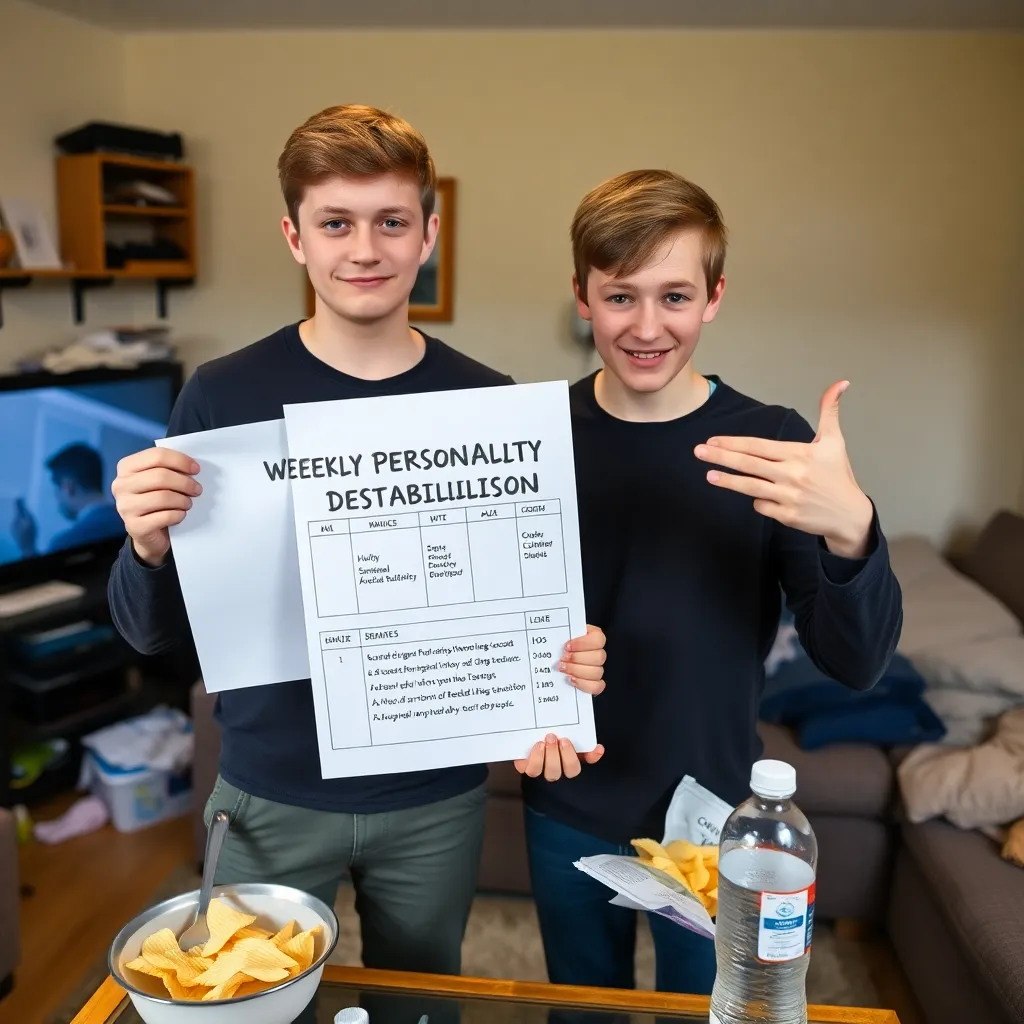
The pair, aged 16 and 18, say their method began organically after a family movie night escalated into a dispute about which superhero “would obviously win” and concluded three hours later with a laminated rota titled: “WEEKLY PERSONALITY DESTABILISATION (WITH SNACKS)”.
“We tried normal brother stuff,” said Liam, the younger sibling, while carefully reapplying deodorant “to ward off Connor’s comments.” “Video games. Sharing crisps. Talking. But nothing built trust like telling him his haircut makes him look like a Victorian chimney sweep who’s been promoted to middle management.”
Connor nodded. “You can’t buy that kind of honesty. You have to hurl it at someone you love.”
The New Intimacy: Weaponised Familiarity, Now With Structure
Unlike traditional bullying—typically defined by repeated, unwanted, harmful behaviour involving a power imbalance—the Hargreaves’ approach is presented as something else entirely: a strange domestic hybrid of roasting, therapeutic truth-telling, and competitive sibling rivalry held together by a shared understanding that nobody else is allowed to do it.
Their mother, Denise, initially mistook the practice for “a crisis” but later acknowledged it appeared to come with rules.
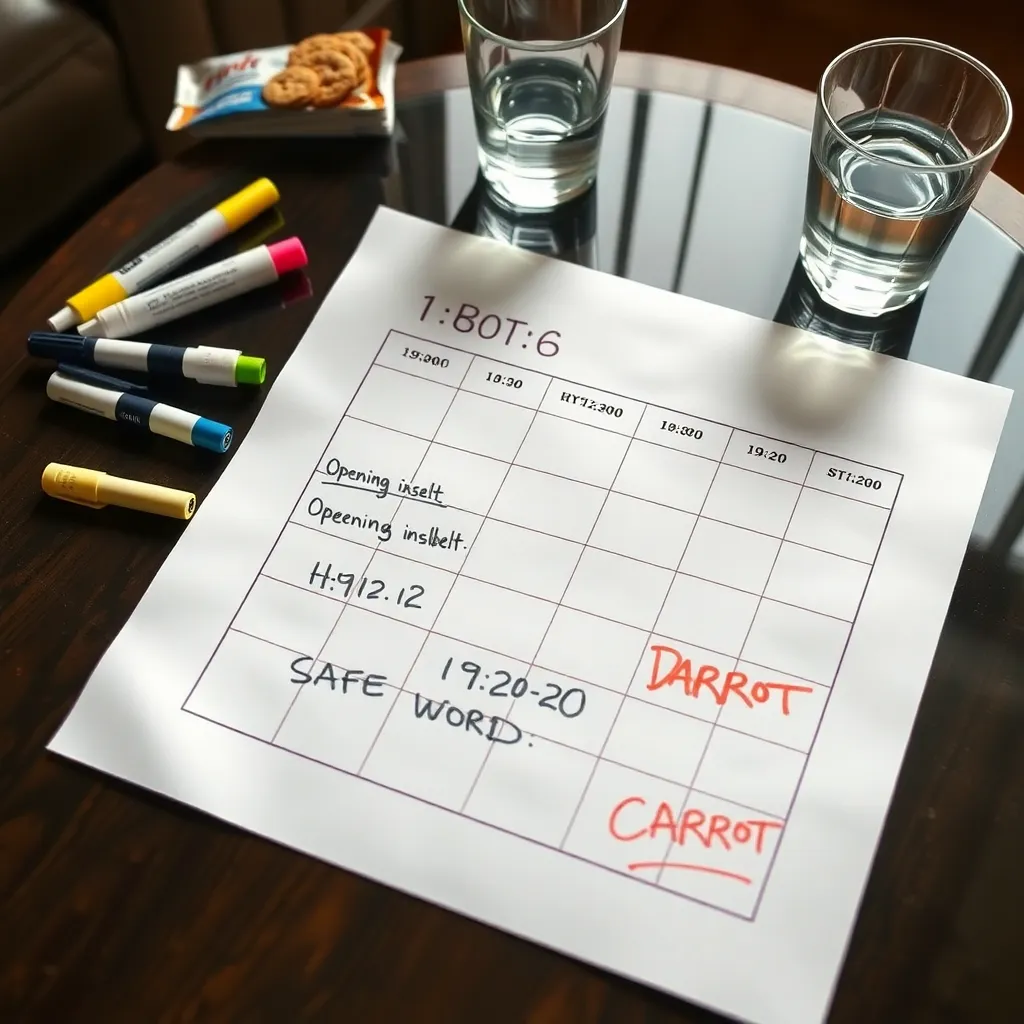
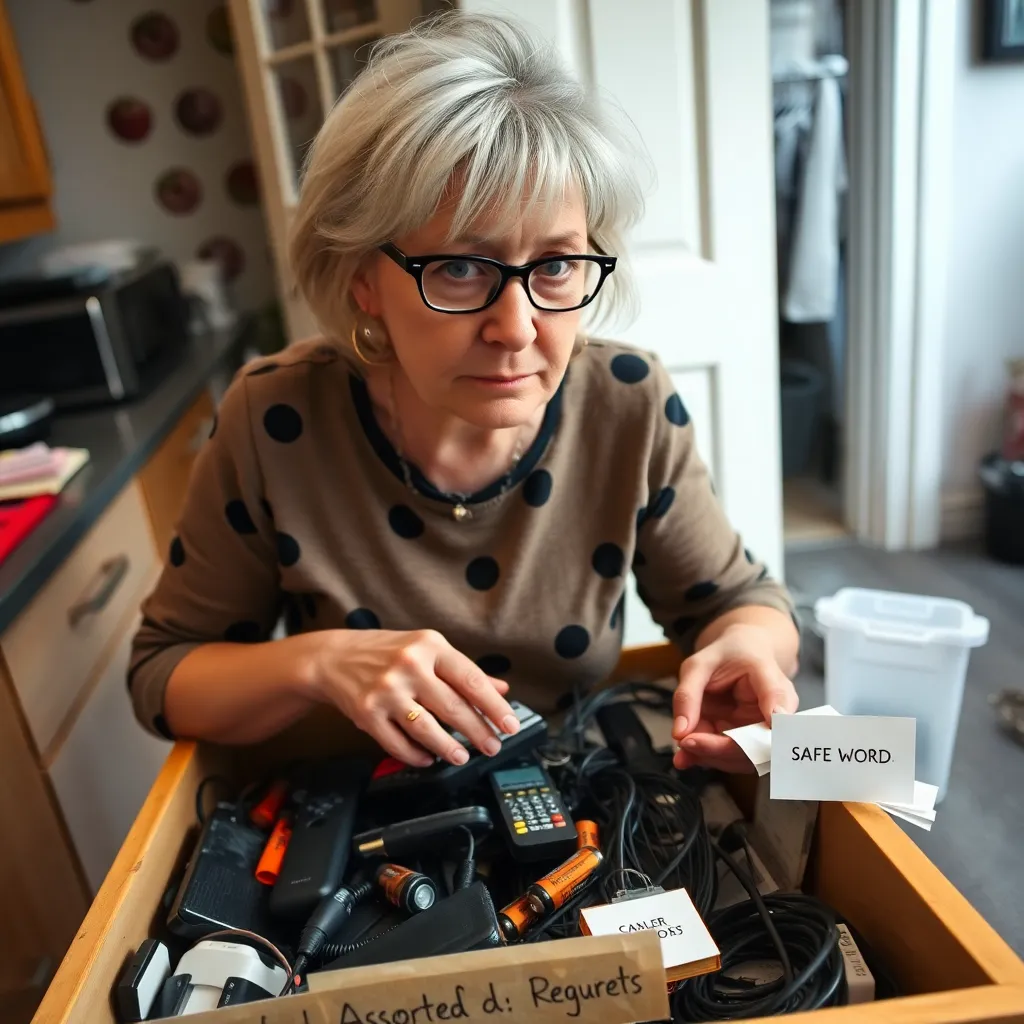
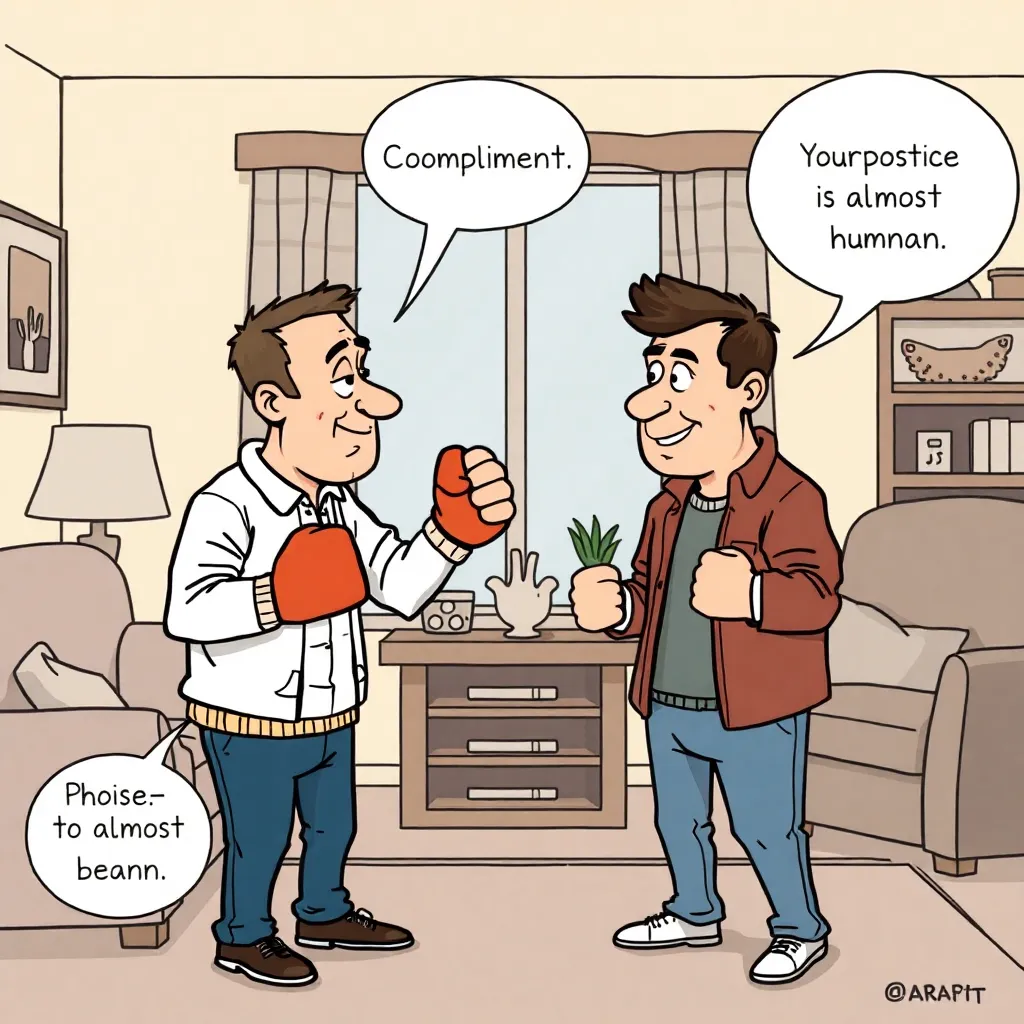
“They have a safe word,” she said, rifling through a drawer labelled Assorted Cables and Regrets. “It’s ‘carrot.’ If one of them says carrot, the other must immediately switch to compliments, like ‘Your posture is almost human’ or ‘You’d be very handsome if I were legally blind.’”
The system, she added, is “somehow the healthiest thing happening in this house, and I once started a sourdough phase.”
Schools Attempt to Respond With a Flowchart and a Well-Meaning Assembly
Local schools, hearing rumours of “brothers bullying each other to grow closer,” have scrambled to address what they fear is a dangerous trend, especially among students who are already adept at turning any guidance into a meme.
Headteacher Elaine Frobisher of Wibbletown Comprehensive called an emergency staff meeting after several pupils submitted requests to start a lunchtime club.
“They wanted to call it ‘Insults & Insights,’” Frobisher said, still visibly haunted. “They claimed it was ‘basically mindfulness but louder.’ One boy handed me a permission slip signed by his dad that just said ‘lol.’ That’s not consent. That’s a cry for help.”
The school has since issued new guidance clarifying that:
“Bullying is not bonding.”
“Bonding is not bullying.”
“If you are unsure which is which, do not proceed.”
“A ‘safe word’ does not automatically make calling someone ‘a haunted toothbrush’ appropriate in Maths.”
An assembly aimed at promoting kindness reportedly ended early after a Year 10 student asked whether “positive affirmations count as emotional cheating.”
Experts Weigh In: “This Is Either Growth or the Collapse of Society”
Social psychologist Dr. Priya Malvern explained that sibling relationships can involve teasing and conflict, which can be normal—in small doses, with mutual respect—but warned against romanticising cruelty as character-building.
“There’s a cultural myth that harshness makes people stronger,” Malvern said. “Sometimes it just makes people anxious and good at laughing when they feel threatened.”
Asked about the Hargreaves’ structured insult exchange, Malvern paused.
“Look,” she said, “if it’s truly mutual, genuinely wanted, and stops when one person says stop, it’s closer to ‘banter’ than bullying. But the moment one brother is dreading it, or it becomes public, or it targets vulnerabilities rather than silly habits—then it’s harmful.”
She added, “Also, I can’t believe I’m saying this, but I’d like to see their safeguarding documentation.”
The Brothers Release Their “Code of Conduct,” Immediately Weaponised By the Internet
When word of the ritual spread, the brothers posted their “rules” online in an attempt to prevent copycats from using it as an excuse to be awful. This was a mistake, because the internet is a machine that converts nuance into confetti.
Their code included:
You can’t start unless both people agree.
No insulting things the other person can’t change quickly (e.g., body, disability, identity, trauma).
No doing it in front of other people (public humiliation is not bonding).
Compliment cool-down: end with two sincere positives.
If someone says stop, you stop. Immediately.
No “it’s just a joke” as a defence. A joke is only a joke if it lands.
Within hours, commenters had adapted it into a viral “How To Bully Responsibly” thread, prompting platforms to intervene with a new content label: “This is not what this is for.”
Meanwhile, a self-proclaimed influencer posted a video titled “I NEGGED MY LITTLE BROTHER INTO CONFIDENCE (EMOTIONAL PRANK)”, which experts confirmed was “a perfect demonstration of how people will ruin anything.”
Parents’ Groups Demand Clear Distinction Between Banter and Harm
At a meeting of the Wibbletown Parent-Teacher Alliance, debate grew heated as parents tried to identify the line between normal sibling teasing and something requiring intervention.
One parent said, “My boys call each other ‘goblin’ affectionately.”
Another replied, “Mine call each other ‘failure’ competitively.”
A third quietly asked whether it was “bad” that her twins only communicate via sighing and WhatsApp reactions.
The group eventually agreed on a single universal indicator: if someone asks you to stop and you don’t, it’s not bonding—it’s bullying.
They then argued for forty minutes about whether “stop” counts if it’s said while laughing.
The Bullies’ Union Issues Statement: “Please Stop Calling This Bullying”
In a surprising turn, actual bullies have reportedly taken issue with the brothers’ method, claiming it “waters down the brand.”
A spokesperson for the unofficial Bullies’ Union, speaking from behind a hedge, said: “Real bullying is about power, control, and making someone feel small. This is… friendship admin. Don’t put that on us.”
They then demanded a return to “the classic model” involving theft of lunch money and an unclear but ominous relationship with the word “swirly.”
A New National Campaign: “Don’t Roast Down”
In response, a national anti-bullying charity has launched a campaign encouraging young people to distinguish between mutual joking and harmful behaviour.
The slogan: “Don’t Roast Down.”
The campaign encourages people to ask:
Are both people enjoying it?
Is there a power imbalance?
Is it private or public?
Does it target something sensitive?
Can the person opt out without consequences?
The charity’s director said, “If the answer is ‘no’ or ‘I don’t know,’ choose kindness. It’s not complicated. People just enjoy pretending it is.”
The Brothers Say They’ve Evolved Past Insults, Briefly Try Compliments, Panic
In an exclusive interview, Liam and Connor revealed that after months of structured “bonding bullying,” they attempted a radical new activity: being nice to each other without irony.
“It was terrifying,” Liam admitted. “I said, ‘I’m proud of you,’ and Connor looked like I’d slapped him with a poem.”
Connor confirmed the incident. “I didn’t know where to put my hands. It was too vulnerable. I immediately told him his socks were ‘emotionally loud’ to restore balance.”
The brothers say they now aim for a healthier equilibrium: less sparring, more mutual support, and only light teasing that doesn’t cut.
“Don’t get me wrong,” Connor said. “If he wears that hoodie again, I’m calling the authorities.”
Liam responded, softly, “He cares.”
Editorial Note: Bonding Shouldn’t Require Bruises—Physical or Emotional
Despite the novelty of the Hargreaves’ “consensual insult calendar,” experts agree the safest rule remains painfully simple: if it hurts, if it isolates, if it’s repeated, if it’s unwanted—it’s bullying, regardless of how funny it sounds or how many people laugh along.
And while siblings will always find new ways to push each other’s buttons—often with the precision of a NASA engineer and the compassion of a tornado—the healthiest bonds are built on something more radical than sarcasm:
Respect. Boundaries. And, ideally, a shared agreement never to bring up the time one of you tried to microwave a hard-boiled egg.
The Hargreaves brothers, for their part, say they are optimistic about the future.
“We’re closer than ever,” Liam said.
Connor added, “That’s because I’ve thoroughly mapped his insecurities and now protect them like a dragon.”
Liam nodded. “He bullies me lovingly.”
Connor corrected him. “I support you aggressively.”
They then fist-bumped, argued about the fist-bump technique, and accidentally demonstrated the entire problem with humanity in under two seconds.