Global Emergency Declared After Nation Realizes It Requires More Vespene Gas Than Previously Considered Socially Appropriate
The announcement came at 7:14 a.m., when a trembling official stepped onto a podium made entirely of clipboards and uttered the six words now echoing through living rooms, factories, and suspiciously humming caverns everywhere: we require more vespene gas.
Markets reacted immediately. Traders sprinted across the financial district carrying calculators, hard hats, and vague memories of high school chemistry. Energy analysts, many of whom had spent years confidently discussing barrels, watts, and "synergy," were seen staring into the middle distance as if trying to remember whether vespene gas was measured in liters, morale, or the number of extremely committed workers one can fit into a glowing crater.
In response, the government has unveiled a twelve-point extraction strategy, including emergency geyser zoning, tax incentives for ambitious refinery owners, and the controversial "Adopt-a-Harvester" scheme, in which families are encouraged to sponsor a nervous industrial vehicle and cheer it on as it disappears into a luminous fog bank.
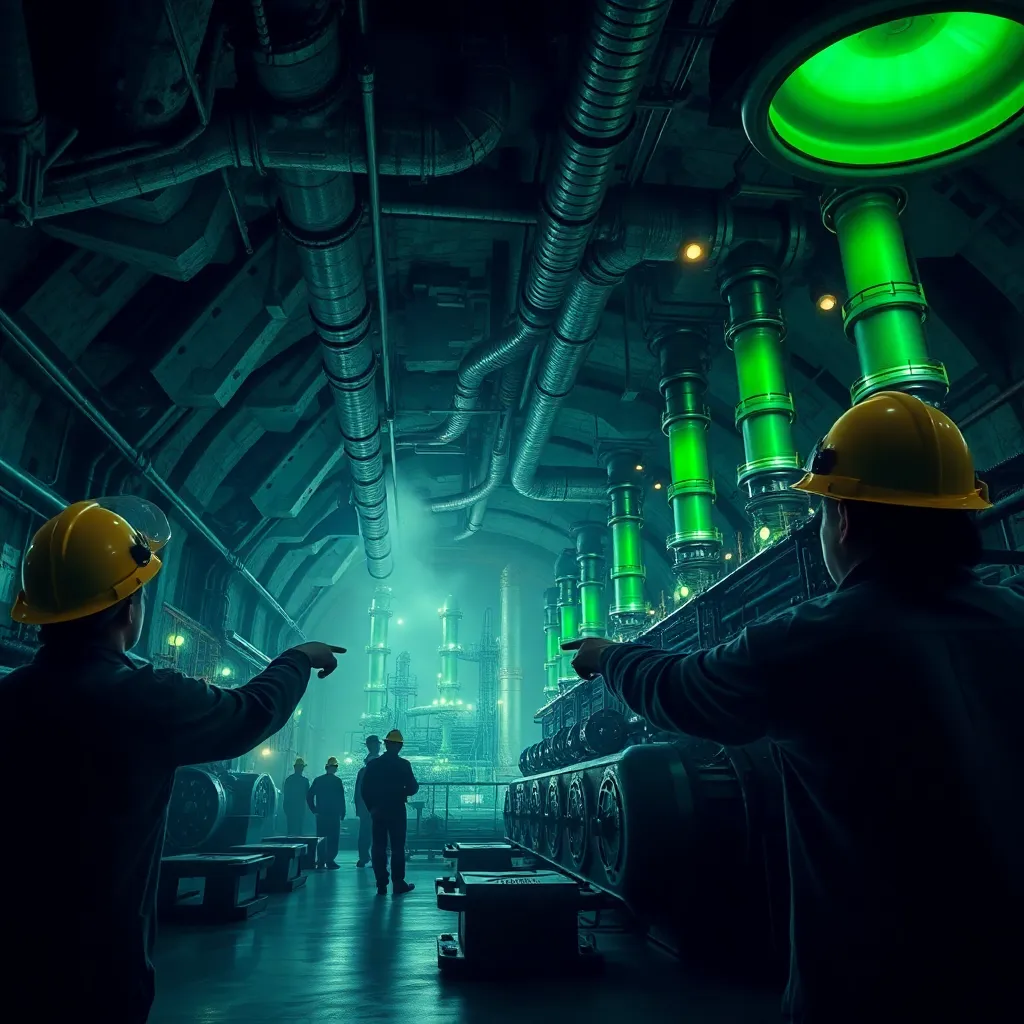
Officials insisted the situation remains under control, although this reassurance was somewhat undermined by the fact that the statement was delivered while three aides unrolled a map labeled Places We Probably Should Have Mined Earlier. The map, sources confirmed, includes the old quarry, the football pitch, and a garden center that had "always felt a bit energetic."
Citizens have been instructed to remain calm and avoid panic-harvesting. Nevertheless, long queues formed outside hardware stores after rumors spread that anyone with enough copper tubing, a soup pot, and the right attitude could build a domestic refinery in their shed. One suburban neighborhood was evacuated after a retired accountant accidentally produced a dense emerald cloud that caused nearby begonias to develop strategic awareness.
Industry leaders are already adapting. Luxury developers are marketing "vespene-adjacent" apartments with floor-to-ceiling views of active extraction sites. Lifestyle influencers have posted minimalist refinery tours under captions such as living intentionally and finding yourself in the fumes. A premium candle brand has launched a scent called Resource Node, described as having notes of ozone, hot metal, and consequences.
The labor shortage has become particularly acute. With demand soaring, companies are competing fiercely for qualified harvesters by offering signing bonuses, dental plans, and the increasingly popular promise that "this geyser is definitely stable." Recruitment adverts now feature heroic silhouettes emerging from green mist while a voiceover asks, in tones of immense national urgency, whether you have what it takes to circle the same route for twelve straight hours and occasionally beep with purpose.

At the center of the crisis is an uncomfortable truth: society may have overinvested in ambition while underinvesting in whatever vespene gas actually is. For years, policymakers focused on roads, hospitals, schools, and giant decorative sculptures of local birds, assuming that if the need for rare luminous fuel ever arose, someone else would sort it out. That optimism has now curdled into the sort of national introspection usually reserved for sporting defeats and expensive kitchen renovations.
Opposition parties have seized on the issue, accusing the administration of running the country on "a reckless, minerals-first agenda." One spokesperson demanded a full parliamentary inquiry into why repeated warnings from the Strategic Fog Reserve Committee were ignored. Another went further, alleging that national stockpiles had been quietly depleted during a disastrous pilot program to heat municipal swimming pools with "clean, premium-grade geyser essence."
In schools, children are already being taught the fundamentals of resource preparedness. Educational workbooks explain the importance of expansion, prudent harvesting, and not placing all critical infrastructure in one easily surprised location. One primary school canceled sports day and replaced it with a field exercise called Secure the Perimeter, in which Year Five pupils defended a sandpit from budget cuts and imaginary aerial threats.
Religious leaders, sensing the public mood, have incorporated the shortage into sermons. "We are all, in our own way, standing beside an empty refinery," declared one bishop to a packed congregation, moments before unveiling a diocesan plan for sustainable parish extraction. Attendance reportedly tripled.
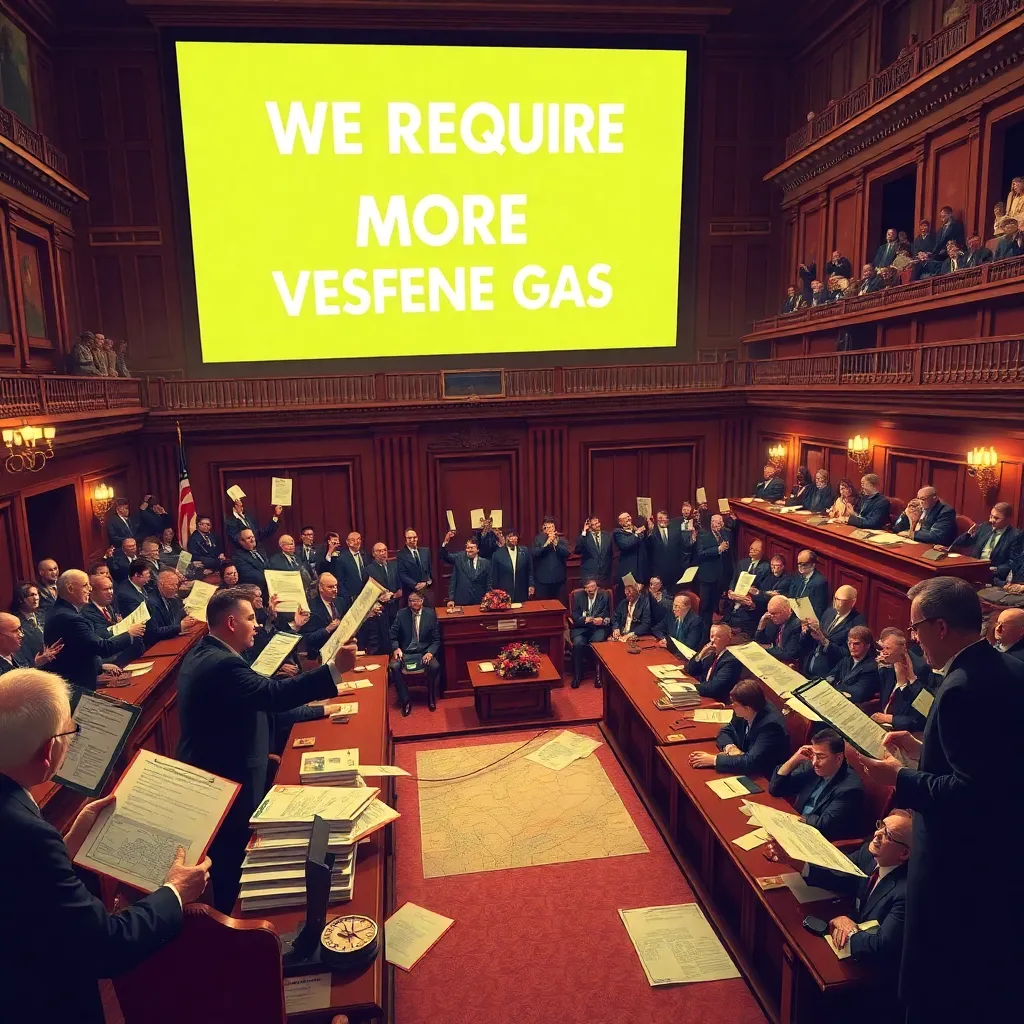
Experts remain divided on when the emergency will end. Optimists believe new refineries could be operational within weeks, provided crews can secure permits, equipment, and the emotional resilience needed to work beside a hissing emerald abyss. Pessimists warn that unless consumption is reduced, the nation may soon be forced to choose between essential services and whatever giant glowing projects seemed wise last quarter.
For now, the public has accepted a new reality. Dinner conversations have changed. Weather forecasts now include a vapor index. Property values rise and fall based on proximity to suspicious ground shimmer. And in every corner of the land, from the deepest industrial trench to the most aspirational cul-de-sac, a single solemn phrase continues to define the age:
We require more vespene gas.
Several ministries are reportedly considering shortening it to a slogan, though insiders fear that may only make it sound like the title of a very aggressive self-help book.