Windows 12 Rumored for 2026: Microsoft Unveils “Modular” Subscription That Bills You Per Click, Per Thought, and Possibly Per Molecule
REDMOND—According to a swirling cloud of leaks, whispers, and the kind of vague “my cousin’s friend works at a Best Buy” testimony that has never been wrong in the history of humanity, Windows 12 is rumored to arrive in 2026 with a bold new vision: a subscription-based operating system that finally answers the question no one asked—“What if your computer charged rent?”
Industry watchers say Microsoft’s next OS will be “fully modular,” a phrase which once meant “customizable” and now apparently means “your Start Menu comes with in-app purchases.”
If the rumors are true—and to be clear, they are rumors, which is a category of information traditionally sourced from screenshots of PowerPoint slides taken inside a pocket—Windows 12 will not merely be an operating system. It will be an economic relationship. A lifestyle. A recurring billing event.
Modular, But Not Like You Mean
Microsoft’s new “modular architecture” is being pitched (in some corners of the internet, by people who always type “Microslop” with the confidence of a man hammering a nail through a desk) as a way to make Windows more flexible, lightweight, and efficient.
The twist, say critics, is that “modular” here doesn’t mean you can install a clean, bare-bones system without extras. Instead, it means Windows will arrive as a sleek chassis containing dozens of “modules”—each one a small component of your daily computing life—and each one allegedly capable of generating its own invoice.
Early leaked module names include:
File Explorer+ (lets you see files and open them)
Wi‑Fi Essentials (connects to Wi‑Fi; Premium tier unlocks “staying connected”)
Taskbar Pro (drag-and-drop icons unlocked at the Platinum level)
Keyboard Input Pack (adds vowels; consonants sold separately)
Critical Security Updates™ (auto-renewing, non-optional, spiritually mandatory)
One anonymous source claimed the new model will be “pay-as-you-use,” which sounds like an environmentally friendly utility program until you realize it could mean being charged every time you right-click.
Microsoft, for its part, has not confirmed any of this, but observers note the company has historically loved three things: subscriptions, telemetry, and “features” that mysteriously become “services” the moment you start liking them.
The NPU Requirement: Because Your Computer Needs a Brain for the Ads
Another major rumor is that Windows 12 will require an NPU (Neural Processing Unit), a specialized chip designed to accelerate AI workloads. The pro-Microsoft take is that this is the future: smart features, local AI assistance, better performance, fewer trips to the cloud.
The anti-Microsoft take is that this is the future: your computer will need a dedicated AI chip so it can generate new ways to ask you to subscribe.
Windows 11’s TPM requirement was controversial, but TPMs had at least been quietly lurking inside PCs for years, like a smoke alarm you never noticed until it started beeping at 3 a.m.
NPUs, by contrast, are currently concentrated in newer devices—meaning the rumor has triggered widespread panic among users who suspect their perfectly functional machines may soon be reclassified as “vintage” by a definition written by a marketing department.
Analysts estimate that if Windows 12 enforces a strict NPU requirement, the effect could be to render an enormous chunk of existing PCs “ineligible,” forcing millions to choose between upgrading hardware or continuing to run older operating systems until the heat death of the universe—or at least until their browser refuses to open any website that isn’t an NFT marketplace.
In a move experts describe as “incredibly on brand,” Microsoft is also rumored to be preparing an official statement emphasizing that older PCs are not “obsolete,” they are simply “ready for a new chapter,” which in Microsoft’s dialect translates to: “Please stop calling us, your device has been gently retired into the landfill of progress.”
Age Verification: A Bold New Plan to Make Everyone’s PC a DMV
Perhaps the most divisive rumor is that Windows 12 will require age verification, which supporters describe as a way to protect minors online, and critics describe as identity verification wearing a fake mustache labeled “privacy-friendly.”
If implemented, this would allegedly mean you can’t fully activate Windows 12 without proving you are a real person of a certain age—which raises immediate questions, such as:
Who verifies this?
Where does the data go?
How long is it kept?
Can you opt out?
Does Windows need to know your age to run Minesweeper, or is this just an ambitious hobby?
Microsoft has historically insisted it takes privacy seriously, which many users interpret as: “They care deeply about privacy, specifically where you store it so they can find it.”
Critics argue that mandatory identity verification would make anonymous computing effectively impossible on mainstream consumer Windows, pushing privacy-minded users toward alternatives, air-gapped setups, or living in a cabin and writing letters by candlelight.
Supporters argue that it could reduce abuse and improve safety. Skeptics argue that it could also introduce a powerful new way to centralize personal data—because nothing says “secure” like turning your operating system installer into a passport checkpoint.
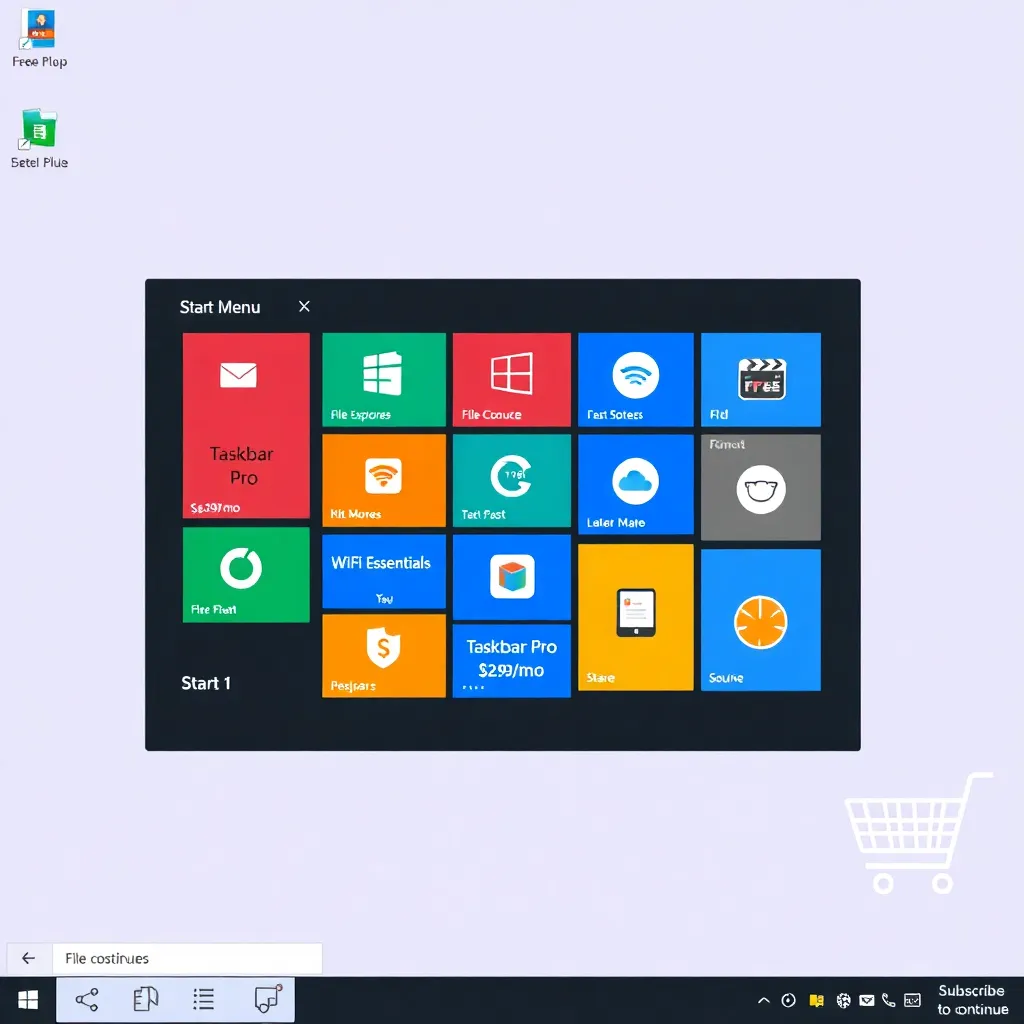
Subscription Windows: The Dream of a Thousand Billing Cycles
The idea of subscription Windows is not entirely new; Microsoft has been sliding toward “Windows as a service” for years. The difference, as the rumor mill tells it, is that Windows 12 could go from “service” to “metered utility,” like electricity, but with more pop-ups and fewer safety regulations.
Critics fear a future where:
Your PC boots into a “grace period” until payment clears
Your wallpaper becomes sponsored content unless you buy “Personalization Pack”
The Settings app includes a “Manage Add-ons” tab that looks suspiciously like a mobile game store
Windows Defender offers “basic protection,” while “advanced protection” lives in the Deluxe tier alongside “file deletion permissions”
Meanwhile, optimists argue a subscription model could fund better development and support. Cynics reply that the same argument was used for every subscription ever, and yet somehow every subscription still has ads.
Linux: Microsoft’s Greatest Marketing Campaign Since Microsoft
As rumors about Windows 12 circulate, Linux users are experiencing what doctors call acute vindication syndrome, characterized by rapid heartbeat, smugness, and the sudden urge to say, “I switched years ago” to strangers holding groceries.
In many communities, Windows 12 has been described as “a perfect ad for Linux,” which is not a compliment so much as a prophecy. Every time Windows adds a requirement, a restriction, or a new way to monetize your existence, Linux gains another convert who just wanted their computer to stop negotiating.
And the timing is interesting:
Game studios and engine teams are increasingly treating Linux compatibility as a real thing, not a mythical creature.
Proton and other tools continue making Linux gaming more viable for average users.
Professional software vendors, under pressure from cost, cloud competition, and user demand, are slowly inching toward Linux support—sometimes intentionally, sometimes by accident, and sometimes by having their web apps work in a browser and pretending that counts.
Of course, Linux is not a magical utopia where everything works flawlessly and printers weep tears of joy. Linux is a world where your system can be stable for 400 days and then collapse because you installed a font. But for many users, the tradeoff is increasingly worth it: control over your machine, fewer surprises, and an operating system that does not appear to view your desktop as a monetizable shopping mall.
And Then The Internet Added a Conspiracy, As a Treat
No modern tech discourse is complete without someone accelerating from “hardware requirements” to “global control plot” in under four sentences.
Alongside Windows 12 rumors, some internet commentators have pulled in unrelated political allegations about prominent tech figures, including claims about famous names appearing in notorious documents. These claims are often thrown into discussions as rhetorical grenades rather than verifiable information, and they tend to generate more heat than light.
It’s worth noting that real-world allegations—especially those involving criminality—are not something the rumor mill is qualified to adjudicate, and “I saw a post” is not a legal standard. The internet, however, remains committed to the principle that if you can type it, it must be relevant to everything.
In the age of social media, Windows isn’t just an operating system; it’s a canvas for whatever anxiety is most popular that week. And Windows 12, with its alleged subscriptions, requirements, and verification gates, is proving to be an especially large canvas.
Microsoft’s Vision: The Computer, Reimagined as a Shopping Cart
If the rumors bear even partial resemblance to reality, Windows 12 may represent the culmination of a long trend: the transformation of personal computing from ownership to ongoing negotiation.
You used to buy a PC, install Windows, and it belonged to you in the same way a toaster belongs to you: it sits there, does toaster things, and only judges you silently.
The rumored Windows 12 model suggests a different relationship: you don’t own the toaster. You subscribe to the right to toast. The toaster updates itself. The toaster verifies your identity. The toaster locks “bagel mode” behind a tier. The toaster introduces a “toasting assistant” that listens for bread-related intent. The toaster sends diagnostic data about your crumbs.
Then, one day, the toaster announces it needs an NPU.
What Happens Next
None of this is confirmed. Microsoft could release Windows 12 as a normal OS with reasonable requirements and no identity gate, and everyone will laugh about the time the internet briefly believed Windows would charge per USB port.
Or Microsoft could confirm a subscription model, tighten hardware requirements, push deeper into identity-linked ecosystems, and watch a meaningful number of users drift toward alternatives—Linux, macOS, Chromebooks, or the ancient art of “not updating until the universe forces me.”
Either way, the rumor itself has already done something powerful: it has reminded people that operating systems are not neutral. They’re business models with a desktop.
And in 2026, that desktop may come with a receipt printer.