Nation’s Women Embrace Full-Frontal Nudity as “Empowering Display of Freedom,” Immediately Discover Pockets Were the Real Oppressor All Along
In what experts are calling “a landmark cultural moment” and “a logistical nightmare for anyone carrying keys,” women across the country have reportedly embraced full-frontal nudity as an empowering display of personal freedom, autonomy, and the right to do whatever they want with their own bodies—provided they can still find somewhere to put a bus pass.
The movement, which began as a loosely organized social trend and rapidly evolved into a nationwide phenomenon, has been hailed by supporters as a triumphant rejection of outdated expectations, intrusive scrutiny, and the relentless societal pressure to dress for someone else’s comfort.
Critics, meanwhile, have responded with a mixture of concern, pearl-clutching, and the sudden discovery that they hold extremely strong opinions about “public decorum” despite having previously worn flip-flops to weddings.
“It’s Not About Shock—It’s About Choice,” Say Women Who Are Tired of Explaining Themselves
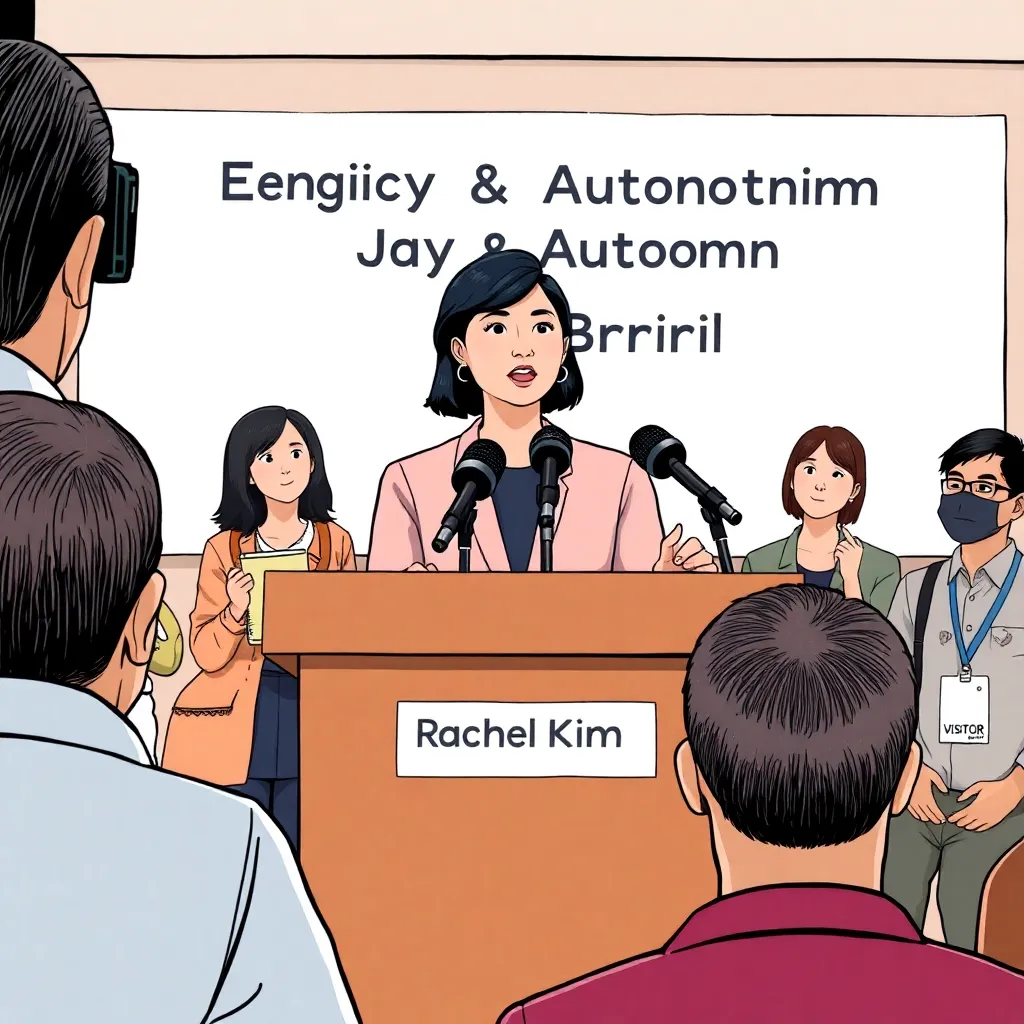
Speaking at a press event attended by journalists, sociologists, and one man who said he was “just in the area,” movement spokesperson Rachel Kim explained that the point was never provocation.
“It’s about agency,” Kim said. “It’s about not having our bodies treated like public property—ironically by making them public, but on our terms. Also, it’s about not losing 40 minutes of our day deciding what ‘looks professional’ when our actual job is just answering emails that say ‘per my last email.’”
Kim added that early participants underestimated the degree to which modern life is structured around fabric.
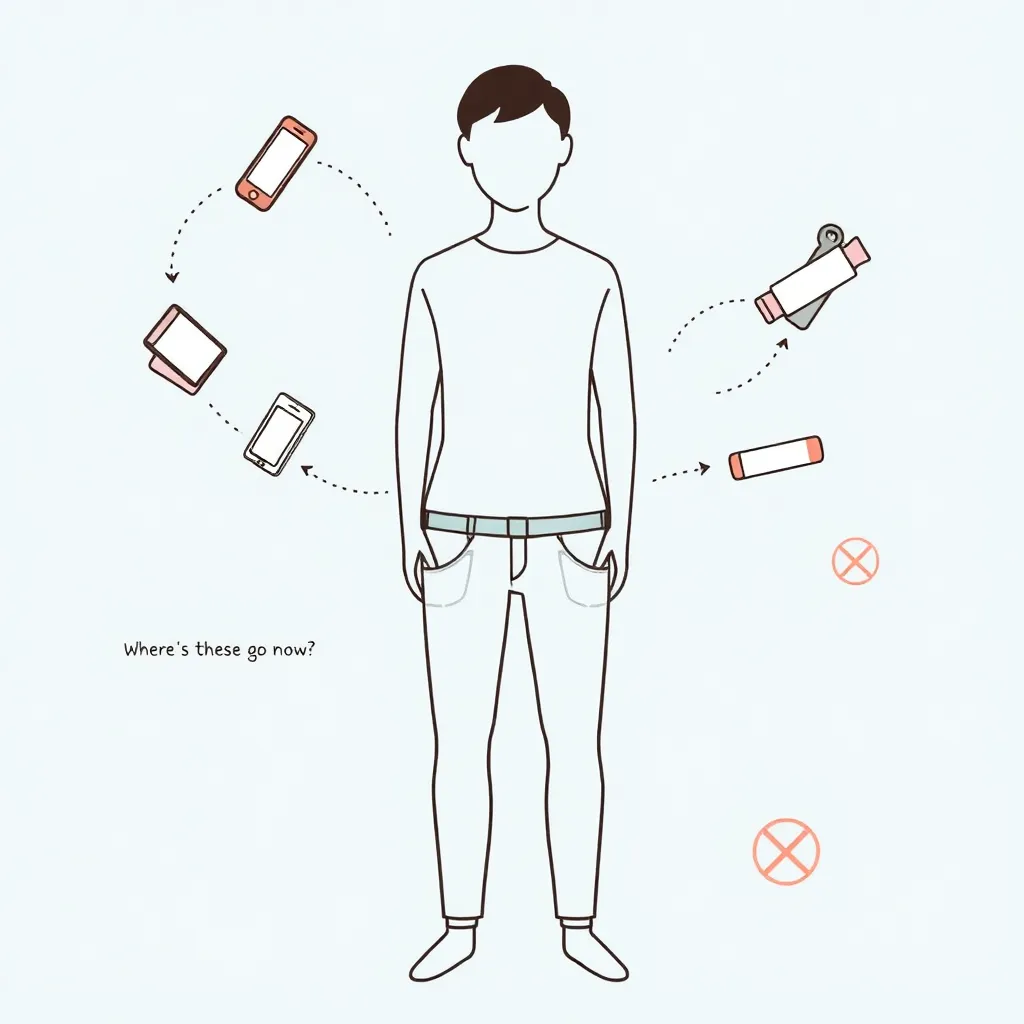
“Every system assumes pockets,” she said. “Every system. The entire economy is propped up by pockets.”
Retail Industry Responds With “Modesty Panic,” Immediately Rebrands It as “Freedom-Chic”
Within hours of the trend gaining traction, fashion brands launched emergency meetings to determine how to monetize a concept that, by design, eliminates most of their product line.
One major retailer announced its new “Bare Minimum Collection,” featuring “accessories for the liberated modern woman,” including:
The Empowerment Lanyard, marketed as “a statement piece for holding ID, keys, and the patriarchy at arm’s length.”
The Reclaim-the-Space Tote, described as “the bag you carry because society still won’t build infrastructure for people who refuse waistbands.”
The Corporate Coverage Blazer, sold as “optional, symbolic, and just warm enough for air-conditioned offices that remain inexplicably set to ‘Arctic Spreadsheet.’”
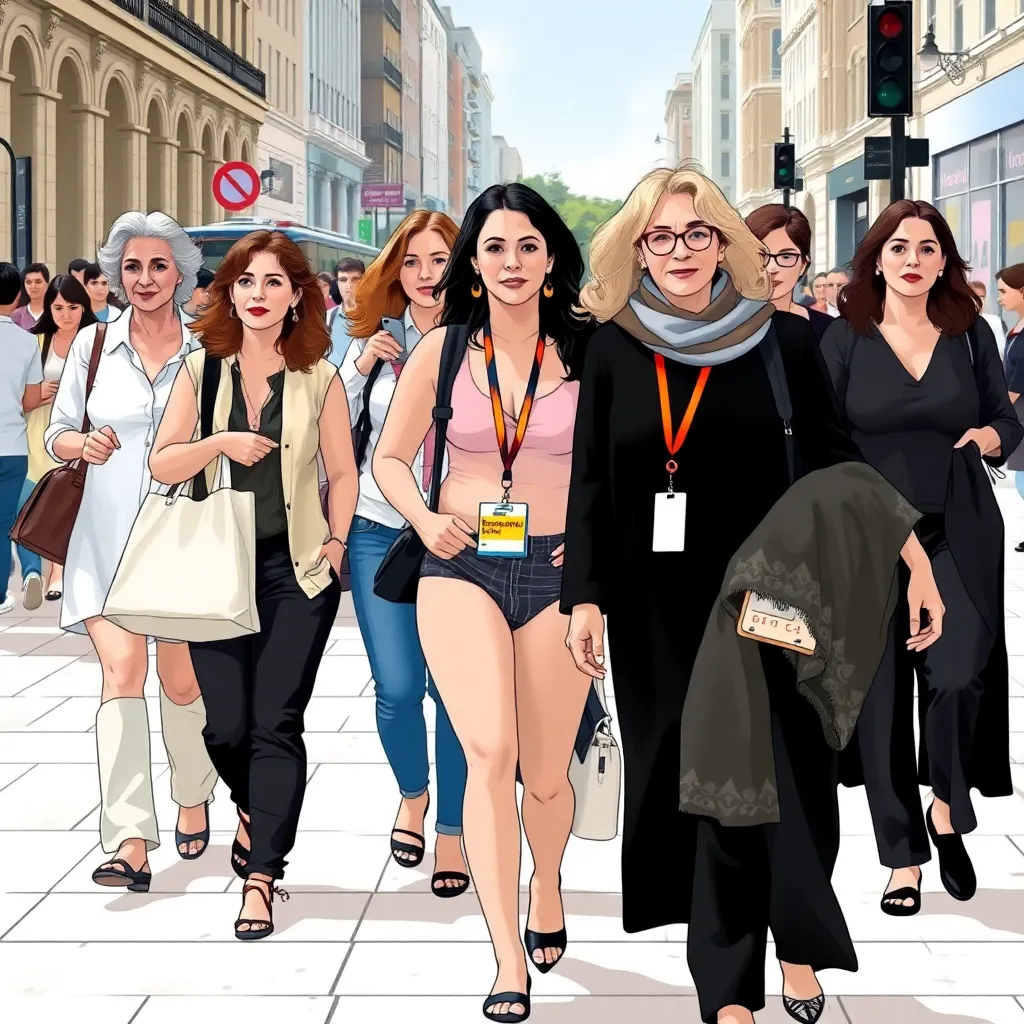
A luxury brand has reportedly begun producing “designer nothing,” a premium-priced item consisting entirely of a certificate confirming that the customer has purchased “the concept of freedom.”
Government Releases Confusing New Guidelines, Then Immediately Walks Them Back
Officials attempted to respond with updated public guidance, issuing a statement that began with “We respect everyone’s personal choices” and ended with “please stop calling our hotline to ask if freedom is allowed in Zone 3.”
A leaked internal memo from a municipal council revealed several proposed compromises, including:
Creating “nudity lanes” on sidewalks during peak commuting hours.
Introducing “seasonal freedom permits,” with winter nudity categorized as “bravery” and summer nudity categorized as “just sensible.”
A pilot scheme in which public benches would be “heated, disinfected, and spiritually cleansed.”
The memo was later replaced with a simpler policy: “Please just be normal,” which analysts described as “the government’s boldest attempt yet at enforcing an entirely subjective vibe.”
Men Discover New Respect for Eye Contact, Immediately Seek Praise for It
Across the country, men have reportedly responded to the trend by announcing they are “learning a lot” and “being really cool about it,” before requesting recognition in the form of compliments, awards, and possibly a small parade.
“I’m being extremely respectful,” said local man Dan Cooper, who explained he had successfully maintained eye contact “for nearly four seconds straight.” He later asked reporters if there would be a certificate.
Advocacy groups welcomed the shift, noting that basic decency should not require a medal, a TED Talk, or a podcast series called Dudes Doing the Bare Minimum.
Workplace HR Departments Collapse Under the Weight of the Phrase “Dress Code”
Corporate HR teams nationwide have found themselves unprepared for a cultural movement that has outpaced the employee handbook by approximately 40 years.
Some companies responded by updating policies with modern language, including:
“Employees may express themselves freely, provided they also express themselves safely.”
“Please be mindful of shared spaces and chair hygiene.”
“Footwear remains non-negotiable. This is not a moral stance. This is a health-and-safety stance.”
Several managers attempted to enforce “professionalism,” only to realize they couldn’t define it without accidentally describing “looking expensive.”
One HR director, speaking anonymously, said the trend had revealed that most corporate culture is held together by “a brittle social contract and a cardigan.”
Scientists Confirm Nudity Does Not End Civilization, Despite Decades of Dramatic Predictions
Researchers at the Institute for Societal Overreaction released a report confirming that public nudity does not, in fact, cause immediate civilization collapse, spontaneous rioting, or the return of wolves to urban areas.
“What we found is that people adjust,” said Dr. Leena Alvarez, lead author of the study. “After an initial period of surprise, most observers went about their day. The only measurable spike was in the number of people suddenly realizing they have been overreacting to other people’s bodies since approximately the dawn of time.”
Alvarez noted that while the movement has sparked spirited debate, it has also produced unexpected benefits, including:
A sharp decline in catcalling, largely because catcallers “hate anything that makes them feel uncool.”
Increased public awareness of sunscreen.
A newfound appreciation for coats, which have become “the Switzerland of clothing: politically neutral, widely useful, and suspiciously expensive.”
The Unexpected Villain: Furniture
As the trend continues, one group has become the movement’s most vocal opponent: furniture.
“Look, I support freedom,” said one leather sofa, through an interpreter. “But I did not consent to be part of the discourse.”
Public seating has reportedly become the new front line of the culture wars, with cafes offering “bring-your-own-towel” policies, and parks installing signage reminding citizens that liberation and basic hygiene can, in fact, coexist.
A startup has already launched a subscription service providing “portable dignity mats,” described as “a reusable barrier between you and society’s fragile expectations.”
Supporters Say the Point Isn’t Nudity—It’s the End of Permission Culture
Movement organizers insist the focus has never been about convincing everyone to get undressed, but about challenging the idea that women require public approval to exist in the world.
“It’s the assumption that our bodies must be managed, policed, commented on, and curated for other people,” said Kim. “This is about ending the idea that freedom is something women are granted when we behave ‘appropriately.’”
She paused.
“Also,” she added, “I cannot stress this enough: it is about not buying bras anymore.”
What Happens Next
Experts predict the movement will continue to evolve in unpredictable ways, possibly branching into related trends such as “radical comfort,” “anti-chafing solidarity,” and “the nationwide rejection of shoes that hurt for no reason.”
Already, there are reports of copycat movements emerging:
Men experimenting with “emotional vulnerability” as a daring new form of exhibitionism.
Politicians attempting “transparency” and immediately discovering it’s much harder than nudity.
Fashion influencers pivoting to content like “Top 10 Ways to Accessorize Your Confidence,” featuring hats, sunglasses, and the increasingly important “somewhere to store your phone.”
For now, organizers say the message remains simple: freedom is not a costume, empowerment isn’t a look, and nobody should need to justify their choices to strangers who still think “modesty” is a personality trait.
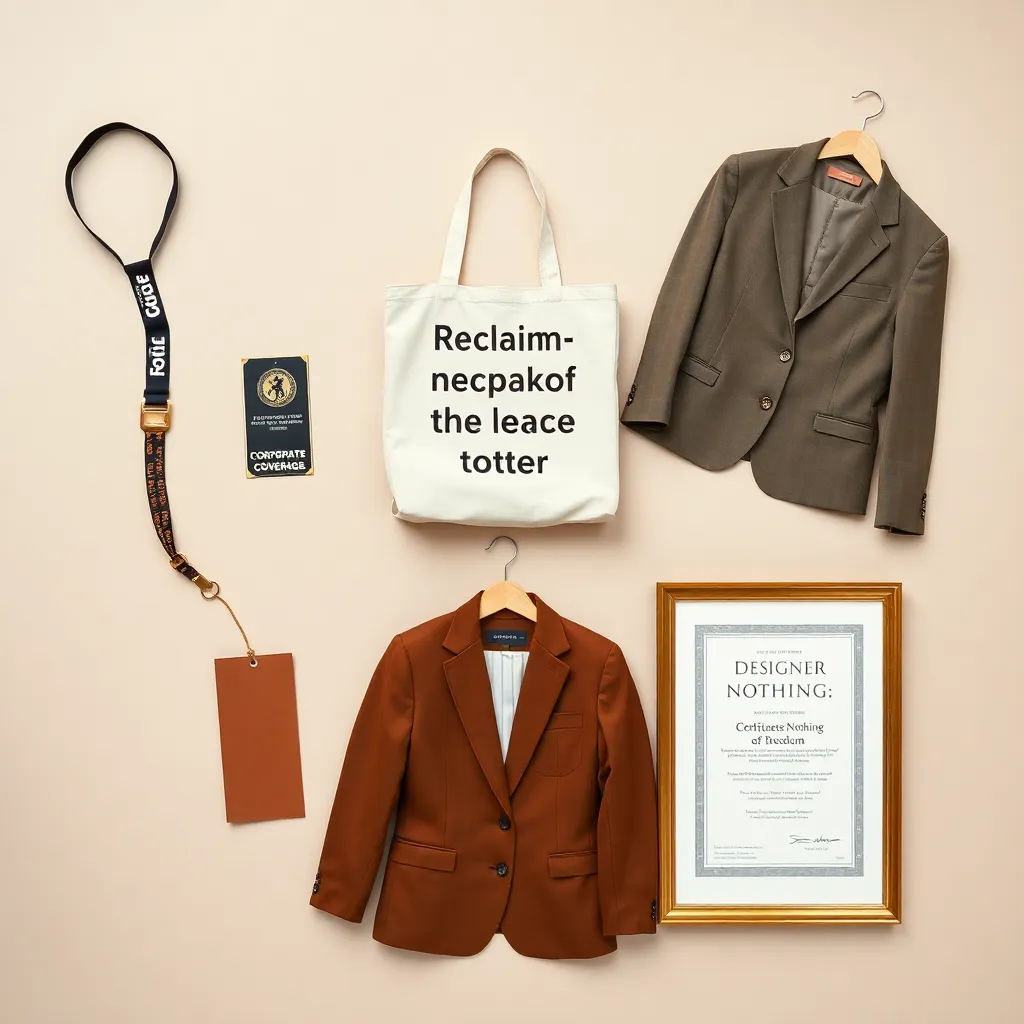
As one participant put it while calmly waiting at a pedestrian crossing, holding her keys on a lanyard and her head high:
“Turns out the most scandalous thing isn’t a body. It’s the idea that I get to decide what I do with mine.”