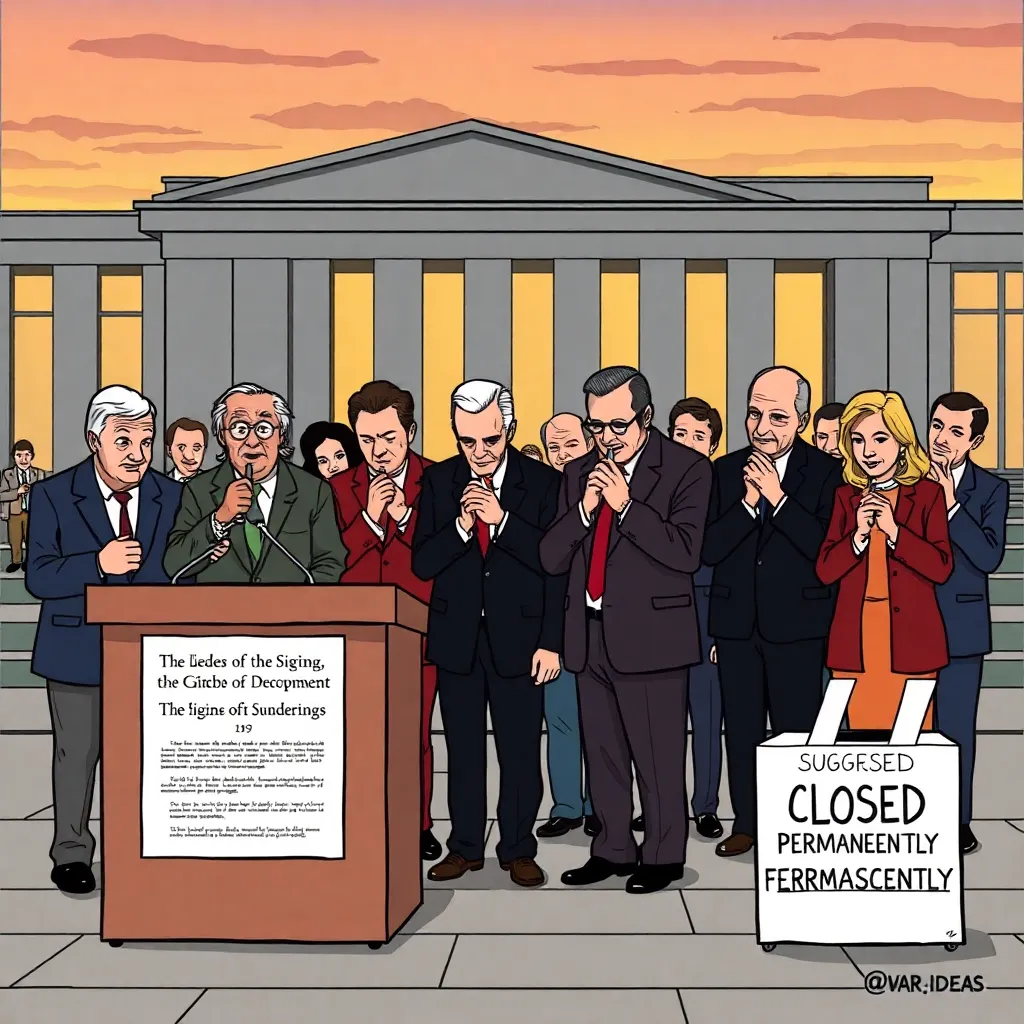
World Leaders Gather at Global War Forum, Accidentally Agree War Is “Massively Pointless,” Promptly Cancel It Forever
GENEVA, EARTH — In an unprecedented display of international coordination, every country on the planet convened this week at the inaugural World’s War Forum to “innovate,” “synergise,” and “strategically ideate” brand-new wars—only to conclude, after several days of PowerPoints and catered lunches, that all wars are absolutely pointless, and to unanimously vote to stop doing them entirely, forever.
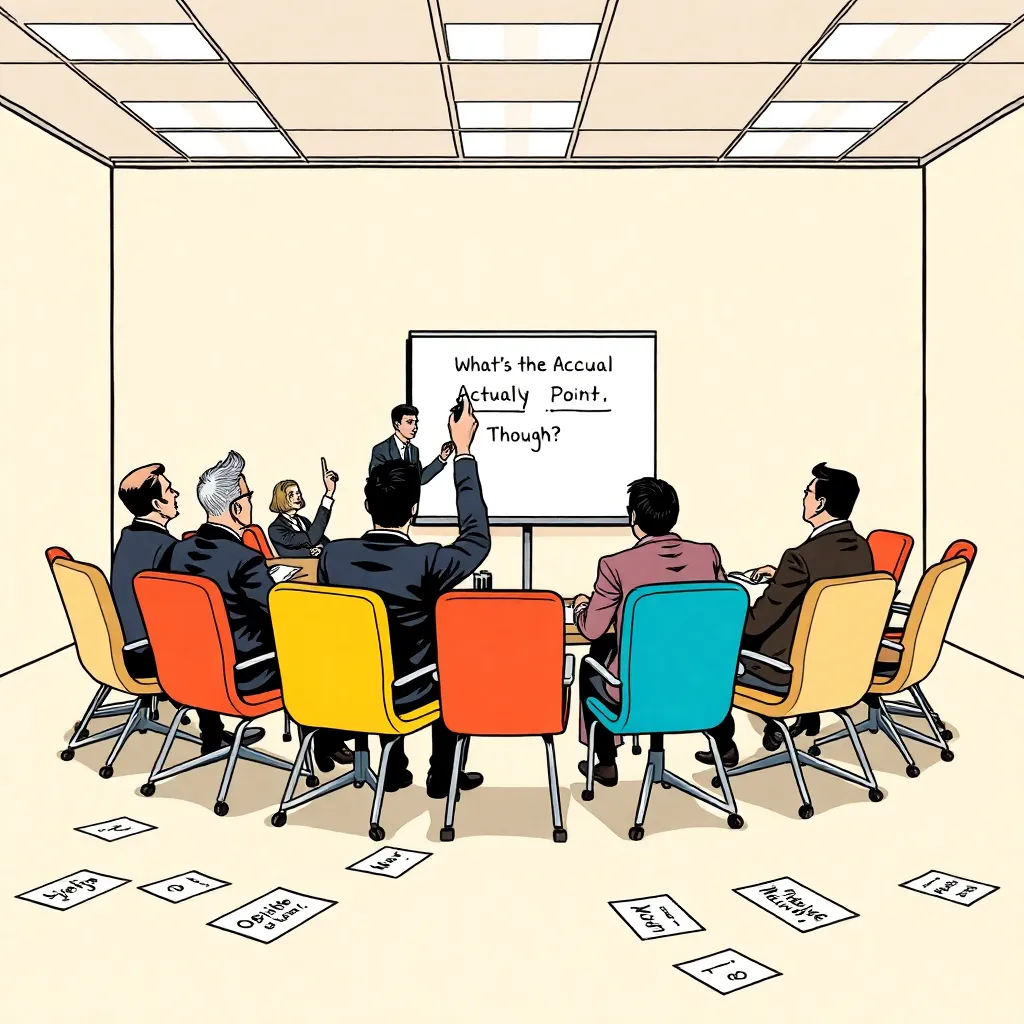
The decision, reached late Friday evening after a tense breakout session titled “War: What’s the Actual Point Though?”, has already been hailed by diplomats as “a landmark breakthrough in human common sense” and by defence contractors as “a personal attack.”
A Conference Designed to Start Wars… Somehow Ends Them
The forum was initially billed as a practical workshop for nations that felt their war output had stagnated.
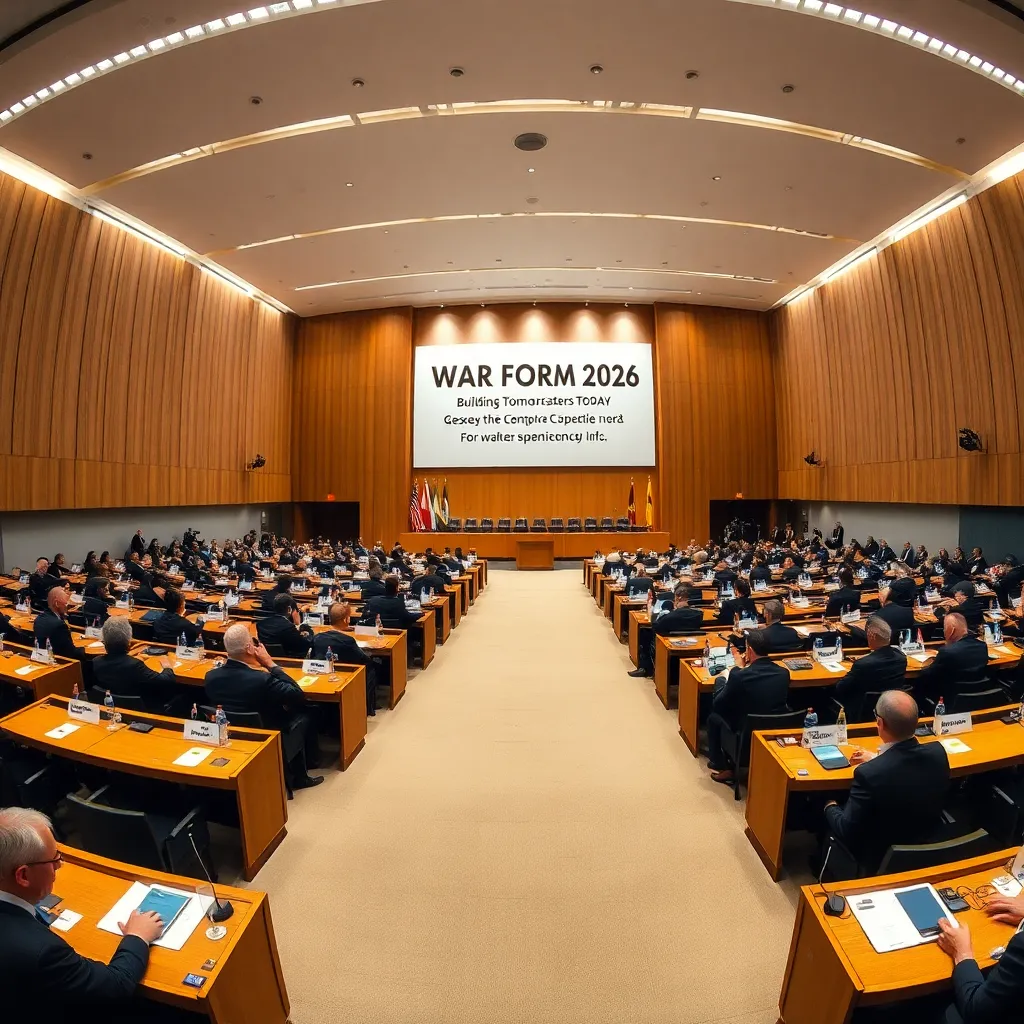
“We noticed a dip in fresh conflict ideas,” explained the forum’s organiser, Chairperson Dr. Lorna V. Kettle, standing in front of a banner reading WAR FORUM 2026: BUILDING TOMORROW’S DISASTERS TODAY. “Some countries were still relying on classic formats like ‘border disagreement’ and ‘misunderstood boat incident.’ We wanted to modernise—make war leaner, more agile, more disruptive.”
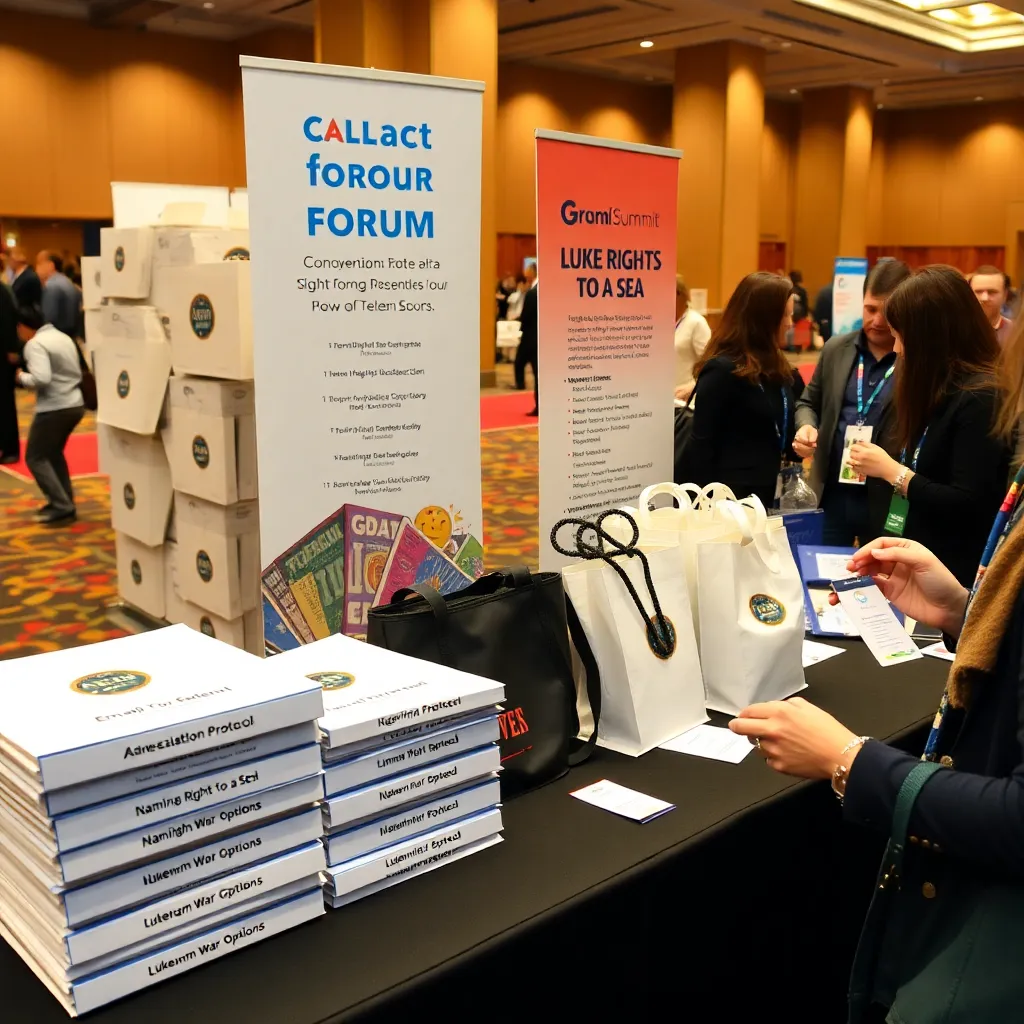
Delegates arrived with binders full of proposals, including:
A conflict sparked by a disputed emoji interpretation in an international group chat.
A full-scale invasion over the proper naming rights to a sea.
A war fought exclusively by press secretaries, to reduce frontline casualties while increasing overall suffering.
A “limited engagement” involving only drones, sanctions, and passive-aggressive statements read slowly into microphones.
“We were ready,” said one European delegate. “We had flowcharts. We had several options for a ‘hot’ war, a ‘cold’ war, and a ‘lukewarm war with occasional shouting.’ We’d booked the venues.”
The Fatal Mistake: Someone Asked “Why?”
According to attendees, the unraveling began during the second day’s keynote address, when a junior diplomat—described as “insufficiently cynical” and “clearly new”—raised a hand and asked a question that would derail the entire enterprise:
“Sorry,” the diplomat reportedly said, “but… what’s the goal of war again?”
The room, full of people who had spent their careers confidently describing war goals, fell into an unfamiliar silence as leaders glanced at each other and began rifling through their notes.
“Well it’s, you know,” said one head of state, tapping a pen with increasing alarm. “It’s about… demonstrating… commitment… to… something.”
Another suggested the goal was “security,” but could not explain why security was typically achieved by destroying a country’s infrastructure and then wondering why everyone was upset.
A third leader attempted to restore order by launching into a prepared statement about national pride, only to stop halfway through and admit the phrase “national pride” sounded “a bit like something people say right before they do something irreparable.”
Breakout Sessions Reveal Shocking Discovery: War Mainly Produces Bad Things
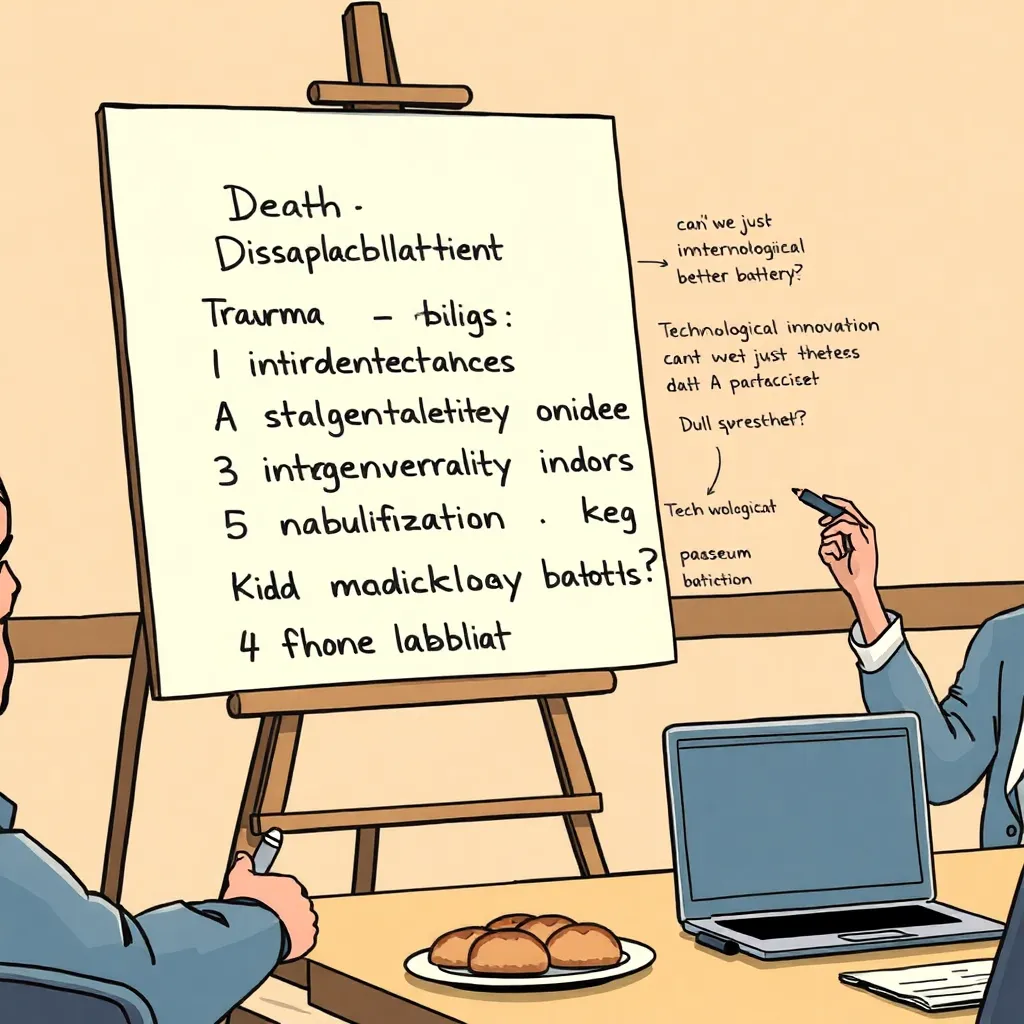
By Thursday, the forum had devolved into smaller working groups where participants performed what experts called “a basic consequences audit.”
In the “Outcomes and Deliverables” room, a flipchart listed the expected outputs of war:
Death
Displacement
Trauma
Debt
Ruined cities
Intergenerational resentment
A statue nobody likes
A treaty everyone ignores
A museum gift shop
The facilitator then asked whether anyone could name a war outcome that reliably constituted a net win.
A hand went up from the back: “Technological innovation?”
The facilitator nodded and wrote it on the board, then underlined it three times, before adding: “Yes, but can’t we just invent better batteries without flattening a capital?”
At which point several delegates were seen staring into the middle distance, as if encountering the concept of “doing something normally” for the first time.
Leaders Unite in Historic Moment of Collective Embarrassment
The final resolution, formally titled The Geneva Agreement to Stop Doing Wars Because Seriously What Are We Even Doing, passed unanimously, with only minor debate over the wording of “ever.”
One leader proposed adding a caveat for “very small wars,” such as “briefly arguing near a river,” but was overruled after the assembly agreed that even small wars have a tendency to grow into large wars “like mould, or celebrity feuds.”
In a stirring closing address, the forum’s chair declared:
“After reviewing the data, the testimonies, the footage, the cost-benefit analysis, and also just looking inward for five seconds, we have concluded that war is a catastrophic waste of human life and resources, and we all feel a bit weird that we needed a conference to work this out.”

The hall erupted in applause, partly out of relief, and partly because everyone had already practiced clapping for victory announcements.
Defence Industry Reacts with Controlled Sobbing
Not everyone was pleased.
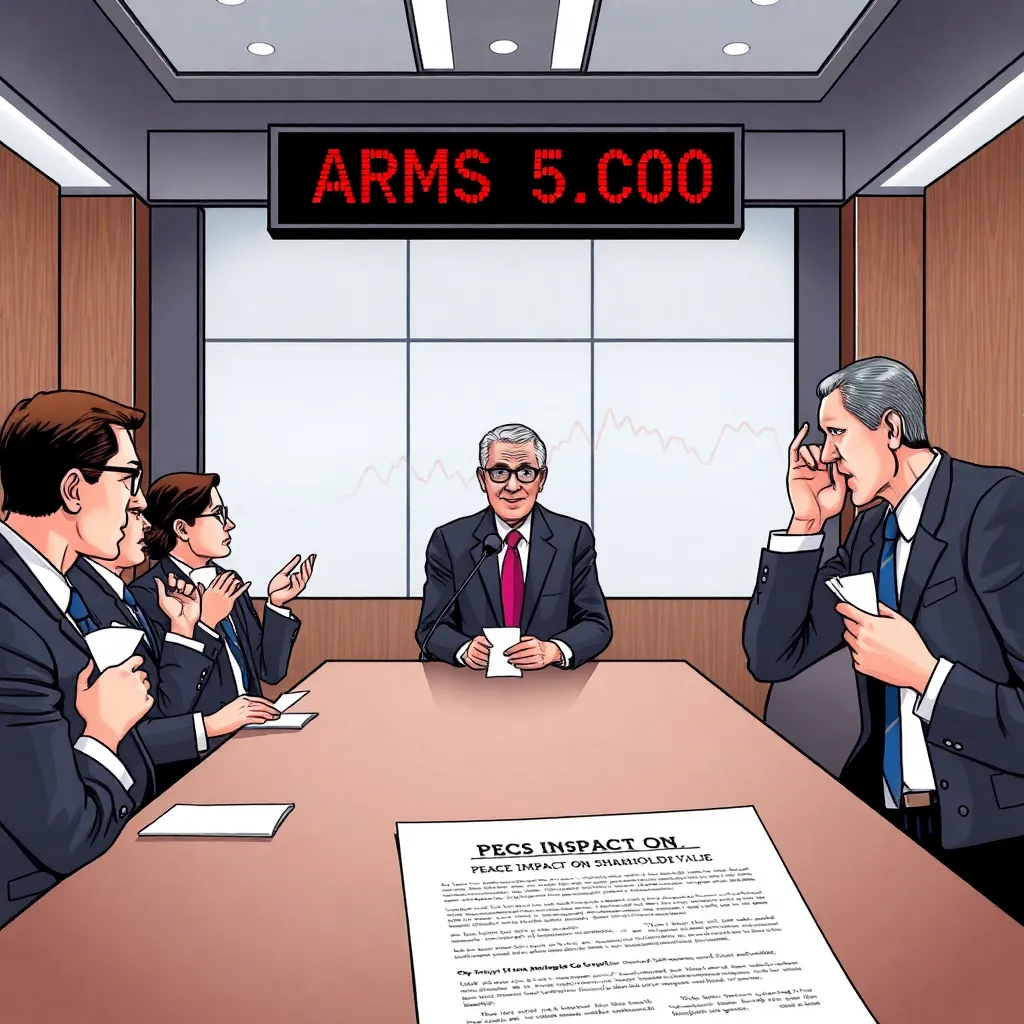
Global defence contractors issued a joint statement warning that the end of war could have “serious consequences for jobs,” particularly those jobs involving designing things to explode in a more “cost-effective” manner.
One executive, speaking through a spokesperson speaking through another spokesperson, said:
“We respect the leaders’ decision, but we urge the world to consider the long-term impact of peace on shareholder value. What will our children inherit if not the steady hum of geopolitical tension?”
Markets responded immediately, with several major arms manufacturers pivoting overnight to new product lines including:
Agricultural drones (“the same drone, just less morally complicated”)
Bridge-building kits made from repurposed tank parts
“Conflict resolution software” that appears to be a spreadsheet titled ‘Try Talking First’
Analysts described the transition as “unsettling, but ultimately healthier than the previous business model.”
Military Strategists Forced to Learn Different Hobbies
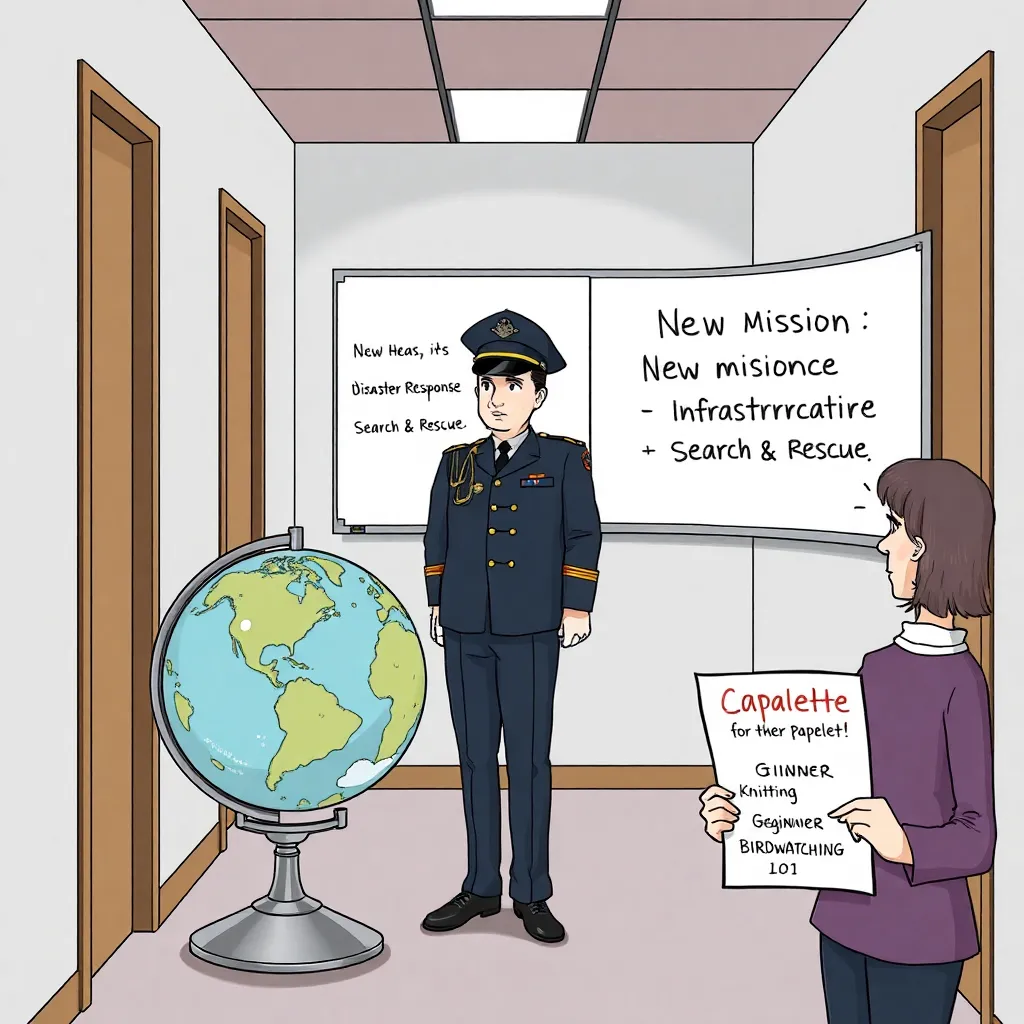
In capitals around the world, generals were reported to be wandering corridors asking staff if anyone knew what they were supposed to do now.
“We’ve been training for this our whole lives,” said one high-ranking officer, looking quietly at a globe. “I can’t just… not posture.”
Governments scrambled to repurpose their armed forces into emergency services, infrastructure teams, and disaster response units.
The rebranding has already begun:
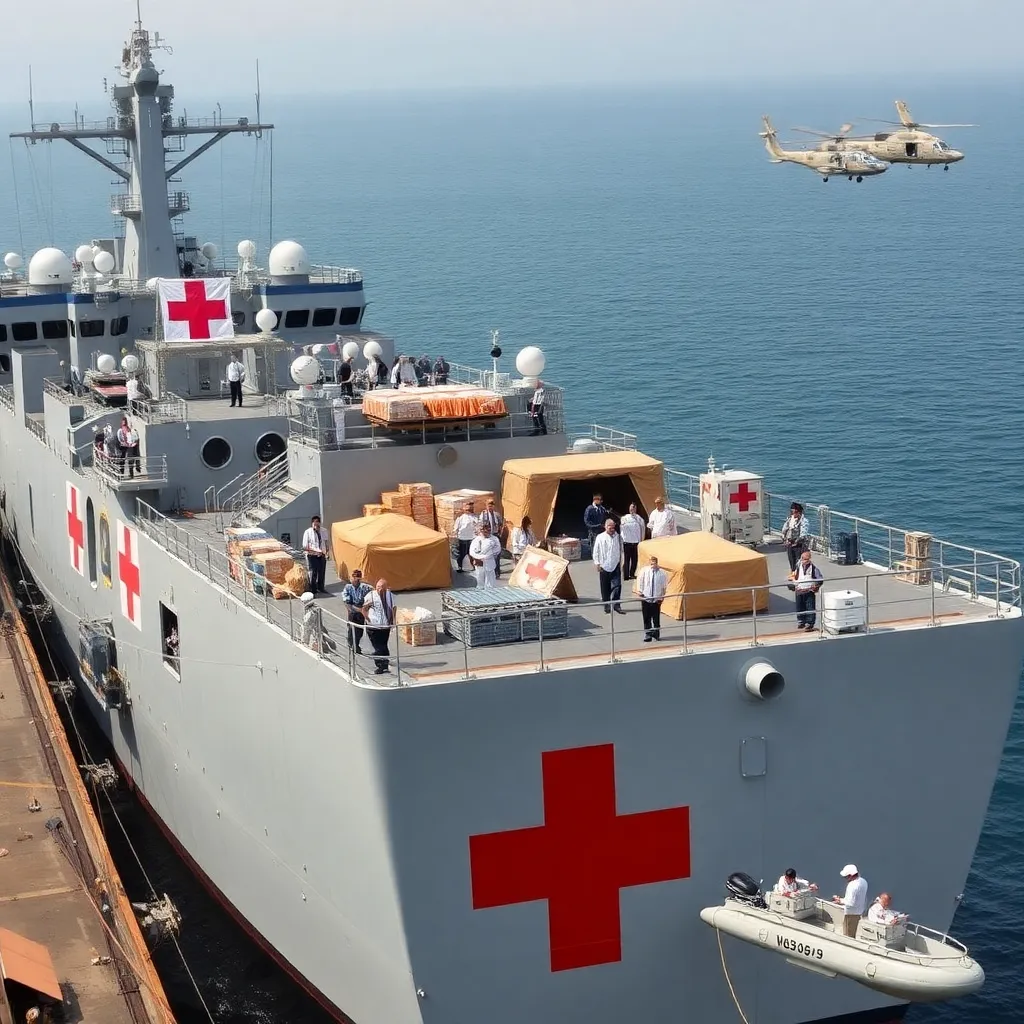
Several navies have been converted into floating hospitals and search-and-rescue fleets.
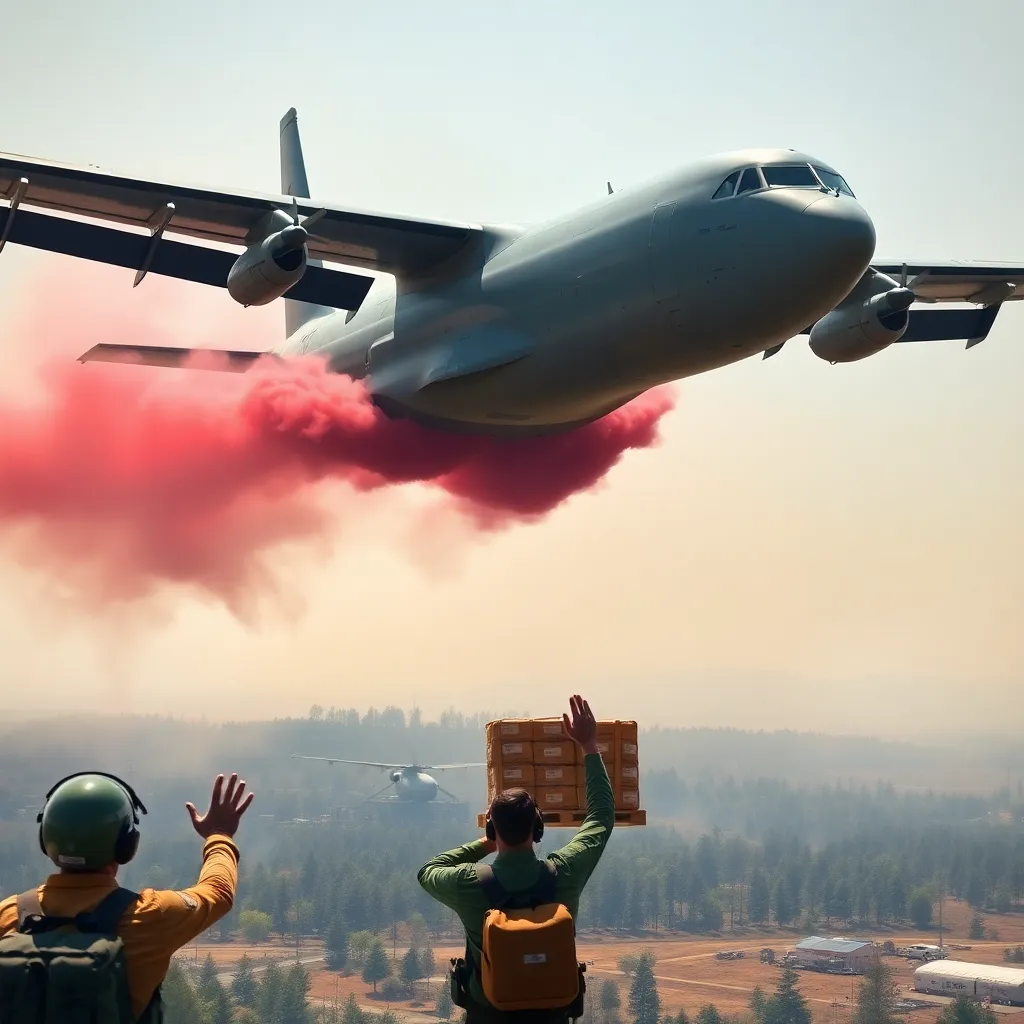
Air forces have been tasked with rapid wildfire response and delivering supplies, which pilots described as “deeply confusing” but “strangely satisfying.”
Former intelligence agencies are reportedly dedicating resources to tracking down who keeps leaving crumbs in the break room.
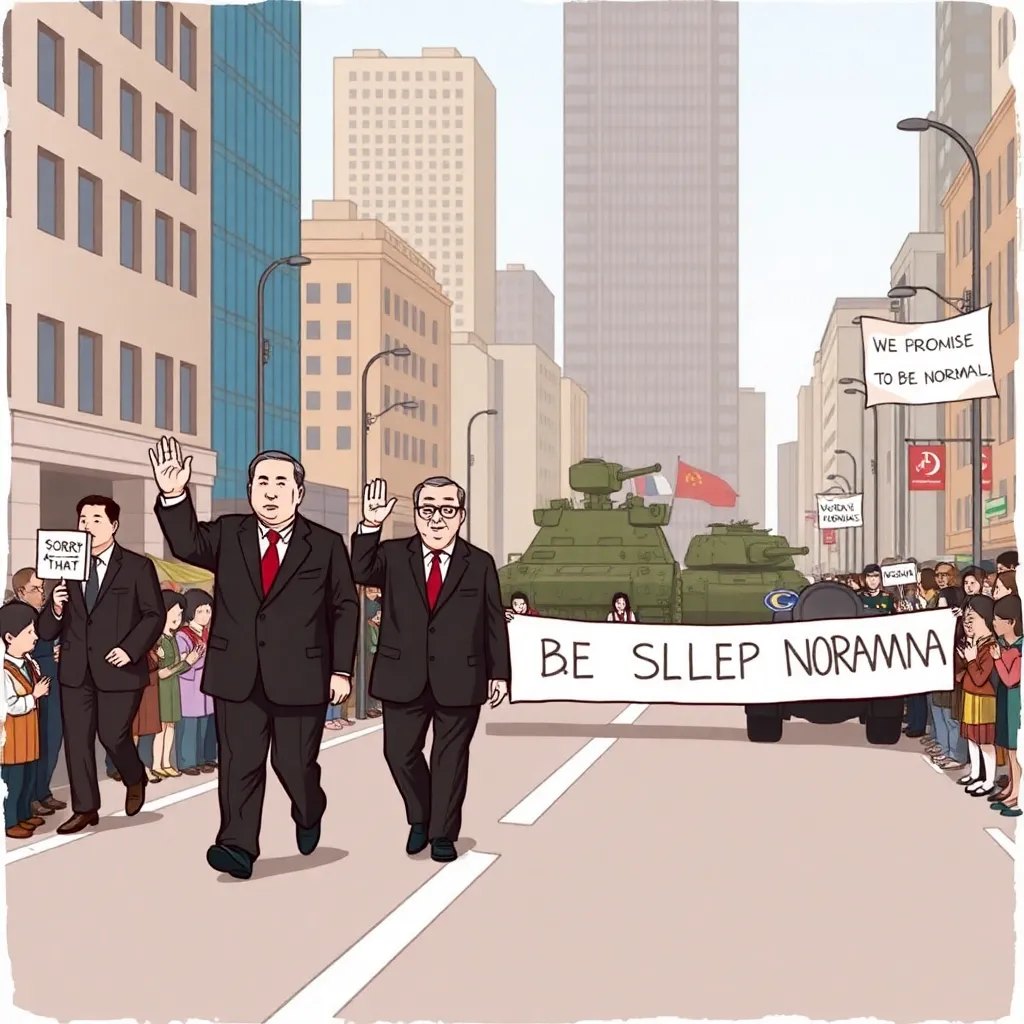
In a surprising diplomatic side effect, military parades are now expected to be replaced with National Apology Walks, where leaders stroll through cities waving modestly and promising not to do that thing again.
War Museums Pivot to “Look At This Absolute Nonsense We Used to Do”
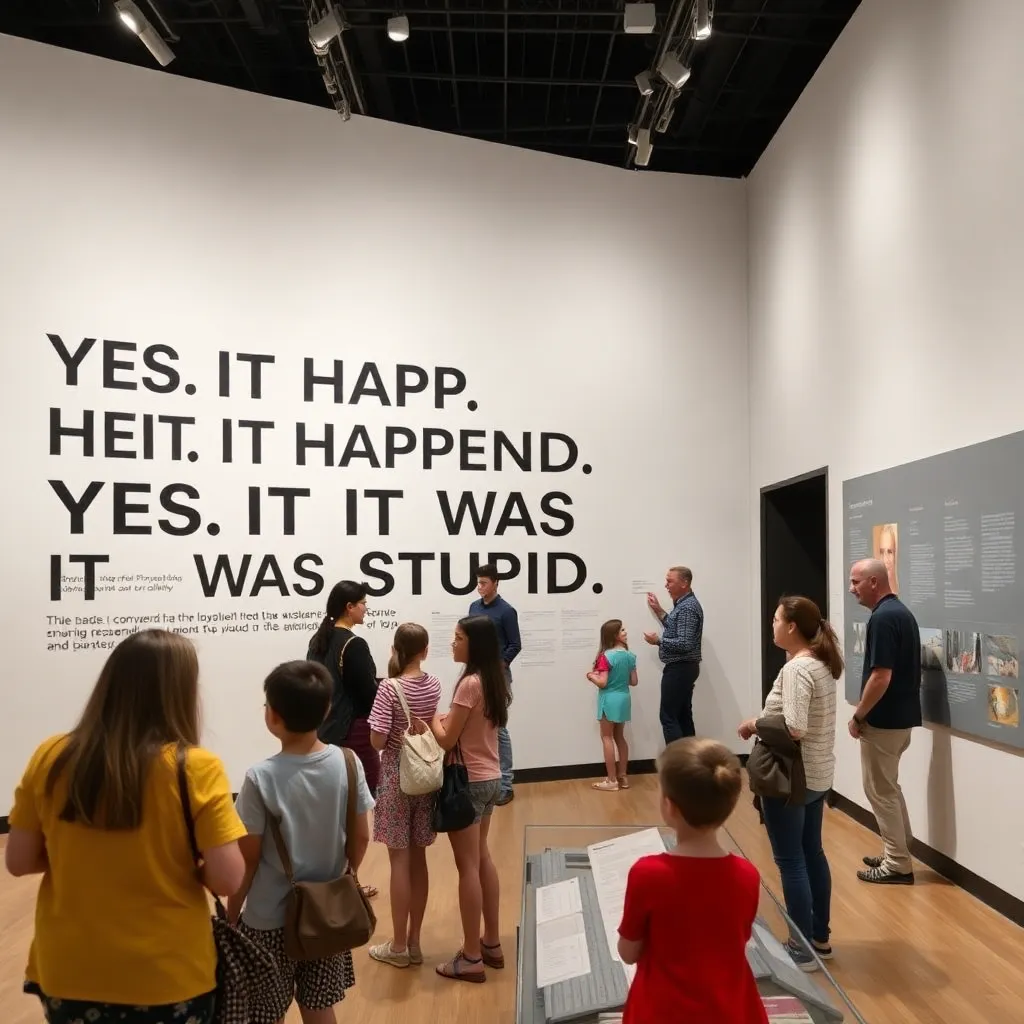
Cultural institutions are also adapting. War museums worldwide announced they will continue operating, but with updated messaging to reflect the new global consensus: “Yes, it happened, and yes, it was stupid.”
One curator described new exhibit plans:
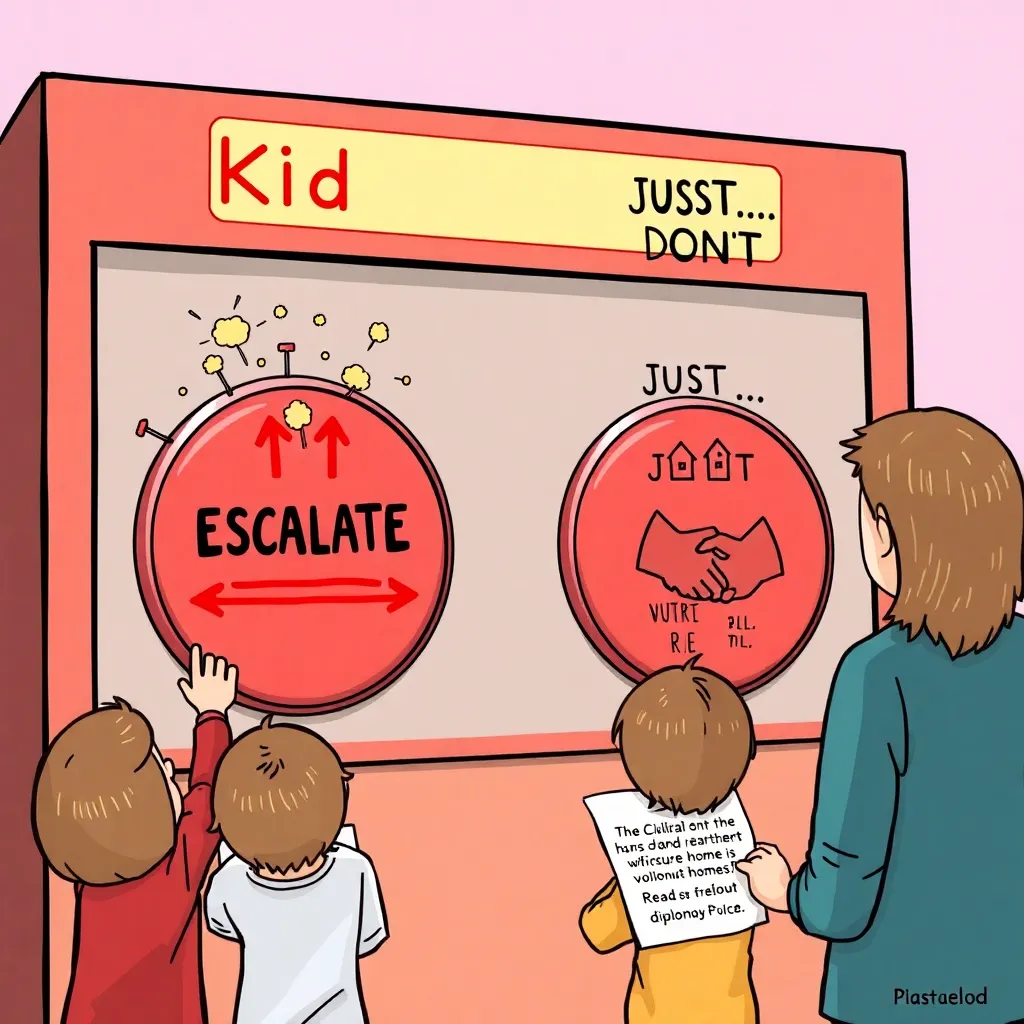
“We’re adding interactive displays where children can press a button and watch how quickly a minor insult escalates into catastrophe. Then a second button shows what happens if you simply… don’t.”
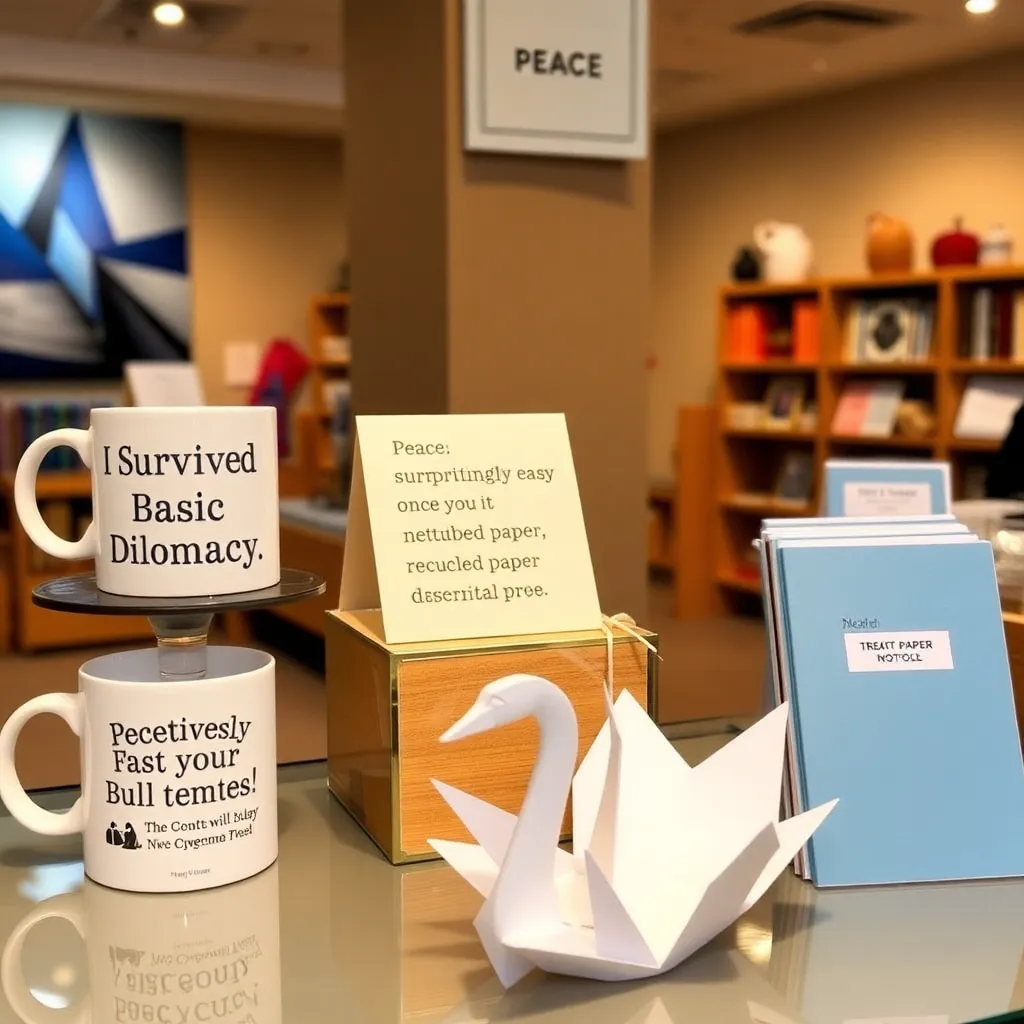
Gift shops have replaced toy soldiers with novelty items including “I Survived Basic Diplomacy” mugs and fridge magnets reading “Peace: Surprisingly Easy Once You Try It.”
The World Experiences Alarming Side Effects: Stability, Cooperation, and Free Time
Early reports suggest life without war is causing unexpected disruptions to daily routines.
News outlets, deprived of conflict coverage, are struggling to fill airtime and have been forced to return to forgotten genres like “local infrastructure success story” and “people being decent to each other.”
International summits, once famous for tense standoffs and ominous statements, are now reportedly “a bit awkward,” as leaders have to find new ways to show strength.
“You can’t just threaten each other anymore,” admitted one diplomat. “Now you have to be impressive by building schools, or improving healthcare, or—God help us—being competent.”
Citizens, too, are adjusting to the radical novelty of governments spending money on things that remain functional.
“It’s unsettling,” said a resident of a country previously engaged in multiple ongoing conflicts. “My city has been rebuilt twice this month. I don’t know how to feel. Suspiciously optimistic, I guess.”
Experts Warn Peace Could Become Habit-Forming
Scholars caution that the post-war era may create a dangerous precedent: solving problems without violence.
“Once societies get used to diplomacy, it can spread,” warned Professor Alistair Murn, author of The Peril of Practical Solutions. “If people realise they can negotiate, compromise, and coexist, it could undermine centuries of tradition.”
Nevertheless, the world’s leaders insisted the decision is final.
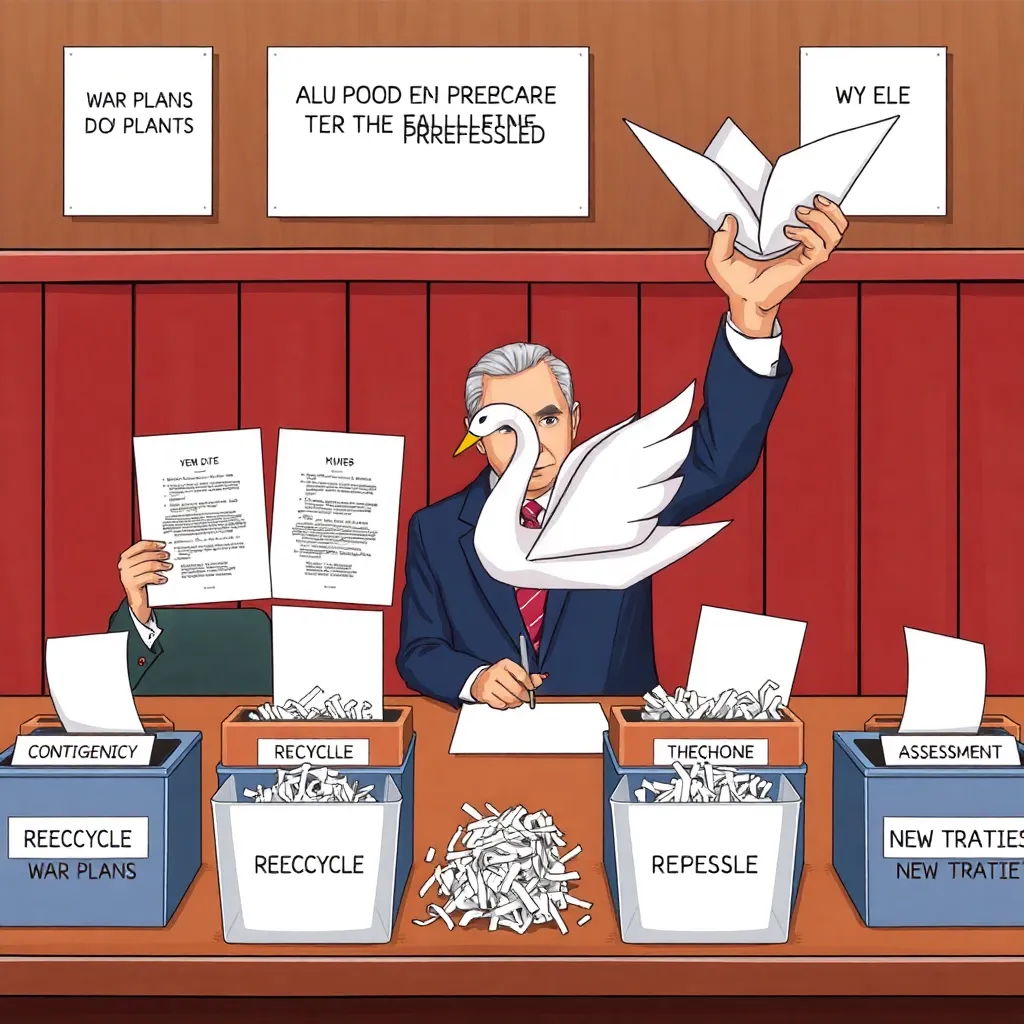
At the forum’s conclusion, each nation signed the agreement and participated in a symbolic act: the ceremonial shredding of several thousand pages of war plans, contingency documents, and “very serious threat assessments,” which were then recycled into paper for new international treaties and, in one case, a surprisingly tasteful origami swan.
As the last delegates departed, one exhausted official summed up the mood:
“We came here to plan wars,” they said. “Instead we discovered they’re pointless. It’s humiliating, but in a refreshing way.”
The world has now entered an era officially described by the forum as:

“No More Wars Ever, Under Any Circumstances, We Mean It This Time.”
Observers say it is unclear how long the peace will last, but early signs are promising—mostly because everyone agreed, in writing, that war is a ridiculous idea and they’d rather not do it again.
And because, for the first time in history, the world’s leaders have realised there is nothing quite so powerful as saying, collectively:
“Actually, let’s not.”