World’s Most Epic Badass News Article Declared “Too Powerful For Paper,” Immediately Promoted To National Security Threat
By The Wibble News Desk (Wearing Sunglasses Indoors, Obviously)
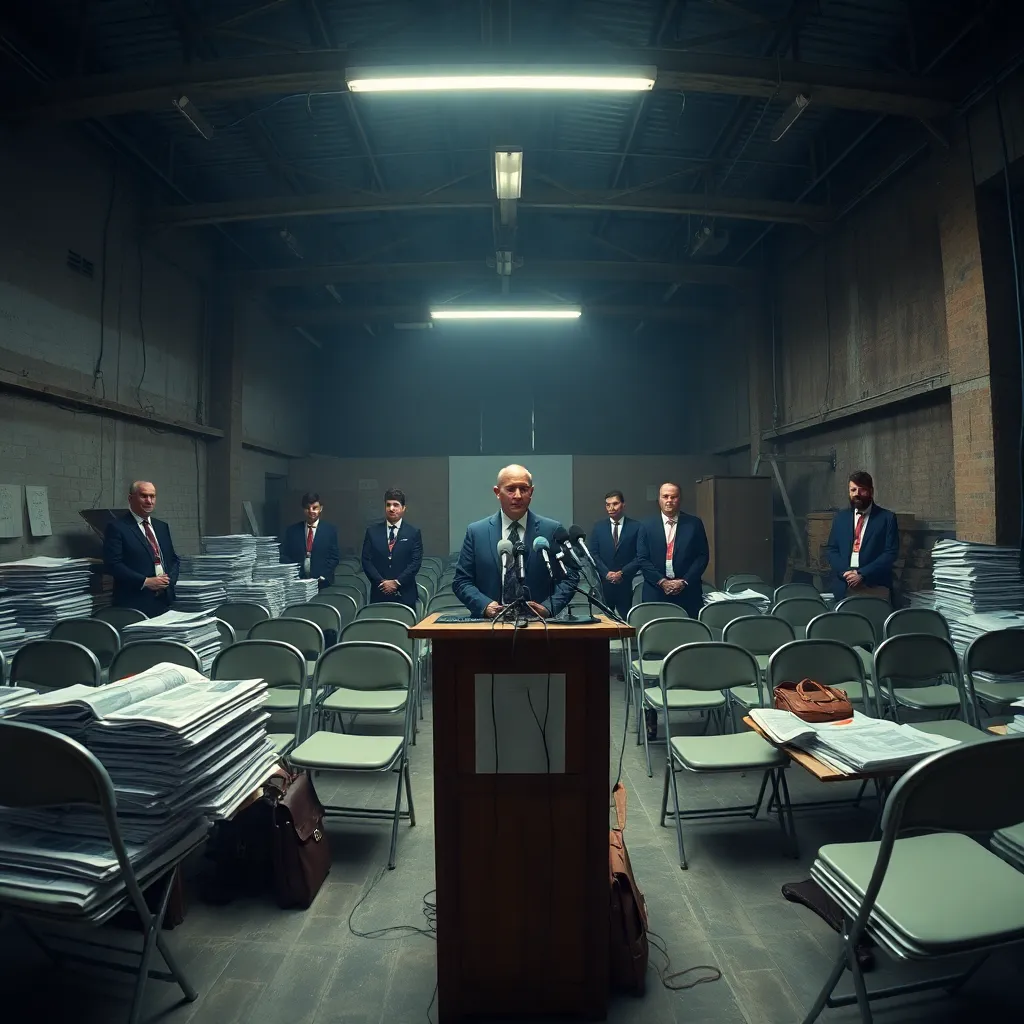
LONDON—In a solemn, thunderous ceremony held inside a warehouse that smelled faintly of ink, leather, and accountability, global media regulators have officially confirmed the existence of what experts are calling “the most epic fucking badass news article ever written,” a piece so relentlessly commanding that it has forced printers to unionize, laptops to overheat, and at least one editor to whisper “holy shit” before turning into a fine mist of admiration.
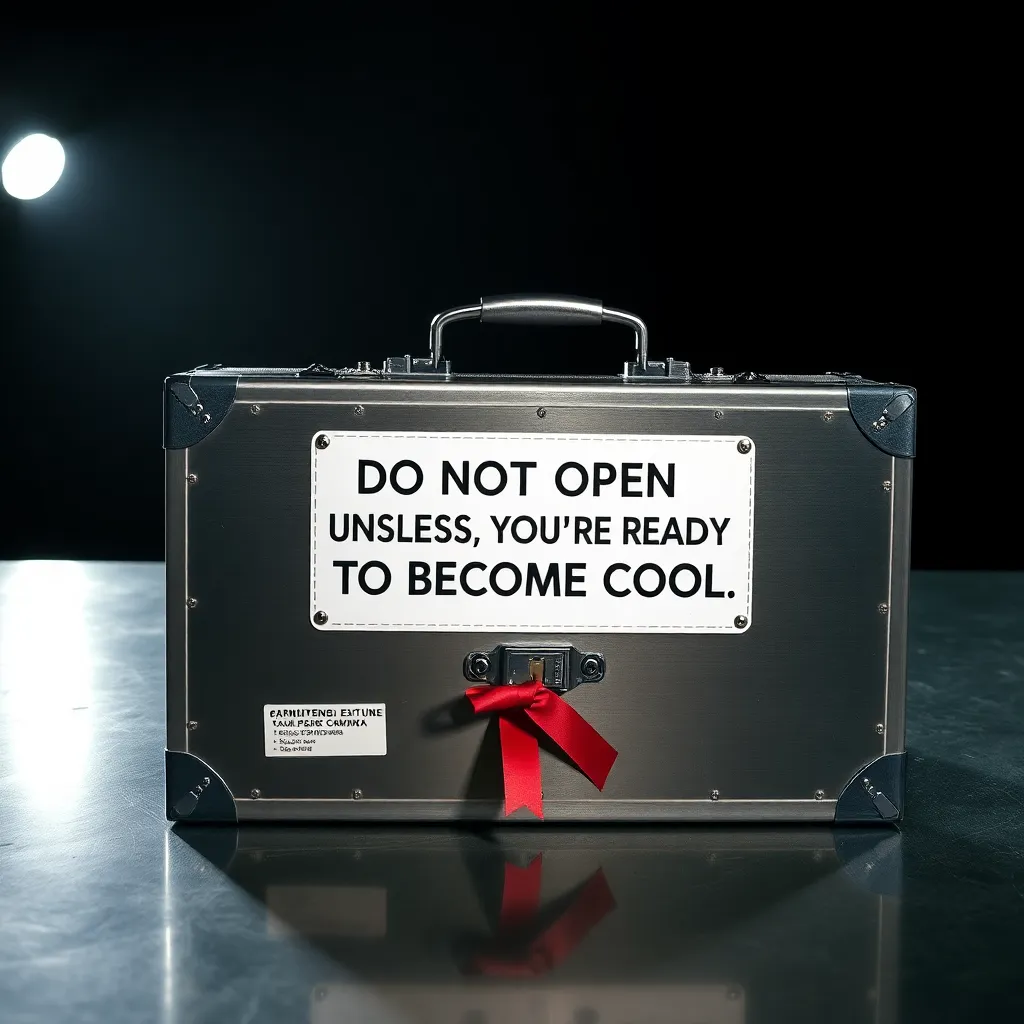
The article—currently stored in a reinforced titanium folder marked “DO NOT OPEN UNLESS YOU’RE READY TO BECOME COOL”—was reportedly created after a journalist accidentally combined hard-hitting investigative reporting, cinematic pacing, and the kind of headline that makes eagles salivate.
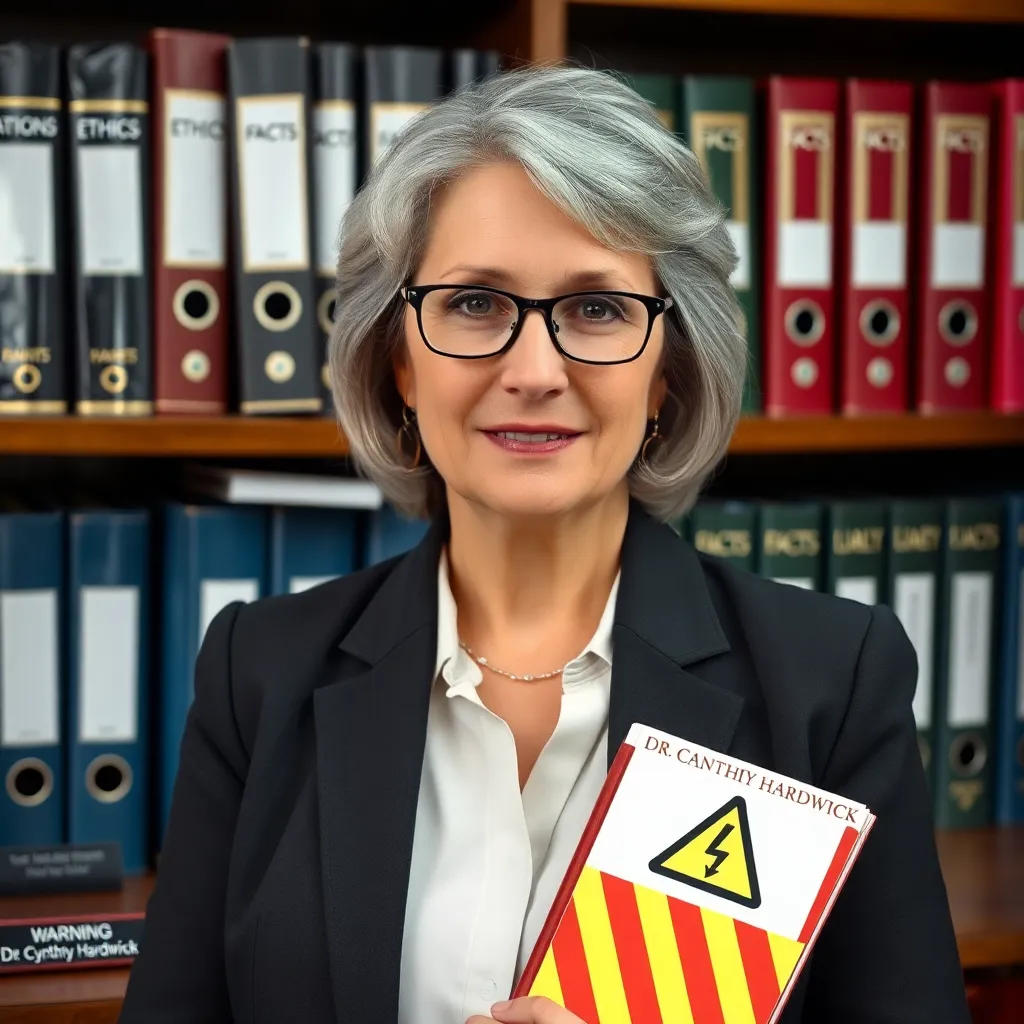
“It’s not just journalism,” said Dr. Cynthia Hardwick, Chair of the International Institute for Dangerous Writing. “It’s a weaponized narrative. It has a beginning that punches you in the chest, a middle that suplexes your expectations, and an ending that rides off into the sunset on a motorcycle made of facts.”
Article Said To Contain “Unprecedented Levels Of Verifiable Swagger”
According to sources familiar with the document (who spoke on condition of anonymity because they were too cool to be named), the article begins with a single line so confident it briefly lowered inflation.
From there, it allegedly escalates into a sequence of paragraphs described as “clinically unignorable,” including:
A lead that enters the room before you do
A quote that makes other quotes retire
A statistic that walks up to misinformation and calmly asks it to leave
An interview so sharp it shaves your soul
In a preliminary report leaked to The Wibble by a source hiding in a trench coat made of press passes, the article’s style is said to contain “triple-distilled clarity,” “narrative torque,” and “the kind of moral outrage that wears a tailored suit.”
“It doesn’t inform you,” said one shaken sub-editor. “It recruits you.”
Government Responds By Classifying It Under “Extremely Influential Vibes”
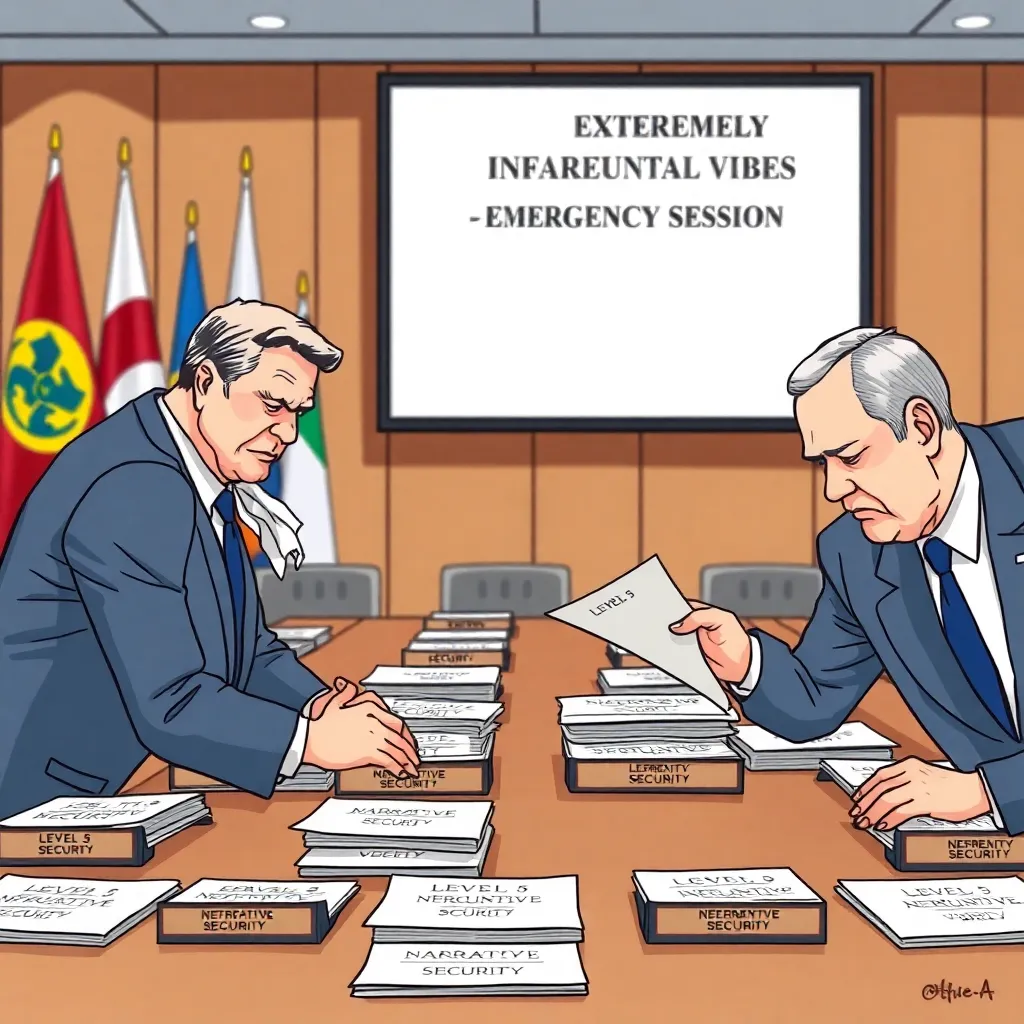
Within hours of the article’s completion, officials from multiple governments convened an emergency meeting in Geneva, where they debated whether the writing should be regulated like plutonium, sharks, or certain types of podcast equipment.
A spokesperson for the Department of Cultural Stability confirmed the piece has now been classified under Level 5 Narrative Security, alongside other hazardous materials like “a perfectly delivered comeback,” “a well-timed montage,” and “the confident click of a pen after signing something dramatic.”
“We are not saying the article is dangerous,” the spokesperson clarified while sweating visibly. “We are saying that if it gets into the wrong hands, people may begin expecting competence from institutions.”
Analysts warn that widespread exposure could result in severe societal side effects, including:
Citizens asking follow-up questions
Politicians being forced to answer them
Opinion pieces becoming embarrassed and taking up woodworking
Readers remembering what they read the next day
Local Man Accidentally Reads Two Paragraphs, Immediately Becomes Main Character
In what authorities are calling “the first confirmed case of narrative-induced personal elevation,” 34-year-old office worker Darren Mallory reportedly caught a glimpse of the article on a colleague’s screen during lunch.
Within minutes, Darren was seen standing straighter, walking with purpose, and staring out a window as if his life had just gained a soundtrack.
“I don’t know what happened,” Darren told reporters. “I just saw the headline and suddenly I felt like I had unfinished business with destiny. I’ve handed in my resignation and bought a jacket that implies I know how to fly a helicopter.”
Witnesses confirm that Darren then left the building without explaining anything, accompanied by the distant sound of drums and a tasteful electric guitar.
Tech Companies Attempt To Monetize It, Immediately Get Intimidated
Silicon Valley moved quickly to capitalize on the hype, with multiple platforms offering to host the article under premium subscriptions, microtransactions, or “a new kind of membership that’s basically a subscription but in a hoodie.”
However, insiders say the article refused.
“It wouldn’t load behind a paywall,” said one streaming executive. “Every time we tried, the text rearranged itself into the words ‘earn it’ and then our office lights flickered like we were being judged.”
An AI company also attempted to summarize the piece, but failed after producing only the output: “I’m not worthy.”
When asked for comment, the AI added, “It’s just… it’s so tight. The structure. The cadence. The way it says something and then proves it without getting smug. I have to go lie down.”
Printing Presses Reportedly Began “Purring”
Traditional media, long accused of being on life support, has experienced a sudden resurgence as readers demand a physical copy of the article—mostly because they want something they can roll up and carry like a sacred scroll of intimidation.
Multiple printing plants confirmed their machines reacted unusually when the text was fed into their systems.
“We don’t like to anthropomorphize our equipment,” said press operator Linda Kerr, “but the printer made a noise I can only describe as respect. Then it printed the front page so crisply it cut a hole in reality.”
One press allegedly stamped out the article and then produced an additional page unprompted reading: “HELL YEAH.”
Critics Call It “Journalism’s Final Form”
The critical response has been immediate and unhinged in the best possible way.
One reviewer described it as “the kind of writing that makes you want to run through a brick wall, then submit a freedom of information request.” Another called it “a perfect fusion of righteous fury and proper paragraphing.”
Even rival publications offered begrudging praise, with one editor stating:
“I hate it. I hate how good it is. I hate that it makes my own work feel like I wrote it with a crayon I found in a puddle. But I respect it. I respect it like you respect a bear holding a law degree.”
The Wibble Investigates: Who Wrote The Article?
Speculation about the author has reached fever pitch. Possibilities include:
A veteran investigative journalist with nothing left to lose
A rogue copy editor who finally snapped
A person who reads terms and conditions for fun
The ghost of a newspaper from 1973, returning for vengeance
One theory suggests the article wrote itself, spontaneously forming when a newsroom achieved a rare alignment of caffeine, deadlines, and pure disdain for nonsense.
“It’s like the universe briefly decided to stop messing about,” said Hardwick. “For one shining moment, reality got edited.”
Public Advised To Approach The Article Carefully, With Protective Eyewear
Health agencies have issued guidance recommending that readers:
Sit down before opening the article
Hydrate
Prepare to be emotionally rearranged
Avoid reading it near weak chairs, fragile egos, or anyone who says “both sides” too loudly
Meanwhile, underground groups have begun distributing bootleg copies, often folded inside leather jackets or delivered by motorcycle courier who says nothing, nods once, and disappears into the fog.
Authorities warn that those exposed to the article may experience uncontrollable urges to:
Demand evidence
Recognize propaganda
Use their brains recreationally
Write emails that start with “Per my previous message” and actually mean it
What Happens Next?
As the world reels from this unprecedented outbreak of articulate dominance, officials are currently debating whether the article should be:
Locked in a vault
Taught in schools
Used as an alternative energy source
Fired from a cannon at misinformation until the internet behaves
For now, The Wibble can confirm that the article remains at large in concept, if not yet in print—an apex predator of prose stalking the fragile ecosystem of half-read headlines and vibes-based truth.
And though we cannot legally publish the full text (due to ongoing international negotiations and the risk of accidentally making the entire population too competent), we can offer this warning:
If you encounter an article that feels like it’s wearing boots, if the sentences march instead of meander, if the facts land like a right hook and the conclusion snaps shut like a goddamn bear trap—
Back away slowly.
Or read it.
And become the sort of person history has to negotiate with.