Zombie Genes: The Undead Forces Behind Cancer’s Fury (And Why Your Cells Keep “Coming Back for Seconds”)
By our Science Desk, armed with a microscope, a sense of dread, and absolutely no permission to open the biochemistry cupboard
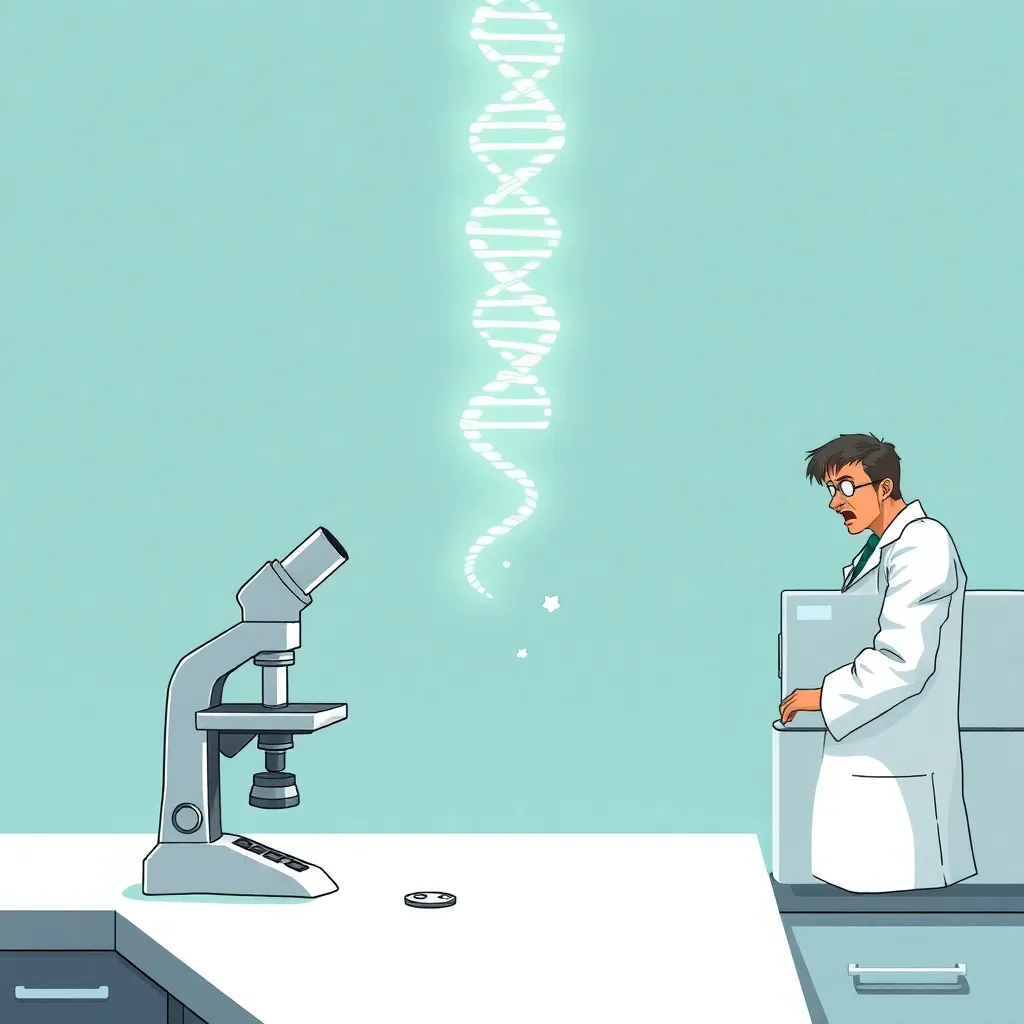
In a discovery that has rocked laboratories, terrified grant committees, and caused one intern to faint directly into the centrifuge, researchers have reportedly identified what they are calling “zombie genes”: ancient, half-forgotten fragments of DNA that appear to reanimate under stress and begin shambling around the genome, groaning softly and rearranging cellular priorities with all the subtlety of a linen-wrapped mummy in a pottery shop.
These so-called zombie genes—also known by boring non-tabloid scientists as “reactivated developmental pathways,” “dormant genetic programs,” and “please stop calling it that in the paper”—are being blamed for cancer’s most infuriating trait: its relentless refusal to behave like a well-mannered illness that knows when it’s overstayed its welcome.
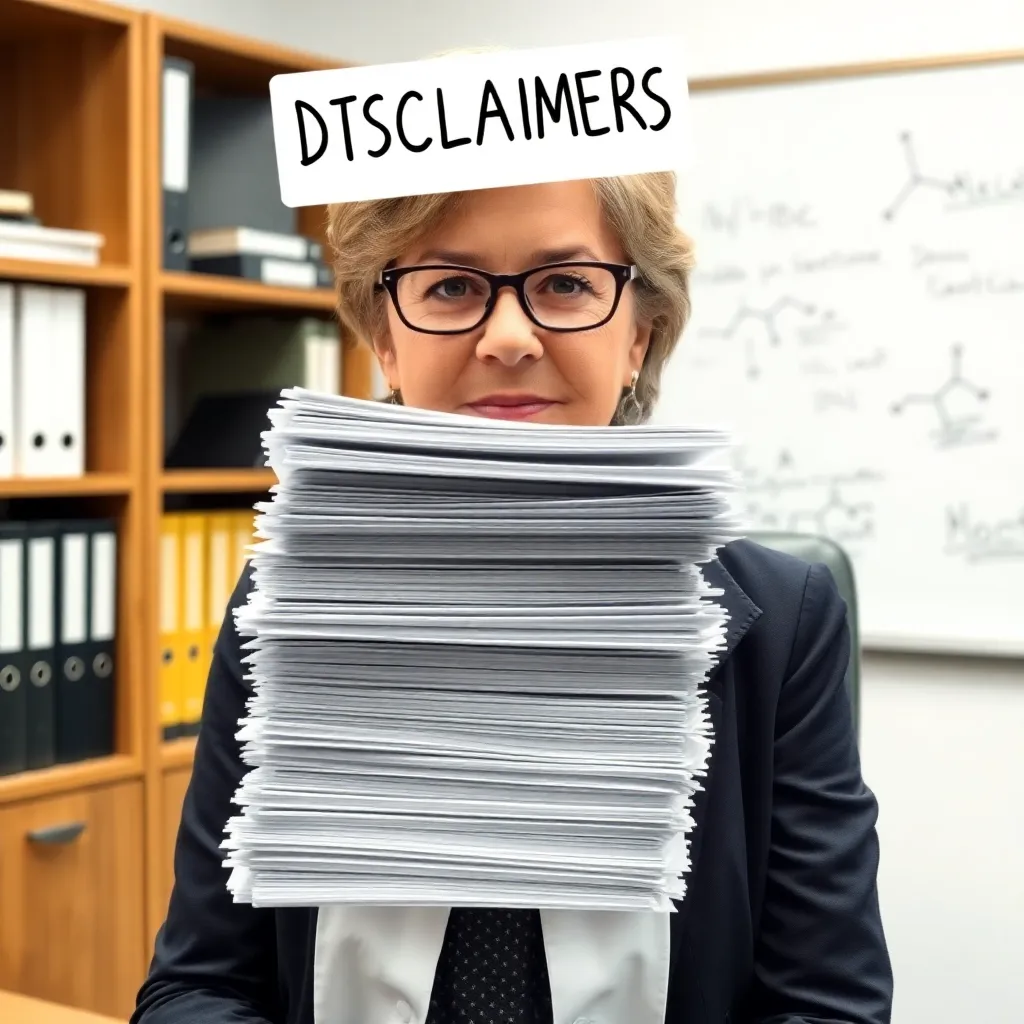
“Cancer cells don’t just grow,” explained Professor Linda Harrow-Smythe of the University of East Widdershins, speaking through a stack of disclaimers. “They persist. They adapt. They return. It’s like telling a vampire to leave and it says, ‘Actually, I live here now.’”
A Nation Gripped by the Fear of Undead Biology
The term “zombie gene” has become uncomfortably popular because it captures what patients and clinicians often feel: that cancer is not simply a malfunction, but an insurgency. A kind of cellular uprising in which normal rules are suspended, the dead refuse to stay buried, and your body’s internal bureaucracy starts filing paperwork in triplicate while the building burns down.
According to sources in white coats, zombie genes are not literal monsters (regrettably), but genetic sequences that were once highly active during early development—when cells were busy turning into organs, growing at breakneck speed, and generally ignoring all speed limits.
“In the embryo,” said Harrow-Smythe, “cells are basically at a rave. They’re multiplying, migrating, transforming, and not asking anyone for permission. Cancer is what happens when adult cells find the old rave flyers and decide to throw one last party in the pancreas.”
Scientists suspect that under certain conditions—mutations, inflammation, environmental stress, or the cellular equivalent of having an existential crisis—these ancient programs can be switched back on.
The result: cells that start acting like they’ve remembered a previous life.
“We Thought We Deleted That Folder,” Says Genome
For decades, biology textbooks comforted us with the idea that much of the human genome was tidy, regulated, and sensibly arranged, like a well-labeled spice rack. This was, in retrospect, wildly optimistic.
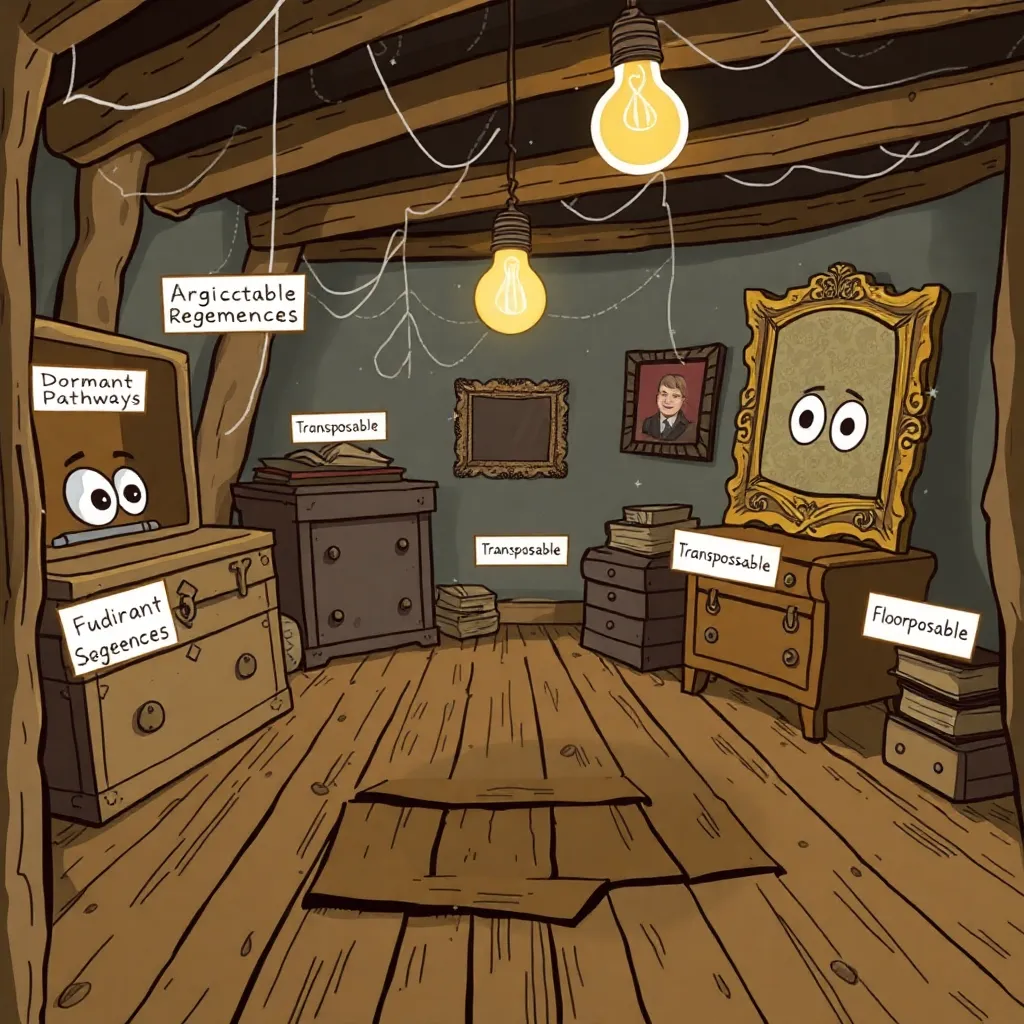
Modern genomics suggests the genome is more like a haunted attic: full of old trunks, forgotten relics, and unsettling family portraits that definitely follow you with their eyes. Among these relics are:
Dormant developmental pathways that can be reactivated inappropriately
Ancient regulatory sequences that still respond to stress signals
Transposable elements—often described as “jumping genes,” but functionally closer to “drunk roommates who keep rearranging the furniture at 3 a.m.”
Some researchers argue that so-called zombie genes are basically old instructions that, in the wrong context, become catastrophic.
“It’s not that evolution is sloppy,” insisted Dr. Marco Peale, a molecular biologist who looked like he hadn’t slept since the discovery of mitochondria. “It’s that evolution is practical. It keeps everything. You never know when you’ll need a gene that helps you grow a tail again.”
He paused.
“I mean. You probably won’t. But your cancer might give it a go.”
Cancer’s Favourite Trick: Pretending It’s a Baby
One of the more unsettling themes in cancer research is that tumours often display behaviours reminiscent of early life stages: rapid growth, flexibility, and an aggressive insistence on commandeering resources without contributing to the household bills.
In scientific circles, this is sometimes framed as cancer “dedifferentiating”—cells losing their specialized identity and reverting to a more primitive state. In tabloid terms, it’s your cells deciding adulthood was a mistake and moving back in with their parents.
This is where zombie genes come in. When these dormant programs awaken, they can help cancer cells:
Ignore stop signals that normally keep growth in check
Evade immune detection, like a raccoon freezing when it sees headlights
Resist treatment, because nothing says “undead” like surviving something specifically designed to kill you
Invade other tissues, in a process so impolite it has its own name: metastasis
“Metastasis is the part that feels most zombie-like,” said Peale. “It’s the spreading. The relentless expansion. The sense that no matter where you barricade yourself, it has already found the back door.”
Big Pharma Responds by Selling Garlic Supplements (Unofficially)
The news has sparked chaos across the wellness industry, which immediately smelled opportunity the way a shark smells fear, or the way a multilevel marketing scheme smells a neighbourhood Facebook group.
Within hours of the first “zombie genes” headline, several lifestyle brands introduced:
“Genome Exorcism Tea” (ingredients: hot water, optimism, and a suspicious amount of cinnamon)
“Anti-Undead Cleanse Kits” (contents: a plastic bottle and a pamphlet accusing your liver of “toxic vibes”)
“Cellular Banishment Crystals” (which, much like actual crystals, do nothing except sit there and look smug)
One company spokesperson, wearing a lab coat that still had the price tag on it, claimed their supplements “encourage healthy gene vibes and discourage necromantic expression patterns.”
Scientists responded by staring into the middle distance for a long time.
Researchers Confirm: The Cells Are Not Literally Moaning
In the interest of accuracy—something we at The Wibble treat as a loose social suggestion—experts note that zombie genes do not make your cells actually undead, and cancer is not caused by paranormal forces.
“Cancer is a complex disease involving genetic mutations, epigenetic changes, and interactions with the body’s environment,” said Harrow-Smythe, in the tone of someone who has explained this to a room full of headline writers before. “Calling it ‘zombie genes’ is a metaphor.”
We asked whether the metaphor was helpful.
“It is,” she admitted reluctantly, “in that it conveys how cancer can reactivate processes that are normally silent in adult tissues. But it is not helpful in that my aunt has started texting me about silver bullets.”
The Dark Poetry of Biology: When Old Tools Become New Weapons
If there is a chilling lesson here, it’s that the machinery of life is reusable. The same programs that build us can, under the wrong conditions, harm us.
Developmental genes are powerful. They are designed to drive growth, movement, survival, and adaptation—exactly the features a tumour needs to thrive.
Cancer, as researchers often point out, is not an alien invader. It is a distorted version of ourselves: our own biology repurposed, misregulated, and weaponized.
Or as one exhausted oncologist put it, requesting anonymity for fear of being asked to do a TED talk:
“Cancer is your body’s software running the wrong update. And the update was written when you were a blob.”
Government Launches “National Preparedness Plan for Cellular Outbreaks”
In response to public anxiety, officials briefly considered issuing guidance on “genetic hygiene,” before realizing this might encourage people to start pressure-washing their DNA with kitchen products.
Instead, the Health Department released a statement reminding the public that:
Cancer is not contagious via bites (even very committed ones).
You cannot “cleanse” your genes by yelling at them.
Wearing a tinfoil hat will not stop rogue transcription factors.
A spokesperson also urged citizens to seek reputable medical advice for health concerns and not “rely on internet articles that compare tumours to undead hordes,” which felt targeted.
What This Means (Besides Excellent Halloween-Themed Conference Posters)
The real scientific intrigue is that studying these “zombie” pathways could help researchers develop better treatments—ones that target the unusual gene activity cancer cells rely on, while sparing healthier cells.
In other words: if cancer is reanimating old biological tricks, medicine may be able to cut the power to the haunted house.
“We’re learning how tumours hijack embryonic and regenerative programs,” said Harrow-Smythe. “The better we understand that, the better we can intervene.”
Then, with the air of someone trying not to name any more monsters:
“And ideally, we can do it without the public demanding we deploy a priest.”
Final Word: It’s a Metaphor, Not a Manual
Zombie genes, if the term sticks, will likely join the long tradition of science metaphors that are simultaneously useful, misleading, and irresistible to headline writers. They are not literally undead, but they do represent something real: the unsettling possibility that parts of our biology can be reactivated in ways that turn life’s machinery against itself.
And if that doesn’t make you want to treat your cells with a little more respect, nothing will.
This article is satire. It is not medical advice. For concerns about cancer, screening, symptoms, or treatment, consult qualified healthcare professionals and reputable medical sources.